
Quick Answer: Essential Specs for Study Room Organizer Racks
When selecting a divider organizer rack for a home study, the most critical specifications to verify are its load-bearing capacity (ideally 15 to 20 kilograms per shelf for heavy books), compartment adjustability (to accommodate varying binder heights), and footprint dimensions (ensuring it fits your floor space and doorway clearances). In humid tropical climates like the Philippines, selecting materials with high moisture resistance—such as powder-coated metal or high-density engineered wood with sealed edge banding—is essential to prevent warping, sagging, and mold. Prioritize units that include anti-tip hardware to secure the structure safely against the wall.
Assessing Your Study Space and Storage Needs
Before browsing online marketplaces or visiting local showrooms, you must accurately measure your physical space. Start by measuring the available floor width and depth where the rack will stand. Do not rely solely on wall-to-wall measurements; account for baseboards, wall outlets, light switches, and the swing radius of doors or nearby cabinet drawers. Additionally, measure the vertical clearance, especially if you plan to place the rack under a sloped ceiling, a window sill, or an air conditioning unit. If you live in a multi-story home or a condominium, measure your doorways, stairwells, and elevator dimensions to ensure the flat-pack boxes or pre-assembled units can be safely transported to your study.

Next, catalog the specific items you intend to store. A study room typically holds a diverse mix of materials, each requiring different shelf depths and heights. Standard textbooks and heavy reference manuals require a shelf depth of at least 25 to 30 centimeters to prevent the spines from protruding. Large arch files, legal-sized documents, and binders often require a vertical clearance of 32 to 35 centimeters. Smaller items like stationery boxes, electronic accessories, and notebooks can utilize shallower shelves or dedicated drawer inserts. By calculating the total linear shelf space needed for each category, you can determine whether you require a tall, multi-tier bookcase or a compact desktop organizer.
Products mentioned in this guide

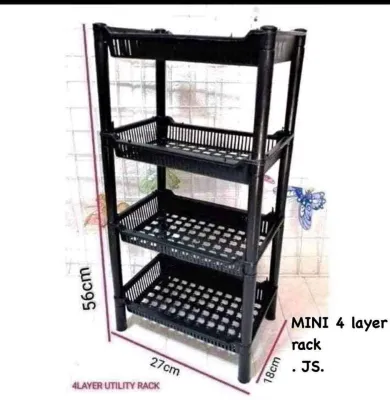
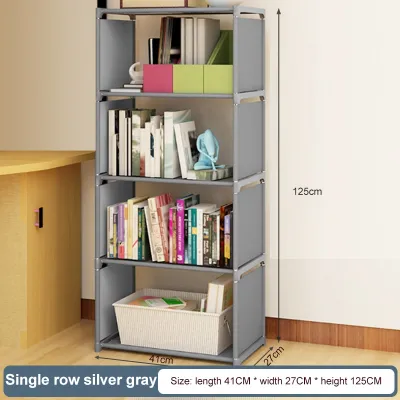
Prices are valid at publication and may change. Please refer to the product page for the latest price.
Finally, evaluate the traffic flow and ergonomics of your study. If you need immediate access to reference materials while working, a desktop divider rack or a low-profile unit placed directly adjacent to your desk is ideal. For long-term archiving, a freestanding floor unit positioned along an opposite wall keeps the immediate workspace clutter-free. Ensure there is at least 60 to 90 centimeters of clear walkway space in front of the rack so you can comfortably stand, bend down, or pull out storage boxes without hitting other furniture.
Evaluating Compartment Layout and Adjustability
A rigid, single-size compartment layout often leads to wasted vertical space or forces you to stack books horizontally, which damages the spines and makes retrieval difficult. To maximize efficiency, look for a divider organizer rack that features adjustable or removable shelves. These systems typically use pre-drilled peg holes along the inner side panels, allowing you to raise or lower individual shelves in increments of 2 to 3 centimeters. This flexibility ensures you can create tall compartments for oversized binders and compact slots for standard paperbacks within the same unit.
Specialized compartments can significantly improve your daily workflow. Vertical dividers are particularly useful for keeping thin softcovers, magazines, and loose documents upright without the need for heavy bookends. Angled slots or horizontal paper trays help organize active paperwork, mail, and printer paper for quick access. If your study doubles as a home office, consider a hybrid rack that combines open shelving with shallow drawers or closed cabinets at the bottom. These closed sections are ideal for concealing unsightly cables, chargers, and sensitive documents, maintaining a clean visual aesthetic in your workspace.
When evaluating any layout, always check the internal usable depth rather than the external dimensions. External depth measurements often include the thickness of the back panel and front frame overlays. If the internal depth is too shallow, standard folders and textbooks will overhang, creating an untidy appearance and increasing the risk of items being knocked off. A minimum internal depth of 28 centimeters is recommended for general study use, while 32 centimeters is ideal if you plan to integrate fabric storage bins or plastic organizer boxes.
Material Selection and Surface Finish Checks
The materials used to construct your divider organizer rack directly impact its longevity, maintenance requirements, and structural integrity under load. Rather than relying on vague marketing terms like “premium wood” or “heavy-duty,” inspect the manufacturer’s technical specifications to identify the exact materials used. Common options include medium-density fiberboard (MDF), particleboard, solid wood, steel, and acrylic. Each material has distinct characteristics that dictate its suitability for a home study.
In tropical regions with high relative humidity, such as the Philippines, moisture tolerance is a primary concern. Low-grade, untreated particleboard or MDF is highly susceptible to absorbing airborne moisture, which causes the fibers to swell, weaken, and eventually sag under the weight of books. If choosing engineered wood, verify that it features a high-quality melamine or laminate finish. This protective layer acts as a barrier against moisture and dust. Additionally, inspect the edge banding—the thin strip of material covering the raw edges of the wood panels. Ensure the edge banding is fully sealed, smooth, and free of gaps or peeling, as unsealed edges are the primary entry points for moisture and humidity.
Metal components, such as steel frames or wire dividers, offer excellent structural strength and a modern aesthetic. When selecting a metal rack, verify that the surface has a durable powder-coated or rust-resistant finish. This coating prevents oxidation and rust, which can stain your books and documents over time. For easy maintenance, choose smooth, non-porous surfaces that can be easily wiped clean with a dry or slightly damp microfiber cloth. Avoid highly textured finishes that trap dust, as study rooms are prone to accumulating paper fibers and household dust.
Structural Stability, Weight Capacity, and Safety Checks
Books are deceptively heavy; a single shelf filled with dense textbooks can easily weigh 15 to 25 kilograms. Before purchasing, locate the manufacturer’s stated maximum weight capacity per shelf and for the entire unit. Never exceed these limits, as overloading leads to permanent structural bowing, joint failure, or catastrophic collapse. As a general rule, look for shelves with a thickness of at least 1.5 to 2 centimeters to minimize the risk of sagging over long spans.
Physical stability depends heavily on the rack’s structural design and center of gravity. Look for units that incorporate structural reinforcements, such as a solid back panel, corner brackets, or an X-shaped metal cross-brace at the rear. A solid back panel not only prevents the rack from swaying laterally (racking) but also keeps books from sliding out the back. The base of the rack should be wide and flat, ensuring full contact with the floor. If your study has uneven flooring, prioritize racks equipped with adjustable leveling feet to prevent wobbling.
Safety must be a primary consideration, particularly for tall freestanding units exceeding 120 centimeters in height. When fully loaded, the center of gravity shifts upward, making the rack vulnerable to tipping forward if pulled or during seismic activity. Always install the manufacturer-provided anti-tip wall anchors. In homes with concrete or masonry walls, use appropriate wall plugs and masonry screws to secure the brackets firmly. If anchoring into drywall, ensure the screws are driven directly into the wooden wall studs rather than the plasterboard alone. Keep children and pets safe by placing the heaviest items, such as encyclopedias and storage boxes, on the lowest shelves to maintain a low center of gravity.
Assembly Requirements and Long-Term Maintenance
Most divider organizer racks purchased online or from modern furniture retailers are delivered as flat-pack items requiring self-assembly. Before beginning the assembly process, unbox all components in a spacious, clean area. Lay out the panels and count the hardware pieces—such as screws, dowels, cams, and brackets—against the parts list in the instruction manual. Ensure you have the correct tools on hand; while basic hex keys are often included, a high-quality manual screwdriver or a low-torque power drill can make the process smoother and prevent hand fatigue.
Long-term structural integrity requires periodic maintenance. Over time, the daily vibration of retrieving and replacing books can cause screws and cam-lock fasteners to loosen slightly. Set a schedule to inspect and gently tighten all structural joints every six months. When cleaning, follow the manufacturer’s guidelines strictly. For engineered wood and metal, a dry microfiber cloth is usually sufficient to remove dust. Avoid using harsh chemical cleaners, abrasive pads, or excessive water, which can degrade the protective surface finishes and cause swelling or rust.
Knowing when to stop is crucial for safety. If you encounter stripped screw holes, cracked wood panels, or missing structural hardware during assembly, halt the process immediately and contact the manufacturer for replacement parts. Do not attempt to force mismatched components together or use makeshift substitutes. If an existing rack begins to show signs of severe structural warping, deep cracks in the load-bearing joints, or persistent instability that cannot be corrected by tightening the fasteners, discontinue its use immediately to prevent accidents.
Building Your Condition-Based Shortlist
To make an informed purchasing decision, synthesize the features discussed into a structured evaluation matrix. This approach allows you to compare different models objectively based on your specific study room conditions rather than relying on aesthetic appeal alone. Use the following criteria to build your shortlist:
- Dimensions and Fit: Verify that the external width, depth, and height align with your measured space, leaving adequate clearance for doors, outlets, and walkways.
- Weight Limits: Confirm that the rated load capacity per shelf meets or exceeds the weight of your heaviest book collections.
- Material and Finish: Select moisture-resistant finishes (such as melamine laminate or powder-coated steel) that suit your local climate and are easy to dust.
- Adjustability: Prioritize units with movable shelves or modular dividers if your storage needs are likely to change over time.
- Safety Features: Ensure the unit includes dedicated anti-tip hardware and has a stable, wide-base design.
Budgeting realistically—typically ranging from ₱1,500 for basic desktop organizers to over ₱8,000 for large, reinforced floor units—helps narrow down your choices. Before finalizing your purchase from an online marketplace or local retailer, carefully verify the seller’s return policies and warranty coverage. A robust warranty provides recourse if the product arrives with manufacturing defects or missing parts. Additionally, check the shipping dimensions and weight of the packages to ensure you can safely receive and handle the delivery. Finally, read through customer reviews, filtering specifically for feedback regarding shelf sagging under load, assembly difficulties, or discrepancies between the advertised dimensions and the actual product.
Frequently Asked Questions (FAQ)
Can I use a desktop divider rack for heavy textbooks?
Desktop divider racks are designed primarily for light-to-medium storage, such as notebooks, active files, and stationery. Because they rely on the desk surface for support and often feature thinner panels (typically under 1.2 centimeters), they have a much lower weight capacity than floor-standing units. Placing heavy, dense textbooks on a desktop rack can cause the shelves to bow or tip over, potentially damaging your desk or computer monitor. Always check the manufacturer’s specified weight limit per tier, and opt for a sturdy floor-standing bookcase if you need to store extensive reference collections.
How do I prevent a tall organizer rack from tipping over?
To prevent a tall organizer rack from tipping, you must secure it directly to the wall using the anti-tip kit provided by the manufacturer. For concrete or hollow-block walls, drill pilot holes and use high-quality masonry wall plugs with matching screws. If your study has drywall, locate the wooden wall studs using a stud finder and anchor the brackets directly into them. Additionally, always load the rack strategically by placing your heaviest books, binders, and storage boxes on the bottom shelves to lower the overall center of gravity.
Are acrylic or plastic divider racks suitable for long-term study use?
Acrylic and plastic divider racks are excellent for lightweight organization, such as sorting mail, holding active folders, or storing stationery accessories. However, they are generally not suitable for heavy, long-term book storage. Over time, standard plastics can become brittle when exposed to indirect sunlight or UV rays, and they scratch much more easily than wood or metal. If you choose acrylic, verify that it is high-grade, thick-walled material, and limit its use to desktop organization rather than heavy-duty shelving.

Community discussion
Share your experience or ask a question. Comments are reviewed before publication.