
Finding the right dustproof clothes rack for a small bedroom in the Philippines requires balancing compact dimensions with robust protection. In tropical urban environments, open windows bring in constant road dust and soot, while high humidity levels create a breeding ground for mold if clothes are sealed improperly. A well-chosen rack keeps your garments clean, organized, and fresh without crowding your limited floor space. To make the right choice, you must evaluate the rack’s physical footprint, the integrity of its enclosure, and how well its materials handle local climate conditions.
Quick Guide to Selecting a Space-Saving Dustproof Rack
When space is tight, every square centimeter of your bedroom floor matters. The primary challenge is finding a rack that maximizes vertical hanging space without obstructing your daily movement. A bulky wardrobe can quickly make a small room feel cramped and difficult to navigate.
Before browsing online marketplaces, you must establish your room’s physical limits. Measure the exact spot where you plan to place the rack, keeping in mind that you need extra clearance to access your clothes. A dustproof rack is only effective if you can easily open and close its protective cover without hitting other furniture.
Products mentioned in this guide

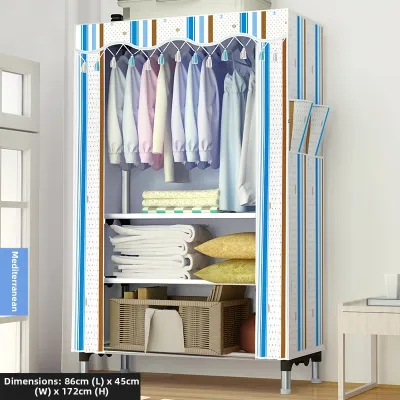
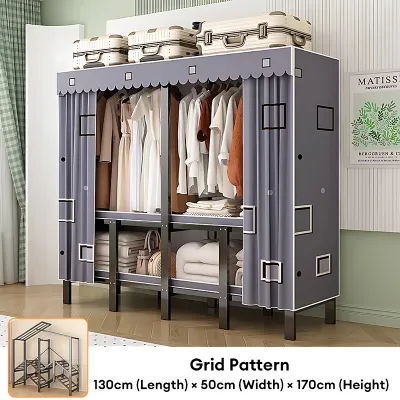

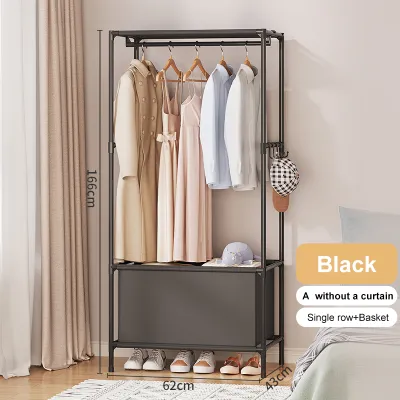

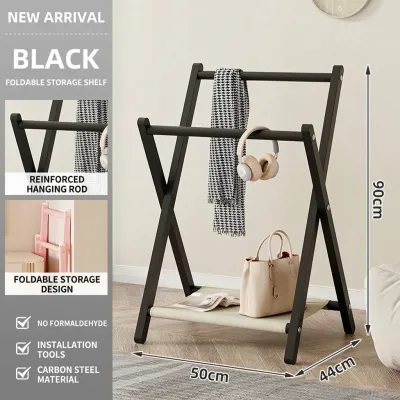
Prices are valid at publication and may change. Please refer to the product page for the latest price.
An effective dustproof seal relies on a fully enclosed design. Look for racks that feature complete fabric or plastic covers with secure closures, such as heavy-duty zippers or overlapping hook-and-loop flaps. The cover must seal tightly at the bottom to prevent dust bunnies and pests from entering from the floor level.
Measuring Your Bedroom and Matching Rack Dimensions
Accurate measurements are the foundation of a successful furniture purchase, especially when dealing with tight quarters. Begin by measuring the available floor footprint where the rack will stand. Use a physical measuring tape rather than relying on visual estimation, as even a discrepancy of a few centimeters can prevent a door from opening or block a walkway.

Do not forget to measure the vertical clearance of your room. Tall racks utilize vertical space efficiently, which is ideal for small bedrooms, but they must clear ceiling fans, light fixtures, and air conditioning units. Additionally, measure the width of your doorways, hallways, and stairwells to ensure the packaged box or pre-assembled frame can actually be delivered into your room.
When calculating the required space, factor in the clearance needed to operate the rack’s opening mechanisms. If the rack uses zippered fabric doors that roll upward or swing outward, ensure there is enough room for you to stand in front of the unit and roll up the flaps comfortably. Sliding doors or curtain-style covers often require less clearance, making them excellent choices for narrow walkways.
A common sizing error is ignoring the depth of baseboards or skirting boards along the bottom of your walls. These architectural details prevent the rack from sitting completely flush against the wall, which can push the unit forward by two to three centimeters. Always measure from the outermost edge of the baseboard rather than the flat wall surface to ensure a precise fit.
Evaluating Dustproof Features and Enclosure Designs
Not all clothes racks advertised as dustproof offer the same level of protection. To ensure your garments remain pristine, you must look closely at the structural details of the enclosure. A true dustproof design requires a full-enclosure system that wraps around all six sides of the frame, including the top, back, sides, and bottom.
Pay close attention to the zipper design and the seams. Overlapping zipper flaps are highly effective because they cover the teeth of the zipper, which is a common entry point for fine dust particles. Inspect the stitching along the seams; loose threads or wide stitch gaps can allow dust to filter through over time.
The bottom edge of the cover is another critical area to evaluate. Some budget covers hang loosely at the bottom, leaving a gap between the fabric and the floor. For optimal dust protection, choose a cover that either features a zippered bottom panel or extends all the way to the floor with an elasticized hem or weighted edge that seals against the ground.
It is also important to distinguish between water-resistant coatings and actual dust-blocking fabric weaves. While a plastic-like coating on the inside of a fabric cover can block moisture and dust, it can also trap humid air inside. Check the manufacturer’s specifications to verify if the fabric is tightly woven enough to block dust while still allowing minimal air circulation to prevent mustiness.
Comparing Common Types of Dustproof Storage Solutions
Different rack styles offer distinct advantages depending on your specific storage needs and room layout. Understanding these differences helps you select a model that aligns with your lifestyle and space constraints.
Freestanding Metal Racks with Fabric Covers These units typically feature a sturdy steel or iron frame paired with a removable zippered fabric cover. They offer excellent weight capacity and durability, making them suitable for heavy winter coats, denim, and daily wear. The freestanding design allows you to move the rack easily if you decide to rearrange your bedroom layout, and the fabric cover can often be removed for washing.
Modular Canvas or Non-Woven Wardrobes Modular wardrobes often use lightweight plastic or metal poles connected by plastic joints, surrounded by a non-woven fabric shell. These are highly popular due to their customizable shelving configurations and lightweight nature. However, they generally have lower weight limits than solid metal frames, so they are best suited for lighter garments like t-shirts, dresses, and folded linens.
Foldable or Collapsible Dustproof Racks If you live in a temporary rental or have an extremely restricted layout, a foldable dustproof rack is a highly practical solution. These racks can be collapsed flat when not in use, allowing you to store them under a bed or inside a closet. While highly convenient, they often feature simpler cover designs and may offer less storage capacity than permanent freestanding models.
Checking Stability, Weight Capacity, and Assembly
A dustproof clothes rack must be stable enough to support your entire wardrobe safely. Overloading a weak frame can cause it to bow, lean, or collapse entirely, potentially damaging your clothes or causing injury.
Before purchasing, verify the manufacturer’s stated weight capacity for both the hanging rods and the individual shelves. When organizing your clothes, distribute the weight evenly across the entire structure. Place heavier items like bags, shoes, and folded jeans on the bottom shelves, and reserve the hanging rod for lighter items like shirts and dresses to maintain a low center of gravity.
Examine the base structure and the quality of the joint connectors. Metal joints or reinforced plastic connectors provide significantly better stability than thin, brittle plastic pieces. If the rack is tall and narrow, check if the manufacturer includes anti-tip hardware, such as wall-anchor straps, which are essential for securing the unit to the wall.
During assembly, follow the manufacturer’s instructions carefully and ensure all poles are fully inserted into their connectors. If you notice that the parts do not align, or if the frame feels wobbly even after tight assembly, stop immediately. Do not attempt to force the pieces together or use makeshift reinforcements; instead, consult the manufacturer’s customer service for guidance or replacement parts.
Maintaining Your Dustproof Clothes Rack
Regular maintenance ensures that your clothes rack remains clean, stable, and effective at blocking dust over the long term. Dust will naturally accumulate on the exterior of the cover, so a routine cleaning schedule is necessary.
Refer to the care label on your fabric cover before cleaning. Many non-woven or canvas covers cannot be machine washed and should instead be wiped down with a damp cloth and mild soapy water. For metal or plastic frames, a quick wipe with a microfiber cloth will remove any settled dust and prevent grime buildup.
Periodically inspect the zippers, seams, and structural joints for signs of wear and tear. Zippers can become stiff over time; applying a small amount of candle wax or zipper lubricant can keep them sliding smoothly. Check the seams for any small tears or loose threads that could compromise the dustproof seal, and repair them promptly.
If the fabric cover becomes severely torn, brittle from sun exposure, or affected by mold, it is time to replace it. Many manufacturers sell replacement covers separately, allowing you to refresh your storage system without needing to purchase an entirely new metal frame.
Frequently Asked Questions (FAQ)
Can I use a dustproof clothes rack in a high-humidity room?
Yes, but you must take precautions to prevent moisture from getting trapped inside the sealed enclosure. In the humid climate of the Philippines, sealing damp clothes inside a non-breathable plastic or heavy fabric cover can quickly lead to mold and mildew growth.
To avoid this, check the product specifications for breathable fabric covers, such as lightweight non-woven polypropylene. Always ensure your clothes are completely dry before hanging them up. Placing moisture-absorbing silica gel packets, hanging dehumidifier bags, or charcoal sachets inside the rack can help control internal humidity levels. Additionally, keep the room well-ventilated by opening windows or using an electric fan or dehumidifier.
How do I prevent a tall fabric wardrobe from tipping over?
Preventing a tall wardrobe from tipping starts with smart loading habits. Always place your heaviest items, such as storage boxes, shoes, and heavy denim, on the lowest shelves to create a heavy, stable base that lowers the overall center of gravity.
Next, check if the manufacturer provides anti-tip straps or wall-anchoring kits. Securing the top of the frame to the wall with these anchors provides the most reliable protection against tipping. Finally, avoid placing tall, narrow racks in high-traffic areas where they might be bumped, and never position them directly next to or over a bed where a fall could cause injury.

Community discussion
Share your experience or ask a question. Comments are reviewed before publication.