
Choosing a floating desk table for a compact condominium or a tight bedroom in the Philippines requires balancing spatial limits, wall structural integrity, and daily work habits. Unlike freestanding desks, a wall-mounted floating desk frees up valuable floor space, making small rooms feel larger and easier to clean. However, finding the right model involves more than just picking an attractive design. You must verify that your wall can support the weight of the desk and your equipment, ensure the dimensions allow for comfortable movement, and select materials that can withstand local humidity. By taking precise measurements and matching the desk’s mounting system to your specific wall type, you can create a highly functional, space-saving work area that enhances your productivity without cluttering your home.
Assess Your Space and Work Requirements
Before browsing online marketplaces or visiting local furniture showrooms, you must define the physical footprint of your workspace and how you intend to use it. Start by measuring the exact wall area where you plan to install the floating desk table. It is not enough to simply measure the width of the desk itself; you must also account for the depth clearance required for your office chair and your own body. A standard office chair requires at least 70 to 90 centimeters of clearance behind the desk to slide out smoothly, allowing you to sit down and stand up without bumping into your bed, wardrobe, or walls.
Your daily tasks will dictate the size and structural strength of the desk you need. If your work only requires a slim laptop, a shallow, lightweight floating desk or a fold-down model will suffice. However, if your setup includes a large external monitor, a separate keyboard, and a mouse, you will need a deeper desk with a robust mounting system. Additionally, consider the layout of your room, paying close attention to walkway traffic. In typical Philippine condo layouts, where bedrooms often double as home offices, the desk must not obstruct the main path to the bathroom, closet, or balcony.
Products mentioned in this guide
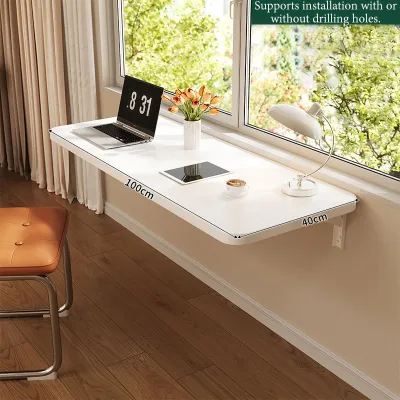
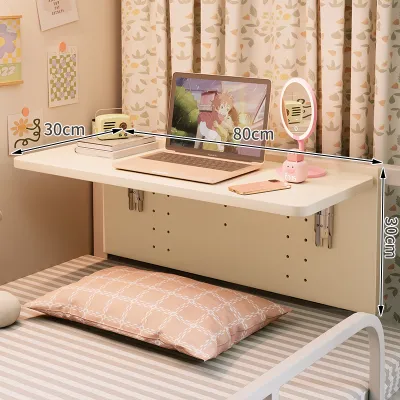
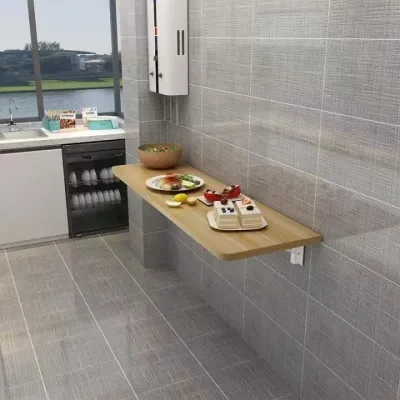
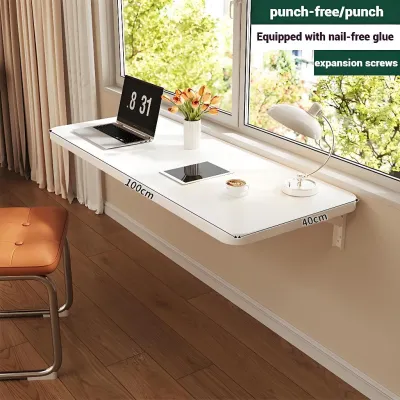
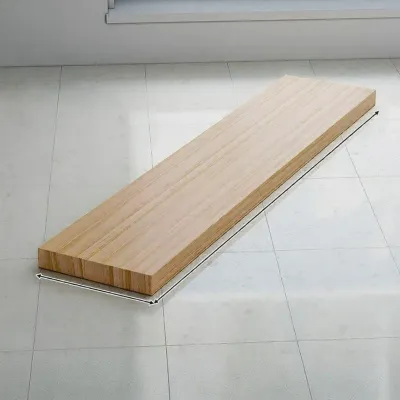
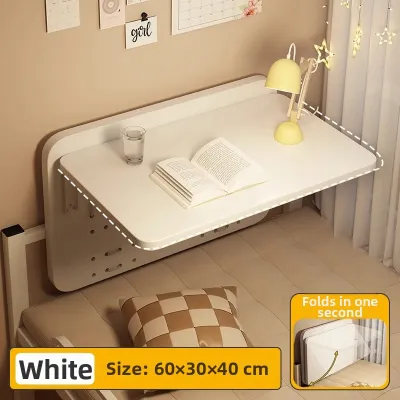
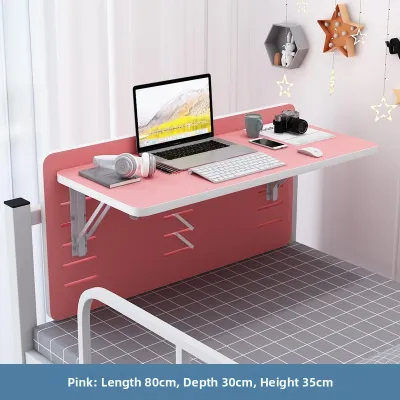
Prices are valid at publication and may change. Please refer to the product page for the latest price.
Match the Desk Size to Your Room Dimensions
Selecting the right dimensions for your floating desk table is a balancing act between ergonomic comfort and room proportion. In a small bedroom or a studio condo, a desk that is too large will dominate the room visually and physically, while a desk that is too small will cause physical discomfort during long working hours. For a balanced look, the desk should occupy no more than one-third of the wall length on which it is mounted. If you have a wider wall, you can opt for a longer, sleeker desk that provides extra surface area without protruding too far into the room.

The depth of the desk is critical for maintaining proper ergonomics and protecting your eyesight. A desk depth of 40 to 50 centimeters is generally the absolute minimum for comfortable laptop use, as it allows you to rest your forearms on the surface while keeping the screen at a safe viewing distance. If you use a desktop monitor, aim for a depth of 50 to 60 centimeters so that the screen is at least an arm’s length away. For exceptionally narrow rooms, a fold-down or drop-leaf floating desk is an excellent alternative that folds flat against the wall when your workday ends.
Check Wall Types and Weight Capacity for Safe Installation
The safety and longevity of your floating desk table depend entirely on the wall it is mounted to and the hardware used to secure it. In the Philippines, residential walls are typically constructed from concrete, concrete hollow blocks, or drywall partitions. Concrete and hollow block walls are highly durable and can support substantial weight, provided you use the correct masonry expansion bolts or heavy-duty wall plugs. Drywall partitions, which are common in newer condo divisions, require much more caution. You must never mount a heavy floating desk directly onto unsupported drywall; instead, the mounting brackets must be anchored directly into the internal metal or wooden studs behind the drywall sheet.
Always check the manufacturer’s specified weight capacity before purchasing a desk, and remember that this limit includes both the weight of the desk itself and everything you place on top of it. A standard laptop setup might only weigh 3 to 5 kilograms, but leaning your arms on the desk while typing adds significant downward force. If you are unsure about the structural integrity of your wall, or if you do not have the proper tools—such as a hammer drill—it is highly recommended to hire a professional carpenter. A poorly installed floating desk can pull away from the wall, causing expensive damage.
Evaluate Design Features for Compact Living
When space is at a premium, every design detail of your furniture must serve a purpose. Look for a floating desk table that features integrated cable management, such as pre-drilled grommet holes, under-desk cable trays, or routing slots. Keeping power strips, charger cables, and monitor cords organized and out of sight prevents a cluttered appearance, which is especially important in a small room where visual clutter can make the space feel cramped and stressful.
Storage is another critical factor to consider. Some floating desks come with built-in drawers, open cubbies, or overhead shelves. While these features are highly convenient for storing stationery and documents, ensure they do not compromise your legroom. Avoid desks with deep under-cabinet drawers that force you to sit in an awkward position or prevent your chair from tucking fully under the desk. Additionally, pay attention to the physical design of the desk’s edges. In tight walkways, rounded corners and smooth edge profiles are much safer than sharp, 90-degree angles, preventing painful bumps as you move around.
Common Sizing and Installation Mistakes to Avoid
One of the most frequent mistakes when choosing a floating desk table is failing to account for surrounding architectural elements. Before finalizing your installation spot, check the swing path of nearby doors, wardrobe doors, and windows. A desk mounted too close to a closet door might prevent it from opening fully, while a desk placed directly under a low window sill might block natural light or interfere with window screens. You must also locate nearby electrical outlets; mounting your desk too far from a power source will force you to run unsightly and hazardous extension cords across your floor.
Another common error is overestimating the load capacity of the wall anchors. Many off-the-shelf floating desks come with standard plastic wall plugs that are only suitable for light decorative shelves, not for a working desk. Always replace these generic plugs with high-quality, heavy-duty anchors appropriate for your specific wall material. Finally, avoid the temptation to mount the desk at a random height. Use an adjustable office chair to determine your ideal ergonomic typing height—typically between 72 and 76 centimeters from the floor—before drilling.
Frequently Asked Questions (FAQ)
Can I install a floating desk on a hollow block wall?
Yes, you can install a floating desk on a concrete hollow block wall, but you must use the correct hardware and installation techniques. Standard plastic wall plugs are often insufficient for hollow blocks because the interior of the block is empty, which can cause the plug to lose its grip over time. Instead, use heavy-duty sleeve anchors or specialized masonry expansion shields that expand inside the hollow cavity to provide a secure hold. Before drilling, inspect the wall plaster for cracks or signs of moisture damage, as weak plaster can crumble under pressure.
What is the standard depth for a floating desk table?
The standard depth for a floating desk table typically ranges from 40 to 60 centimeters. A depth of 40 to 45 centimeters is ideal for compact spaces and is perfectly suited for laptop users who do not require extensive desktop space. If you use a full desktop computer with a separate monitor and keyboard, a depth of 50 to 60 centimeters is recommended to ensure you can maintain a comfortable viewing distance. When choosing a depth, always balance your ergonomic needs with the remaining clearance in your room to ensure your chair can move freely.

Community discussion
Share your experience or ask a question. Comments are reviewed before publication.