
Finding the right study setup can be a challenge when you are dealing with limited space in a shared dorm, a cozy apartment, or a busy family home. While specific product models on online marketplaces change constantly, finding a reliable foldable table for study comes down to matching your daily routine with the right balance of portability, durability, and cost. A good study table should not only fit your physical space but also support your learning habits without wobbling, pinching your fingers, or breaking after a few weeks of use.
This guide provides a practical framework to help you evaluate foldable tables on e-commerce platforms. By focusing on structural integrity, material choices, and your specific study environment, you can make an informed decision that fits your budget. Instead of relying on temporary trends, you will learn how to spot quality indicators and choose a desk that serves you well throughout your academic journey.
Core Evaluation Criteria for Foldable Study Tables
Before adding any foldable table to your online shopping cart, it is essential to understand the structural elements that separate a durable piece of furniture from a flimsy one. The first point of inspection should always be the frame and the hinge mechanisms. Look for tables that feature powder-coated steel or iron legs, which offer better resistance to the high humidity levels common in tropical climates. The folding joints must have secure locking mechanisms, such as spring-loaded pins or gravity locks, to prevent the legs from accidentally collapsing while you work. Cross-bracing—the diagonal metal bars connecting the legs to the frame—is another critical feature that significantly reduces side-to-side wobble when you are writing or typing.
Products mentioned in this guide



Prices are valid at publication and may change. Please refer to the product page for the latest price.
The surface material of the tabletop directly impacts both the weight of the desk and its resistance to daily wear and tear. Medium-density fiberboard (MDF) is a common and affordable choice, but its durability depends heavily on the outer finish. Laminated MDF or tables with a PVC wrap provide decent protection against minor spills and scratches, provided the edge banding is sealed tightly. If the edge banding is loose or has visible gaps, moisture from humid air or a cold drink can seep into the core, causing the wood fibers to swell and warp. For a lighter and more water-resistant option, high-density polyethylene (HDPE) plastic is highly durable, though it may lack the flat, premium feel of a wood-based surface.
Weight capacity and overall stability are crucial for keeping your laptop, books, and study materials safe. Manufacturers usually list a maximum load capacity, which you should verify against your actual needs. A stable table must also feature reliable anti-slip foot pads, typically made of rubber or soft silicone. These pads serve a dual purpose: they grip the floor to prevent the table from sliding when you lean on it, and they protect your flooring from scratches. If a product listing does not show clear images of the leg bases or the underside construction, it is best to proceed with caution.
Finally, you must align your choice with a realistic budget. In the local market, foldable study tables span a wide price range, from budget-friendly lap desks to heavy-duty folding writing desks. While it is tempting to choose the cheapest option available, extremely low-priced tables often compromise on metal thickness, hinge quality, and edge sealing. Investing slightly more in a table with reinforced joints and a scratch-resistant surface usually results in a lower cost per use over your years of study, saving you from having to buy a replacement after just one semester.
Condition-Based Shortlist: Matching Table Styles to Student Routines
Every student has a unique study routine and living arrangement, meaning there is no single style of foldable table that works perfectly for everyone. Some students prefer the comfort of studying on their bed or floor, while others need a standard-height desk that can be tucked away in a shared dorm room. Some move frequently between boarding houses and need a highly portable option.

To find the right match, you should evaluate how and where you do your best work. By identifying your primary study environment, you can narrow down your search to a specific category of foldable table. The following sections break down the three main styles of foldable tables, outlining their ideal specifications, inherent limitations, and the key features to check before making a purchase.
For Studying in Bed or on the Floor
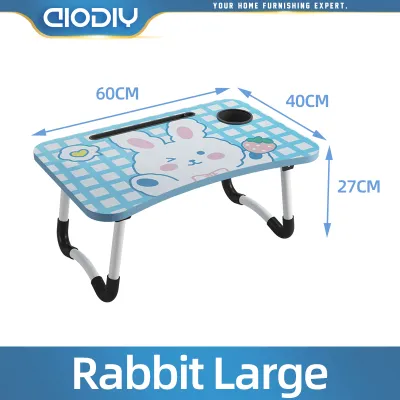
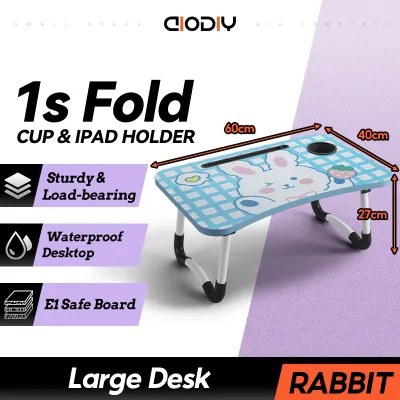
Lap desks and low-profile foldable floor tables are excellent solutions for students who do not have space for a traditional chair or prefer a more relaxed study posture. These compact tables typically feature short, foldable legs that raise the work surface just enough to clear your lap. To maximize utility, look for models that offer adjustable tilt angles, which allow you to position your tablet or book at an ergonomic viewing angle, reducing neck strain during long reading sessions. Built-in slots for tablets, cup holders, and small storage drawers for pens are also highly convenient additions.
However, these low-profile tables have distinct limitations that you must consider. They generally have a much lower weight capacity than full-sized desks, making them unsuitable for heavy textbooks or large monitors. Additionally, studying on a bed or floor for extended periods can lead to poor posture and back discomfort if you do not take regular breaks. The lack of back support means these tables are best suited for shorter study sessions, casual reading, or quick typing tasks.
When browsing online marketplaces for a bed or floor table, perform a few quick verification checks. Measure the leg clearance width to ensure the table will fit comfortably over your thighs without pinching. Check the underside of the tabletop to ensure there is no exposed, rough wood that could snag your blankets or bedsheets. Additionally, if you plan to use a laptop, look for designs with built-in cooling fans or ventilation slots, as soft bedding can block your computer’s vents and cause it to overheat.
For Small Shared Rooms and Dorms
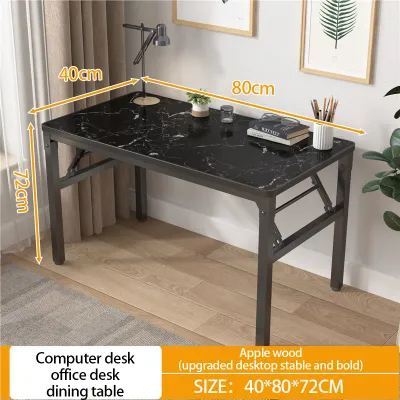
If you live in a shared dorm room or a compact apartment, a standard-height foldable leg table offers the functionality of a traditional desk without permanently occupying precious floor space. These tables typically stand around 70 to 75 centimeters tall, allowing you to pair them with a standard study chair for proper ergonomic alignment. Look for models with a clean, rectangular design and a steel frame that can support the weight of a laptop, a secondary monitor, and several heavy reference books simultaneously. The folding mechanism should allow the legs to fold completely flat against the underside of the tabletop.
The primary trade-off with standard-height foldable tables is their weight and portability. Because they use thicker steel tubing and larger tabletops to ensure stability, they are significantly heavier than lap desks and cannot be easily carried around outside your home. They also require a separate chair, which means you must plan for where to store both the table and the chair when they are not in use.
Before purchasing, verify the folded thickness of the table by checking the product specifications or asking the seller. A folded thickness of 5 centimeters or less is ideal, as it allows you to slide the table under a bed, behind a wardrobe, or flat against a wall. Ensure the leg locking mechanism is robust; the legs should click firmly into place when fully extended, and there should be a safety latch to prevent the frame from folding unexpectedly if the table is bumped.
For Frequent Movers and Commuters
Students who change boarding houses frequently, commute between home and campus, or like to study in different locations need an ultra-portable folding table. These tables are designed with lightweight materials such as aluminum, high-density plastics, or thin bamboo. Many models feature integrated carrying handles, shoulder straps, or even a split-fold design where the tabletop folds in half like a suitcase, making them incredibly easy to transport on public transit or pack into a car trunk.
While ultra-portable tables excel in convenience, they often sacrifice some stability and workspace area. To keep the weight low, manufacturers use thinner frame tubes and smaller tabletop dimensions, which can result in a slight wobble when typing vigorously. These tables are also more sensitive to uneven ground, so using them on a soft rug or an outdoor lawn might require extra care to keep your items from sliding off.
To ensure an ultra-portable table meets your needs, check the total assembled weight in the product description; it should ideally be under 3 to 4 kilograms for easy carrying. Look closely at the center hinge if the tabletop folds in half, as this joint is a common point of failure. The hinge must be made of thick metal and secured with multiple rivets. Finally, verify that the surface material is scratch-resistant and easy to wipe clean, as frequent transit increases the likelihood of minor bumps and spills.
Pre-Purchase and Delivery Checklist
Once you have selected a foldable study table and it arrives at your doorstep, conducting a thorough inspection before confirming the receipt on your e-commerce app is vital. Start with a visual and tactile inspection of the entire product. Run your hand along the edges of the tabletop to check for sharp plastic corners, peeling edge bands, or exposed adhesive. Inspect the metal frame for any signs of rust, chipped paint, or bent tubes that might have occurred during transit. Ensure all hinges, screws, and locking pins are present, tightly fastened, and aligned correctly.
Next, perform a stability test on the actual floor surface where you plan to use the table. Place the table on the floor, extend the legs fully, and ensure all locking mechanisms are engaged. Gently push the table from side to side and front to back to check for excessive wobbling. If the table rocks unevenly, check if the foot pads are adjustable or if one of the legs is slightly bent. Gradually place a few books on the surface to see how the frame handles weight distribution, paying close attention to any creaking sounds or flexing in the center of the tabletop.
Finally, understand the seller’s return and refund policies before you finalize your purchase. On major online marketplaces, you usually have a limited window to raise a return request if the product arrives damaged or does not match the description. Keep the original packaging, box, and bubble wrap intact until you are completely satisfied with the table’s quality. If you notice any structural defects, take clear photos and videos immediately to support your claim with the seller, ensuring a smooth return or replacement process.
Frequently Asked Questions (FAQ)
How can I prevent a foldable table from scratching my floor or bed frame?
To protect your flooring or bed frame from scratches, start by inspecting the bottom of the table’s legs. Most quality foldable tables come with factory-installed rubber, silicone, or plastic caps. If these caps are made of hard, rough plastic, or if they are missing entirely, you can easily upgrade them by purchasing aftermarket adhesive felt pads or silicone leg caps online. These soft covers slide over the metal tips, providing a cushioned barrier that glides smoothly across delicate surfaces. For extra protection on polished wood floors or delicate tiles, consider placing a small, low-pile rug, a desk mat, or a thick cloth directly under the table legs to absorb friction and prevent scuff marks.
Is it safe to place a heavy desktop computer on a foldable study table?
Placing a heavy desktop computer on a foldable study table is generally not recommended unless the table is specifically rated for high weight capacities. You should always locate the manufacturer’s maximum load specification, which is typically found on the product listing, user manual, or packaging label. Standard foldable tables, especially those with thin MDF tops or single-jointed legs, are designed primarily for lightweight laptops and notebooks; they can easily buckle or sag under the concentrated weight of a heavy monitor and desktop tower. Exceeding the weight limit increases the risk of structural failure or tipping. For permanent, heavy desktop setups, a dedicated, non-folding wooden or metal desk is a much safer and more stable choice.

Community discussion
Share your experience or ask a question. Comments are reviewed before publication.