
Finding a dining table that comfortably seats 6 to 10 people while fitting into a compact home or condo in the Philippines requires balancing extended capacity with everyday spatial efficiency. Since large gathering tables can overwhelm small floor plans when not in use, folding or extendable designs offer a practical solution. This guide helps you evaluate space requirements, structural mechanisms, and stability features to select a reliable folding dining table that meets your household’s needs without compromising safety or ease of use.
In many Philippine urban centers, modern living spaces like condominiums and townhouses prioritize compact, multi-functional layouts. A traditional ten-seater dining table is often impractical for daily life, taking up valuable floor space that could otherwise be used for movement, play, or work. However, Filipino culture highly values hospitality, family gatherings, and shared meals, especially during holidays, birthdays, and Sunday reunions. A folding dining table bridges this gap, allowing you to maintain an open, airy living area during the week and expand your dining setup when guests arrive.
Choosing the right folding table involves more than simply picking an attractive design. Because these tables rely on moving parts, hinges, and adjustable supports, they require careful evaluation of their mechanical integrity and structural stability. A table that feels sturdy when collapsed might wobble, sag, or tip when fully extended to its maximum length. By understanding how to measure your space, compare extension mechanisms, and verify weight capacities, you can make an informed investment that serves your home safely for years to come.
Products mentioned in this guide
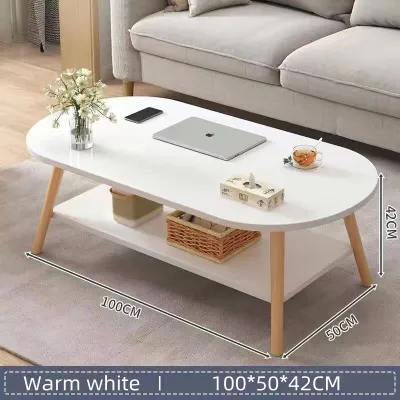
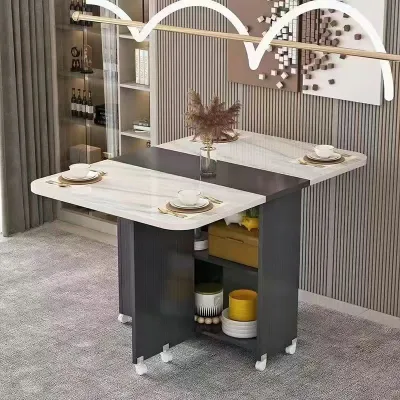
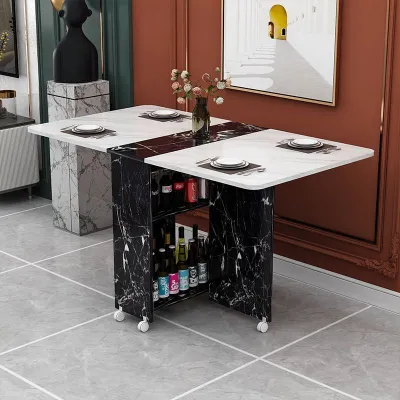
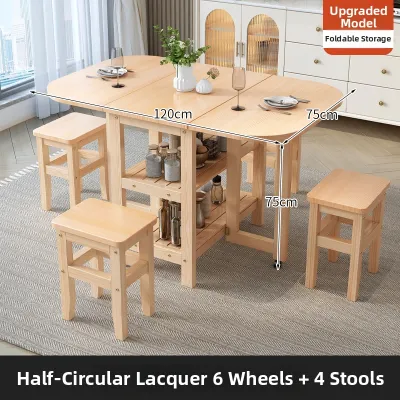
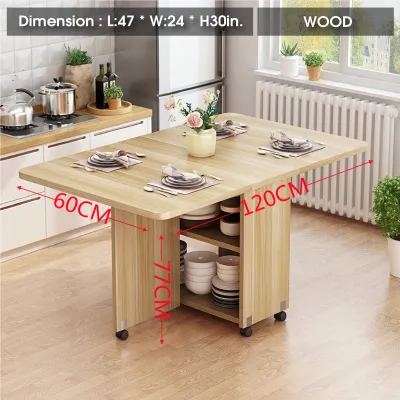
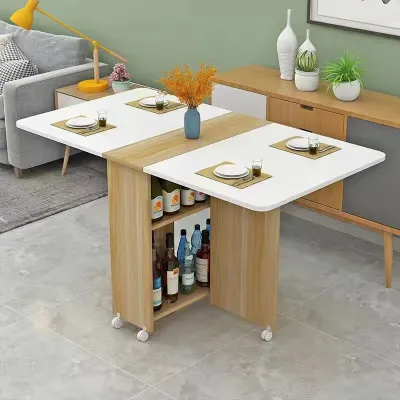
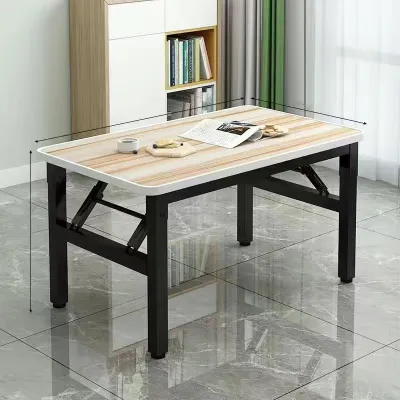
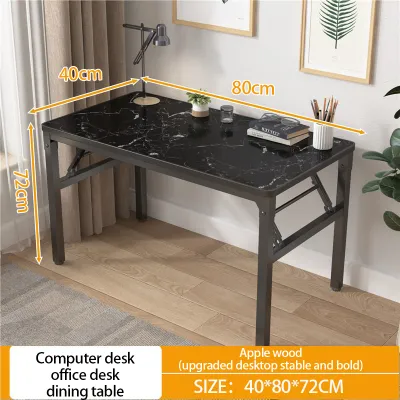
Prices are valid at publication and may change. Please refer to the product page for the latest price.
Measuring Your Space for a 6-10 Seater Folding Table
Before browsing online marketplaces or visiting local furniture showrooms, you must establish the absolute physical limits of your dining area. This process requires measuring your space in two distinct states: its daily collapsed form and its fully extended hosting configuration. Start by measuring the floor area where the table will permanently sit. For daily use, a collapsed table seating two to four people should leave ample room for comfortable traffic flow through the kitchen or living room.
Next, simulate the fully extended state of the table. A table designed to seat six to ten people requires a significant amount of open floor space. As a general rule of thumb, each seated guest requires approximately 60 to 70 centimeters of tabletop width to dine comfortably without bumping elbows. This means a table fully extended to seat ten people will typically measure between 240 and 300 centimeters in length. Mark these dimensions on your floor using masking tape or newspapers to visualize how much space the expanded table will occupy.
In addition to the table’s physical footprint, you must calculate the clearance required for chairs and movement. Standard dining chairs require at least 90 centimeters of clear space behind them to allow guests to pull the chairs out, sit down, and rise comfortably. If your dining area is situated in a high-traffic corridor or adjacent to a kitchen island, you may need to increase this clearance to 100 or 120 centimeters to allow others to walk behind seated guests. Failing to account for this clearance can result in a cramped, uncomfortable dining experience where guests feel trapped.
Finally, do not overlook the logistical path from the delivery vehicle to your dining room. Many compact homes and high-rise condominiums in the Philippines feature narrow hallways, tight door frames, low ceilings, and small passenger elevators. Measure the height, width, and diagonal clearance of every entryway, stairwell, and elevator door through which the packaged table must pass. If the table is delivered fully assembled or in large, heavy flat packs, ensuring it can physically enter your home is just as critical as ensuring it fits your dining room.
Comparing Folding Mechanisms for Daily or Occasional Use
The mechanism that allows your dining table to expand determines how easy it is to operate, how often you will realistically use it, and how much storage space it requires. The most common designs available in the market include drop-leaf (or gateleg) tables, butterfly-leaf tables, and slide-out extension tables. Each mechanism offers distinct advantages and trade-offs depending on whether you plan to extend the table daily or only for special occasions.

Drop-leaf and gateleg tables are highly popular for small spaces because of their extreme versatility. In these designs, the table sides (leaves) hang vertically when collapsed and are raised horizontally to extend the surface. Gateleg models use hinged legs that swing out from under the center frame to support the raised leaves. This mechanism is incredibly space-efficient, often collapsing down to a width of just 20 to 30 centimeters, allowing it to function as a console table against a wall when not in use. However, the swinging legs can sometimes restrict legroom for guests sitting near the supports.
Butterfly-leaf tables feature an extension panel stored directly beneath the main tabletop. To extend the table, you slide the two halves of the tabletop apart, pull the folded leaf upward, and unfold it like butterfly wings to fill the center gap. This design is highly convenient because the extension leaves are self-stored, eliminating the need to find closet space for extra table parts. The sliding tracks and pivoting hinges must be constructed of high-quality materials to ensure smooth operation without binding, sticking, or requiring excessive physical force to open.
Slide-out or pull-out tables utilize telescoping metal or wooden runners to extend the frame, allowing you to insert separate leaf panels into the center. While this mechanism often provides a highly stable and seamless surface, you must have a dedicated, dry storage area in your home to keep the extra leaves safe from warping when they are not in use. When evaluating any of these mechanisms, pay close attention to the alignment of the tabletop seams. When fully extended, the surface should be perfectly flat and flush; any noticeable height difference at the seams can cause plates, glasses, and serving dishes to wobble or tip.
Verifying Stability and Weight Capacity When Fully Extended
A folding dining table must be structurally sound enough to support heavy serving platters, dinnerware, and the occasional leaning guest when fully extended. Because extendable tables have a wider span and more joints than standard fixed tables, they are naturally more susceptible to sagging and wobbling. Rather than assuming a table is durable based solely on material descriptions like “solid wood” or “heavy-duty steel,” you should actively verify the manufacturer’s specified weight capacity and structural design.
The configuration of the table’s base and legs plays a critical role in its overall stability. Center pedestal designs offer excellent legroom because there are no corner legs to obstruct chairs, but they require a very heavy, wide base to prevent the table from tipping when weight is applied to the extended ends. Conversely, tables with legs positioned at the outer corners provide superior stability and weight distribution, but they can limit where guests can sit comfortably. For gateleg and drop-leaf tables, ensure the supporting legs lock securely into their open positions to prevent accidental collapse if a guest bumps them.
In the tropical climate of the Philippines, high humidity levels can affect the structural integrity of furniture materials over time. Wood can swell or warp, while metal components can corrode if not properly treated. When selecting a table, inspect the quality of the joints, brackets, and fasteners. Look for robust metal hardware rather than plastic connectors, which can become brittle and crack over time. Additionally, check that the tabletop surface treatment is moisture-resistant and easy to clean, as cold drinks will inevitably sweat in warm weather, potentially causing water rings or delamination on poorly sealed surfaces.
Safety in tight spaces also extends to the physical design of the table’s edges and corners. In a compact home where family members frequently walk close to the furniture, sharp, square corners present a constant hazard for painful bumps and bruises. Opting for tables with rounded corners, chamfered edges, or bullnose profiles can significantly reduce the risk of injury. This is especially important when the table is fully extended, as it will occupy a larger portion of your living space, forcing household members to navigate tighter pathways around it.
Navigating Delivery, Assembly, and Warranty Conditions
Purchasing a large, multi-functional piece of furniture involves several logistical considerations that can impact your overall satisfaction and budget. Whether you are buying from a local retail store or an online marketplace, it is essential to clarify the delivery terms before finalizing your purchase. Bulky items like dining tables often incur specialized shipping fees, and some delivery services may only drop the packages at the building’s ground floor or lobby.
If you live in a multi-story home or a high-rise condominium without a service elevator, confirm whether the delivery service includes carrying the heavy boxes upstairs. Some retailers charge additional upstairs service fees in ₱, which should be factored into your total budget. Additionally, clarify whether the table arrives fully assembled, partially assembled, or completely flat-packed. Flat-packed furniture requires a commitment of time, patience, and basic tools to assemble correctly.
For complex folding or extendable tables, professional assembly is highly recommended. Misaligning a single hinge or sliding track during a DIY setup can cause the mechanism to bind, warp, or fail prematurely. Many furniture brands offer professional assembly services for a nominal fee in ₱, which can provide peace of mind and ensure the table operates exactly as intended. If you choose to assemble the table yourself, carefully follow the manufacturer’s step-by-step instructions and avoid over-tightening screws, which can strip the pre-drilled holes in wooden or composite panels.
Finally, thoroughly review the manufacturer’s warranty and return policies. Because folding tables rely on moving parts, they are more vulnerable to mechanical wear than static furniture. A reliable warranty should specifically cover the moving joints, hinges, sliding tracks, and structural frame for a reasonable period. Inspect all components immediately upon delivery for any signs of transit damage, such as cracked wood, bent metal tracks, or missing hardware, and contact the seller immediately if you detect any defects before beginning the assembly process.
Frequently Asked Questions (FAQ)
Can a folding table safely seat 10 people without tipping?
Yes, a folding table can safely seat ten people, provided it is designed and rated for that capacity by the manufacturer. To ensure safety, you must strictly adhere to the manufacturer’s specified maximum weight limit and seating guidelines. The stability of an extended table depends heavily on its leg span and base configuration; tables with legs that extend to the outer corners or those with wide, weighted trestle bases offer the best resistance against tipping. When hosting a large group, distribute heavy serving dishes evenly across the center of the table rather than concentrating weight on the extended outer leaves, and instruct guests to avoid leaning heavily on the table’s edges.
How do I maintain the folding joints and hinges?
Maintaining the mechanical parts of your folding table is essential for ensuring smooth operation and a long lifespan. Regularly clean the sliding tracks, hinges, and pivoting joints using a soft, dry cloth or a small brush to remove dust, crumbs, and debris that can accumulate and cause friction. In humid tropical environments, metal components may benefit from a light application of a silicone-based lubricant to prevent rust, but always consult the manufacturer’s care instructions first to avoid damaging the finish. If you ever experience resistance, grinding noises, or visible misalignment when opening or closing the table, stop using the mechanism immediately and inspect the hardware for loose screws or bent parts; forcing a stuck mechanism can cause permanent structural damage.

Community discussion
Share your experience or ask a question. Comments are reviewed before publication.