
Hosting a large family gathering in the Philippines often centers around a shared meal, where food, laughter, and conversation flow freely. When your guest list grows to include six, eight, or even ten diners, a standard dining table may not offer enough space. A high-quality folding portable table provides a practical, temporary solution that can be set up quickly for special occasions and stored away when not in use. However, finding a table that can comfortably accommodate a large group requires careful consideration of dimensions, structural stability, and material durability.
To ensure your family dining experience is comfortable and safe, you must look beyond basic marketing claims. A table that is too narrow will leave guests feeling cramped, while a weak frame can lead to disastrous spills during a heavy feast. By understanding the specific spatial requirements and structural features of large folding tables, you can make an informed decision that fits your home, your budget, and your hosting style.
Sizing and Shape Requirements for 6 to 10 Seats
To seat six to ten people comfortably, you must first calculate the physical space each diner requires. As a general rule, a single diner needs a personal zone measuring approximately 24 to 30 inches in width and 12 to 15 inches in depth. This space allows guests to eat without bumping elbows and provides enough room for plates, utensils, and glassware. When you multiply these dimensions for a larger group, a table seating six people requires a minimum length of 72 inches (6 feet), while a group of ten will need a table measuring at least 96 to 120 inches (8 to 10 feet) in length, depending on whether guests are seated at the ends.
Products mentioned in this guide
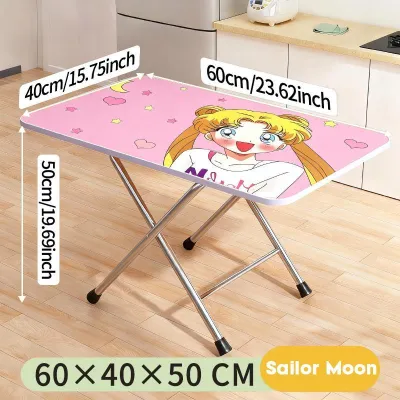
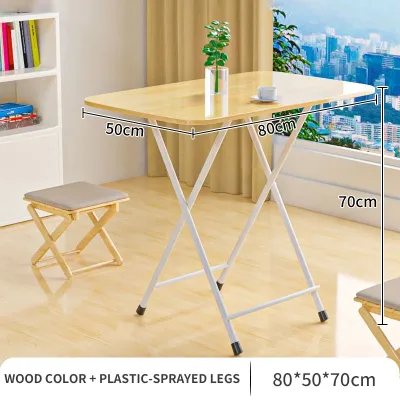
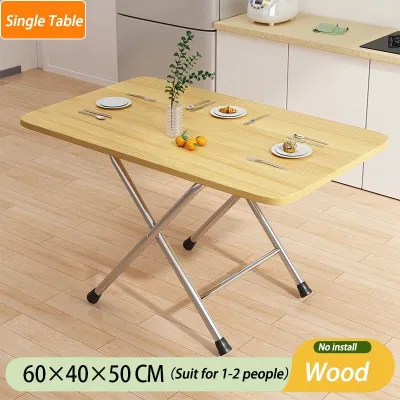
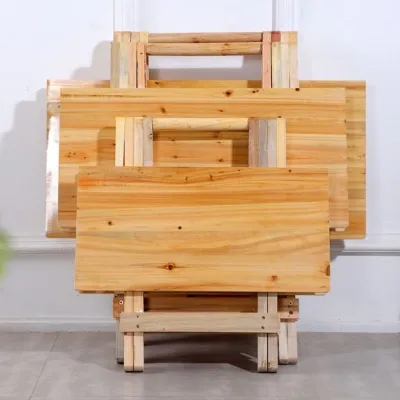

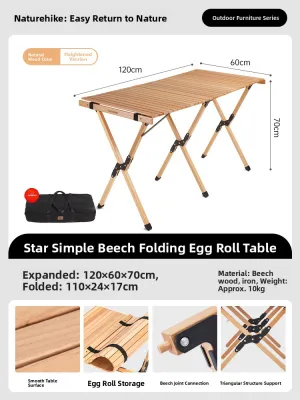
Prices are valid at publication and may change. Please refer to the product page for the latest price.
The shape of the folding portable table significantly influences seating efficiency, legroom, and the overall flow of conversation. Rectangular tables are the most common and efficient choice for large groups, as they can be easily pushed against walls or joined together to extend the dining area. However, guests seated at the far ends of a long rectangular table may find it difficult to converse with those on the opposite side. Round and oval tables offer a more social atmosphere, allowing everyone to face each other, but they require a much larger footprint in your room. A round table seating eight to ten people typically needs a diameter of 60 to 72 inches, which can quickly overwhelm a standard dining room or patio.
Before purchasing any large folding table, it is essential to measure your available dining area to ensure adequate clearance. You should maintain a clearance space of at least 30 to 36 inches between the edge of the table and any surrounding walls, furniture, or pathways. This clearance allows guests to pull out their chairs, sit down comfortably, and move around the table without disrupting others. In smaller homes or tight outdoor spaces, opting for a slightly narrower rectangular table or arranging the seating layout carefully can help maximize the available space while keeping walkways clear.
Evaluating Stability and Weight Capacity for Heavy Meals
A dining table loaded with heavy serving platters, clay pots, and drinks requires exceptional structural stability to prevent wobbling or bowing. When evaluating a folding portable table, the design of the legs and frame is the most critical factor in determining how well it distributes weight across a long span. Perimeter legs, which are positioned at the outer corners of the table, offer excellent stability and maximize legroom for guests seated along the sides. However, tables with cross-braced legs or center pedestal designs can also provide strong support, provided the bracing is constructed from heavy-duty materials like powder-coated steel.

To ensure safety during lively family meals, always consult the manufacturer’s official specifications for maximum load limits. Do not rely solely on the visual thickness of the tabletop or generic material descriptions, as these can be misleading. A high-quality folding table should clearly state its static weight capacity, which is the maximum weight the table can support when the load is evenly distributed. For a dining setup accommodating up to ten people, look for tables with a verified weight capacity that can easily support the combined weight of heavy ceramic dishes, large beverage dispensers, and the occasional lean of a guest.
Safety mechanisms are equally important for preventing accidental collapses. Inspect the table’s locking mechanisms, safety latches, and joint reinforcements. High-quality models often feature gravity locks or sliding rings that automatically secure the legs in place when the table is unfolded. Additionally, center-folding tables—which fold in half for easier storage—must have a robust center lock or slide bolt to keep the tabletop completely flat and rigid when fully extended. Regularly checking these joints for wear, loose screws, or rust is essential for maintaining long-term stability.
Choosing the Right Tabletop Material for Dining
The tabletop material you choose must be durable enough to withstand the daily wear and tear of family dining, including hot dishes, accidental spills, and frequent cleaning. In the tropical climate of the Philippines, where high humidity and warm temperatures are common, selecting a moisture-resistant material is particularly important. High-density polyethylene (HDPE) is a popular choice for folding tables because it is lightweight, highly resistant to moisture, and easy to wipe clean. However, plastic surfaces can be sensitive to extreme heat, so you should always check the manufacturer’s guidelines regarding heat resistance and use trivets or hot pads under warm serving dishes.
If you prefer a more traditional look, sealed wood or high-pressure laminate (HPL) tabletops offer a premium aesthetic that mimics permanent dining furniture. Laminate surfaces are highly resistant to scratches and stains, making them excellent for busy households. However, their durability depends heavily on the quality of the edge banding. Moisture can easily seep into the seams of poorly sealed laminate tables, causing the underlying wood composite to swell and warp over time. Ensure the table features seamless edge banding or impact-resistant corners to prevent chipping and moisture ingress.
Maintenance requirements vary significantly between materials. While plastic tables can be scrubbed with mild soap and water, wooden surfaces may require specialized cleaners or periodic resealing to maintain their protective finish. When browsing options, review the manufacturer’s care instructions to ensure the cleaning process aligns with your lifestyle. Additionally, look for rounded corner designs, which not only protect the table from chipping during transport but also reduce the risk of painful bumps for young children running around the dining area.
Assessing Portability, Storage, and Setup Ease
A large folding table is only useful if you can easily move, set up, and store it without excessive physical strain. Before making a purchase, carefully review the folded dimensions of the table to ensure it will fit into your designated storage spaces. Measure your closets, garage shelves, or the space under your bed to confirm there is enough clearance. Center-folding tables are highly advantageous for tight storage spaces, as they fold down to half their extended length, making them much easier to fit into car trunks or small storage cupboards.
The overall weight of the table is another critical factor, especially if you plan to set it up by yourself. While a heavier frame often indicates sturdiness, it can make transport difficult. Look for tables that strike a balance between structural strength and manageable weight, typically utilizing lightweight materials like aluminum or hollow-core plastic. Built-in carrying handles, molded grips, or integrated wheels are invaluable features that allow a single person to transport the folded table safely without straining their back or shoulders.
Finally, analyze the complexity of the unfolding mechanism. The setup process should be smooth and intuitive, requiring minimal force to lock the legs into place. Avoid tables with overly complex latching systems that can pinch fingers or require specialized tools to assemble. A user-friendly folding table should allow you to transition from storage to a fully set-up dining space in just a few simple steps, ensuring that preparing for your family gathering is as stress-free as possible.
Checklist for Verifying Folding Tables on E-commerce Platforms
Shopping for furniture on online marketplaces requires a systematic approach to ensure the product you receive matches your expectations. Since you cannot physically inspect the table before buying, you must rely on careful verification of the product listing. Start by cross-referencing the stated dimensions in the product description with user-uploaded photos in the review section. This step helps you verify the actual usable surface area and observe how the legs are positioned relative to the edge, which can affect how many chairs can fit comfortably underneath.
Customer reviews are a goldmine of real-world performance data. Filter the reviews using keywords like “wobble,” “sag,” “bend,” or “unstable” to identify potential structural issues. Pay close attention to feedback from users who have loaded the table with heavy items or used it for large family gatherings. If multiple reviews mention that the tabletop bows in the middle or that the legs feel flimsy under load, it is best to continue your search for a sturdier option.
Before finalizing your purchase, carefully review the seller’s return policies and warranty terms. Shipping oversized items like large folding tables can incur significant delivery fees in ₱, and returning a defective product can be costly if the seller does not cover return shipping. Confirm that the product is protected by a warranty against structural defects, and check the estimated delivery times to ensure the table arrives well in advance of your planned family gathering.
Frequently Asked Questions (FAQ)
Can I use a folding portable table outdoors for family dining?
Yes, many folding tables are suitable for outdoor use, but you must verify the manufacturer’s specifications first. Look for tables with UV-resistant tabletops to prevent yellowing or cracking under the sun, and powder-coated steel frames to resist rust in humid conditions. Additionally, ensure the table feet are designed to grip uneven surfaces like grass, gravel, or patio tiles safely. If high winds are expected, avoid lightweight plastic models unless they can be securely anchored or weighted down.
How do I prevent a long folding table from sagging in the middle?
To prevent sagging, choose a table that features a built-in center support beam or a heavy-duty steel frame running along the entire underside of the tabletop. When setting up your meal, distribute the weight of heavy serving dishes, beverage dispensers, and clay pots evenly across the surface rather than concentrating them in the center. Regularly inspect the center hinge and locking pins of fold-in-half models to ensure they are fully engaged and undamaged before placing any weight on the table.

Community discussion
Share your experience or ask a question. Comments are reviewed before publication.