
Finding the perfect outdoor retreat at home often leads to the classic comfort of a hammock. In the Philippines, where tropical warmth is accompanied by persistent mosquitoes and sudden rain showers, selecting a hammock requires more than just picking a color. A hammock with a mosquito net offers the ideal solution, allowing you to enjoy the outdoor breeze without the discomfort of insect bites. To make the right choice, you must evaluate your available space, select appropriate materials for the climate, and ensure your suspension system is entirely secure.
Assessing Your Space: Balcony vs. Garden Requirements
Before purchasing, measure the physical dimensions of your intended installation area. For a balcony, measure the total length from wall to wall, as well as the width and height clearance. Hammocks require a specific amount of horizontal space to hang at a comfortable angle, and failing to account for this can leave you with a hammock that is either too taut or sagging excessively.
Swaying clearance is another critical safety factor, especially in confined balcony spaces. You must ensure there is sufficient empty space on either side of the hammock so that natural movement does not cause you to collide with concrete walls, metal railings, or glass doors. Keep a clear path around the setup to prevent blocking essential walkways or emergency exits.
Products mentioned in this guide
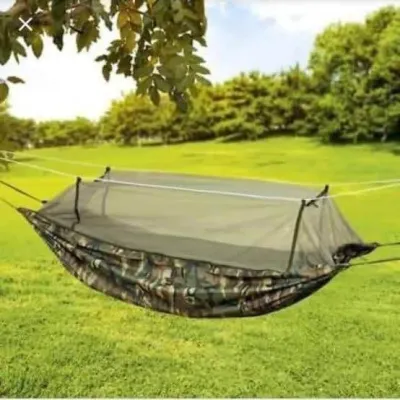
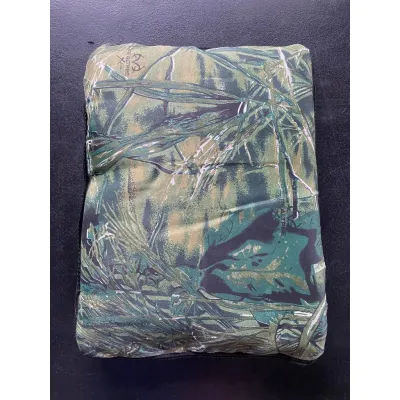
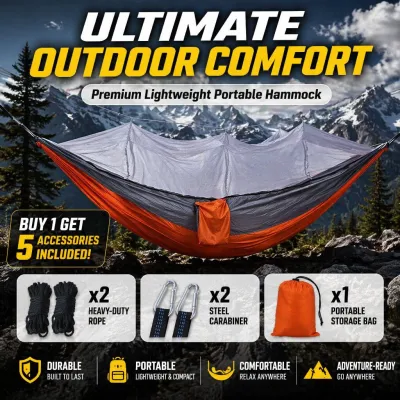
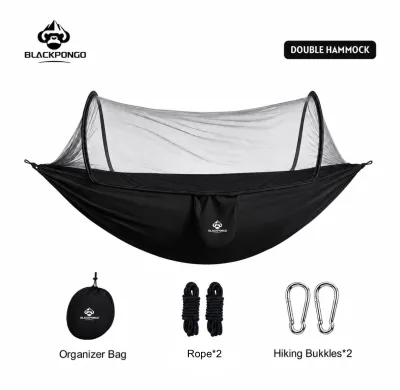
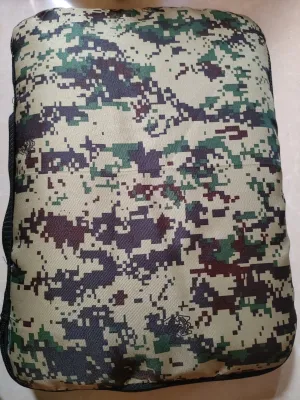
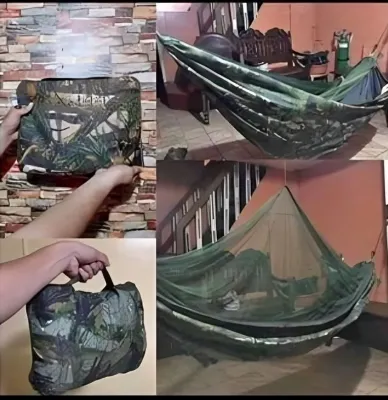
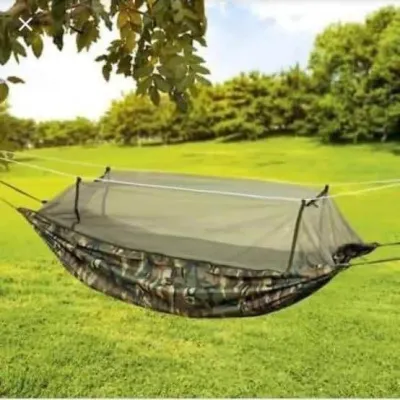
Prices are valid at publication and may change. Please refer to the product page for the latest price.
Balcony structures also present unique load-bearing limitations. Railings are designed to prevent falls, not to withstand the lateral pulling forces exerted by a suspended hammock. Drilling into structural concrete pillars or overhead beams often requires formal approval from your building administration, as unauthorized modifications can compromise structural integrity.
A garden setting offers significantly more spatial flexibility but introduces different structural considerations. If you plan to hang your hammock between trees, you must inspect the health and maturity of the trunks. Young or shallow-rooted trees can bend or uproot under weight, so look for thick, established trees with deep root systems.
If your balcony lacks approved structural anchor points or your garden lacks suitable trees, a freestanding hammock stand is the most practical solution. These frames eliminate the need for drilling or tree inspection entirely. When choosing a stand, verify that its footprint fits comfortably within your designated area and that it can be easily disassembled or moved during severe weather.
Choosing the Right Mosquito Net and Fabric
In the warm and humid Philippine climate, balancing insect protection with adequate airflow is essential for comfort. Look for hammocks featuring ultra-fine mesh netting, often specified on product labels as “no-see-um” mesh. This dense weave prevents even the smallest biting insects from entering while still allowing cooling evening breezes to circulate freely.

The entry mechanism of the mosquito net significantly affects both convenience and protection. Zippered enclosures are highly recommended because they create a complete, unbroken seal around the hammock body. Double-sided zippers are particularly useful, as they allow you to open and close the netting easily whether you are standing outside or lying inside.
Fabric selection is equally critical when dealing with tropical humidity and intense sunlight. Check the manufacturer’s specifications for lightweight, breathable synthetic fabrics such as high-density nylon or polyester. These materials do not retain moisture, allowing them to dry rapidly after a sudden downpour and reducing the risk of mold accumulation.
Avoid heavy, tightly woven cotton fabrics for uncovered outdoor spaces. While cotton is soft, it absorbs moisture easily and dries slowly in humid conditions, which can lead to musty odors and fabric rot. Synthetic fabrics also tend to offer better resistance to UV degradation, ensuring the material remains strong over years of sun exposure.
Consider whether an integrated or detachable mosquito net best suits your lifestyle. Integrated nets are sewn directly to the hammock body, offering maximum protection and a streamlined setup. Detachable nets, which use zippers or clips to attach, allow you to remove the netting entirely on clear, insect-free days, giving you a traditional open hammock experience.
Suspension Systems and Hardware Safety
A hammock is only as safe as the hardware and suspension lines holding it up. When hanging a hammock in a garden, always use wide, heavy-duty tree-saver straps rather than thin ropes or chains. These straps distribute weight across a broader surface area, protecting the tree’s bark from friction damage and preventing the suspension from slipping.
For concrete balcony installations, standard wall plugs and screws are entirely inadequate. You must use heavy-duty expansion bolts and steel anchor plates designed specifically for overhead or structural loads. Ensure these anchors are drilled deep into solid concrete, avoiding plaster, brick, or decorative finishes that cannot support dynamic weight.
Always check the manufacturer’s rated weight capacity for every individual component of your suspension system. This includes the hammock fabric, the straps, the carabiners, and any extension chains. Keep in mind that sitting down, rising, or swaying creates dynamic forces that can temporarily exceed the weight applied to the anchor points.
Before completing your installation, perform a thorough visual inspection of all structural elements. If you notice hairline cracks in your balcony concrete, signs of rot or pest infestation in your garden trees, or bending in a metal stand, do not proceed.
If you are uncertain about the load-bearing capacity of your balcony ceiling or walls, stop and consult a qualified structural engineer or professional contractor. It is always better to seek professional guidance than to risk structural failure and potential injury.
Maintenance and Weather Protection
To protect your investment from the harsh tropical elements, regular maintenance and proper storage are essential. Even UV-resistant fabrics will eventually degrade, fade, and weaken if left exposed to intense sunlight and heavy rain day after day. Developing a habit of taking your hammock down and storing it indoors when not in use will significantly extend its lifespan.
When cleaning is required, always refer to the manufacturer’s care label for specific instructions. Most synthetic hammocks can be hand-washed in cool water using a mild, non-abrasive detergent. Avoid using harsh bleach or fabric softeners, which can strip away water-resistant coatings and weaken the synthetic fibers.
Pay extra attention to the delicate mosquito netting during the cleaning process. Hand-washing is the safest method to prevent the fine mesh from snagging, tearing, or stretching out of shape. Never put a mosquito net hammock into a standard tumble dryer; instead, hang it to air dry completely in a shaded, well-ventilated area.
Ensure the hammock, netting, and suspension straps are entirely dry before packing them into a storage bag. Storing damp gear in a confined space promotes the rapid growth of mold and mildew, which can ruin the fabric and cause unpleasant odors.
Finally, establish a routine of inspecting your hardware and suspension lines before every single use. Look closely for signs of fraying or thinning on straps and ropes, and check metal carabiners, hooks, and chains for any signs of rust, cracks, or deformation. Replace any compromised hardware immediately to ensure continued safety.
Frequently Asked Questions (FAQ)
Can I hang a hammock on a standard apartment balcony ceiling?
Hanging a hammock from an apartment balcony ceiling requires careful verification of the ceiling’s structural composition. Many modern residential balconies feature false ceilings, plasterboard soffits, or decorative panels that cannot support any weight. You must verify that the underlying structure is solid, load-bearing concrete and obtain explicit permission from your building administration, as drilling into structural elements is often strictly regulated. If drilling is not permitted or the ceiling is unsuitable, a freestanding hammock stand is the safest, non-invasive alternative for renters.
How do I keep the mosquito net from touching my skin while sleeping?
To prevent the mosquito net from sagging and touching your skin—which allows insects to bite you through the mesh—choose a hammock design that incorporates spreader bars or internal flexible hoops to arch the netting upward. Alternatively, you can tie the net’s suspension lines to higher anchor points or use a tensioned ridgeline to pull the mesh taut above you. Ensuring the bottom edges of the net are properly zipped or securely anchored beneath the hammock body will also help maintain a spacious, protective barrier.

Community discussion
Share your experience or ask a question. Comments are reviewed before publication.