
Choosing the right hanging dresser for clothes requires balancing your closet’s physical dimensions with your daily storage habits. A well-selected hanging organizer maximizes vertical space, turning underutilized hanging areas into functional drawer compartments. To find the perfect fit, you must measure your closet’s height, width, and depth, evaluate the specific types of clothing you need to store, and verify that your closet rod can support the added weight.
In tropical climates like the Philippines, high humidity levels make proper wardrobe ventilation essential. Selecting an organizer that fits without crowding your clothes prevents musty odors and mold growth. By taking precise measurements and matching the organizer’s configuration to your wardrobe, you can create an efficient, clutter-free storage system that keeps your clothes fresh and accessible.
Measure Your Closet Space for a Hanging Dresser
Before purchasing a hanging dresser for clothes, you must take accurate measurements of your closet’s interior. Start by measuring the vertical drop from the top of the closet rod to the floor or the shelf directly below. This measurement determines the maximum height your organizer can be without bunching up at the bottom. Leave at least a few inches of clearance at the bottom to make sweeping and cleaning the closet floor easier.
Products mentioned in this guide
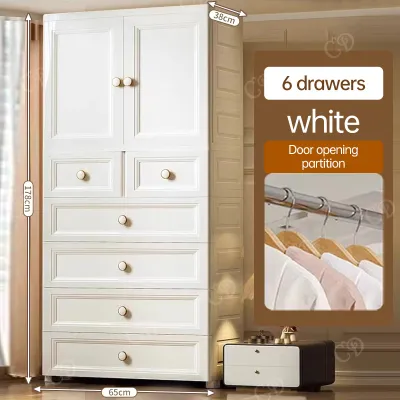
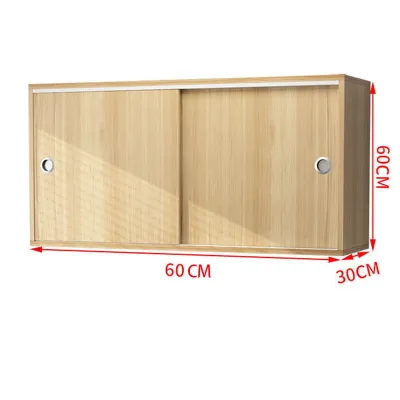
Prices are valid at publication and may change. Please refer to the product page for the latest price.
Next, measure the horizontal width available along your closet rod. You need to account for the space already occupied by your existing hanging garments, such as dresses, barongs, or jackets. A hanging organizer will compress adjacent clothes if the rod is too crowded, leading to deep wrinkles and restricted airflow. Ensure there is enough breathing room on either side of the unit so you can slide garments along the rod comfortably.
Finally, verify the depth of your closet from the back wall to the front door frame. Hanging dressers with pull-out drawers require sufficient clearance to extend fully. If your closet has sliding doors, a deep organizer might prevent the doors from closing or block the drawers from opening completely. Measure the depth of the organizer’s frame and add the length of the extended drawers to ensure they can be accessed without hitting any obstacles.
Assess Your Clothing Storage Needs
The types of clothing you wear daily dictate the ideal configuration of your hanging organizer. Begin by sorting your wardrobe into items that must be hung and those that can be folded. Foldable garments like t-shirts, activewear, underwear, and socks are perfect candidates for drawer storage. If you have a large collection of lightweight tropical wear, you will likely need more drawer compartments than someone who primarily hangs structured formal attire.

Next, estimate the volume and bulk of your foldable items to determine the necessary drawer depth. Small accessories, undergarments, and swimsuits fit best in shallow, divided drawers that prevent items from getting lost. Conversely, bulkier items like folded denim or bath towels require deeper, wider drawers. Choosing an organizer with a mix of drawer sizes allows you to allocate space efficiently without wasting vertical room.
You should also decide if you need open shelving in addition to enclosed drawers. Open shelves at the top or bottom of the unit are highly practical for storing frequently used items like bags, hats, or folded t-shirts. In humid environments, open shelves promote better air circulation around fabrics, reducing the risk of moisture buildup. Enclosed drawers, on the other hand, are excellent for keeping dust off delicate accessories and maintaining a neat appearance.
Match Hanging Dresser Configurations to Your Space
Hanging dressers come in various configurations, and selecting the right one depends on your closet’s layout and your storage goals. Narrow, multi-drawer units are excellent for compact closets or shared spaces where rod width is limited. These vertical columns maximize height while leaving plenty of horizontal rod space for hanging longer garments. They are ideal for organizing smaller daily essentials without taking over the entire wardrobe.
If you have a wider closet and need to store larger clothing items, a wider unit with fewer, deeper drawers is more suitable. These configurations distribute the weight across a broader section of the closet rod and provide the flat surface area needed for neatly stacked shirts or trousers. Some modern organizers offer modular designs, allowing you to add, remove, or reposition drawers and shelves as your seasonal storage needs change.
To help you decide, consider how different organizer heights fit into standard closet zones. A half-length organizer (typically three to four shelves) works beautifully in double-hang closets, leaving space underneath for a second rod or shoe racks. A full-length organizer (five or more shelves) is best suited for single-hang sections, utilizing the entire vertical drop down to the floor. Map your closet’s height zones to these configurations to ensure every inch of space is utilized effectively.
Verify Weight Capacity and Hanging Rod Safety
A critical but often overlooked factor is the structural safety of your closet setup. Before loading your hanging dresser for clothes, check the manufacturer’s specified weight limit for the unit’s hooks, straps, or mounting brackets. Fabric organizers reinforced with heavy-duty cardboard or plastic inserts can support a surprising amount of weight, but exceeding their limits will cause the shelves to sag and the seams to tear.
You must also evaluate the strength of your existing closet rod. Solid wood rods and thick-walled metal pipes securely anchored to wall studs can easily handle the dynamic load of a fully packed hanging organizer. However, thin metal rods, plastic rods, or adjustable tension rods may bend or pull away from the wall under heavy loads. Spending a few hundred pesos (₱) to upgrade to a sturdy, permanently fixed rod is a worthwhile investment to prevent a costly closet collapse.
Proper weight distribution is essential for maintaining the stability of the hanging unit. Always place your heaviest items, such as jeans, heavy cotton shirts, or bed linens, in the bottom drawers. Lighter items like underwear, socks, and accessories should go in the upper compartments. This bottom-heavy distribution keeps the organizer centered, prevents it from swaying when you pull drawers open, and reduces stress on the hanging attachments.
Common Sizing and Installation Mistakes
Many closet organization projects fall short due to simple planning oversights. One common mistake is forgetting to account for the physical height of the hanging hooks or hook-and-loop straps. These mounting mechanisms can take up three to six inches of vertical space below the closet rod. If you do not subtract this hanging clearance from your total vertical measurement, the bottom of your organizer may drag on the floor or sit unevenly.
Another frequent error is overloading fabric or lightweight plastic drawers with heavy, dense garments. Storing multiple pairs of heavy denim jeans or thick jackets in a fabric drawer can cause the drawer bottom to bow downward. This bowing makes it difficult to slide the drawer in and out and can eventually warp the entire frame of the organizer. Stick to lightweight clothing for fabric units, and reserve heavy items for sturdy floor shelves.
Finally, ignoring the clearance needed for adjacent hanging clothes can make your closet feel cramped and dysfunctional. If you squeeze a hanging organizer tightly between heavy coats or dresses, the sides of the unit will compress. This compression pinches the drawers, making them hard to open, and prevents air from circulating between your clothes. Always leave a few inches of buffer space on both sides of the organizer to ensure smooth operation and proper ventilation.
Frequently Asked Questions (FAQ)
Can I use a hanging dresser on a tension rod?
Using a hanging dresser on a tension rod is generally not recommended for long-term storage. Tension rods rely solely on friction against the closet walls to stay in place, making them highly susceptible to slipping when subjected to downward force. The pulling motion of opening and closing drawers adds dynamic weight that can easily cause a tension rod to collapse, potentially damaging your clothes and closet walls. If you must use a tension rod temporarily, limit the organizer to lightweight accessories and avoid filling the drawers completely. For a safe and stable setup, always mount your hanging organizer on a permanently fixed wooden or metal closet rod.
How do I clean and maintain a fabric hanging dresser?
To keep your fabric hanging dresser clean, establish a regular maintenance routine. Start by checking the manufacturer’s care label for specific cleaning instructions, as most fabric organizers cannot be machine washed. For general cleaning, empty all the drawers and use a soft brush or vacuum attachment to remove dust and lint from the shelves. Spot-clean stains using a damp cloth with mild detergent, taking care not to soak the fabric and weaken its internal supports. In humid regions like the Philippines, allow the empty organizer to air out completely in a well-ventilated room before putting your clothes back inside to prevent mold and mildew growth. If you notice severe frame warping, torn seams, or broken zippers, it is time to replace the unit to ensure your clothes remain securely stored.

Community discussion
Share your experience or ask a question. Comments are reviewed before publication.