
In the Philippines, the rainy season brings relentless downpours, sudden typhoons, and intense, lingering humidity that can quickly degrade outdoor furniture. A heavy duty foldable table is a versatile asset for backyard gatherings, outdoor dining, or home businesses, but its folding design is uniquely vulnerable to moisture. Choosing a table that can withstand these harsh tropical conditions requires looking beyond generic marketing terms. Instead of assuming a table is durable simply because it is labeled “heavy duty,” you must inspect the specific material grades, protective coatings, and construction details that prevent rust and structural failure.
Resisting rain and high humidity requires verifying specific surface treatments, hardware grades, and non-porous tabletop materials on the manufacturer’s label, rather than relying on generic material names. This guide helps you evaluate these specifications to ensure long-lasting performance and structural safety. When selecting a heavy duty foldable table, you must also prioritize its finished dimensions and weight. Ensure the table fits your available outdoor space and can be easily transported through doorways or lifts when you need to bring it indoors during a storm. Check the load capacity and stability of the table on uneven outdoor surfaces like grass or wet patios, and verify if the design allows for safe anchoring methods in windy conditions.
Identifying Moisture and Rust Vulnerabilities in Foldable Designs
Folding tables rely on moving parts, joints, and hollow structures to collapse into a portable form. These very design features create prime environments for water accumulation. During heavy downpours, water easily finds its way into the tiny gaps around hinges, locking pins, and slide rings. Once trapped inside these tight spaces, moisture evaporates very slowly, especially in high-humidity environments where the air is already saturated. This prolonged contact between water and metal is the primary catalyst for oxidation and rust.
Products mentioned in this guide
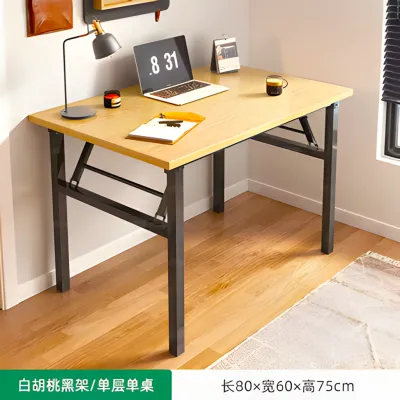
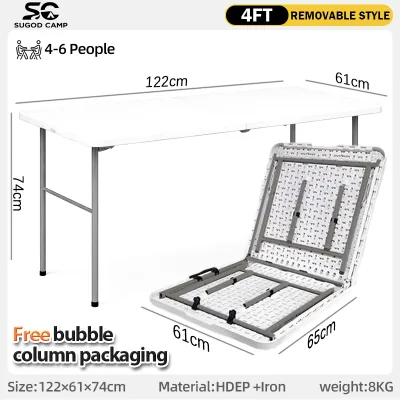
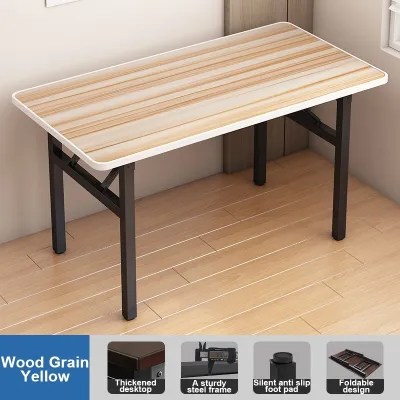
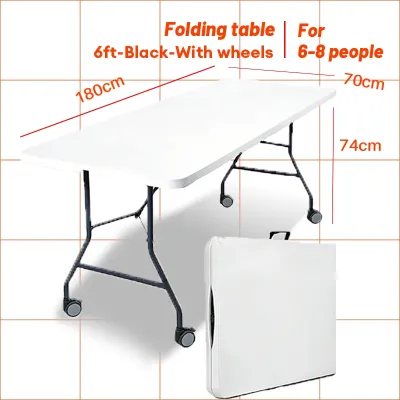
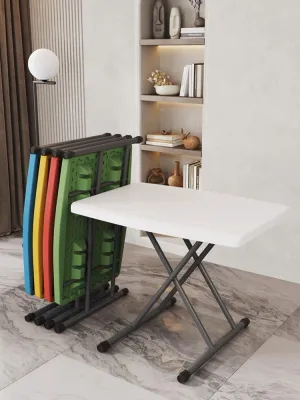
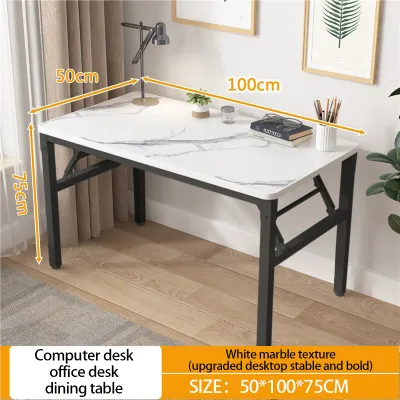
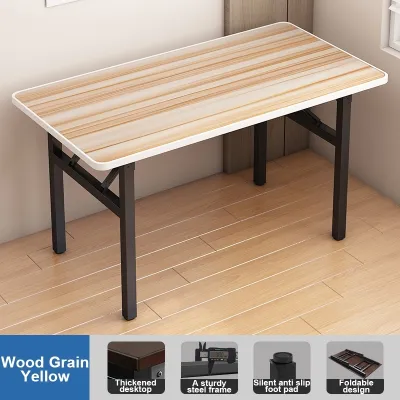
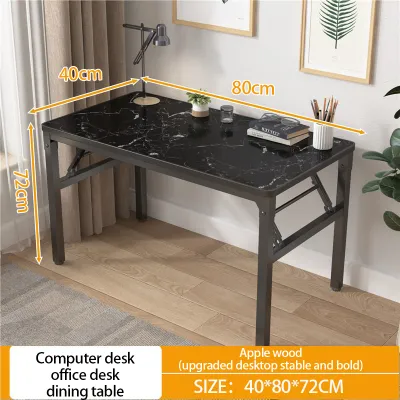
Prices are valid at publication and may change. Please refer to the product page for the latest price.
To maintain portability, frames often use hollow steel or aluminum tubing. If the open ends are not completely sealed or are capped with cheap plastic plugs that crack under the tropical sun, rainwater can seep inside. Internal rusting is particularly dangerous because it remains hidden from view until the structural integrity of the frame is severely compromised, potentially leading to a sudden collapse under a heavy load.
Furthermore, the edges of the tabletop itself are highly susceptible to moisture infiltration. Many heavy duty tables feature composite or wood-core tops with protective laminate or plastic edging. If the adhesive holding this edging in place softens due to heat and humidity, water can penetrate the core material. This leads to swelling, warping, and the growth of mold and mildew. Understanding the difference between occasional dampness and continuous high-humidity exposure is crucial, as the latter prevents the table from drying naturally, slowly breaking down adhesives and coatings.
Evaluating Frame Materials and Protective Finishes
When assessing the frame of a heavy duty foldable table, you must look closely at the specific metal alloys and surface treatments detailed on the product label. Do not assume that all metals are inherently rust-proof. For instance, if a frame is made of aluminum, verify whether it is anodized or powder-coated. Anodized aluminum features an electrochemically thickened oxide layer that provides excellent corrosion resistance in wet environments. If the frame is steel, look for specific grades; stainless steel grade 304 or higher offers superior resistance to rust compared to standard carbon steel.

For steel frames, a robust protective finish is absolutely essential to prevent rust. Powder coating is one of the most common and effective finishes used on outdoor furniture. This process applies a dry powder electrostatically, which is then heat-cured to create a hard, continuous barrier. When checking product specifications, look for terms like “thermosetting powder coat” and inspect the frame for a thick, even application. Alternatively, hot-dip galvanization, which coats the steel in a protective layer of zinc, offers outstanding defense against moisture. A galvanized steel frame is highly resilient, making it an excellent choice for wet climates.
Regardless of the finish type, you must carefully inspect the welded joints and seams of the frame. Welded areas are notorious hot spots for rust because the intense heat of the welding process can alter the chemical composition of the metal and burn away any pre-applied protective coatings. A high-quality table features clean, smooth welds completely covered by the protective finish. Look closely for micro-cracks or bare spots around joints, as even a tiny imperfection allows moisture to reach the underlying steel.
Selecting Water-Resistant Tabletop Surfaces
The tabletop surface must be completely non-porous to survive the rainy season without warping or degrading. High-density polyethylene (HDPE) is a highly reliable synthetic material for heavy duty foldable tables. This non-porous thermoplastic polymer does not absorb water, meaning it will never swell, rot, or harbor mold. When evaluating HDPE tables, check the manufacturer’s specifications for UV-inhibitors. In tropical regions, intense sunlight often alternates with heavy rain; UV radiation can degrade unprotected plastics, causing them to become brittle and develop micro-cracks that eventually trap water.
If you prefer the aesthetic of wood, you must exercise extreme caution and carefully evaluate sealed or composite wood alternatives. Engineered wood products like medium-density fiberboard (MDF) or particleboard should be avoided during the rainy season, even if they claim to have water-resistant coatings. If the protective seal is scratched or worn, these materials will absorb water like a sponge, causing the tabletop to swell and lose its structural strength. If you choose a high-pressure laminate (HPL) or a wood-plastic composite (WPC), check the manufacturer’s care instructions for strict water exposure limits and ensure all edges are hermetically sealed.
Untreated natural woods or highly porous materials should be avoided entirely for outdoor applications in wet climates. Woods like untreated pine or fir quickly absorb moisture from the humid air, leading to rapid warping, cracking, and fungal decay. While premium hardwoods like teak contain natural oils that resist moisture, they still require regular maintenance and are rarely used in foldable designs due to weight and cost. For a hassle-free, heavy duty option that can handle sudden downpours, non-porous synthetics or fully sealed composites remain the safest choice.
Inspecting Hardware and Folding Mechanisms
A heavy duty foldable table is only as strong as its weakest link, which is almost always the hardware holding it together. When shopping for a table, do not overlook the hinges, rivets, screws, and locking brackets. These components must be made of high-quality, corrosion-resistant metals that match or exceed the rust resistance of the main frame. Look for hardware specified as stainless steel or brass. Using standard steel hardware on an aluminum or stainless steel frame can trigger galvanic corrosion when wet, accelerating rust and weakening the entire structure.
The folding mechanism itself requires careful inspection. Look for designs that feature protected pivot points or sealed bearings. If the moving parts of the legs are exposed to constant moisture, they can easily seize up due to internal rust. This makes the table difficult to fold and can cause you to apply excessive force, potentially bending the frame or damaging the joints. Smooth, well-engineered folding tracks that minimize metal-on-metal friction are less likely to scrape off protective coatings during daily use.
Finally, always verify the official weight capacity label provided by the manufacturer. A true heavy duty table should clearly state its maximum load capacity. Keep in mind that these weight ratings are calculated under ideal, dry conditions. If the hardware or frame begins to rust due to moisture exposure, the actual load capacity will drop significantly. Ensuring the hardware is robust and rust-resistant is not just a matter of durability; it is a critical safety factor that prevents catastrophic failure when the table is loaded with heavy items, food, or merchandise.
Routine Care and Rainy Season Storage Practices
Even the most weather-resistant heavy duty foldable table requires proper care and maintenance to survive consecutive rainy seasons. After exposure to rain, wipe down the entire table with a clean, dry microfiber cloth. Pay close attention to the underside, folding joints, and locking mechanisms where water droplets cling and pool. Taking five minutes to dry these hidden areas can prevent the onset of surface rust and prolong the lifespan of the hardware.
Proper storage is equally critical during the wet months. Never fold up a wet or damp table and leave it stored in a tight space. Folding a damp table traps moisture between the collapsed frame and the tabletop, creating a humid microclimate that accelerates rust and mold. Instead, allow the table to dry completely in an open, well-ventilated area before folding it. Store the collapsed table upright in a dry, sheltered location, such as a garage, utility room, or indoor storage closet, rather than leaving it exposed on an open patio or balcony.
When cleaning your table, always consult the manufacturer’s guidelines for approved cleaning agents. Avoid harsh abrasive scrubbers, steel wool, or strong chemical solvents like bleach, which can scratch or strip the frame’s protective powder coating. Instead, use a mild dish soap mixed with warm water and a soft sponge to remove dirt and grime. If you notice any small scratches or chips in the powder coating, address them promptly by applying a manufacturer-approved touch-up paint or a thin layer of rust-inhibiting sealant to keep moisture from reaching the bare metal underneath.
Frequently Asked Questions (FAQ)
Can I leave a heavy duty foldable table outside all year round?
No, you should avoid leaving a foldable table outside permanently, even if it is labeled as weather-resistant or heavy duty. Designed for portability, continuous exposure to intense tropical sun, heavy rain, and high humidity will eventually degrade their protective coatings, weaken hardware, and cause synthetic surfaces to fade or crack. To maximize the lifespan of your investment, always fold and store the table in a dry, sheltered area when it is not in use. Additionally, check the manufacturer’s warranty conditions, as many warranties do not cover damage caused by continuous, unprotected outdoor storage.
How do I treat minor surface rust on a coated steel frame?
If you notice minor surface rust forming on a coated steel frame, you should address it immediately to prevent it from spreading. Start by gently cleaning the affected area with a soft-bristled brush or fine-grit sandpaper to remove the loose rust flakes, taking care not to scratch the surrounding intact powder coating. Once the area is clean and dry, apply a thin coat of rust-inhibiting primer followed by a manufacturer-approved touch-up paint that matches the frame’s color. Avoid using harsh chemical rust removers or highly abrasive steel wool, as these can strip away the surrounding protective finish and expose more of the metal to moisture.

Community discussion
Share your experience or ask a question. Comments are reviewed before publication.