
Selecting a heavy-duty hammock for your outdoor space requires balancing structural safety, spatial constraints, and the demands of a tropical climate. Whether you are outfitting a compact balcony or a spacious garden in the Philippines, finding the right setup involves more than just picking an appealing design. You must evaluate installation requirements, verify weather resistance through manufacturer specifications, and ensure the entire assembly can safely support dynamic loads. By taking a systematic approach to measurements, material checks, and structural integrity, you can create a secure and relaxing outdoor retreat that withstands the elements.
Assessing Your Space: Balcony vs. Garden Requirements
Before purchasing a heavy-duty hammock, you must accurately measure your available outdoor area to determine the appropriate hammock dimensions and installation footprint. For a balcony, begin by measuring the usable length, width, and vertical clearance. Be sure to account for structural columns, railings, walls, and existing furniture that might restrict the hammock’s swing path. A hammock that is too long for the space will sag excessively and scrape the floor, while one that is too short will lack the necessary slack for comfortable use.
Evaluating an open garden space requires a different set of measurements. If you plan to suspend the hammock between natural anchor points, such as mature trees or sturdy wooden posts, measure the distance between them. For setups that rely on a freestanding frame, check the manufacturer’s specified footprint to ensure the lawn or patio can accommodate the stand’s base without blocking garden pathways or landscaping features.
Products mentioned in this guide
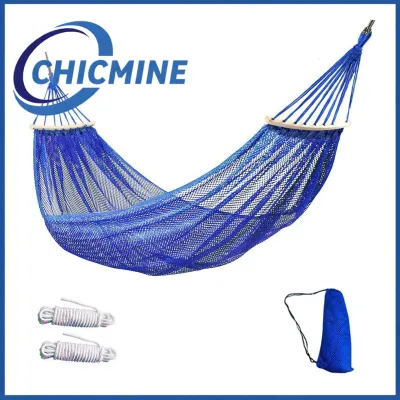
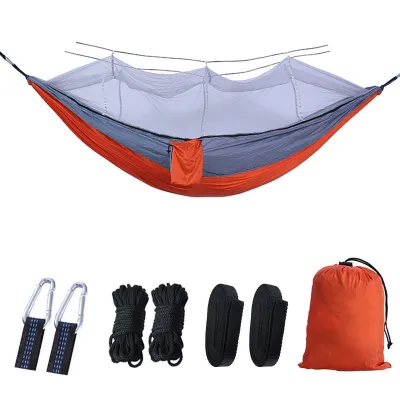
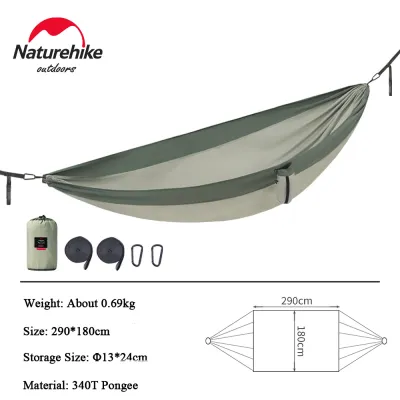
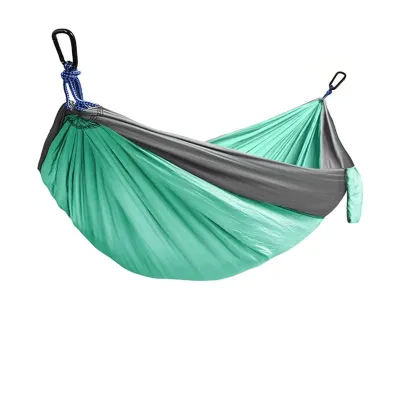
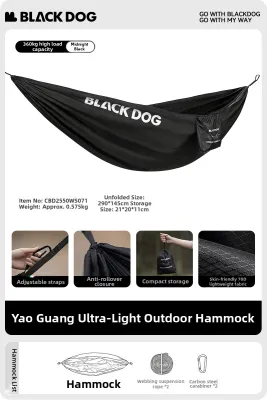
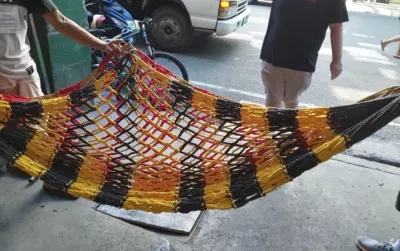
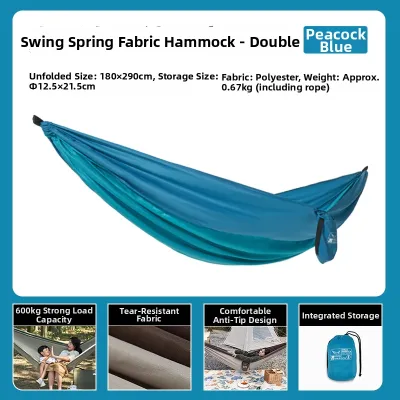
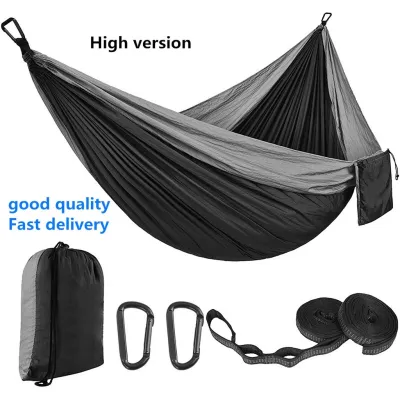
Prices are valid at publication and may change. Please refer to the product page for the latest price.
Logistics and transport are equally important when selecting heavy-duty outdoor furniture. Before finalizing your choice, verify the dimensions of your doorways, stairwells, and elevator cabins. Heavy-duty metal stands and robust mounting hardware can be exceptionally long or heavy, making them difficult to transport to high-rise balconies or restricted garden access points. Ensuring these items can safely clear all entryways prevents delivery complications and installation delays.
Evaluating Weather Resistance for Tropical Climates
Operating outdoor furniture in the Philippines means preparing for high humidity, intense sunlight, and sudden heavy downpours. To ensure your hammock survives these conditions, avoid making assumptions about durability based solely on generic fabric names. Instead, carefully check the manufacturer’s official product labels and care instructions for explicit water-resistant, mold-resistant, or UV-treated claims. High-quality outdoor fabrics should feature documented treatments designed to resist fading and fiber degradation under prolonged sun exposure.

In addition to fabric durability, inspect the hammock’s physical design for water drainage. Mesh weaves and open-loop structures allow rainwater to pass through easily, preventing water from pooling in the center of the bed. For solid fabric designs, look for integrated drainage holes or quick-drying material specifications. You must also examine the metal hardware, such as chains, S-hooks, and carabiners, to verify they feature rust-prevention coatings like powder coating or hot-dip galvanization to resist the corrosive effects of persistent moisture.
Planning for the rainy season is essential for extending the lifespan of your outdoor gear. Confirm whether the hammock design supports quick detachment from its anchors or stand. Being able to easily unhook the main fabric body allows you to store it indoors during severe weather, typhoons, or extended periods of non-use, protecting your investment from unnecessary wear and tear.
Checking Structural Stability and Weight Capacity
Ensuring structural safety requires a clear understanding of weight ratings and load distribution. Always cross-reference the maximum static weight capacity printed on the product label with the actual weight of the intended users. Keep in mind that sitting down, shifting positions, or gently swinging generates dynamic force, which temporarily increases the load on the support structure. Choosing a hammock with a generous safety margin above your combined user weight helps accommodate these dynamic movements safely.
Your heavy-duty setup is only as strong as its weakest component. Verify that all suspension hardware, including carabiners, hanging chains, tree straps, and wall anchors, carries a rated load capacity that matches or exceeds the rating of the hammock body. Using lightweight hardware or generic ropes not rated for suspension poses a significant safety risk and can lead to sudden structural failure.
Take the time to closely review the manufacturer’s construction details before making a decision. Look for reinforced stitching along the borders and connection loops, as these areas experience the highest concentration of stress. If you are considering a model with spreader bars, check that the bars are made from dense, weather-treated hardwood or robust metal, and inspect the connection points where the suspension ropes meet the bar to ensure they are securely bound and balanced.
Matching Hammock Styles to Your Outdoor Setup
Choosing between a suspension-based hammock and a freestanding model depends largely on your spatial limitations and structural options. Suspension hammocks offer a classic look and save floor space, but they require highly robust, permanent anchor points. You must have access to load-bearing concrete walls, structural columns, or mature, healthy trees to safely anchor these models. If you reside in a rental property or a condominium where drilling into exterior walls is prohibited, a suspension model may not be viable.
Freestanding hammocks utilize a self-supporting metal or wooden frame, making them highly versatile for both balconies and gardens. When evaluating heavy-duty stands, pay close attention to the base footprint and the design of the footpads. Look for wide, stable bases equipped with anti-slip rubber or plastic footpads. These pads prevent the stand from sliding on slick balcony tiles and protect delicate flooring surfaces from scratches, while also providing stability on slightly uneven garden grass.
If flexibility is a priority, consider the portability and adjustability of the stand. Some heavy-duty frames feature tool-free assembly or folding mechanisms that allow you to pack them down quickly. This portability is incredibly useful when you need to clear your balcony for social gatherings or move the entire assembly into a garage or storage shed ahead of an approaching tropical storm.
Installation and Safety Checks
Before you begin drilling or mounting your hammock, perform a thorough structural assessment of your chosen location. If you plan to install wall anchors on a balcony, consult your building plans or contact your property management office to confirm the load-bearing capacity of the walls or ceiling. Many residential buildings have strict guidelines regarding structural modifications, and drilling into non-structural partition walls or decorative facades can compromise safety and violate building policies.
For garden installations utilizing trees, prioritize environmental safety and tree health. Only attach suspension straps to mature, healthy trees with thick, solid trunks, completely avoiding dead, decaying, or thin branches. Always use wide, flat tree-saver straps rather than thin ropes or bare metal chains, as straps distribute the weight across a larger surface area and prevent the suspension system from cutting into the bark and damaging the tree’s vascular system.
Establish clear stop conditions for your DIY installation. If you encounter unknown wall materials, find that your mounting hardware does not match the anchor holes, or discover that the manufacturer’s instructions do not cover your specific installation environment, halt the process immediately. In these scenarios, consult a qualified contractor or structural professional to ensure the anchors are installed safely and securely.
Frequently Asked Questions (FAQ)
How do I clean and maintain a heavy-duty hammock after heavy rain?
Always consult the manufacturer’s product label for approved cleaning instructions before washing your hammock. For most heavy-duty fabrics, hand washing with mild soap and cool water is recommended, though some models may allow gentle machine washing. After cleaning or experiencing a heavy downpour, hang the hammock fully spread out in a well-ventilated, shaded area to dry completely. Inspect all metal hardware, chains, and connection points for early signs of rust or paint chipping, and wipe them down with a dry cloth to prevent moisture accumulation.
Can I leave my heavy-duty hammock outside all year round?
Leaving a hammock exposed to the elements year-round is not recommended, as continuous exposure to intense tropical sunlight and heavy rainfall will accelerate the degradation of both fabrics and metal components. Over time, UV rays can weaken fabric fibers and fade colors, while persistent humidity can compromise protective coatings on metal stands. To maximize the lifespan of your hammock, review the manufacturer’s care guidelines and store the fabric body and portable stand indoors during the wet season or when the hammock will not be used for an extended period.

Community discussion
Share your experience or ask a question. Comments are reviewed before publication.