
Finding a reliable, heavy-duty office chair in the Philippines within a ₱3,000 to ₱15,000 budget requires prioritizing structural safety over superficial features. In our tropical climate, where high humidity can accelerate the wear of cheap synthetic materials and weaken poorly constructed joints, choosing a chair with a reinforced frame and a certified gas lift is essential. To make the right choice, you must match your physical requirements to verified manufacturer specifications, focusing on the quality of the base, the cylinder class, and the seat pan construction rather than relying on generic marketing labels.
Defining "Heavy-Duty" and Setting Budget Expectations
A true heavy-duty office chair is engineered to support higher weight capacities and withstand prolonged daily use without structural deformation. Standard office chairs often rely on thin plastic components or lightweight metal alloys that can bend or crack under sustained pressure. In contrast, heavy-duty models feature thick steel plates, reinforced aluminum bases, or heavy-duty nylon frames designed to distribute weight evenly and maintain stability.
When working with a budget of ₱3,000 to ₱15,000, you must make deliberate trade-offs. At the lower end of this spectrum, you should prioritize structural integrity over advanced ergonomic adjustments. It is far safer to purchase a basic, highly stable chair with a certified gas lift than a highly adjustable chair made of cheap, fragile plastics. As your budget increases, you can expect a better balance of robust structural support and customizable ergonomic features.
Products mentioned in this guide
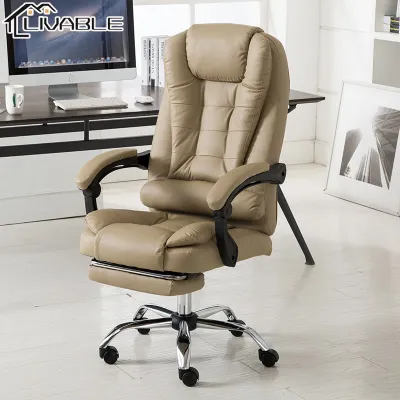
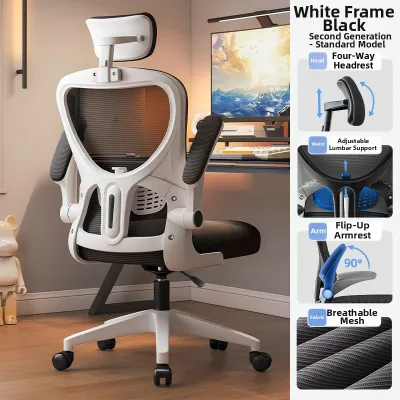
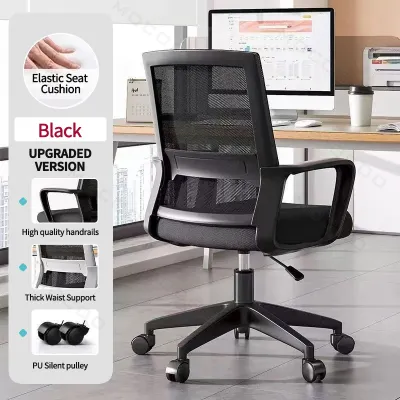
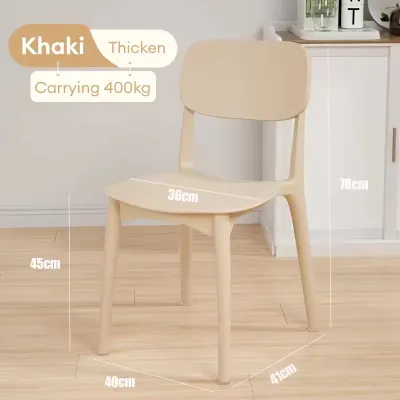
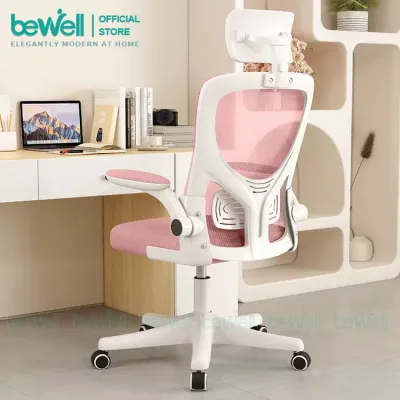
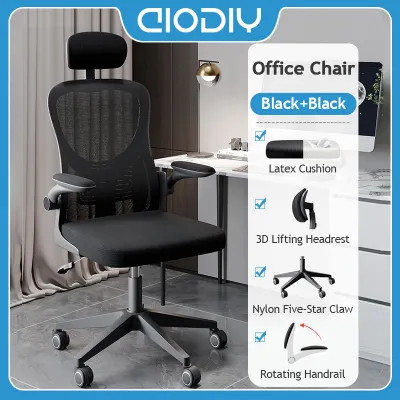
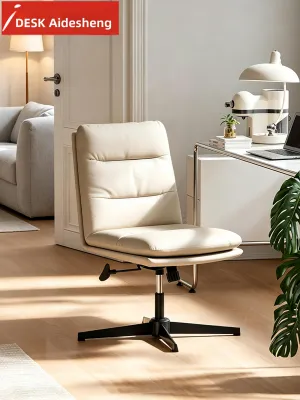
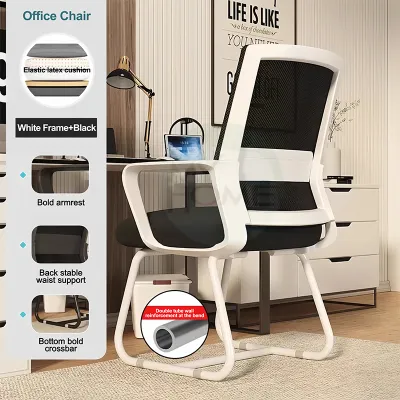
Prices are valid at publication and may change. Please refer to the product page for the latest price.
Before browsing online marketplaces or local furniture showrooms, establish your baseline requirements. Determine your exact weight and estimate your average daily usage duration. A chair used for two hours a day faces different stress levels than one subjected to eight or ten hours of continuous use, especially in humid home offices where sweat and moisture can affect material degradation.
What to Expect Across Your Budget Tiers
As you move from ₱3,000 to ₱15,000, the overall build quality and material specifications of office chairs improve significantly. Lower-priced options rely heavily on nylon and basic steel, while higher-priced models introduce cast aluminum, high-density molded foam, and advanced multi-functional tilt mechanisms. Understanding these tiers helps you identify whether a higher price tag represents a genuine structural upgrade or merely cosmetic styling.

Entry-Level Tier (₱3,000 to ₱5,000)
In the ₱3,000 to ₱5,000 range, heavy-duty chairs typically feature basic steel frames wrapped in mesh or fabric, paired with reinforced nylon bases. The seat cushion usually consists of standard high-density cut foam, which offers decent initial support but may flatten over time under heavier loads.
At this price point, weight capacities generally top out around 100 to 120 kilograms. It is crucial to verify that the chair utilizes at least a Class 3 gas lift cylinder, as cheaper models may cut costs with lower-grade cylinders that lose pressure or sink over time.
To ensure safety within this budget, you should willingly compromise on features like adjustable lumbar support, 3D armrests, or deep reclining angles. Focus instead on finding a chair with a solid, non-adjustable backrest and a sturdy, wide base that keeps your center of gravity stable.
Mid-Range Tier (₱5,000 to ₱10,000)
Stepping up to the ₱5,000 to ₱10,000 tier introduces substantial upgrades in frame thickness and base materials. You will find chairs featuring heavy-duty nylon frames reinforced with fiberglass, or even solid steel and aluminum bases that offer superior resistance to bending and tipping.
The seat pan construction in this range often transitions from simple plywood to molded plastic or steel-reinforced frames. This structural improvement, combined with better tilt-tension mechanisms, allows the chair to distribute weight more effectively, reducing localized stress on the frame during movement.
When evaluating chairs in this mid-range, look closely at the adjustment mechanisms. A heavier, thicker steel mechanism plate under the seat is a strong indicator of structural longevity. Avoid chairs that add flashy aesthetic features like colorful gaming accents at the expense of a robust, heavy-gauge steel mechanism.
Upper-Tier Budget (₱10,000 to ₱15,000)
Near the top of your budget, from ₱10,000 to ₱15,000, you enter the territory of premium heavy-duty performance. These chairs feature high-density molded foam that retains its shape and support for years, even under heavy daily use. The frames are typically constructed from thick-walled steel or die-cast aluminum, paired with certified Class 4 gas lifts.
This tier offers advanced multi-function tilt mechanisms that allow you to tilt and lock the seat at various angles safely. The ergonomic adjustments—such as depth-adjustable seat pans, height-adjustable lumbar supports, and multi-directional armrests—are designed with heavy-duty brackets to ensure they do not slip or break under pressure.
Long-term value in this range is often secured through comprehensive manufacturer warranties. Look for brands that offer dedicated coverage for structural components, including the frame, base, and gas cylinder, and verify if they supply replaceable parts so you do not have to discard the entire chair if a single component wears out.
Critical Specifications to Verify Before Checkout
Before finalizing your purchase on any online marketplace or at a local retailer, you must verify several critical specifications to ensure the chair is truly heavy-duty. Do not rely on vague product titles; instead, inspect the detailed specification sheet or user manual.
First, check the gas lift cylinder class. A true heavy-duty chair should feature a Class 3 or Class 4 pneumatic cylinder. Class 4 cylinders have thicker steel walls and are rated for higher weight capacities, making them the preferred choice for users requiring maximum stability and durability. Cross-reference this cylinder class with the manufacturer’s stated weight limit to ensure consistency.
Second, examine the base material and caster construction. Look for bases made of heavy-duty nylon, steel, or aluminum with a wide diameter (typically 650mm to 700mm) to prevent tipping. The casters should be dual-wheel designs, preferably made of polyurethane (PU) or heavy-duty nylon, which glide smoothly and distribute weight evenly without damaging your flooring.
Third, inspect the seat pan and mechanism plate. The seat pan should be supported by a thick steel plate rather than thin plywood. The tilt mechanism housing should be constructed of heavy-gauge steel with robust adjustment levers. If the product photos show thin, stamped metal plates or excessive plastic housing around the main joint, the chair may not withstand heavy daily use.
Finally, always rely on the manufacturer’s explicit, documented weight capacity rather than marketing buzzwords. A reputable manufacturer will clearly state the maximum weight limit (e.g., 120kg, 150kg) in the official product specifications. If this information is missing, vague, or inconsistent across different listings, treat it as a major warning sign.
Red Flags, Hidden Costs, and Purchase Protections
The online furniture market in the Philippines is filled with listings claiming “heavy-duty” or “executive” status at suspiciously low prices. Be highly skeptical of chairs priced under ₱3,000 that claim weight capacities exceeding 150 kilograms. True heavy-duty materials and certified components carry manufacturing costs that make such low prices structurally impossible.
When budgeting, you must also factor in hidden expenses that can quickly inflate the total cost. Heavy-duty chairs are heavy, often weighing between 15 and 25 kilograms. This weight can result in substantial shipping fees, especially if you live outside Metro Manila or in provincial areas. Additionally, consider whether you need to pay for professional assembly or if you have the tools and physical capability to assemble a heavy steel-framed chair yourself.
Carefully review the warranty terms before checking out. A reliable warranty should explicitly cover structural components—such as the frame, metal mechanism, base, and gas lift—for at least one to two years. Be wary of warranties that only cover “manufacturing defects” upon arrival or those that exclude wear and tear on the gas cylinder, as these are the parts most likely to fail under heavy use.
Establish clear stop conditions during your shopping process. If the seller cannot provide the gas lift class, if the assembly instructions are missing or unclear, or if the warranty terms are vague, pause the purchase. It is far better to seek an alternative supplier who offers transparent specifications and clear customer support than to risk buying an unsafe, unstable chair that could fail unexpectedly.
Frequently Asked Questions (FAQ)
How do I know if a chair's stated weight capacity is accurate?
To verify a chair’s weight capacity, look for official testing certifications such as BIFMA (Bifma International) or equivalent international standards in the product documentation. These certifications indicate the chair has undergone rigorous structural and durability testing. Additionally, check the physical stamp on the gas lift cylinder to verify its class, and read long-term user reviews that specifically mention structural stability over months of continuous use.
Can I upgrade the casters or gas lift later if they fail?
Yes, most office chairs use standardized sizes for gas lift cylinders (typically a 50mm outer diameter) and caster stems (usually 11mm x 22mm). This standardization makes it relatively easy to purchase heavy-duty replacement parts. However, you must check your manufacturer’s warranty first, as installing non-original or uncertified third-party components may void your structural warranty. If the main frame or seat pan joints show signs of cracking or bending, replacing individual parts will not make the chair safe, and the entire unit should be replaced.

Community discussion
Share your experience or ask a question. Comments are reviewed before publication.