
Storing a large shoe collection in the Philippines presents unique challenges, where high relative humidity, seasonal monsoon rains, and tropical warmth can accelerate wear on both footwear and furniture. Standard flat-pack shoe cabinets often buckle under the weight of dozens of pairs, leading to unsightly sagging shelves, misaligned doors, and structural instability. To safeguard your investment in footwear, finding a genuinely heavy-duty shoe cabinet requires looking beyond superficial aesthetics to evaluate load capacities, material density, and structural reinforcement. By focusing on robust construction and moisture-resistant finishes, you can secure a storage system that remains stable, organized, and functional for years to come.
Defining "Heavy-Duty" for Shoe Storage
When browsing online marketplaces or local furniture showrooms in the Philippines, the label “heavy-duty” is frequently used as a marketing buzzword rather than a certified technical specification. A standard shoe cabinet is typically designed for light, occasional use, utilizing thin particleboard shelves that easily bow under the concentrated weight of multiple pairs of heavy leather boots, thick-soled sneakers, or platform heels. In contrast, a true heavy-duty shoe cabinet is engineered with reinforced structural elements, thicker load-bearing panels, and robust joinery designed to withstand continuous downward pressure without warping.
Understanding how manufacturers calculate and report weight ratings is essential for making an informed purchase. A reliable heavy-duty rating should specify the maximum weight capacity per individual shelf as well as the overall weight limit for the entire unit. When evaluating these limits, remember that load distribution plays a critical role; a shelf rated for 15 kilograms can easily fail if that weight is concentrated entirely in the center rather than distributed evenly across the surface. For large shoe collections, look for specifications that explicitly detail these load limits, allowing you to calculate whether the cabinet can support your specific inventory.
Products mentioned in this guide
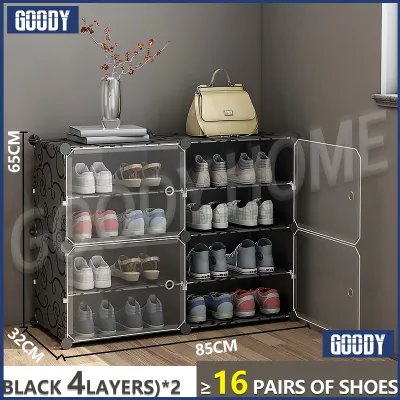
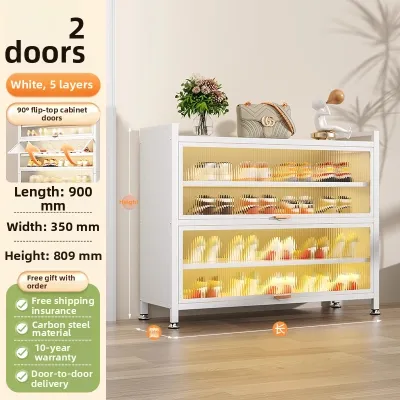
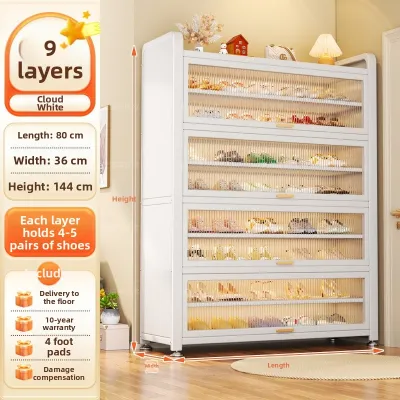
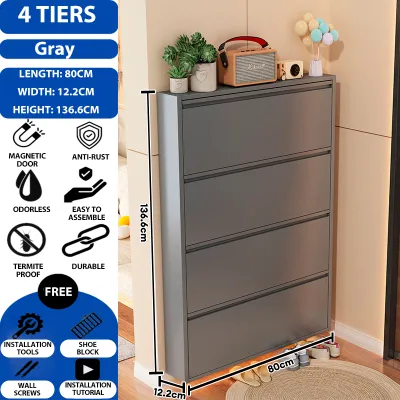
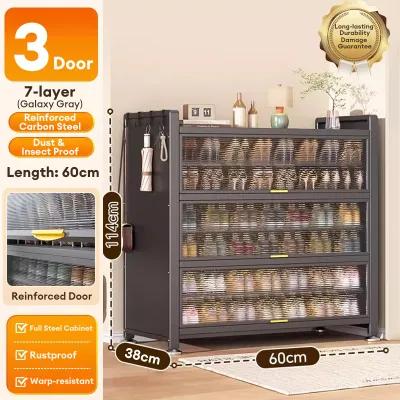
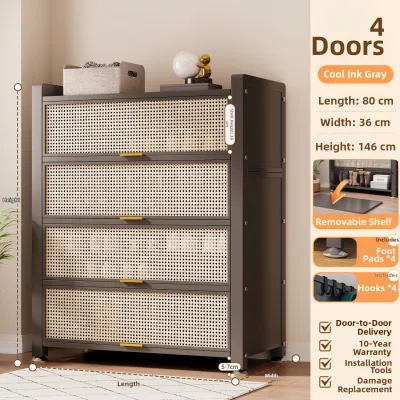
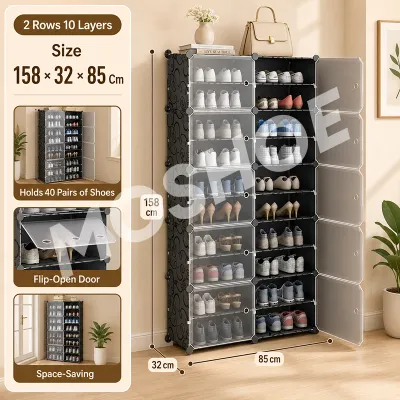
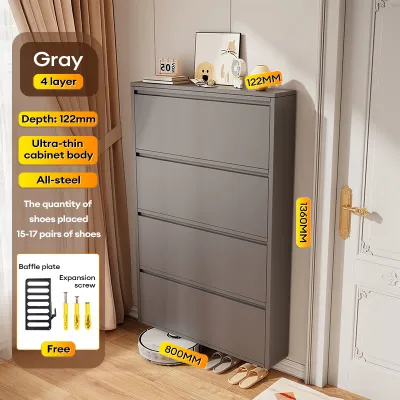
Prices are valid at publication and may change. Please refer to the product page for the latest price.
The cumulative weight of a large shoe collection is often underestimated, creating significant long-term structural stress on furniture. A single pair of high-top basketball sneakers or heavy work boots can easily weigh over one kilogram, meaning a collection of fifty pairs can exert a constant downward force of 50 kilograms or more. Over months and years, this continuous load triggers a phenomenon known as material creep, where even seemingly sturdy shelves gradually deform under constant stress. Selecting a cabinet specifically engineered to resist this long-term deformation is the only way to prevent structural failure.
Key Structural Features to Prevent Sagging
To prevent shelves from bowing under the weight of a substantial shoe collection, you must closely examine the physical design of the cabinet’s horizontal supports. The thickness of the shelves is a primary indicator of structural integrity; look for shelves that are at least 18 millimeters thick, as thinner 12-millimeter or 15-millimeter panels are highly susceptible to sagging over wide spans. Additionally, high-quality heavy-duty cabinets feature robust edge banding that seals the core material against moisture while adding subtle rigidity, along with heavy-duty metal support brackets or continuous metal rails running beneath each shelf to distribute weight directly to the vertical side panels.

The back panel of a shoe cabinet is another critical component that is frequently overlooked, yet it plays a vital role in maintaining overall stability. Cheap cabinets often utilize a paper-thin piece of cardboard or hardboard tacked loosely to the frame, which offers virtually no resistance to lateral forces. A heavy-duty unit should feature a thick, rigid back panel—ideally made of plywood or medium-density fiberboard (MDF) that is fully grooved or screwed into the main frame. This rigid backing prevents lateral racking, which is the swaying or wobbling motion that can eventually cause a loaded cabinet to collapse sideways.
Finally, the base construction and leg placement dictate how effectively the cabinet transfers its heavy load to your floor. Look for a solid plinth base that distributes weight evenly across the floor surface, or thick, heavy-duty legs positioned directly under the main vertical load-bearing walls of the cabinet. If your home has slightly uneven tile or concrete flooring—a common occurrence in many Philippine residences—ensure the cabinet is equipped with adjustable floor-leveling feet. These levelers allow you to stabilize the unit, preventing uneven weight distribution that could twist the frame and cause the doors to bind or the shelves to warp.
Material and Build Quality Checks
The choice of core material directly determines how well a shoe cabinet will perform under the stress of a large collection and the challenges of a humid tropical climate. Solid wood, such as sustainably sourced local hardwoods, offers exceptional natural strength and screw-holding capacity, making it an excellent choice for heavy-duty applications, though it requires proper sealing to prevent warping from humidity. High-density engineered woods, such as high-grade MDF or marine plywood, provide excellent dimensional stability and resistance to sagging, making them superior to low-density particleboard. Metal frames, particularly those made of powder-coated steel, offer the highest weight-to-strength ratio and are completely impervious to moisture-induced warping.
Beyond the primary panels, the quality of the hardware and fasteners determines whether a cabinet will remain functional over years of daily use. Inspect the hinges on closed cabinets; heavy-duty units should utilize adjustable, soft-closing concealed metal hinges that can support the weight of heavy doors without sagging. If the cabinet features pull-out drawers or drop-down compartments, verify that they operate on smooth, ball-bearing metal drawer slides rather than plastic runners. The structural fasteners holding the main frame together should consist of heavy-duty cam locks, dowels, and steel screws rather than simple nails or glue, ensuring the joints remain tight under load.
In the Philippines, surface treatments are not just about aesthetics; they are a crucial line of defense against scuffs, dirt, and tropical moisture. Shoes worn during the rainy season can carry dampness and mud into the cabinet, which can quickly ruin untreated wood or cause cheap laminate to peel. Look for cabinets finished with high-pressure laminates (HPL), melamine coatings, or water-resistant polyurethane varnishes. These protective surfaces allow you to easily wipe away dirt and moisture, preventing water from penetrating the underlying wood fibers and causing swelling, mold growth, or structural softening.
Space Planning and Capacity Estimation
Before purchasing a heavy-duty shoe cabinet, you must accurately estimate your storage requirements based on the actual composition of your footwear collection. Different types of shoes occupy vastly different amounts of space and exert different levels of physical stress on shelves. For instance, tall boots require significant vertical clearance and can weigh substantially more than delicate heels or flat sandals, while bulky athletic sneakers require deeper shelves to prevent the doors from jamming. Group your collection by type and measure the height, width, and depth of your largest pairs to ensure the cabinet’s internal dimensions can accommodate them without forcing you to cram shoes together.
Accurately measuring your designated floor space and ceiling height is critical to ensuring a seamless installation, especially when dealing with large, heavy furniture. Use a reliable measuring tape to verify the width, depth, and height of the area where the cabinet will stand, keeping a close eye on baseboards, light switches, and wall outlets that might obstruct a flush fit. Additionally, you must account for operational clearances; ensure there is ample room for cabinet doors to swing fully open or for drawers to pull out completely without hitting nearby walls, doorways, or other furniture. Don’t forget to measure your home’s entryways, hallways, and stairwells to confirm that the delivery team can safely transport the unit into your living space.
Proper ventilation is a non-negotiable requirement for shoe storage in a humid environment like the Philippines. Storing damp or sweat-soaked shoes in a completely sealed, unventilated cabinet creates a breeding ground for mold, mildew, and unpleasant odors, which can ruin both your footwear and the cabinet itself. Look for heavy-duty cabinets that incorporate ventilation features, such as louvered doors, open-slat back panels, or built-in air vents. If you prefer a completely closed aesthetic, plan to leave a small gap between the back of the cabinet and the wall to promote air circulation, and consider using moisture-absorbing sachets or charcoal deodorizers on the shelves.
Evaluating Options and Verifying Claims
When shopping for a heavy-duty shoe cabinet, it is vital to systematically evaluate product listings and verify the manufacturer’s claims before committing to a purchase. Carefully read the product specifications to locate the explicit weight limits and check if the manufacturer offers a structural warranty covering defects or premature sagging. Be cautious of listings that use vague terms like “ultra-strong” or “high-capacity” without providing concrete numbers or material specifications. A reputable manufacturer should be transparent about the materials used, the thickness of the panels, and the maximum load capacity of each shelf.
Cross-referencing these official specifications with real-world user feedback is an excellent way to gauge a cabinet’s long-term durability and ease of assembly. Look for reviews from buyers who have owned the cabinet for several months or years, paying close attention to any mentions of shelf sagging, loose hinges, or wobbling. If you plan to assemble the cabinet yourself, check reviews for comments on the clarity of the instructions and the quality of the included hardware. If multiple reviews highlight difficult assembly or fragile components, it may be wiser to look for a pre-assembled unit or a brand that offers professional installation services.
Finally, confirm the logistics of delivery, assembly, and returns with your chosen retailer in the Philippines. Large, heavy-duty furniture items are costly and difficult to transport, so you should clarify the shipping fees and delivery terms before placing your order. Ask whether the delivery service includes carrying the heavy packages up stairs or into your specific room of choice. Additionally, verify the retailer’s return policy in case the cabinet arrives damaged or fails to match the advertised specifications, ensuring you have a clear path to a refund or replacement without incurring exorbitant return shipping costs.
Frequently Asked Questions (FAQ)
How many pairs of shoes can a typical heavy-duty cabinet hold?
The actual capacity of a heavy-duty shoe cabinet depends on the usable width of its shelves and the specific profiles of your footwear rather than generic marketing estimates. To calculate capacity, measure the average width of your shoes; a typical pair of men’s sneakers requires about 22 to 25 centimeters of shelf width, while women’s flats may only need 18 to 20 centimeters. Divide the total width of a shelf by your average shoe width to determine how many pairs fit per row, then multiply by the number of shelves. Keep in mind that adjustable shelves allow you to optimize vertical space, whereas fixed shelves may leave wasted vertical gaps above low-profile shoes, reducing overall capacity.
Are metal shoe cabinets better than wood for heavy loads?
Metal shoe cabinets, particularly those constructed from powder-coated steel, offer superior load-bearing strength and absolute resistance to sagging compared to most wooden alternatives. They are highly durable, completely unaffected by tropical humidity, and will not warp, swell, or harbor mold. However, metal cabinets can have a more industrial aesthetic that may not suit every home decor, and they can be noisy when placing shoes inside or closing doors. Hybrid designs that combine a rigid metal frame with high-density engineered wood shelves often provide the ideal balance, offering the structural strength of metal alongside the warm, classic aesthetic of wood.
What should I do if the shelves start to bow over time?
If you notice a shelf beginning to bow, you should immediately take action to prevent permanent damage or a sudden structural collapse. Start by removing the heaviest shoes from the affected shelf and redistributing the weight, placing lighter footwear in the center and heavier items closer to the supported outer edges. Inspect the cabinet for loose hardware, missing or damaged shelf support pins, or a back panel that has pulled away from the frame, as these issues can compromise structural integrity. If the bowing is severe or the cabinet is under warranty, contact the manufacturer for replacement parts, or consider reinforcing the shelf with a central support bracket or a solid wood cleat screwed underneath.

Community discussion
Share your experience or ask a question. Comments are reviewed before publication.