
Selecting a heavy-duty single folding bed with a foam mattress for a small condo bedroom in the Philippines requires a careful balance of space efficiency, structural durability, and climate suitability. In compact urban living spaces, such as studio or one-bedroom condominiums in Metro Manila, maximizing floor area during the day while ensuring a comfortable, supportive sleep setup at night is a common challenge. While many products are marketed under the “heavy-duty” label, buyers must look beyond promotional claims to evaluate the actual engineering, material quality, and mechanical design of these space-saving furniture pieces. A reliable folding bed must withstand regular deployment without warping, squeaking, or losing its structural integrity. At the same time, the accompanying foam mattress must provide adequate spinal support while remaining flexible enough to fold repeatedly without sustaining permanent damage. By understanding how to measure your space, inspect frame construction, select the right foam density, and verify product specifications, you can make an informed decision that enhances your condo’s functionality and ensures a restful night’s sleep.
Measure Your Condo Space and Bed Dimensions Before Buying
Before browsing online marketplaces or visiting local furniture showrooms, the first step is to establish a precise spatial plan of your condo bedroom. Condo units often feature tight layouts where even a few centimeters can determine whether a room feels functional or cramped. Start by measuring the exact floor area where you intend to deploy the folding bed. It is crucial to compare the bed’s fully extended length and width against the available space, ensuring there is a clear walkway of at least 60 centimeters around the sides and foot of the bed. This clearance prevents the bed from blocking essential pathways, wardrobe doors, study desks, or sliding balcony doors when it is in use.
Equally important are the folded dimensions of the bed, which dictate how and where it will be stored when not in use. Measure the height, width, and depth of the bed in its fully collapsed state. If you plan to store the bed inside a built-in closet, measure the interior cabinet depth and height to ensure a seamless fit. If the bed will be stored in a corner, behind a decorative folding screen, or next to a wardrobe, verify that it will not obstruct light switches, electrical outlets, or wall-mounted mirrors.
Products mentioned in this guide
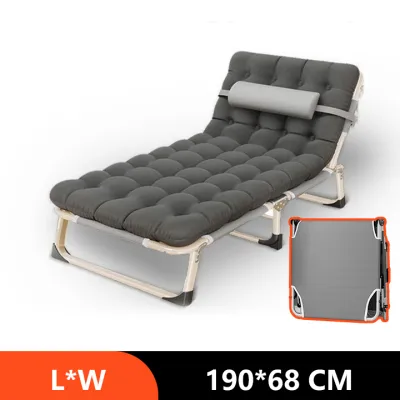
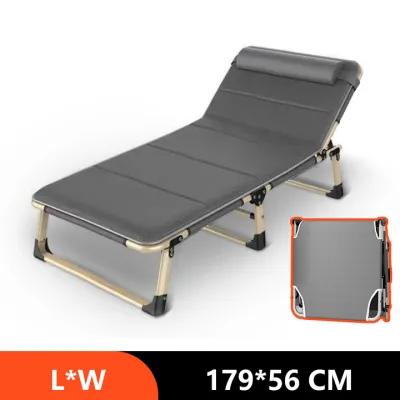
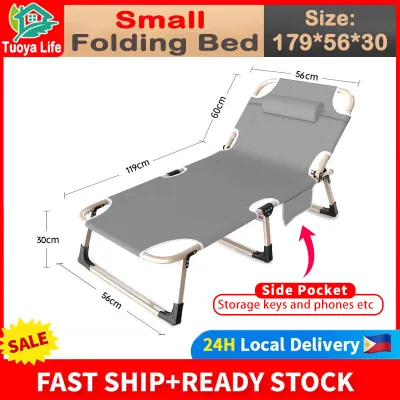
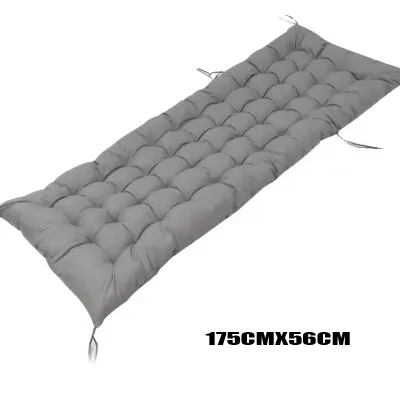

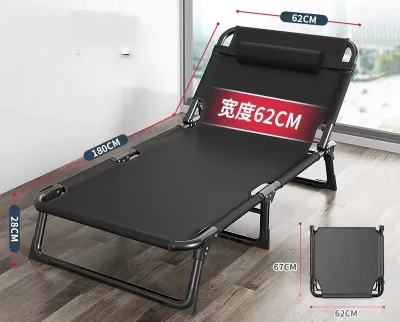
Prices are valid at publication and may change. Please refer to the product page for the latest price.
Finally, consider the logistics of getting the bed into your condominium unit. Many heavy-duty folding beds are delivered fully assembled or in large, heavy boxes. Measure the width and height of your building’s elevator doors, the interior dimensions of the elevator cabin, the width of narrow hallway turns, and the clearance of your unit’s front door frame. Ensuring that the packaged product can navigate these common architectural bottlenecks prevents delivery day complications and ensures a smooth installation process.
Verify Frame Stability and True Weight Capacity
The durability of a heavy-duty folding bed depends heavily on the quality of its metal frame. To verify the true stability and weight capacity of a model, look past generic marketing labels and focus on the physical specifications of the steel tubing. A robust frame is typically constructed from thick-walled, high-tensile steel. Inspect the shape of the tubing; square or rectangular steel tubing often provides greater resistance to bending and twisting under load compared to thin, round tubes. Additionally, check that the metal has a high-quality powder-coated finish, which protects the steel from moisture, scratches, and rust—a critical consideration in the humid tropical climate of the Philippines.

The structural integrity of the frame is also determined by its joints, cross-bracing, and mattress support system. Examine the welded joints closely; they should be clean, continuous, and free of visible gaps or slag, indicating a strong bond. Avoid frames that rely solely on thin spot welds at critical stress points. Look for robust cross-bracing bars running underneath the mattress platform, as these bars distribute your body weight evenly across the frame and prevent the mattress from sagging.
To assess the true weight capacity, cross-reference the manufacturer’s stated weight limit with the bed’s net weight and leg configuration. A genuinely heavy-duty frame will have a substantial net weight, reflecting the density of the steel used. Look for a design that features multiple U-shaped support legs distributed evenly along the length of the frame rather than just four standard corner legs. This distribution prevents the frame from bowing in the middle. Furthermore, ensure the bed is equipped with locking casters or heavy-duty, non-slip rubber foot pads. Locking casters allow you to roll the bed easily into storage but lock securely to prevent the bed from shifting or rolling when you turn in your sleep, while rubber pads protect your condo’s vinyl, laminate, or tile flooring from unsightly scratches.
Select a Foam Mattress for Comfort and Folding Compatibility
The mattress is a critical component of any folding bed system, directly influencing both your sleep quality and the bed’s long-term usability. When selecting a foam mattress, you must balance physical comfort with the flexibility required for repeated folding. High-density polyurethane (PU) foam is highly recommended for folding beds because of its resilient cell structure. It provides firm, consistent support for the spine and quickly recovers its original shape after being compressed or folded for extended periods. Low-density foams, by contrast, tend to flatten quickly under regular use, leading to uncomfortable pressure points where your body comes into contact with the metal frame beneath.
Memory foam is another popular option, known for its excellent pressure relief and contouring properties. However, standard memory foam has a dense structure that tends to trap body heat, which can lead to an uncomfortably warm sleeping experience in the tropical climate of the Philippines. If you prefer the feel of memory foam, look for advanced formulations such as open-cell memory foam or gel-infused memory foam, which are engineered to facilitate better airflow and heat dissipation.
Mattress thickness is a crucial variable that directly affects the folding mechanism. While a thicker mattress (such as 10 to 12 centimeters) generally offers superior cushioning, it must be compatible with the frame’s folding hinges and locking straps. If a mattress is too thick or rigid, it will resist folding, placing immense mechanical strain on the frame’s hinges and preventing the bed from closing completely flat. This can damage both the mattress core and the metal frame over time. Always check the manufacturer’s recommended mattress thickness for the specific frame model, and ensure that any included storage straps or latches can secure the folded bed without compressing the mattress excessively.
To maintain hygiene and comfort in a humid condo environment, pay close attention to the mattress cover material. Look for covers made from breathable, moisture-wicking fabrics such as cotton blends, bamboo-derived rayon, or breathable polyester mesh. A removable, zippered cover is highly advantageous, as it allows you to wash the cover regularly to remove sweat, dust mites, and allergens. Some manufacturers also apply moisture-resistant or antimicrobial treatments to the mattress cover or the foam itself, helping to prevent the growth of mold, mildew, and unpleasant odors in humid conditions.
Build Your Shortlist Using Product Labels and Specifications
When you are ready to compile a shortlist of potential folding beds from online marketplaces or local furniture retailers, use a systematic checklist to evaluate product labels and technical specifications. This disciplined approach ensures you select a model based on verifiable quality indicators rather than persuasive advertising copy. Start by verifying the exact materials used in the frame construction. Look for specifications that explicitly state “powder-coated steel frame” or detail the gauge (thickness) of the metal. Avoid products with vague descriptions like “reinforced metal” without further technical details.
Next, scrutinize the mattress specifications. Look for clear indications of foam density, which is often measured in kilograms per cubic meter (kg/m³). Look for labels indicating that the foam has been tested for low emissions, content safety, and durability by independent testing organizations. These certifications provide peace of mind that the foam does not contain harmful chemicals and will maintain its structural integrity over time.
Carefully evaluate the design of the folding mechanism. A high-quality folding bed should feature a smooth, counterbalanced, or assisted folding action that allows a single person to open and close the bed with minimal physical effort. Look for built-in safety features, such as anti-pinch hinges that prevent fingers from getting caught in the folding joints, and automatic locking legs that snap into place when the bed is deployed. The storage locking mechanism—whether it is a heavy-duty nylon strap with a quick-release buckle or a metal latch—should be robust enough to hold the spring-loaded frame securely in its folded position.
Finally, review the warranty terms offered by the manufacturer or retailer. A comprehensive warranty is a strong indicator of a product’s durability. Look for warranties that provide clear coverage for structural components, including the steel frame, welded joints, and folding hinges, for a reasonable period (such as one to two years). Be sure to read the fine print to understand what actions might void the warranty, such as exceeding the stated weight capacity or using an unapproved third-party mattress, and confirm the process for claiming replacement parts or repairs.
Follow Setup, Maintenance, and Safety Protocols
To maximize the lifespan of your heavy-duty folding bed and ensure a safe sleeping environment, it is essential to establish proper setup, maintenance, and safety routines. When deploying the bed, always choose a flat, level surface. Setting up the bed on an uneven floor can place uneven stress on the support legs and frame joints, leading to structural warping or premature wear. Before allowing anyone to lie down, visually inspect the bed to confirm that all support legs are fully extended, resting flat on the floor, and that any safety locking pins or latches are completely engaged.
Regular maintenance is key to keeping the folding mechanism operating smoothly and quietly. Periodically inspect the frame for any loose bolts, nuts, or screws, especially around the folding hinges and leg joints. Use the appropriate hand tools to tighten these fasteners gently; do not overtighten, as this can strip the threads or bind the moving parts. If you notice the hinges becoming stiff, difficult to operate, or beginning to squeak, apply a small amount of silicone-based lubricant directly to the pivot points. Avoid using heavy oils or WD-40, which can attract dust and lint, leading to a buildup of grime that can grind down the metal over time.
Caring for the foam mattress is equally important for maintaining comfort and hygiene. Rotate the mattress end-to-end every few weeks to distribute body weight evenly and prevent localized sagging in the hip and shoulder areas. When cleaning the mattress, always adhere to the instructions on the care label. For spot cleaning the foam itself, use a damp cloth with a mild, diluted detergent; never saturate the foam with water or use harsh chemical solvents, as excess moisture can degrade the foam’s cellular structure and create an environment ripe for mold development.
Always prioritize safety by monitoring the bed for signs of structural fatigue. If you observe any visible bending in the steel frame, cracked or separating welds, or if the bed continues to squeak persistently even after lubrication and tightening, stop using it immediately. Do not attempt to weld or structurally modify the frame yourself. Instead, consult the manufacturer or a qualified furniture repair professional to determine if the bed can be safely repaired or if it is time to replace the unit to prevent accidental collapse or injury.
Frequently Asked Questions (FAQ)
Can a folding bed with a foam mattress be used as a permanent daily bed?
While heavy-duty folding beds are built to be highly durable, they are generally engineered for temporary, occasional, or guest use rather than as a permanent, year-round primary sleeping solution. The folding hinges, joints, and locking mechanisms are subjected to mechanical stress every time the bed is opened and closed, which can accelerate wear and tear over years of daily operation. Furthermore, even high-density foam mattresses on folding frames may compress and lose their supportive qualities faster under continuous daily weight compared to a standard stationary mattress resting on a solid, non-folding slatted base. If you must use a folding bed daily due to extreme space constraints in your condo, ensure you select a model specifically rated by the manufacturer for daily use, rotate the mattress frequently to promote even wear, and regularly inspect the frame’s structural joints for signs of fatigue.
How do I prevent the foam mattress from developing mold in a humid condo?
Preventing mold and mildew in the humid tropical climate of the Philippines requires active moisture management and proper ventilation. Avoid folding and storing the bed immediately after waking up; instead, leave the bed open for at least 15 to 30 minutes to allow body heat and moisture accumulated during the night to dissipate completely. Use a breathable, water-resistant mattress protector to shield the foam from sweat and spills while still allowing air to circulate through the fabric. Ensure your condo bedroom is well-ventilated by regularly running an air conditioner, ceiling fan, or a dedicated dehumidifier to keep indoor humidity levels low. When storing the folded bed, avoid placing it in damp, unventilated closets or directly against cold concrete walls where condensation can form, and never use excessive water or wet cloths to clean the foam, as trapped moisture will quickly lead to mold growth.

Community discussion
Share your experience or ask a question. Comments are reviewed before publication.