
Selecting a lightweight camping table for wet weather requires balancing portability with moisture resistance. In tropical climates marked by sudden downpours and high humidity, reliable tables feature non-porous tabletops—such as anodized aluminum or high-density polyethylene—paired with corrosion-resistant metal frames. Rather than relying on generic waterproof claims, choosing a durable outdoor table involves verifying specific material treatments, joint constructions, and ground-stability features that can withstand wet environments.
How Wet Weather Changes Your Camping Table Requirements
Continuous exposure to moisture, high humidity, and rain fundamentally alters how outdoor furniture behaves. When camping during the rainy season, your gear faces constant exposure to water, which can quickly degrade poorly chosen materials. Porous or layered tabletop materials, such as standard fiberboard or untreated wood, are highly susceptible to moisture absorption. Once water penetrates these surfaces, it causes the fibers to swell, warp, and eventually delaminate, rendering the tabletop uneven and structurally weak.
Metal frames face a different but equally destructive threat from oxidation. Rainwater, especially when combined with warm, humid tropical air, accelerates the chemical reaction that produces rust. This vulnerability is most acute at connection points, such as hinges, rivets, and folding joints, where water can pool and remain trapped long after the rain has stopped. Over time, unchecked rust compromises the structural integrity of these moving parts, leading to stiff joints, squeaking, or sudden frame failure.
Products mentioned in this guide
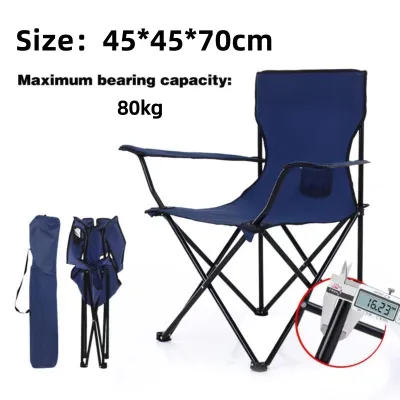
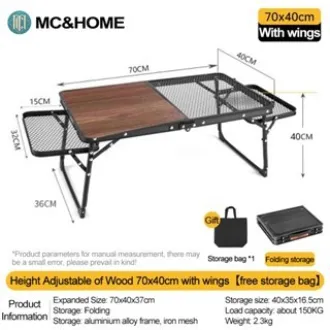
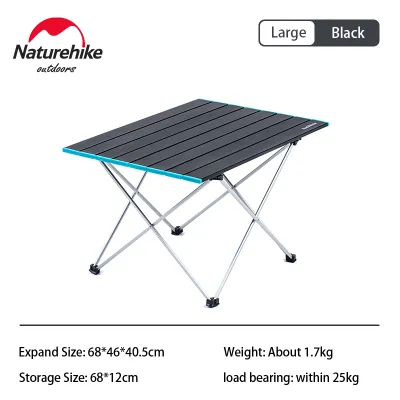
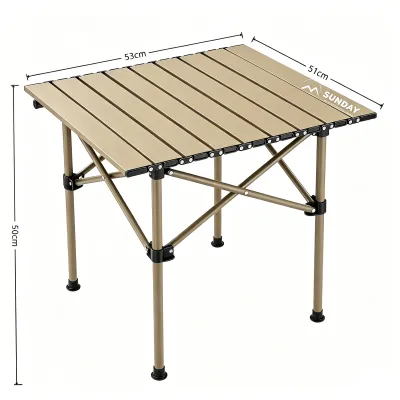
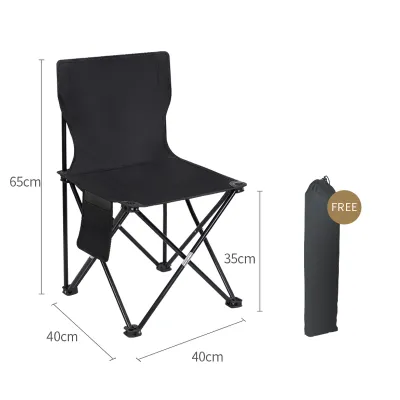
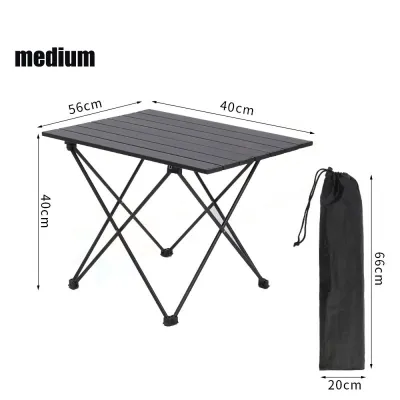
![ISSI Diary Foldable Camping Table Heavy Duty Carbon Steel Outdoor Picnic Desk Portable Hiking BBQ Fishing Equipment [COD Free Shipping]](https://img.lazcdn.com/g/p/9e47ffe8cf563dd518a1a0c3b6b2f5f8.jpg_400x400q80.jpg_.webp)
Prices are valid at publication and may change. Please refer to the product page for the latest price.
Furthermore, wet weather directly impacts the ground conditions of your campsite. Soft, muddy, or waterlogged soil reduces the load-bearing capacity of the ground, making it difficult to keep camp furniture stable. Lightweight tables, which naturally have less mass to anchor them, are particularly vulnerable to sinking, tilting, or tipping over when placed on uneven, slick terrain. Balancing the need for a highly packable, lightweight design with the physical demands of wet, unstable ground is a primary challenge when selecting rainy-season gear.
Evaluating Tabletop Materials for Moisture Resistance
To ensure your camping table survives wet conditions, you must carefully evaluate the tabletop material and its surface treatment. When browsing options on an online marketplace or at a local outdoor retailer, look closely at the manufacturer’s specifications for verified waterproof coatings or non-porous finishes. Anodized aluminum is a highly reliable choice for lightweight designs; the anodization process creates a durable oxide layer that prevents water from contacting the raw metal beneath.

High-density plastics, such as high-density polyethylene (HDPE), offer excellent water resistance without adding excessive weight. These materials are completely non-porous, meaning they will not absorb water, swell, or rot even when left in a downpour. However, when choosing plastic composites, check the overall packability and weight. Some heavy-duty molded plastics can be bulky, so look for roll-top or folding designs that balance moisture protection with a compact packed size.
Natural materials like bamboo or hardwood are popular for their aesthetic appeal, but they present distinct limitations in continuous dampness. Without a thick, heavy-duty polyurethane sealant, natural wood fibers will inevitably absorb atmospheric moisture. While some manufacturers apply light water-resistant coatings, these layers can wear off over time, requiring regular reapplication. If you prefer the look of wood, be prepared for additional maintenance and the added weight of protective sealants.
Another critical area to inspect is the edge banding and seam sealing of the tabletop. For tables constructed with composite cores or layered panels, the edges are the most vulnerable point for water ingress. Ensure that the edge bands are seamlessly fused to the top surface without any visible gaps or lifting. If water penetrates these seams, it can rot the inner core from the inside out, even if the top surface itself is completely waterproof.
Inspecting Frames and Joints for Rust Resistance
The frame of your lightweight camping table serves as its backbone, and keeping it rust-free is essential for long-term usability. When evaluating frame materials, check the product labels to identify the exact metals used. Aluminum alloys, particularly 6000- or 7000-series aluminum, are highly favored for lightweight gear because they naturally resist rust better than steel. If the frame is made of steel, ensure it features a thick, even powder-coated finish, which acts as a physical barrier against moisture.
Beyond the main tubes, pay close attention to the joint mechanisms, hinges, and rivets. These moving parts are often made from different metals than the main frame, creating potential points for galvanic corrosion. Look for tables that specify the use of stainless-steel hardware or brass rivets at these critical junctions. If the manufacturer uses standard steel hardware without a protective zinc or chrome plating, these small components will likely be the first to rust, seizing the folding mechanism.
You can often spot poor weatherproofing by performing a close visual inspection of the table’s frame. Look for exposed raw metal edges, especially around pre-drilled holes, tube ends, and welded joints. Uncoated internal tubes are another common vulnerability; if water enters the open end of a frame tube, it can rust the interior unseen. Opt for designs with sealed tube ends or protective plastic caps that prevent water from entering the hollow frame.
Keep in mind that ultra-lightweight frames often utilize thinner gauge metals to minimize weight. While these designs are highly portable, they require careful handling during setup and transport. Scratches, dents, or deep abrasions on the frame can chip away powder coatings or anodized layers, exposing the underlying metal to the humid air. Treating your gear gently and avoiding rough contact with rocky ground will help preserve these protective barriers.
Ensuring Stability and Safety on Wet Ground
Setting up a lightweight table on wet, slippery, or muddy ground requires specific design features to ensure safety and stability. Start by examining the design of the foot caps. Narrow, pointed legs will easily sink into soft mud, causing the table to tilt and spill your items. Look for wide, pivoting mud feet or textured rubber foot caps that distribute the table’s weight over a larger surface area and shed mud easily.
The table’s overall geometry also plays a significant role in its stability. A low center of gravity and a wide leg spread help prevent the table from tipping over in wet, windy conditions. When choosing a table, consider how the legs extend relative to the tabletop; legs that flare outward past the edge of the table generally offer greater stability compared to vertical, straight-down legs, especially when wind gusts accompany a tropical downpour.
If your campsite is located on uneven or waterlogged terrain, adjusting the leg lengths can help keep the tabletop level. However, you must perform these adjustments strictly according to the manufacturer’s instructions to avoid compromising the frame’s strength. Never extend legs beyond their marked safety limits, as this can place excessive stress on the locking mechanisms, leading to a sudden collapse under load.
Finally, always verify the finished dimensions and the manufacturer’s stated maximum load capacity before loading the table with heavy cooking gear or water containers. Placing heavy items on a table that is already resting on slick, unstable ground increases the risk of structural failure or tipping. Keep in mind that wet conditions can reduce the friction between the table feet and the ground, making it easier for the table to slide if it is overloaded or unevenly balanced.
Post-Rain Drying and Storage Routines
Proper maintenance after a rainy camping trip is a highly effective way to prevent long-term moisture damage and extend the lifespan of your gear. Before packing your table into its carry bag at the end of a trip, take a few minutes to wipe down all surfaces with a clean, dry cloth. Shake the frame gently to dislodge any water trapped inside the hollow tubes or folding joints, as packing a wet table into a sealed bag creates a humid microclimate that accelerates rust.
Once you return home, do not leave the table packed away in its storage bag. Unfold the table completely and allow it to air-dry in a shaded, well-ventilated area. Avoid leaving it in direct, intense sunlight for extended periods, as extreme heat and UV rays can degrade plastic components and weaken certain adhesives. Ensure that all joints, hinges, and fabric carrying straps are completely dry to the touch before storing the table long-term.
When cleaning mud or grit off the table, check the manufacturer’s care label for approved cleaning agents. Avoid using harsh chemical solvents, abrasive scrubbing pads, or strong detergents, as these can strip away protective anodized layers, powder coatings, or waterproof finishes. A mild soap solution and a soft sponge are usually sufficient to clean off dirt without damaging the protective barriers.
Store your dry camping table in a cool, dry indoor environment, away from damp garage floors or humid outdoor sheds. Before your next outdoor adventure, take a moment to inspect the frame and joints for any early signs of corrosion or wear. Catching minor surface oxidation early allows you to address it before it compromises the table’s structural integrity, protecting your gear investment and ensuring a reliable setup for your next trip.
Frequently Asked Questions (FAQ)
Can I leave a lightweight camping table outside overnight during the rainy season?
Leaving a lightweight camping table exposed to the elements overnight during the rainy season is generally not recommended. Even if the table features waterproof materials, the cumulative effect of heavy overnight dew, continuous rain, and dropping temperatures can stress joints and trap moisture in hard-to-reach areas. Over time, this constant exposure accelerates the degradation of protective coatings and increases the risk of rust on hardware. To protect your gear, it is highly recommended to pack the table away inside your tent or vehicle overnight, or use a verified waterproof cover according to the manufacturer’s guidelines.
How do I remove surface rust from a camping table frame?
If you notice minor surface rust on your table’s metal frame, address it promptly to prevent it from spreading. First, determine if the rust is superficial or if it has deeply pitted the metal, which could compromise the frame’s structural integrity. For light surface rust, use a gentle cleaning method, such as wiping the area with a soft cloth dipped in a mild vinegar solution, then rinsing and drying it thoroughly. Always check the manufacturer’s warranty and care instructions before applying any commercial rust removers, as some chemicals can strip away remaining protective coatings. If the rust has penetrated deeply into structural joints or load-bearing parts, stop using the table and consult a professional or the manufacturer for repair options.

Community discussion
Share your experience or ask a question. Comments are reviewed before publication.