
Finding the right metal rack for a home office in the Philippines requires balancing structural strength, space constraints, and environmental factors like high humidity. A well-chosen rack organizes heavy printers, reference books, and archives while keeping your workspace visually clean. To make the right choice, you must evaluate your specific storage load, measure your available space, and select a material finish that resists moisture and rust over time. Investing in a durable storage solution helps maintain an efficient workflow and protects your valuable office equipment from damage.
Key Factors to Evaluate Before Buying a Metal Rack
Before browsing online catalogs or visiting local furniture showrooms, you must accurately assess the physical limits of your workspace. Begin by measuring the exact floor area where you plan to position the rack, keeping in mind that you need sufficient clearance for nearby doors, drawers, and desk chairs to move freely. Do not forget to measure the height of your ceiling and the dimensions of any entryways, hallways, or stairwells the package must pass through during delivery. A rack that fits perfectly in your office is of little use if it cannot clear a low ceiling in a tight stairwell during transport.
Next, estimate the total weight of the items you intend to store on the shelves. Home office equipment can be surprisingly heavy; a professional laser printer, multiple reams of copy paper, and rows of dense arch files can easily exceed the weight limits of standard decorative shelving. Take the time to list your heaviest items and calculate their combined weight so you can compare this against the manufacturer’s rated load capacity. Choosing a rack with a load capacity that comfortably exceeds your estimated weight ensures the structure remains stable and safe over years of continuous use.
Products mentioned in this guide
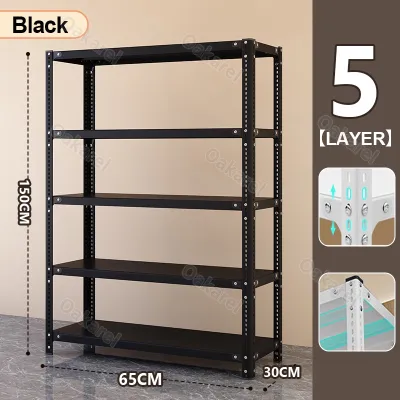
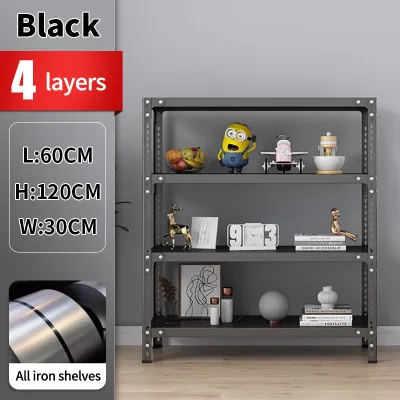
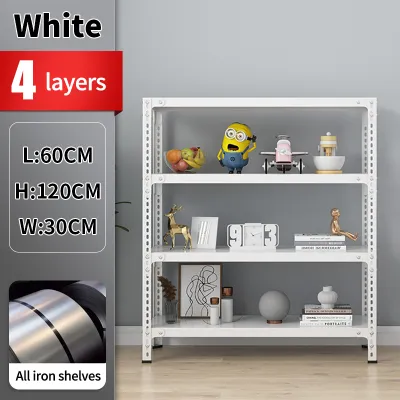
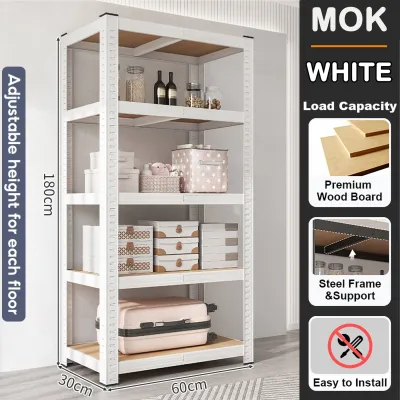
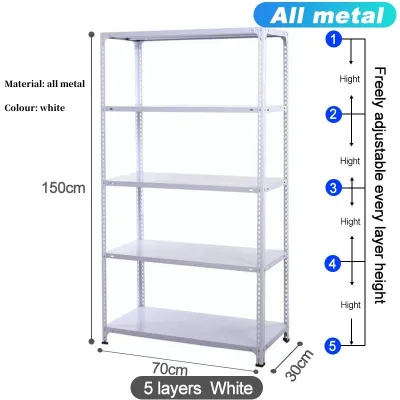
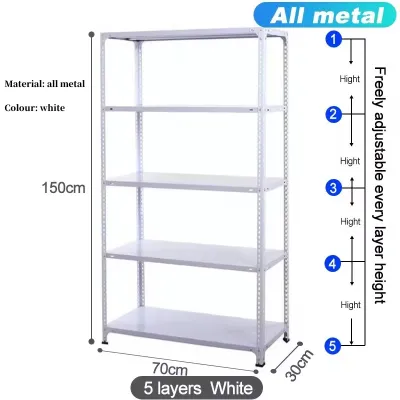
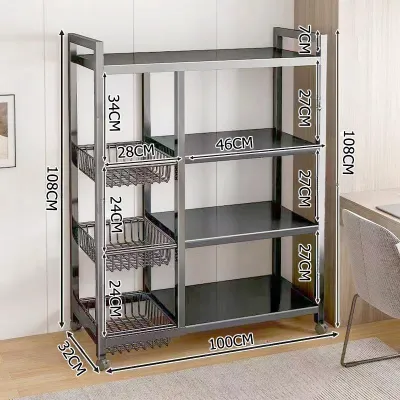
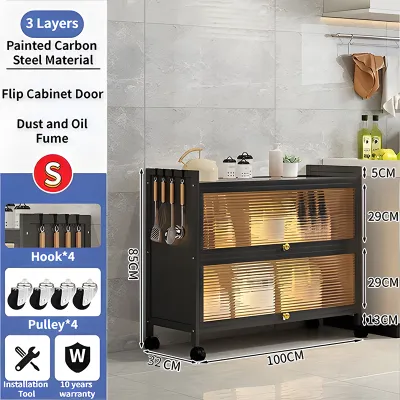
Prices are valid at publication and may change. Please refer to the product page for the latest price.
Finally, consider how frequently you will need to access different items and whether your storage needs are likely to change. If you plan to store items of varying heights, such as tall binders alongside short storage boxes, look for a metal rack that features adjustable shelf heights. This flexibility allows you to optimize the vertical space in your office, preventing wasted gaps and ensuring that frequently used tools remain within easy reach. Racks with fixed shelves may limit your organization options and force you to store tall items horizontally, which can damage pages and make retrieval difficult.
Types of Metal Racks for Home Office Needs
Metal racks come in several distinct designs, each suited to different organizational tasks and office environments. The three primary styles you will encounter are heavy-duty solid shelving, wire grid racks, and tiered bookcases with decorative accents. Understanding the functional differences between these designs will help you choose a unit that matches both your storage requirements and your office decor.

The design of your rack directly impacts the airflow, dust accumulation, and visual neatness of your workspace. In a tropical climate characterized by high humidity, airflow is a critical factor in preventing mold and mildew growth on paper documents and electronic components. While solid shelves offer a flat and continuous surface for small items, they can trap moisture and block light, whereas wire grids promote excellent ventilation but require careful organization to keep small items secure.
Heavy-Duty Shelving for Equipment and Archives
Heavy-duty metal shelving is the most reliable choice when your home office storage demands maximum weight capacity and structural rigidity. These units are specifically designed to support heavy office machinery, such as large-format printers, uninterruptible power supplies (UPS), and dense boxes of archived tax or legal documents. By providing a solid, unyielding platform, heavy-duty shelves ensure that your expensive equipment remains safe and level.
To prevent the shelves from sagging or bowing under concentrated weight, high-quality heavy-duty racks utilize thick-gauge steel and reinforced support beams. Look for models that feature cross-bracing on the back or sides, as this structural element prevents the rack from swaying or leaning when fully loaded. The solid shelf surfaces, often made of dense steel panels or reinforced composite boards, distribute weight evenly across the frame to eliminate pressure points.
However, these robust systems come with specific trade-offs that you must consider before purchasing. Heavy-duty units are significantly heavier than other options, making them difficult to assemble, move, or reposition once they are in place. Additionally, the solid shelves block light and restrict vertical airflow, which can create dark, stagnant pockets in your office if the rack is placed in a poorly ventilated corner.
Wire Grid Racks for Airflow and Light Supplies
Wire grid racks offer a lightweight, versatile, and highly ventilated storage solution that is ideal for general office supplies and tech accessories. These racks feature shelves constructed from welded steel wires arranged in a grid pattern, supported by sturdy corner posts. They are particularly popular in home offices because they maintain a clean, open look that does not make a small room feel cramped or dark.
One of the primary advantages of wire shelving is its ability to promote maximum airflow, which is essential for keeping electronic devices cool and preventing moisture buildup in humid environments. Furthermore, dust does not easily accumulate on wire shelves because particles fall through the grid rather than settling on a flat surface, making your cleaning routine much simpler. The lighter weight of these units also means you can easily move them when rearranging your office layout.
Despite these benefits, wire grids present challenges when storing small or unstable items. Pens, paperclips, thin notebooks, and small decorative items can easily slip through the gaps or tip over on the uneven wire surface. To address this issue, you can purchase custom-fit plastic shelf liners or use decorative storage baskets to hold smaller items securely while maintaining the benefits of the wire frame.
Tiered Bookcases for Documents and Display
If your home office serves as a space for receiving clients or video conferencing, a tiered metal bookcase offers a more polished and professional aesthetic. These units typically combine a sleek metal frame with shelves made of wood, laminate, or tempered glass, blending industrial strength with modern design. They are perfect for organizing reference books, displaying professional certifications, and showcasing decorative items that personalize your workspace.
When evaluating tiered bookcases, pay close attention to the mechanisms used to secure the shelves and prevent items from falling. High-quality models feature adjustable shelf pins that fit securely into reinforced holes along the metal frame, allowing you to customize the height of each tier. Additionally, look for bookcases with raised lip edges or back panels, which act as barriers to prevent books and binders from sliding off the sides or back of the shelf.
The main appeal of these bookcases lies in their ability to integrate seamlessly with existing home furniture. Unlike purely industrial utility racks, a metal-framed bookcase with warm wood tones or clean glass shelves softens the visual impact of the metal, creating a welcoming and productive atmosphere. This makes them an excellent choice for multi-purpose rooms where the home office must blend with a living room or bedroom.
Structural and Material Checks for Longevity
To ensure your metal rack lasts for years without deteriorating, you must perform a careful quality check of its materials and construction before buying. In the Philippines, where high humidity and coastal salt air can accelerate corrosion, the surface treatment of the metal is of paramount importance. Do not rely on generic “rust-proof” marketing claims; instead, look for product specifications that explicitly state the use of powder coating or chrome plating. Powder coating involves baking a protective polymer powder onto the steel, creating a thick, durable barrier that resists scratches, moisture, and rust far better than standard liquid paint.
Next, examine how the structural joints and connections are designed. Boltless racks, which use keyhole slots and rivets to snap together, are highly popular because they require no tools for assembly and are easy to adjust. However, you must verify that the steel gauge is thick enough to prevent the slots from bending under load. Bolted connections, while requiring more effort and tools to assemble, provide a highly rigid frame that is less prone to wobbling, provided you tighten all nuts and bolts securely during installation.
Finally, inspect the mechanisms that support the adjustable shelves. The brackets, clips, or pins must be made of high-strength steel or reinforced materials that fit tightly into the vertical posts. Avoid racks with loose-fitting plastic clips or thin metal tabs that can easily shear or bend under weight. A secure shelf support system ensures that even if the rack is accidentally bumped, the shelves will remain locked in place, protecting your belongings from falling.
Assembly, Placement, and Safety Considerations
Proper assembly and placement are critical to ensuring the safety and stability of your metal rack. Tall, narrow, or top-heavy racks pose a significant tip-over hazard, especially in active households with children or pets, or during seismic events. To eliminate this risk, always anchor any rack taller than chest height to the wall using heavy-duty wall straps or L-brackets. If your home office has concrete or masonry walls, use appropriate masonry anchors and screws; for drywall, ensure the brackets are screwed directly into the wooden wall studs rather than the plasterboard alone.
Another common issue in home offices is uneven flooring, which can cause a metal rack to twist, wobble, or lean. This structural twisting puts uneven stress on the joints, reducing the overall load capacity and potentially causing shelves to fail. To prevent this, choose a metal rack equipped with adjustable leveling feet or foot pads. By turning these threaded pads, you can compensate for minor floor imperfections and ensure the rack stands perfectly level and stable.
During the assembly process, strictly follow the manufacturer’s step-by-step instructions and use the recommended tools. Before you begin, unpack all components and lay them out to verify that no parts are missing, bent, or damaged. If you notice any structural defects, such as a warped post or a cracked weld, stop assembly immediately and contact the manufacturer or retailer for a replacement. Attempting to assemble and load a compromised rack can lead to sudden structural failure and injury.
Where to Source and Verify Metal Racks
When shopping for a metal rack, verifying product claims is essential to avoiding low-quality purchases. Online marketplace listings are often filled with inaccurate dimensions, exaggerated weight capacities, and misleading photos. To protect your investment, cross-reference the seller’s product description with the manufacturer’s official website or user manual. Look for detailed technical drawings and specification sheets that confirm the exact steel gauge, outer dimensions, and certified load limits.
Additionally, carefully review the retailer’s return policies, warranty coverage, and shipping terms before finalizing your purchase. Because metal racks are heavy and bulky, shipping fees can add a significant amount to your total cost, and returning a defective unit can be difficult and expensive. Look for sellers that offer clear warranties against structural defects and have established customer service channels to handle replacement parts if needed.
Once your rack is delivered, perform a thorough inspection of the package before you begin assembly. Check the metal frames for any signs of bending or denting that may have occurred during transit, and inspect the powder-coated finish for chips or deep scratches that could expose the raw steel to moisture. Verifying the condition of all parts and hardware packs immediately upon delivery ensures that you can resolve any issues with the seller quickly and start your assembly with confidence.
Frequently Asked Questions (FAQ)
How much weight can a standard home office metal rack hold?
The weight capacity of a home office metal rack varies significantly depending on the steel gauge, shelf design, and overall dimensions. Light-duty wire racks typically support between 30 to 50 kilograms per shelf, whereas heavy-duty industrial shelving units can hold 100 kilograms or more per level. To determine the exact limit, always consult the product label or manufacturer’s manual, and remember to distribute the weight evenly across the shelf surface while placing the heaviest items on the bottom.
Is it necessary to anchor a metal rack to the wall?
Yes, anchoring is highly recommended for any metal rack that is tall, narrow, or loaded with heavy items on the upper shelves. Anchoring prevents the rack from tipping over due to accidental bumps, heavy loading, or environmental vibrations. Always use the wall-anchoring hardware provided by the manufacturer, and ensure you select the correct anchors for your specific wall material, such as concrete screws for masonry walls or toggle bolts for drywall.

Community discussion
Share your experience or ask a question. Comments are reviewed before publication.