
Finding a sofa that accommodates a large family while maintaining a clean, minimalist aesthetic is a balancing act. You need generous seating capacity without the visual bulk that makes a living room feel cramped. Achieving this requires looking beyond surface-level styling to evaluate configuration, structural scale, and material durability. By focusing on low-profile designs, smart configurations like modular or L-shaped layouts, and high-performance fabrics, you can create a welcoming gathering space that preserves an open, airy atmosphere.
Assess Your Space and Seating Needs
Before browsing online marketplaces or visiting local showrooms, you must establish the physical boundaries of your living room. A large sofa can easily overwhelm a space if you do not account for the surrounding clearance. Start by measuring the length and width of the designated sofa area, keeping a close eye on the distance to adjacent walls, doorways, and other furniture pieces.
Walkway clearance is vital for maintaining a comfortable traffic flow. As a general rule, aim for at least 60 to 90 centimeters of open space around the sofa to allow family members to pass by without squeezing. If your living room serves as a primary thoroughfare to the dining area or kitchen, keeping these pathways clear prevents the room from feeling congested.
Products mentioned in this guide
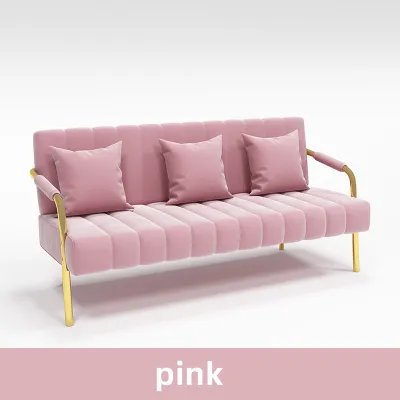
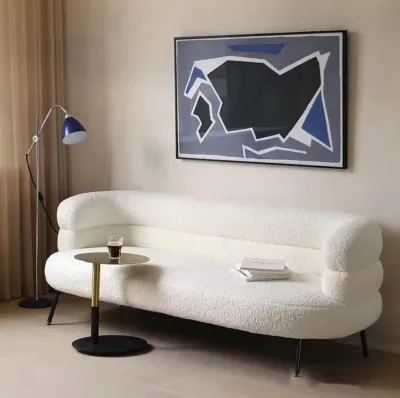
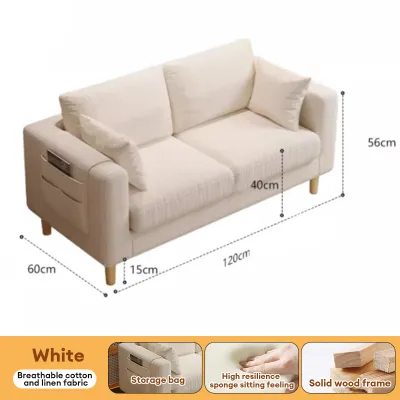
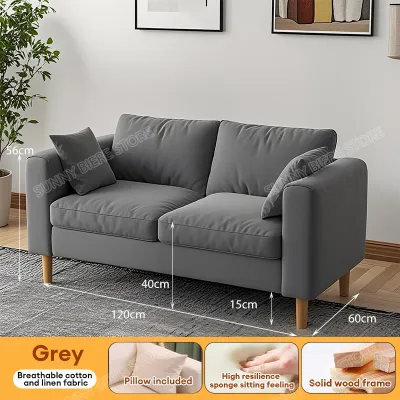
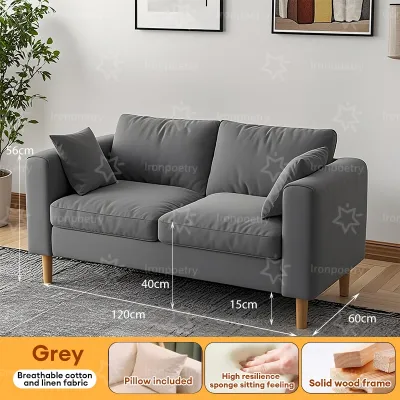
Prices are valid at publication and may change. Please refer to the product page for the latest price.
Next, calculate your required seating capacity against your available floor space. While you might want to seat five or six people simultaneously, a single massive piece of furniture might block natural light or cover essential wall outlets. Consider whether a slightly smaller primary sofa paired with a light accent chair might serve your family better than an oversized couch that dominates the entire room.
Finally, identify the room’s natural focal points, such as a television, a large window, or a media console. Your sofa placement should complement these features rather than compete with them. In tropical homes, positioning the sofa to maximize airflow from windows or air conditioning units can significantly improve daily comfort during hot afternoons.
Compare Configurations: 3-5 Seater vs. L-Shaped vs. Modular
Choosing the right configuration determines how your family interacts and how much open floor space remains. Each layout offers distinct advantages for large households, depending on your room’s shape and daily habits.

A straight 3-5 seater sofa is the most traditional option and works exceptionally well in long, narrow living rooms. Because it sits flush against a single wall, it leaves the center of the room open for movement or play. When selecting a straight sofa, pay close attention to the depth of the frame and the width of the armrests. Wide, puffy armrests can eat up valuable seating space without adding utility; instead, look for slim track arms that maximize the usable cushion area while keeping the overall footprint compact.
An L-shaped sofa, or sectional, is ideal for corner placements and helps define distinct zones in open-concept homes. This configuration naturally encourages conversation by allowing family members to sit facing one another rather than in a straight line. When choosing an L-shaped model, you must verify the chaise orientation—whether it is left-facing or right-facing when looking at the sofa. A misplaced chaise can block entryways or cut off the visual flow of the room, making the space feel closed in. Pay attention to the visual weight of the chaise; a model with an open end or a low backrest keeps the room looking lighter.
Modular sofas offer the ultimate flexibility for growing families and changing living arrangements. These systems consist of individual chairs, corners, and ottomans that you can arrange, separate, or expand as needed. If you enjoy hosting gatherings or anticipate moving to a new home in the future, modular units adapt easily to different layouts. When evaluating modular options, inspect the connection mechanisms underneath the frames. High-quality brackets or interlocking clips are essential to prevent the individual modules from sliding apart when family members sit down.
Identify Minimalist Design Features
Minimalism is not just about having less furniture; it is about choosing pieces with clean lines and intentional structures that minimize visual clutter. To achieve this look with a large family sofa, you must focus on specific design details that create an illusion of spaciousness.
Look for sofas with low-profile frames and straight, clean lines. A lower backrest keeps sightlines open across the room, which is particularly helpful in open-plan living areas. Streamlined or track armrests are another hallmark of minimalist design. Unlike rolled or flared arms, straight track arms occupy minimal physical space while reinforcing the geometric simplicity of the piece.
The design of the sofa legs plays a crucial role in its visual weight. Sofas that sit directly on the floor can look heavy and blocky, especially in larger sizes. Choosing a model with exposed, slender legs—whether made of matte black metal or slim, tapered wood—lifts the bulk of the sofa off the ground. This exposure allows light to pass underneath, making the entire room feel larger and more open.
Pay close attention to the surface details of the cushions. Minimalist sofas typically eschew heavy tufting, deep buttons, or elaborate piping. Instead, look for flat, neat seams and smooth cushion faces. If you prefer some texture, subtle French seams or simple flanged edges can add character without disrupting the clean, cohesive aesthetic of the overall design.
Evaluate Frame Types and Upholstery for Family Use
A family sofa must endure daily wear, spills, and active use while retaining its shape and clean appearance. Balancing durability with a minimalist aesthetic requires a close look at the materials hidden beneath the fabric.
Do not rely solely on generic material names when assessing durability. Instead, review the manufacturer’s specifications for frame construction. Look for frames made from kiln-dried hardwood, which resists warping and cracking under changing humidity levels—a common concern in tropical climates. Check the joinery methods listed; frames reinforced with corner blocks, dowels, or heavy-duty screws offer far greater stability than those held together only with staples and glue.
Upholstery selection is equally critical for a busy household. Before purchasing, check the product labels for abrasion resistance, often measured in double rubs. For heavy family use, look for fabrics rated for high traffic, typically 15,000 to 30,000 double rubs or more. Review the cleaning codes on the fabric label (such as W for water-based cleaners or S for solvent-based cleaners) to ensure you can easily manage spills.
For practical family maintenance, performance fabrics that resist stains and moisture are highly recommended. Alternatively, look for sofas with fully removable and washable slipcovers. When budgeting, compare prices in ₱ across local retailers for similar configurations. While entry-level modular setups might start around ₱25,000, premium performance fabrics and solid wood frames can range from ₱60,000 to over ₱120,000. Investing in a durable, easy-to-clean fabric upfront can save you the cost of early reupholstery or replacement.
Verify Delivery, Assembly, and Placement Conditions
Even the most beautiful minimalist sofa is of no use if it cannot fit through your front door. Before finalizing your purchase, you must plan the logistics of delivery and assembly.
Confirm the exact dimensions of all delivery access routes. Measure the width and height of your front door, hallway turns, stairwells, and elevator cabins. If you live in a high-rise condominium or a multi-story townhouse, these tight spaces often present the biggest obstacles for large, single-piece 3-seater or 5-seater frames. In contrast, modular sofas are much easier to transport through narrow corridors because they arrive in smaller, individual boxes.
Review the assembly requirements and tools needed for your chosen sofa. Some modular or L-shaped units require attaching legs, brackets, or alignment clips. Ensure you have the necessary tools on hand, or check if the retailer offers professional assembly services upon delivery.
When positioning the sofa in its final spot, ensure it does not block natural light sources, air conditioning vents, or primary walkways. Placing a large sofa directly in front of a window can block natural light and restrict airflow, which is vital for keeping tropical homes cool and dry. Leave a small gap between the sofa and the wall to promote air circulation and prevent moisture buildup behind the cushions.
Frequently Asked Questions (FAQ)
How do I keep a minimalist light-colored sofa clean with kids?
Keeping a light-colored minimalist sofa clean in a busy household requires a proactive maintenance routine. Always check the manufacturer’s cleaning codes before applying any liquid or foam cleaners to the fabric. Vacuum the cushions weekly using an upholstery attachment to remove dust, crumbs, and pet hair before they become embedded in the fibers.
For accidental spills, act quickly by blotting the area with a clean, dry microfiber cloth; never rub, as this can push the stain deeper into the weave. If your sofa features removable, machine-washable covers, follow the washing instructions carefully to avoid shrinkage. For stubborn stains or delicate fabrics, scheduling a professional deep-cleaning service once or twice a year can help maintain the fresh, clean look of your investment.
Can a modular sofa be rearranged if we move to a new house?
Yes, one of the greatest benefits of a modular sofa is its ability to adapt to new spaces. Before rearranging, verify the manufacturer’s specific connection system to ensure you can safely detach and re-secure the modules without damaging the frames. Keep in mind the weight limits and structural balance of individual pieces when creating new configurations.
If you plan to expand your sofa in the future, check if the retailer sells individual modules separately. Be aware that fabric dye lots can vary slightly between different production runs. If you purchase additional pieces years after your original buy, there may be a subtle difference in color or texture, which could affect the uniform, seamless look central to minimalist design.

Community discussion
Share your experience or ask a question. Comments are reviewed before publication.