
Finding the right living table for a compact condominium in the Philippines requires balancing style, comfort, and utility. In dense urban centers where studio and one-bedroom layouts are the norm, every square meter of floor space must be utilized with intent. A standard, single-purpose coffee table often becomes an obstacle rather than an asset. By choosing a multi-functional living table, you can transform a tight seating area into a workspace, a dining zone, or a hidden storage hub without overcrowding your home.
Assess Your Condo Space and Traffic Flow
Before browsing online marketplaces or visiting local showrooms, you must map out the physical boundaries of your living area. Instead of measuring the entire room from wall to wall, focus specifically on the active seating zone. This is the immediate footprint occupied by your sofa, armchairs, and the floor space directly in front of them.
Take note of the architectural features that dictate movement in your condo. Identify the swing paths of entry doors, bedroom doors, and built-in cabinet doors. In many Philippine high-rises, balcony sliding doors or low-hanging window units can also restrict where furniture can safely sit. A table that blocks these pathways will quickly become a daily frustration.
Products mentioned in this guide
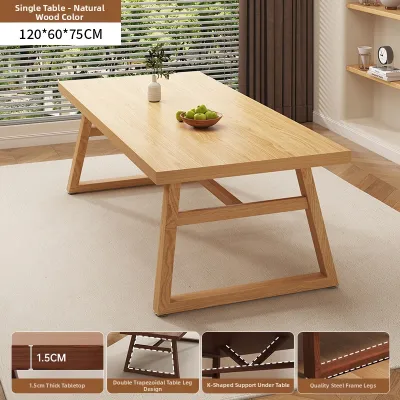
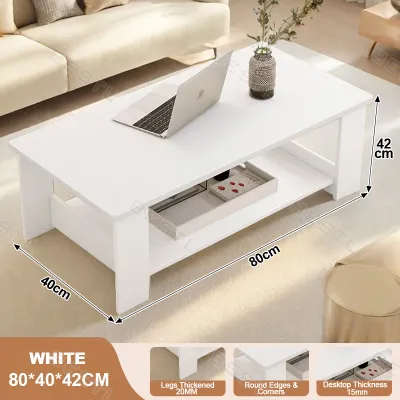
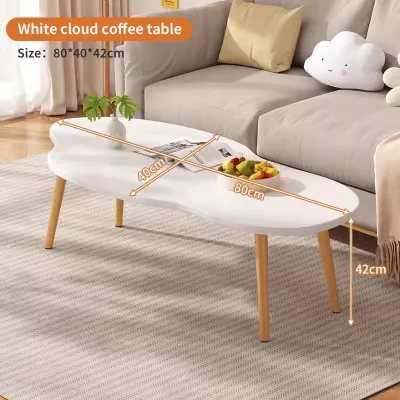
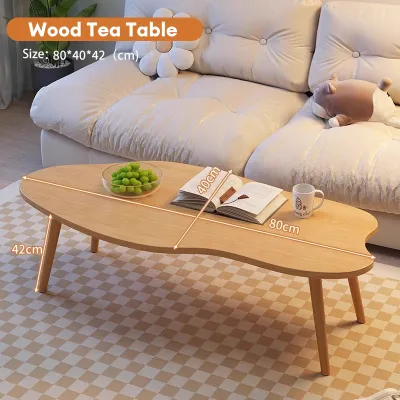
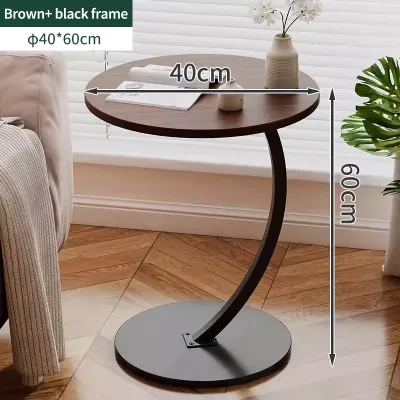
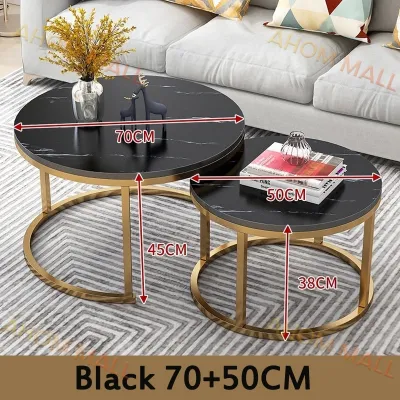
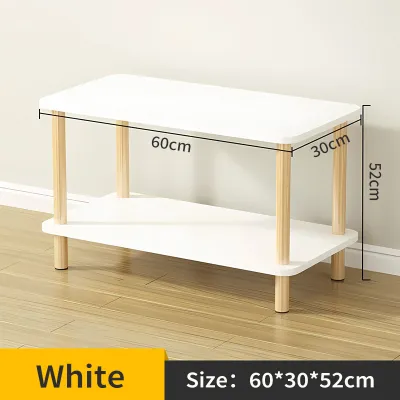
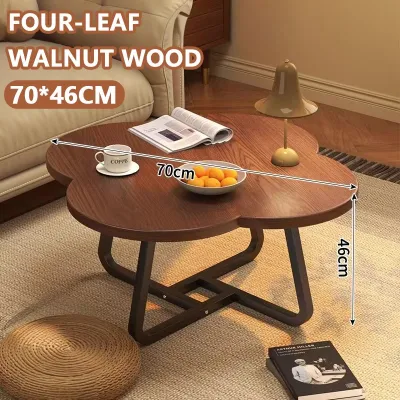
Prices are valid at publication and may change. Please refer to the product page for the latest price.
You must also define the primary role this table will play in your daily routine. Ask yourself if it will serve mainly as a resting place for drinks, a secondary desk for remote work, or the main dining surface for your household. Pinpointing this primary function helps you decide whether you need a table that lifts, expands, or simply slides out of the way when not in use.
Types of Multi-Functional Living Tables for Compact Layouts
Lift-top living tables are highly practical for studio units where a separate dining set or desk is not feasible. These designs feature a top surface that lifts upward and forward on a mechanical bracket, bringing the table closer to you while you sit on the sofa. When evaluating these tables, check the vertical clearance required to raise the top and ensure the extended height aligns ergonomically with your chest level for comfortable typing or dining.

Nested and expandable tables offer excellent flexibility for hosting guests without permanently sacrificing floor space. Nested sets consist of two or three tables of graduating sizes that slide completely underneath one another when not in use. For expandable designs, always verify the exact footprint of the table when it is fully collapsed versus when it is fully extended. This ensures that you can comfortably walk around the table even when it is open to its maximum size.
Hidden storage coffee tables help keep daily clutter out of sight, which is essential for maintaining a sense of openness in small spaces. These tables often feature lift-up lids, slide-out drawers, or hollow bases. Before purchasing, verify the internal depth of these compartments and check if the opening mechanism requires extra overhead or side clearance. Some lids slide outward, which might collide with your sofa or shins if space is tight.
C-tables and slide-under designs are the ultimate space-savers for extremely narrow layouts. Named for their C-shaped profile, these tables feature a flat base that slides directly under the frame of your sofa or armchair, allowing the tabletop to hover over the armrest or seat cushion. To ensure compatibility, measure the clearance beneath your sofa frame to confirm the table’s base can slide under smoothly without scratching the floor or catching on the upholstery.
Key Dimensions and Clearance Rules for Small Apartments
Achieving a comfortable layout in a compact condo relies on precise spacing rather than guesswork. To calculate the ideal distance between your sofa edge and the living table, sit on your sofa and measure your comfortable leg extension. Generally, leaving enough space to stand and turn comfortably without your knees hitting the table edge is the goal. This distance allows for easy access while keeping drinks and remotes within arm’s reach.
Walkway clearance is another critical factor for maintaining a smooth traffic flow. Identify the main paths people take to cross the living room, access the kitchen, or reach the bathroom. In high-traffic zones, you will want to ensure the table leaves a clear path wide enough for a person to walk through naturally without having to turn sideways.
Proportion is equally important when matching the height of your living table to your seating. A table that is significantly taller or shorter than your sofa cushions can cause physical strain and look visually awkward. Aim for a table height that sits relatively level with or slightly lower than the top of your sofa seat cushions, as this maintains a balanced profile and makes reaching for items effortless.
To avoid costly return shipping or layout mistakes, use painter’s tape or newspaper to mock up the table’s footprint on your floor. Outline the exact dimensions of the table you are considering, including its fully extended or opened state. Walk around this temporary template for a day or two to experience how the physical object will impact your daily movement and spatial comfort.
Common Space-Matching Mistakes to Avoid
One of the most frequent errors in small-space design is choosing a living table with a heavy visual weight. Solid block bases, dark heavy timbers, and bulky box designs tend to absorb light and make the surrounding floor area feel incredibly cramped. Opting for open frames, slender legs, or reflective surfaces helps keep the sightlines clear, making the room feel larger than it actually is.
Another common oversight is ignoring the swing radius of nearby doors, drawers, and appliance handles. In compact condo layouts, the living room is often adjacent to a kitchen counter or a wardrobe. A table placed too close can prevent you from fully opening a refrigerator door, a kitchen drawer, or a storage cabinet, leading to constant physical interference.
Many buyers also overestimate the actual usable storage inside lift-top or hollow tables. They fail to account for the space occupied by internal metal brackets, gas struts, or wooden dividers. Always check the manufacturer’s internal specifications or product diagrams to ensure the storage compartments can actually accommodate your specific items, such as laptops, board games, or extra cushions.
Finally, avoid selecting a convertible table that requires you to rearrange your entire living room every time you want to use its features. If you have to push your sofa back, move an armchair, or roll up an area rug just to lift the tabletop or extend a leaf, you will likely stop using those functions altogether. Choose a design that transforms smoothly within the existing boundaries of your layout.
Frequently Asked Questions (FAQ)
Can a multi-functional living table replace a dining table in a studio condo?
Yes, a multi-functional living table can serve as a practical dining solution, provided you select a model designed for this purpose. Lift-top and height-adjustable tables are particularly suited for this role, as they can elevate to standard dining heights. However, you must check the weight capacity and stability of the table when the mechanism is fully extended to ensure it can safely support plates, serving dishes, and leaning elbows. Additionally, verify that the base design allows enough legroom underneath so you can sit comfortably without your knees knocking against the support frame.
What materials and designs help avoid a cluttered look in a small living room?
To maintain an airy and uncluttered feel, look for materials that allow light to pass through or reflect off their surfaces. Glass, acrylic, and light-colored engineered wood tops are excellent choices for reducing visual weight. In terms of design, tables with slender metal legs, open wire frames, or raised bases are preferable to solid, floor-hugging pedestals. These open designs keep the floor visible, which tricks the eye into perceiving the room as more spacious and organized.
How do I ensure a convertible table mechanism will last in daily use?
To ensure the longevity of a convertible living table, pay close attention to the quality of its moving parts and hardware. Look for tables that utilize robust steel brackets, smooth gas-lift struts, or heavy-duty spring mechanisms rather than flimsy plastic components. Check the manufacturer’s warranty details to see if the moving hardware is covered under a dedicated policy. It is also wise to inspect the mechanism for exposed friction points that might require occasional lubrication, and always operate the table gently to prevent premature wear on the joints.

Community discussion
Share your experience or ask a question. Comments are reviewed before publication.