
Choosing a plastic storage cabinet for your kitchen and dining area requires balancing structural integrity, spatial constraints, and aesthetic appeal. In tropical climates where high humidity and dust are constant challenges, plastic offers a highly resilient, moisture-resistant alternative to traditional wood. To find the right unit, you must evaluate the physical dimensions of your room, verify the manufacturer’s weight capacity ratings, select the appropriate door transparency for your display needs, and ensure the unit can be safely anchored to your wall.
Unlike wood, which can warp, swell, or rot when exposed to moisture, or metal, which can rust in humid environments, high-quality plastic cabinets provide a durable and low-maintenance solution. However, because plastic varies significantly in density, formulation, and structural reinforcement, selecting the right cabinet involves more than just picking an attractive design. By focusing on verified specifications, structural reinforcements, and practical design features, you can find a cabinet that serves as both a functional buffet station and an elegant display for your dining sets. This guide will walk you through the essential steps to evaluate, select, and maintain a plastic cabinet that perfectly fits your home.
Assessing Your Space and Storage Needs
Before browsing online marketplaces or visiting local furniture showrooms, you must accurately measure the designated area in your kitchen or dining room. Use a reliable metal tape measure to record the maximum width, depth, and height available for the cabinet. It is essential to account for baseboards, wall moldings, and light switches, as these minor architectural details can prevent a cabinet from fitting flush against the wall.
Products mentioned in this guide
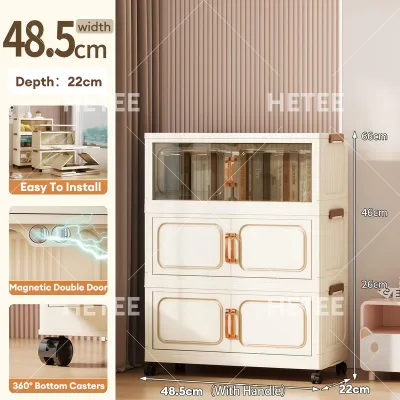
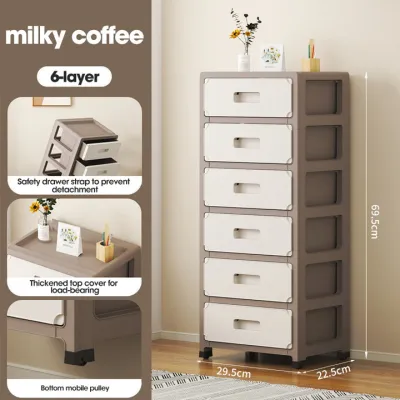
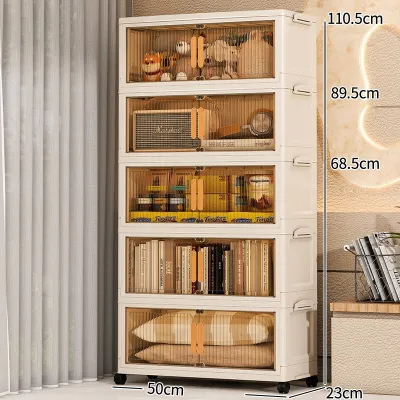
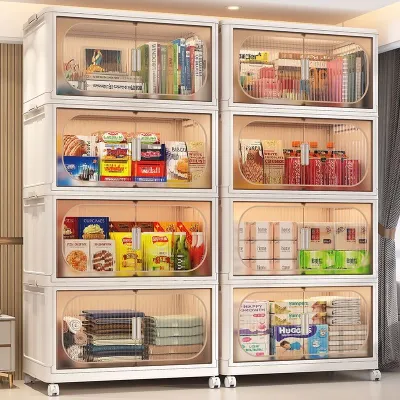
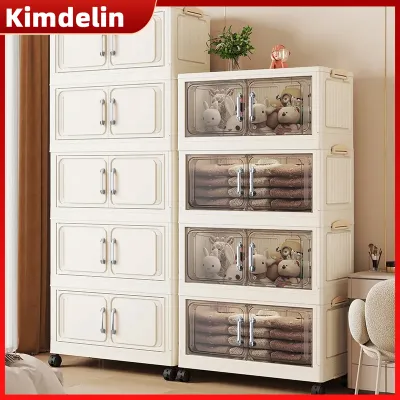
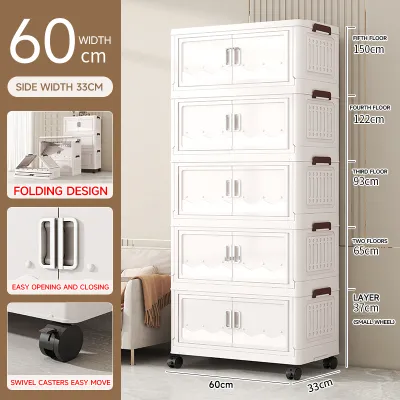
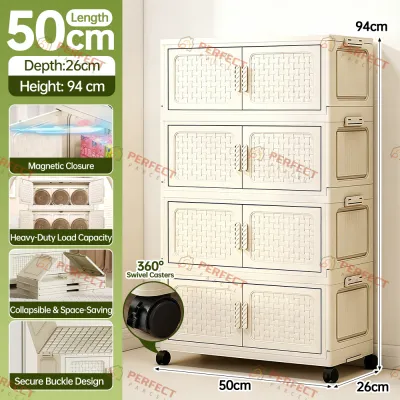
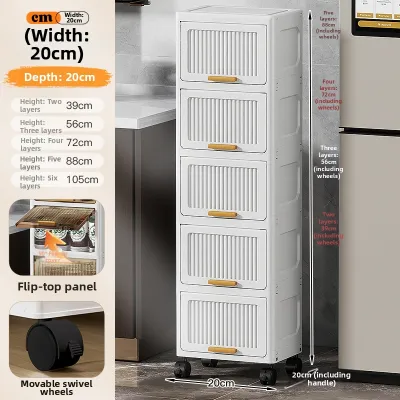
Prices are valid at publication and may change. Please refer to the product page for the latest price.
Beyond the static footprint of the cabinet, you must calculate the clearance required for daily operation. Ensure there is ample space for doors to swing open fully and for drawers to extend completely without obstructing walkways or colliding with other furniture, such as dining tables, chairs, or refrigerators. As a general rule, maintain a clear pathway of at least 60 to 90 centimeters in front of the cabinet to allow comfortable movement while retrieving items.
Equally important is verifying the delivery and assembly pathway. Measure the width and height of all entryways, including front doors, narrow hallways, stairwells, and elevator cabins, to guarantee the packaged cabinet can safely reach its destination. If you live in a multi-story building or a home with tight corners, a flat-packed plastic cabinet that you assemble in the room is often much easier to transport than a pre-assembled unit.
Finally, take a detailed inventory of the items you plan to store. Categorize your belongings into display pieces, such as fine china, glassware, and decorative serving bowls, and utility items, such as canned goods, small appliances, and plastic food containers. This categorization will help you determine the ideal balance between open display shelves, transparent glass-like doors, and fully concealed, opaque storage compartments. Having a clear plan for your storage needs prevents you from purchasing a cabinet that is either too small or lacks the appropriate compartment types.
Evaluating Plastic Build Quality and Weight Capacity
When evaluating plastic cabinets, structural durability and weight capacity must be your primary considerations. Because plastic is inherently more flexible than wood or metal, you must locate and interpret the manufacturer’s official weight ratings for both individual shelves and the overall unit. These specifications are typically found on the product packaging, user manual, or official online product listings.

Never assume a plastic shelf can support heavy ceramic dinnerware, cast-iron cookware, or small kitchen appliances without verifying its load limit. Overloading a plastic shelf can lead to gradual sagging, structural warping, or sudden failure, which can damage your valuable dining sets. If the manufacturer does not provide clear weight ratings, treat the unit as a light-duty storage option and avoid using it for heavy kitchen items.
To ensure long-term stability, look for cabinets that feature reinforced structural elements. High-quality plastic cabinets often utilize double-walled panels, which provide significantly more rigidity and resistance to bending than single-sheet plastic. Additionally, look for units with metal-reinforced shelves, interlocking joints that distribute weight evenly, and heavy-duty metal hinges rather than simple plastic snap-on hinges.
Environmental factors in your kitchen also play a critical role in the longevity of the plastic. If your dining area receives direct sunlight through windows, look for cabinets made from UV-resistant plastics, such as high-density polyethylene (HDPE) or polypropylene (PP) with UV stabilizers, to prevent the material from becoming brittle or yellowing over time. Furthermore, if the cabinet will be positioned near cooking appliances, check the manufacturer’s labels for heat tolerance specifications to ensure the plastic will not warp or degrade from ambient warmth. Understanding these material limits ensures your investment remains structurally sound for years.
Key Design Features for Buffet and Dish Display
A well-designed plastic cabinet can elevate the functionality of your dining area while keeping your tableware organized and accessible. One of the most critical design features to look for is adjustable shelving. Fixed shelves limit your storage options, whereas adjustable shelves allow you to customize the interior layout to accommodate tall pitchers, stacked dinner plates, or bulky small appliances like blenders and air fryers.
The choice of cabinet doors significantly impacts both the aesthetic appeal and the practical maintenance of your display. Transparent doors, typically made from clear acrylic or polycarbonate, allow you to showcase your finest dining sets and glassware while protecting them from airborne dust, grease, and pests. Semi-transparent or frosted doors offer a modern, blurred silhouette that hints at the contents while concealing minor clutter, while solid, opaque doors completely hide everyday kitchen essentials to maintain a clean, minimalist look.
In humid tropical environments, adequate ventilation is essential for preventing moisture buildup inside enclosed storage spaces. When damp dishes are placed in a sealed plastic cabinet, the trapped moisture can lead to musty odors, mildew, or mold growth. To prevent this, select a cabinet that features built-in ventilation slots, louvers, or breathable back panels that promote continuous airflow while still keeping dust and pests out.
If you select a low or medium-height cabinet, the top surface can serve as a highly functional buffet serving station or an extra prep workspace during family gatherings. Before placing items on the top panel, verify the manufacturer’s weight capacity for that specific surface. Ensure the top is flat, rigid, and easy to clean, and always use heat-resistant trivets or placemats to protect the plastic from hot serving dishes or condensation from cold beverage dispensers. This versatility makes the cabinet a true multi-functional asset in a busy dining room.
Building Your Plastic Cabinet Shortlist
To make an informed purchasing decision, compile a structured comparison checklist of your top cabinet candidates. Track essential specifications for each model, including external dimensions, individual shelf weight limits, total weight capacity, shelf adjustability, door styles, and the type of plastic used. This systematic approach allows you to compare options objectively rather than relying solely on visual appeal.
Establish a realistic budget in Philippine Pesos (₱) that aligns with your structural and aesthetic requirements. Basic, light-duty plastic utility cabinets may range from ₱2,000 to ₱4,000, while larger, reinforced display units featuring transparent doors, decorative finishes, and modular designs typically range from ₱5,000 to ₱12,000 or more. Investing in a slightly higher-priced unit with metal reinforcements and UV protection often yields better long-term value by preventing premature warping or cracking.
When purchasing from online marketplaces or official brand stores, carefully verify the seller’s return policies, warranty terms, and assembly requirements. A reputable manufacturer or authorized retailer should offer a clear return window for defective parts and a warranty that covers structural failures under normal use. Additionally, check whether the cabinet is shipped flat-packed or pre-assembled, and ensure you have the necessary tools and space to complete the assembly.
Finally, thoroughly analyze user feedback and customer reviews, paying close attention to comments regarding long-term stability, door alignment, and plastic warping. Look for reviews from buyers who have owned the cabinet for several months or years, as these insights are far more valuable than initial unboxing impressions. Pay specific attention to how the cabinet performs in humid conditions or under the weight of heavy ceramic dishes, as reported by actual users. This real-world feedback is often the deciding factor when choosing between two similar-looking models.
Safety, Assembly, and Maintenance Guidelines
Proper assembly is the foundation of a safe and stable plastic storage cabinet. When assembling your unit, carefully follow the manufacturer’s step-by-step instructions and ensure that all interlocking tabs, joints, and panels are fully engaged and locked into place. Avoid rushing the process or using excessive force, which can crack the plastic connectors; instead, use a rubber mallet if recommended by the manual to gently tap components into alignment.
Freestanding cabinets, especially tall or narrow models, can become top-heavy when loaded with dishes and pose a serious tipping hazard. To mitigate this risk, always place your heaviest items, such as stacks of ceramic plates, heavy serving platters, and small appliances, on the bottom shelves to lower the unit’s center of gravity. Furthermore, utilize the anti-tip hardware and wall anchors included with the cabinet to secure it firmly to a wall stud or solid masonry wall.
Maintaining the appearance and hygiene of your plastic cabinet requires gentle, regular cleaning. Wipe down the surfaces using a soft microfiber cloth dampened with warm water and a mild dish soap. Avoid using abrasive scrubbing pads, steel wool, or harsh chemical cleaners containing bleach, ammonia, or acetone, as these substances can scratch, dull, or permanently cloud the plastic, particularly transparent door panels.
Conduct periodic visual inspections of your cabinet to ensure its continued structural integrity. Check the shelves for any signs of bowing, inspect the joints and corners for stress cracks, and verify that the door hinges remain securely attached and aligned. If you detect any structural damage, warping, or loose components that cannot be tightened, immediately remove the stored items and discontinue use of the cabinet to prevent accidents or damage to your belongings. Taking these proactive steps ensures a safe kitchen environment for your entire household.
Frequently Asked Questions (FAQ)
Can plastic cabinets withstand heat from kitchen appliances?
The heat tolerance of plastic storage cabinets varies significantly depending on the specific type of plastic used and the manufacturer’s formulation. To ensure safety, always consult the product manual for the maximum temperature limits specified by the manufacturer. As a general safety precaution, maintain a safe clearance distance of at least 30 to 50 centimeters between the plastic cabinet and heat-generating appliances, such as ovens, stovetops, rice cookers, or air fryers, to prevent the plastic from warping, melting, or releasing odors. Never place hot pots or pans directly onto plastic surfaces without a heat-resistant protective pad.
How do I prevent a tall plastic cabinet from tipping over?
To prevent a tall plastic cabinet from tipping over, always load the heaviest items on the bottom shelves to establish a low center of gravity. Additionally, secure the cabinet to the wall using the anti-tip kit and anchoring hardware provided by the manufacturer. If your home has plaster, drywall, or concrete walls that require specialized anchors, or if you are unsure how to locate a wall stud, consult a qualified professional to ensure the cabinet is anchored safely and securely. Regularly check the wall anchors to ensure they remain tight and have not pulled loose over time.
Are transparent plastic doors suitable for displaying dining sets?
Yes, transparent plastic doors made from high-quality acrylic or polycarbonate are highly suitable for displaying dining sets, as they offer clear visibility while protecting your dishes from dust and pests. However, clear plastic is more susceptible to showing fingerprints, smudges, and surface scratches than opaque or textured finishes. To maintain their clarity and pristine appearance, clean the doors regularly using a soft microfiber cloth and a mild, non-abrasive cleaning solution recommended by the manufacturer. Avoid using paper towels, which can cause micro-scratches on clear plastic surfaces.

Community discussion
Share your experience or ask a question. Comments are reviewed before publication.