
Finding the perfect portable swing for your balcony requires balancing personal comfort with the physical realities of your outdoor space. Unlike a sprawling backyard, a balcony presents distinct spatial boundaries, structural weight limits, and exposure to the elements. In tropical climates, where intense sunlight, high humidity, and sudden downpours are common, choosing the wrong swing can lead to rapid wear, safety hazards, or a cramped living area.
To make an informed decision, you must evaluate several critical factors before making a purchase. These include the physical dimensions of your balcony, the structural integrity of your mounting options, the durability of the materials under local weather conditions, and the safety features of the swing itself. By focusing on these key specifications, you can create a relaxing, secure outdoor retreat that stands up to the elements.
Assessing Your Balcony Space and Weight Limits
Before browsing designs, you must establish the physical boundaries of your balcony. Start by measuring the available floor space, paying close attention to the width and depth of the area where you plan to place the swing. You must also measure the overhead clearance, especially if you are considering a tall freestanding frame or a hanging model.
Products mentioned in this guide
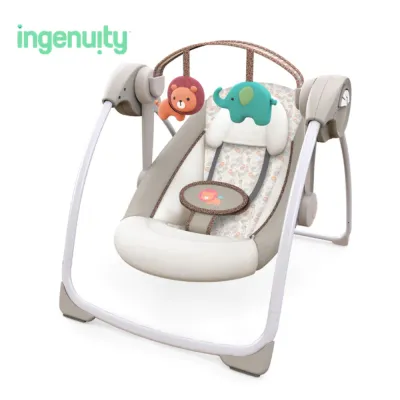

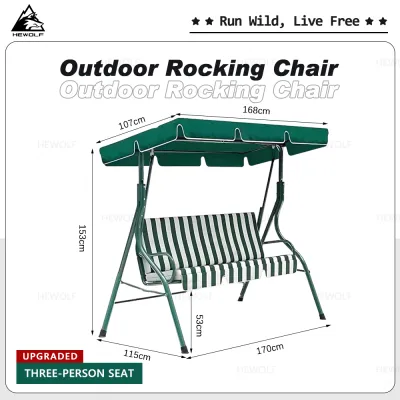
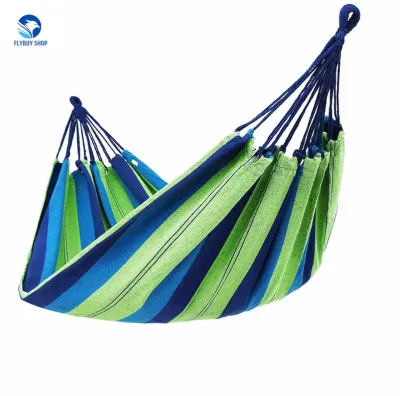
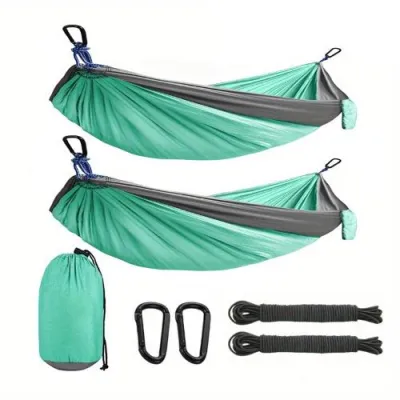
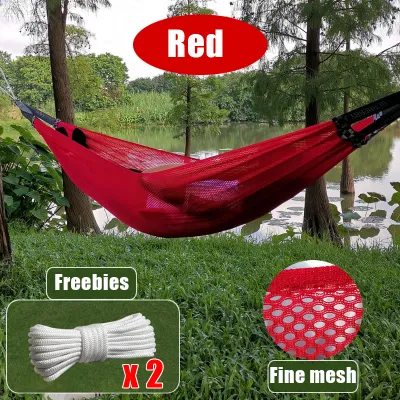


Prices are valid at publication and may change. Please refer to the product page for the latest price.
A common mistake is only measuring the static footprint of the swing. A portable swing requires dynamic clearance, meaning you must account for the swinging arc. Ensure there is ample empty space in front of and behind the swing so that it does not collide with railings, glass doors, or concrete walls during use. A clear safety margin on all sides is highly recommended to prevent accidental impacts.
Structural weight limits are another critical safety consideration. Balconies, particularly in multi-story residential buildings, have strict load-bearing capacities. You must verify your building’s structural guidelines to determine how much weight the balcony can safely support. When calculating this, combine the weight of the swing frame itself, the cushions, and the maximum weight of the users. Never exceed these structural limits, as doing so poses severe safety risks.
Choosing the Right Mounting and Base Options
How you secure your portable swing depends heavily on your living situation and building regulations. Freestanding swings with integrated frames are highly popular because they require no permanent installation. These models are ideal for renters or those living in condominiums where drilling into ceilings or structural beams is strictly prohibited. They can be easily assembled, moved, or disassembled when transitioning to a new home.

If you prefer an overhead hanging mount, you must proceed with caution. Hanging a swing from a balcony ceiling requires identifying a load-bearing structural joist or concrete beam. You should always consult a qualified structural engineer or your building’s property management office before drilling. Standard balcony ceilings or decorative panels are rarely designed to support the dynamic weight of a swinging adult, and unauthorized installation can lead to structural failure or lease violations.
For freestanding frames, pay close attention to the base design. A wide, multi-point base or a heavy circular ring provides the best stability and prevents the frame from tipping. Look for models equipped with anti-slip rubber foot pads. These pads not only prevent the frame from sliding on smooth balcony tiles during use but also protect your flooring from scratches and moisture accumulation underneath the metal.
Evaluating Materials for Outdoor Durability
Balcony furniture must endure constant exposure to changing weather conditions. In tropical environments, high humidity and salt air can quickly degrade low-quality metals and fabrics. When evaluating frames, look for rust-resistant materials such as powder-coated steel or lightweight aluminum. If you prefer the natural aesthetic of wood, ensure it is a weather-treated variety, and check the manufacturer’s care instructions regarding periodic sealing or oiling.
The fabrics and cushions are equally vulnerable to the elements. Look for product labels that specify UV resistance, water repellency, and breathability. High-quality outdoor fabrics, such as solution-dyed acrylics or heavy-duty polyesters with protective coatings, resist fading under intense sunlight and dry quickly after heavy rain. Breathable fabrics are especially important in humid climates to prevent moisture from becoming trapped inside the cushion, which can lead to mold and mildew growth.
Do not overlook the hardware components. The carabiners, chains, springs, and connection bolts bear the entire weight of the swing and are subject to constant friction. Ensure all metal hardware is rated for heavy outdoor loads and features a corrosion-resistant finish, such as galvanized or stainless steel. Inspecting these small parts is vital, as a single rusted link or worn carabiner can compromise the safety of the entire structure.
Prioritizing Comfort and Ergonomic Design
A portable swing should be a place of relaxation, making comfort and ergonomic design top priorities. Evaluate the seat depth and the angle of the backrest to ensure they support a natural, comfortable sitting posture. Some swings feature high backs that support your head and neck, while others offer a more reclined, lounge-like position. If you plan to spend long hours reading or relaxing, look for models that include integrated armrests.
Cushion quality directly impacts your comfort level. Look for thick, high-density foam padding that retains its shape over time rather than flattening out after a few uses. Removable cushion covers with durable zippers are highly practical, as they allow you to wash away dust, pollen, and outdoor grime easily. Additionally, ensure the cushions feature secure tie-down straps to keep them firmly attached to the frame during windy days.
Adjustability features can greatly enhance your balcony experience. Some portable swings come with adjustable or removable canopies, allowing you to block the sun as its angle shifts throughout the day. Other models offer adjustable chain lengths, letting you customize the seat height to your preference, ensuring your feet can comfortably touch the ground or swing freely.
Safety Checks and Maintenance for Balcony Swings
Regular maintenance is essential to keep your portable swing safe and extend its lifespan. Establish a routine of conducting quick visual inspections before each use. Check the frame for any signs of stress cracks, paint peeling, or rust. Inspect the ropes or chains for fraying or wear, and ensure all connection bolts remain tightly secured. If you notice any structural damage or excessive wear, stop using the swing immediately.
Follow the manufacturer’s care instructions for routine cleaning. Wipe down the frame with mild soap and water to remove dirt and salt residue, which can accelerate corrosion. For fabric care, spot-clean spills promptly and allow the cushions to dry completely in a well-ventilated area. During periods of severe weather, such as typhoons or heavy tropical storms, store the cushions indoors and secure or disassemble the frame to prevent wind damage.
If you encounter complex issues, such as bent metal frames, cracked welds, or compromised ceiling mounts, do not attempt temporary DIY fixes. Consult the manufacturer’s customer service or a qualified professional to determine if the parts can be safely replaced. Prioritizing professional repairs ensures that your balcony swing remains a safe haven for relaxation.
Frequently Asked Questions (FAQ)
Can I use an indoor portable swing on my balcony?
It is highly discouraged to use an indoor-rated swing on an outdoor balcony. Indoor furniture lacks the specialized UV inhibitors, rust-resistant coatings, and water-repellent treatments required to withstand outdoor exposure. Placing an indoor swing on a balcony can lead to rapid wood rot, metal corrosion, fabric fading, and mold growth. Furthermore, using an indoor product in an outdoor setting typically voids the manufacturer’s warranty and can compromise structural safety.
How do I secure a freestanding swing on a windy balcony?
To secure a freestanding swing on a windy balcony, you can use manufacturer-approved base weights or heavy sandbags placed over the frame’s legs to lower the center of gravity. Avoid using makeshift heavy objects that could slide off or damage the frame. Additionally, choose a swing with a low-profile design or a removable canopy, as canopies can act like sails in high winds. During severe weather warnings, always remove the cushions and store or disassemble the swing indoors to prevent it from tipping or blowing against balcony railings.

Community discussion
Share your experience or ask a question. Comments are reviewed before publication.