
Finding a posture-correcting ergonomic chair within a ₱3,000 to ₱15,000 budget in the Philippines requires understanding how specific design elements support your body during long hours of sitting. At this price range, you do not need to settle for a basic plastic stool, but you must be strategic about which features actually promote healthy alignment and which are merely cosmetic. The key is matching your physical dimensions and daily routine to the chair’s mechanical adjustments while keeping local environmental factors, like high tropical humidity, in mind.
By focusing on structural support rather than marketing buzzwords, you can secure a chair that keeps you comfortable and productive. Whether you are working from a home office in Manila or setting up a study space in the provinces, a methodical approach to evaluating adjustability, materials, and build quality will ensure your budget is spent wisely.
Understanding Posture Support in Ergonomic Chairs
When searching for a posture corrector chair, it is essential to distinguish between active posture correction and passive ergonomic support. Active posture correctors, such as kneeling chairs or balance stools, force your core muscles to engage constantly to keep you upright. While beneficial for short periods, they can cause fatigue during an eight-hour workday. Passive ergonomic chairs, on the other hand, rely on built-in structural curves, adjustable lumbar supports, and seat depths to cradle your body and maintain the spine’s natural curve without conscious muscular effort.
Products mentioned in this guide
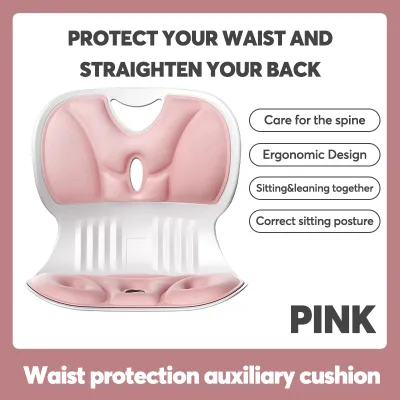
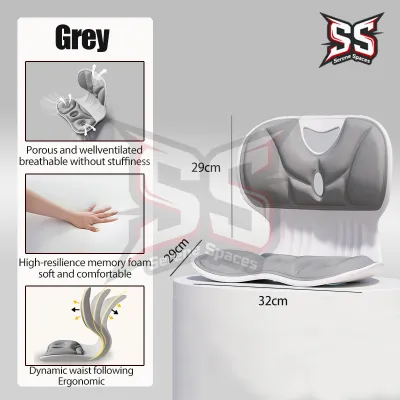
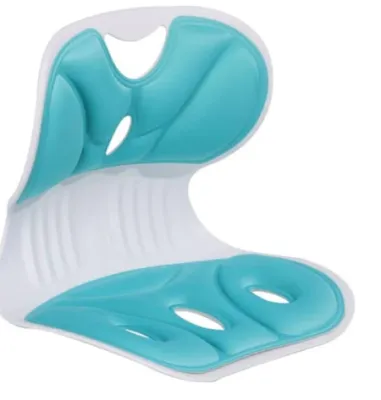
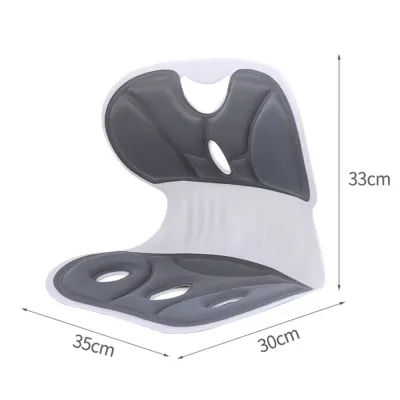

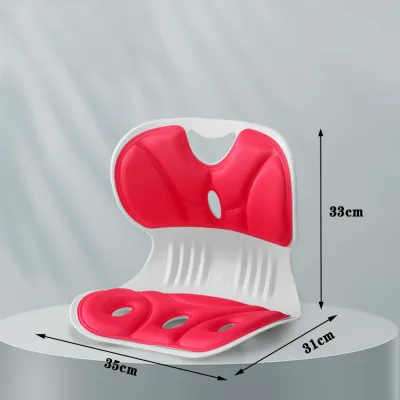
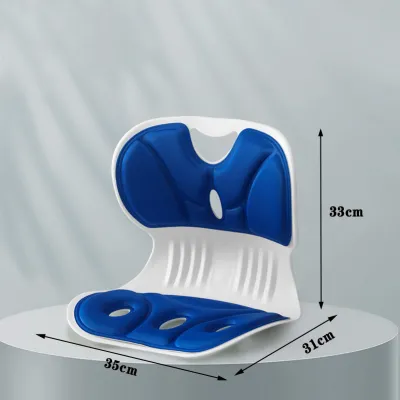
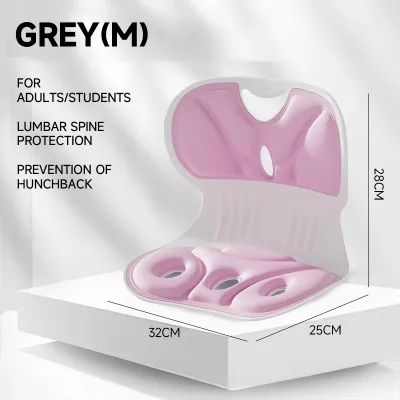
Prices are valid at publication and may change. Please refer to the product page for the latest price.
Persistent lower back stiffness, neck strain, and shoulder tension are clear indicators that your current seating arrangement lacks proper support. When a chair does not fit your body, you naturally slouch or lean forward, placing excessive pressure on your spinal discs and surrounding muscles. A well-designed ergonomic chair addresses these discomfort signals by distributing your body weight evenly and reducing pressure points.
It is crucial to understand that while an ergonomic chair facilitates neutral spine alignment and prevents daily strain, it is not a medical device. A chair can alleviate discomfort caused by poor sitting habits, but it cannot cure underlying spinal conditions, herniated discs, or chronic injuries. For persistent or severe back pain, always consult a healthcare professional.
Setting Priorities Within Your ₱3,000 to ₱15,000 Budget
Navigating the ₱3,000 to ₱15,000 price range requires a clear understanding of what each tier offers. In the lower bracket of ₱3,000 to ₱6,000, expect basic adjustability. These chairs typically feature pneumatic seat height adjustment, a simple tilting mechanism with a lock in the upright position, and fixed or height-adjustable lumbar pads. The frames are predominantly made of nylon or hard plastics, and the seat cushions use standard foam.

Moving up to the ₱10,000 to ₱15,000 tier unlocks advanced adjustability and superior build quality. In this mid-range bracket, you will find multi-dimensional armrests, synchro-tilt mechanisms that allow the backrest and seat to tilt at different ratios, adjustable seat depth, and dynamic lumbar support systems that adapt to your movements. The bases are frequently reinforced aluminum or heavy-duty steel, and the mesh or foam materials are more resilient.
Prioritize mechanical adjustability over aesthetic upgrades like colorful gaming designs or faux leather finishes. A plain black mesh chair with robust lumbar adjustment and a reliable gas lift is infinitely better for your posture than a flashy, non-adjustable racing-style chair that traps heat. Focus your budget on the features that directly contact and support your spine.
Always factor in additional expenses before completing your purchase. Heavy furniture items shipped within the Philippines can incur substantial delivery fees, especially if you live outside major metropolitan areas. Additionally, check if the package includes all necessary assembly tools or if you need to purchase separate floor-protecting caster wheels to prevent scratching your tiles or wooden floors.
Verifying Adjustability and Lumbar Support
To achieve a personalized fit, verify that the chair allows you to adjust the seat height so your feet rest flat on the floor with your knees at a 90-degree angle. Armrests should adjust vertically to support your elbows without forcing your shoulders to shrug. Recline tension adjustment is also vital, as it controls how much resistance the backrest offers when you lean back, preventing you from feeling like you are falling backward or struggling to push against the chair.
Examine how the lumbar support is integrated. Fixed lumbar curves are risky because they assume a one-size-fits-all spinal height. Adjustable lumbar support—whether it moves vertically, horizontally, or both—is highly preferred because it allows you to position the curve exactly against your lower back. If a budget chair lacks this, you may need to budget for an aftermarket lumbar cushion, though built-in support is always more stable.
Do not rely on promotional images alone. Check the product manual, specification sheets, or detailed online listings to confirm the exact range of motion for each adjustable part. Look for specific measurements, such as the minimum and maximum seat height, to ensure the chair matches your physical height and desk setup.
Evaluating Material, Build, and Weight Capacity
In a tropical climate characterized by high heat and humidity, material choice directly impacts daily comfort. Full mesh backrests and seats offer maximum breathability, allowing air to circulate and preventing sweat buildup. High-density molded foam covered in breathable fabric provides excellent cushioning and longevity, whereas cheap cut foam tends to sag and lose its shape within a few months. Avoid polyurethane leather in non-air-conditioned spaces, as it traps heat and can peel quickly in humid conditions.
Check the manufacturer’s stated maximum weight capacity to ensure long-term structural integrity. A heavy-duty nylon base can be highly durable, but a steel or aluminum base offers superior stability and resistance to tipping. Ensure the base diameter is wide enough to provide a stable foundation when you recline.
The gas lift is the heart of the chair’s height adjustment and safety. Look for chairs that explicitly specify the use of a Class 3 or Class 4 gas lift cylinder. These classes are built with thicker steel walls and can safely handle higher weight loads over years of daily use compared to cheaper Class 1 or 2 cylinders.
Evaluating Online Listings and Avoiding Common Traps
Before checking out your cart on any e-commerce platform, measure your workspace. Compare the chair’s overall width, armrest height, and seat depth with your desk’s clearance and the available floor space. A chair with wide, non-folding armrests might not slide under your desk, forcing you to sit too far from your keyboard and strain your arms.
Be skeptical of listings that use vague buzzwords like “orthopedic” or “ergonomic” without detailing the actual adjustable features. If a product page lacks a clear dimension diagram or fails to specify the materials used in the frame and base, it is often a sign of a low-quality generic import. Extremely low prices for chairs claiming complex multi-functional adjustments should also raise suspicion.
Read the fine print regarding warranties and returns. Moving parts like gas lifts, tilt mechanisms, and casters are prone to wear, so a warranty of at least one to two years on these components is highly desirable. Understand the return policy thoroughly; returning a bulky, heavy item can be incredibly expensive if the seller requires you to shoulder the return shipping fees.
Preparing Your Space for Delivery and Assembly
Before your order arrives, measure the entry points of your home. Ensure the packaged box can easily pass through your front door, hallway, stairwell, or elevator. Some high-end ergonomic chairs are shipped semi-assembled in massive boxes that require ample clearance to maneuver.
Most chairs in the ₱3,000 to ₱15,000 range require self-assembly. Clear a clean, flat area on your floor—preferably on a rug or cardboard—to lay out the parts without scratching them. Review the manufacturer’s assembly guide online beforehand to see if the included Allen wrench is sufficient or if you will need your own screwdriver or a second pair of hands for heavy lifting.
Position your assembled chair to allow for its full range of motion. Ensure there is enough clearance behind you to recline comfortably without hitting walls, shelves, or delicate home decor. The swivel radius should also be clear of obstacles to prevent accidental bumps that could damage both your furniture and your walls.
Frequently Asked Questions (FAQ)
Can a budget ergonomic chair fix my back pain?
An ergonomic chair within this budget can significantly reduce discomfort by supporting neutral spine alignment and reducing pressure on your lower back. However, it is not a medical cure. If you suffer from chronic or severe back pain, it is essential to consult a healthcare professional for a proper diagnosis and treatment plan, using the chair as a preventative tool rather than a medical solution.
Is it better to buy a used premium chair or a new budget chair?
Buying a new chair within the ₱3,000 to ₱15,000 range is generally safer than purchasing a used premium model. Second-hand chairs often come with hidden wear, such as slow-leaking gas lifts, degraded foam, or worn-out mesh, and their original manufacturer warranties are rarely transferable. A new chair provides the security of a fresh product, a valid warranty, and a clear return policy if the fit is not right.

Community discussion
Share your experience or ask a question. Comments are reviewed before publication.