
Finding the perfect rolling storage cabinet for your kitchen or dining room involves more than just picking an attractive design. To ensure your new furniture is both highly functional and safe, you must prioritize structural stability, weight limits, and mobility features. A well-chosen mobile cabinet acts as a versatile prep station, a buffet server, and an organized home for heavy dinnerware, provided you select the right specifications for your specific living space.
Dimensions and Space Clearance
Before browsing local furniture showrooms or online marketplaces, grab a tape measure to map out your floor plan. You need to measure the exact footprint where the cabinet will stand when stationary, but also the pathways it will travel when rolled between the kitchen and dining area. Be sure to verify clearance through doorways, narrow hallways, and around dining chairs, especially in compact urban condominiums where space is at a premium. When planning your purchase and comparing prices in ₱ on local retail sites, always prioritize these structural dimensions over aesthetics.
Additionally, account for the clearance required to fully open cabinet doors and pull out drawers without hitting walls or other furniture. If you plan to tuck the unit away when not in use, check the overall height of the cabinet—including the height of the caster wheels—to ensure it slides easily under your standard kitchen counters or dining table.
Products mentioned in this guide
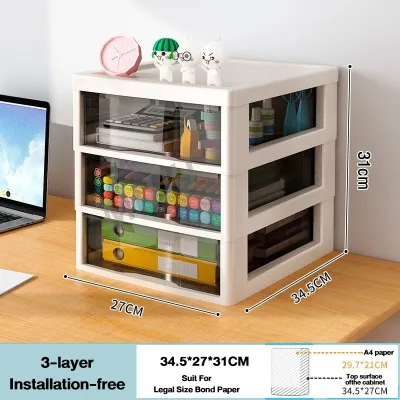
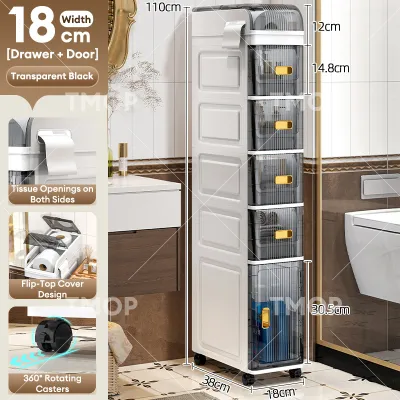
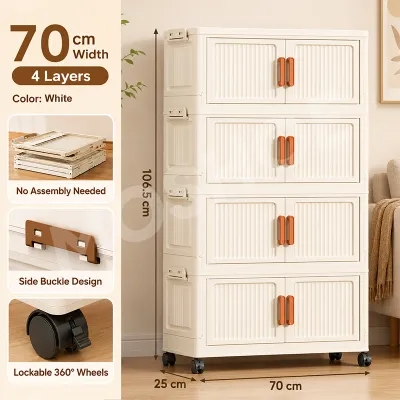
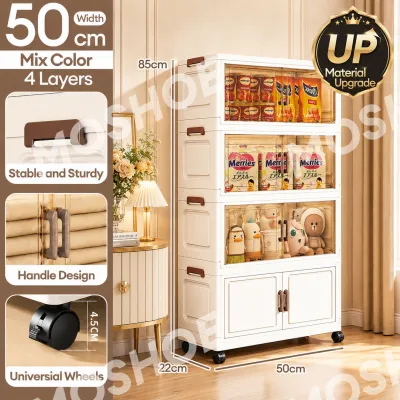
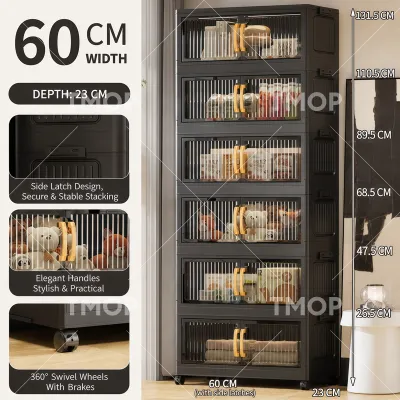
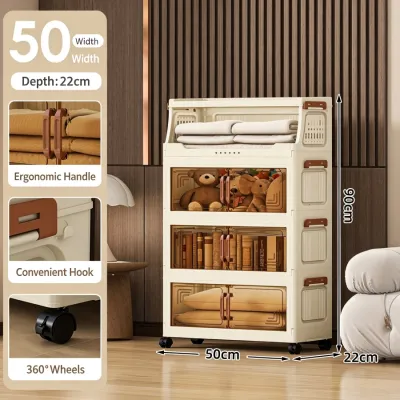
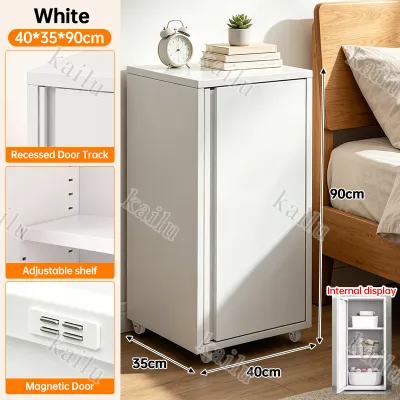
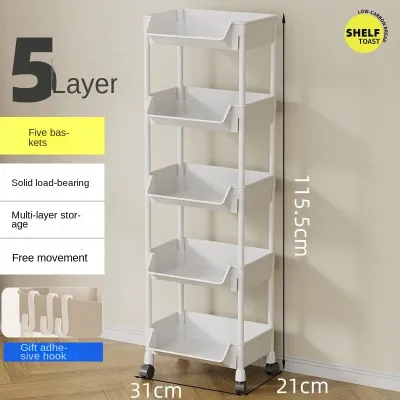
Prices are valid at publication and may change. Please refer to the product page for the latest price.
Load Capacity and Shelf Configuration
Kitchen and dining items like ceramic plates, glass bowls, and small appliances can quickly add up in weight. To prevent structural bowing or sudden collapse, always check the manufacturer’s specifications for both the total weight limit of the unit and the individual capacity of each shelf. Avoid guessing these limits, as overloading a mobile unit can compromise its balance when in motion.

Opt for a cabinet that features adjustable shelving, which allows you to customize the interior layout to fit tall stockpots, rice cookers, or blender bases. When organizing your items, place the heaviest pieces on the bottom shelves to keep the center of gravity low. This simple loading strategy significantly reduces the risk of the cabinet tipping over when you roll it across the room.
Caster Wheels and Mobility Features
The wheels, or casters, are the defining feature of a rolling cabinet, and their specifications dictate how easily the unit moves and stays put. Look for a configuration that combines swivel casters for effortless multi-directional steering with fixed wheels that help the cabinet track in a straight line. For safety, verify that at least two of the wheels feature reliable locking brakes to keep the unit completely stationary during food prep or dining.
The wheel material must also match your home’s flooring to prevent unsightly damage. Hard nylon or plastic wheels work well on hard ceramic tiles but can scratch or dent delicate hardwood or laminate floors. For wooden or vinyl floors, look for soft polyurethane or rubber-coated casters that glide smoothly without leaving marks.
Material and Surface Finish
In a busy dining environment, spills are inevitable, making the cabinet’s material and surface finish a critical consideration. If you plan to use the top surface as a temporary serving station or a prep area for drinks, inspect the finish to ensure it is highly water-resistant and easy to wipe clean.
In tropical climates with high humidity, such as the Philippines, moisture protection is especially important. Check that the cabinet has high-quality edge banding and tight seam sealing, which prevent humid air and accidental spills from seeping into engineered wood or MDF cores. Rather than assuming a material is completely waterproof based on its name alone, always review the manufacturer’s care instructions to understand how to clean and protect the surfaces over time.
Assembly and Structural Stability
A rolling cabinet undergoes more physical stress than stationary furniture, meaning its assembly quality directly impacts its lifespan. When assembling the unit, review the required tools and ensure that all structural joints, cam locks, and screws are tightened securely according to the manual.
For taller cabinets, look for designs with a wide, stable base or built-in anti-tip hardware to ensure safety when the doors are opened. Because frequent rolling and vibrations can gradually loosen fasteners over time, make it a habit to periodically inspect and tighten the hardware to maintain structural integrity.
Frequently Asked Questions (FAQ)
Do I need a rolling cabinet with a solid top or a butcher block surface?
Deciding on the top surface depends on how you plan to use the cabinet. If you intend to chop vegetables or prepare food directly on the unit, look for a food-safe, sealed butcher block top, keeping in mind that natural wood requires regular oiling to prevent drying and cracking. If you only need a surface for holding serving platters or a coffee maker, a standard laminate or painted top is easier to maintain, lighter in weight, and less demanding on the cabinet’s caster wheels.
How do I maintain the caster wheels to ensure smooth rolling?
To keep your cabinet rolling smoothly, regularly inspect the wheel axles and remove any trapped hair, dust, or kitchen debris that can cause friction. Periodically test the brake mechanisms to ensure they still lock firmly onto the wheel tread. When cleaning the cabinet, avoid spraying harsh chemical cleaners directly onto the wheels, as these can degrade the rubber, plastic, or metal brake components over time.

Community discussion
Share your experience or ask a question. Comments are reviewed before publication.