
Selecting a metal wardrobe that can withstand the intense humidity of the Philippines requires looking beyond basic aesthetics. High ambient moisture levels and coastal salt air can quickly degrade poorly treated steel, leading to structural failure and ruined clothing. To secure a long-lasting storage solution, you must focus on verified industrial surface treatments, robust joint construction, and strategic room placement.
Quick Guide: Selecting a Metal Wardrobe for High Humidity
When shopping for a metal wardrobe, your primary defense against corrosion is the quality of the protective barrier applied to the steel. Look for product specifications that explicitly list powder coating or electrostatic paint finishes rather than standard liquid spray paint. These industrial methods create a thick, non-porous shield that resists moisture penetration even in damp tropical environments.
Additionally, examine the physical structure of the wardrobe for features that prevent moisture accumulation. Models with raised legs, ventilated doors, and sealed joints are far less likely to trap humid air inside or underneath the unit. Prioritize designs that allow continuous airflow around all sides of the furniture.
Products mentioned in this guide
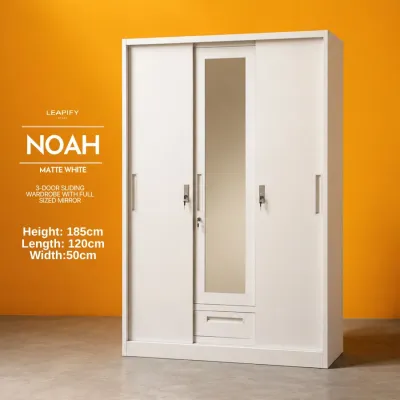
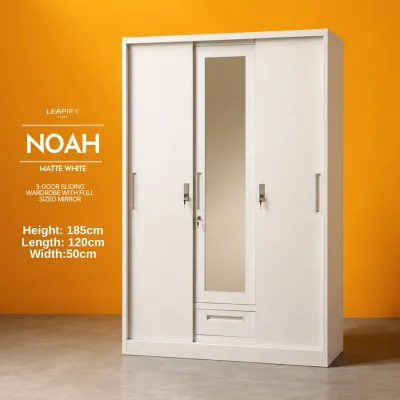
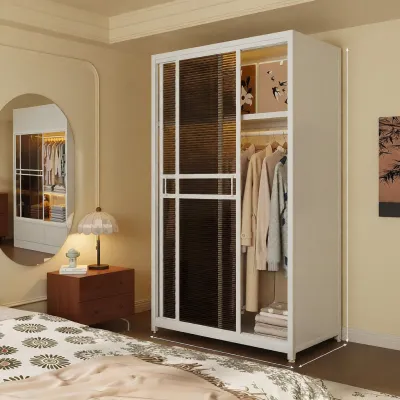
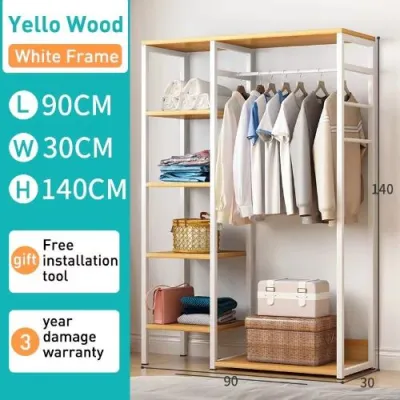
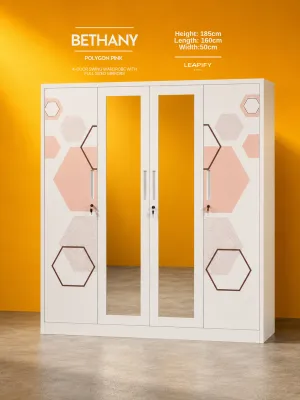
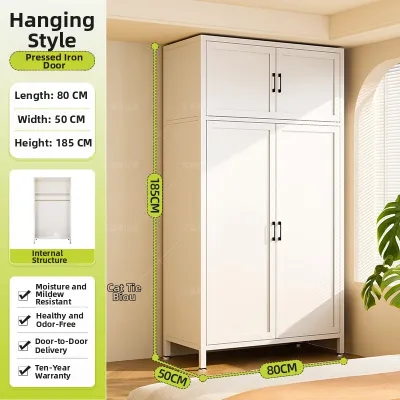
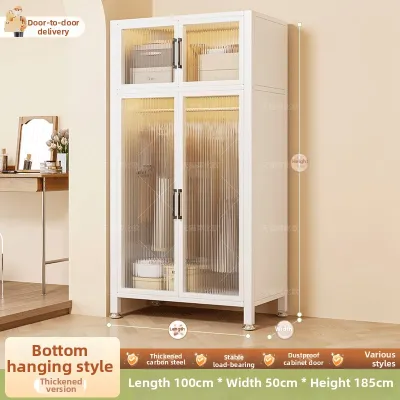
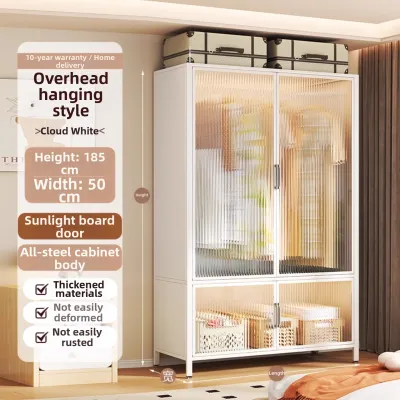
Prices are valid at publication and may change. Please refer to the product page for the latest price.
Finally, plan your installation and maintenance routine before making a purchase. Ensure you have enough space to keep the wardrobe away from damp concrete walls, and commit to regular, dry-wipe cleaning. Verifying these details early ensures your investment remains rust-free and structurally sound for years.
Why High Humidity Accelerates Metal Wardrobe Corrosion
The climate in the Philippines presents a constant challenge for metal furniture due to elevated relative humidity levels that often persist throughout the year. When moisture-laden air comes into contact with bare or poorly protected metal, an electrochemical reaction occurs, initiating the formation of iron oxide, commonly known as rust. In coastal regions, this process is further accelerated by airborne salt particles, which increase the conductivity of water droplets on the metal surface.

A critical distinction exists between temporary surface condensation and structural moisture trapping. While daily temperature fluctuations can cause light condensation on the exterior of a wardrobe, structural moisture trapping occurs when humid air becomes sealed inside the unit or behind its back panel. Without adequate ventilation, this trapped dampness creates a microclimate that continuously attacks the metal joints, seams, and interior shelves.
Because of these aggressive environmental factors, generic “rust-proof” or “rust-resistant” marketing labels are rarely sufficient on their own. Many mass-produced metal wardrobes use thin, decorative paint layers that easily chip or peel under tropical conditions. To ensure true durability, you must look past vague promotional claims and verify the specific manufacturing processes, coating types, and material grades used to construct the wardrobe.
Essential Rust-Prevention Features to Verify on the Product Label
To make an informed purchase, you must learn to read product labels and technical specifications like a professional furniture inspector. The most reliable metal wardrobes feature a powder-coated finish, a process where dry plastic powder is electrostatically applied and cured under heat to form a hard, continuous skin. This finish is significantly more resilient against scratches, impact, and moisture than traditional liquid paints, which can develop microscopic pores over time.
Beyond the surface coating, pay close attention to the edge and joint construction of the wardrobe. Moisture naturally pools in sharp corners, folded metal edges, and welded seams where the protective coating might be thinner or unevenly applied. Inspect these areas for smooth, continuous welds and fully sealed edges, as any exposed metal gap will serve as an entry point for rust.
The longevity of your wardrobe also depends heavily on the quality of its moving parts and assembly hardware. Ensure the product specifications explicitly state that the hinges, sliding door tracks, handles, and internal screws are made from corrosion-resistant materials, such as stainless steel or zinc-plated alloy. Standard steel hardware will quickly rust when exposed to humidity, which can seize hinges and stain your clothing.
When evaluating these specifications, also consider the physical dimensions and load capacity of the unit. A high-quality metal wardrobe should feature reinforced shelving and a stable frame that does not flex under the weight of your clothes, as structural flexing can crack the protective powder coating. Always verify that the manufacturer provides clear guidelines on maximum weight limits and anchoring requirements to maintain stability.
Matching Wardrobe Design to Your Room's Airflow and Space
The physical design of your metal wardrobe must work in harmony with your bedroom’s layout and natural airflow to prevent damp zones. Choosing a wardrobe with raised legs rather than a flat-bottom base is highly beneficial in humid climates. Raised legs elevate the bottom panel off the floor, allowing air to circulate freely underneath and preventing moisture from getting trapped between the metal and your tiles or concrete flooring.
Wall clearance is another critical factor that you must plan during the selection process. When reviewing the manufacturer’s installation instructions, check for recommended clearance distances from walls, particularly exterior walls that are prone to dampness during the rainy season. Keeping a gap of at least five to ten centimeters between the back of the wardrobe and the wall prevents direct moisture transfer and allows ambient air currents to dry out any condensation.
Inside the wardrobe, the layout should actively promote air movement rather than restricting it. Look for models that incorporate built-in ventilation slots, louvered doors, or mesh panels that allow the interior air to exchange naturally with the room. When organizing your belongings, avoid overpacking the shelves and hanging rods, as tightly compressed clothing traps stagnant, humid air, creating an ideal environment for mold and localized rust.
Routine Care and Early Warning Signs of Corrosion
Maintaining a metal wardrobe in a humid environment requires a gentle, consistent cleaning routine that preserves the integrity of the protective finish. For regular dusting, use a dry or slightly damp microfiber cloth to wipe down the exterior and interior surfaces. Avoid using abrasive scrubbing pads, steel wool, or harsh chemical cleaners containing bleach or ammonia, as these substances can micro-scratch or chemically degrade the powder coating, leaving the underlying steel vulnerable to rust.
Regular inspections are your best defense against serious structural damage. Make it a habit to check high-risk areas every few months, focusing on the bottom corners, the areas surrounding the hinges, and the rear panel of the wardrobe. Look closely for early warning signs of corrosion, such as paint bubbling, localized discoloration, or a rough, blistered texture on the metal surface.
If you detect minor surface rust or a small scratch, address it immediately using safe, non-invasive methods recommended by the manufacturer. However, if the rust has already penetrated deep into the metal or if the structural joints show signs of weakening, do not attempt heavy DIY grinding or structural welding. In these cases, stop using the affected shelves and consult the manufacturer or a professional furniture refinisher to assess whether the unit can be safely repaired or if a replacement is necessary.
Frequently Asked Questions (FAQ)
Can I use moisture absorbers inside a closed metal wardrobe?
Yes, using moisture absorbers is an effective way to control internal humidity, provided they are used correctly. Silica gel packets or calcium chloride hanging bags can help collect excess moisture from the air inside a closed metal wardrobe. However, you must ensure that these chemical absorbers never come into direct contact with the metal shelves or walls, as any accidental spills or leaks can cause rapid, localized chemical corrosion. Always check the manufacturer’s guidelines before placing any electronic dehumidifiers or small heating elements inside the wardrobe to ensure they do not pose a fire hazard or damage the internal finish.
How should I handle a scratch or chip in the wardrobe's finish?
If you notice a scratch or chip in the wardrobe’s protective coating, you must act quickly to seal the exposed steel before rust can take hold. Start by gently cleaning the damaged area with a dry microfiber cloth to remove any dust or loose debris, taking care not to introduce water into the scratch. Apply a thin layer of manufacturer-recommended touch-up paint or a clear, rust-inhibiting sealant designed specifically for powder-coated metal surfaces. Avoid using random household paints or nail polish, as these temporary fixes may trap moisture underneath the patch, fail to adhere properly, or react negatively with the original factory finish.

Community discussion
Share your experience or ask a question. Comments are reviewed before publication.