
Selecting a side table with a secret drawer requires balancing visual concealment, functional storage, and structural stability. A well-designed piece serves as a practical surface for daily items while keeping personal belongings secure and out of sight. The ideal choice integrates seamlessly with your existing living room layout, matches your decor, and features a reliable opening mechanism that does not compromise the table’s balance or durability.
To find the right balance, you must look beyond the novelty of a hidden compartment. A high-quality secret drawer table must function first as a reliable piece of furniture, built with durable materials that can withstand daily wear. It should also feature a clever, low-profile mechanism that remains completely invisible to the casual observer. By evaluating the mechanical design, material composition, and spatial proportions, you can select a side table that offers both security and style.
Evaluating Hidden Drawer Mechanisms and Accessibility
The mechanism that operates your hidden drawer determines both how easily you can access your items and how well the compartment remains concealed. Manufacturers use several distinct designs to hide these compartments, each with its own set of mechanical trade-offs. Understanding these systems allows you to choose a table that aligns with your daily habits and security needs.
Products mentioned in this guide

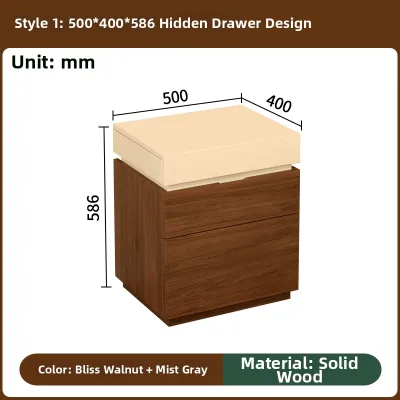
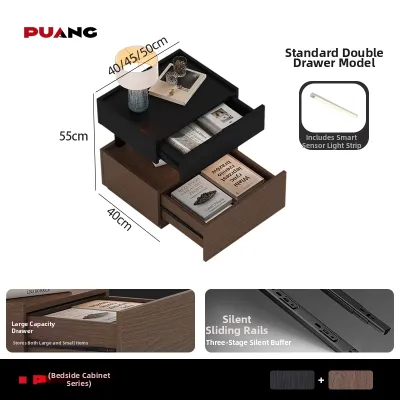

Prices are valid at publication and may change. Please refer to the product page for the latest price.
Push-to-open systems are highly popular because they eliminate the need for external handles or hardware. A gentle press on a specific panel releases a spring-loaded latch, causing the drawer to pop open. While highly convenient, these mechanical latches are subject to wear over time, especially if the drawer is opened frequently. High humidity can also affect the alignment of the internal springs, potentially causing the latch to stick or fail to catch.
Magnetic catches offer a more secure and completely hardware-free alternative. These systems typically require a separate magnetic key, which you place over a specific, unmarked spot on the table’s surface to release the internal lock. Because there are no visible seams or moving parts on the exterior, magnetic locks provide excellent concealment. However, losing the magnetic key can make accessing your belongings difficult, and the mechanism requires precise alignment during assembly to function correctly.
Hidden routed grooves and sliding panels rely on physical craftsmanship rather than mechanical hardware. These designs use integrated channels, sliding tabletops, or false bottoms that slide out along pre-cut tracks. Because they lack springs or magnetic components, these systems are highly durable and less prone to mechanical failure. The primary challenge is ensuring the wood or material does not swell in humid environments, which can cause the sliding panels to bind or become difficult to operate.
When evaluating any hidden drawer, pay close attention to the quality of the drawer slides and the manufacturer’s specified weight capacity. Look for ball-bearing drawer slides made from corrosion-resistant metals, which provide smoother operation and greater longevity than simple plastic glides. A high-quality slide ensures the drawer opens quietly and remains stable even when fully extended. Always check the product specifications to confirm the maximum load limit for both the tabletop and the hidden compartment to prevent overloading the mechanical parts.
Sizing, Proportions, and Space Clearance
A side table must fit comfortably within your living space to be truly functional. If the table is too tall, too short, or blocks natural walkways, it will draw unwanted attention and disrupt the flow of your room. Proper sizing begins with measuring your existing furniture and mapping out the surrounding floor space.

To ensure comfortable reach, the height of your side table should align closely with the armrest of your sofa or adjacent armchair. Ideally, the tabletop should sit within two inches of the armrest height. A table that is level with or slightly below the armrest allows you to set down drinks, books, or lamps naturally without straining. This alignment also helps the table blend into the room’s layout, making the hidden compartment less conspicuous.
Walkway clearance is another critical factor, particularly in compact living rooms or cozy apartments. You should maintain a clear path of at least 18 to 24 inches between the side table and any adjacent furniture, such as coffee tables or media consoles. If your chosen table features a drawer that slides outward, you must factor in the fully extended length of the drawer. Ensure there is enough clearance for the drawer to open completely without striking walls, rugs, or other furniture.
Finally, evaluate the ratio between the table’s external footprint and its internal storage capacity. A bulky table with a tiny hidden compartment represents inefficient space utilization, while an overly shallow table may not accommodate your storage needs. Review the manufacturer’s detailed dimensions to verify that the internal drawer depth and width are sufficient for your intended items, such as documents, tablets, or personal valuables, without requiring an excessively large tabletop.
Assessing Material Quality and Structural Stability
The materials used to construct your side table directly impact its durability, weight capacity, and resistance to tipping. Because a secret drawer shifts the table’s center of gravity when extended, structural stability is paramount. You must carefully assess the frame construction and joinery to ensure long-term safety.
Solid wood frames offer exceptional strength and natural beauty, making them a premium choice for traditional and rustic designs. However, solid wood is sensitive to environmental changes, particularly in tropical climates with high humidity. Moisture can cause the wood to expand and contract, which may misalign the hidden drawer or cause the sliding mechanisms to stick. If choosing solid wood, verify that the manufacturer has applied a high-quality sealant to protect against moisture absorption.
Engineered wood, such as medium-density fiberboard (MDF) or particleboard with a high-quality veneer, provides excellent dimensional stability. It does not warp or swell as easily as solid wood when exposed to humidity, making it a practical choice for maintaining the precise alignments required for hidden compartments. However, lower-grade engineered woods may have lower load-bearing capacities and can degrade if exposed to direct moisture. Look for high-density options with robust laminate or veneer finishes.
Metal frames, often combined with wood or glass surfaces, offer outstanding structural integrity and a modern aesthetic. Metal is immune to humidity-related warping and provides a rigid foundation that prevents the table from wobbling. When inspecting a metal-framed table, check the weld points and joint connections to ensure they are smooth and secure. A sturdy metal base can significantly lower the table’s center of gravity, reducing the risk of tipping when the hidden drawer is fully extended.
To guarantee stability, inspect the joint construction and base design. High-quality tables utilize mortise-and-tenon joints, dowels, or heavy-duty metal brackets rather than simple glue and screws. A wider base or a weighted bottom shelf helps anchor the table, ensuring it remains upright even when the secret drawer is loaded and pulled out. Always consult the product care label to verify that the surface treatments are scratch-resistant and moisture-resistant, protecting your investment from daily spills and wear.
Ensuring Design Compatibility and Aesthetic Integration
The primary defense of any secret compartment is its ability to blend in. If a side table looks out of place or features unusual design elements, it will naturally invite closer inspection. Achieving seamless aesthetic integration requires matching the table’s style, finish, and hardware with your existing living room decor.
Start by matching the wood grains, metal finishes, or upholstery of the side table with your current coffee table, sofa legs, or entertainment center. If your living room features warm oak tones, a sleek black metal and glass side table might stand out too much. Aim for a cohesive color palette and material mix that suggests the table was purchased as part of a coordinated set rather than as a specialized security piece.
Pay close attention to visual cues that might expose the hidden compartment. Visible seams, unusual gaps between panels, or asymmetrical lines can hint that a section of the table is designed to move. Look for tables where the secret drawer seam aligns perfectly with decorative trim, paneling, or natural wood grain patterns. The goal is to make the drawer joint look like an intentional design detail rather than a functional seam.
Hardware placement is another common giveaway. A side table with handles on three sides but none on the fourth, or a table with a decorative knob in an unusual location, can raise suspicion. Opt for designs that use completely handle-free mechanisms, such as push-to-open latches or magnetic locks, to maintain a clean, uninterrupted silhouette. Balancing these decorative elements ensures your table remains a beautiful, functional piece of furniture that keeps its secrets safe.
Building Your Shortlist: Matching Features to Use Cases
To find the perfect side table, you should align its specific features with your primary storage needs and room constraints. Different households require different balances of accessibility, concealment, and space efficiency. Creating a conditional shortlist based on your specific scenario will help you make an informed decision.
If you require high-frequency access to your hidden compartment—such as storing daily-use items like remote controls, reading glasses, or tablet chargers—prioritize smooth operation and durability. Look for tables equipped with heavy-duty ball-bearing slides and robust push-to-open mechanisms. These components are designed to withstand multiple daily cycles without losing alignment or sticking, ensuring your items are always within easy reach.
For maximum concealment of sensitive items, such as personal documents or valuables, prioritize security features over quick access. Your shortlist should focus on tables utilizing magnetic locks, RFID keycards, or clever false bottoms. These designs eliminate visible seams and require a specific physical key or action to open, making it highly unlikely that a guest will accidentally discover the compartment.
If you are working with a small living room or a tight layout, focus on multi-functional designs that maximize utility. Look for nesting tables with integrated hidden compartments, or lift-top side tables that feature hidden tiers beneath a rising work surface. These versatile designs allow you to enjoy the benefits of a secret drawer without sacrificing valuable floor space, making them ideal for compact urban homes.
Pre-Purchase Verification and Assembly Checks
Before finalizing your purchase, you must verify several logistical and assembly details to ensure a smooth delivery and setup process. Specialized furniture often requires extra care during transport and installation, and being prepared can prevent unexpected headaches.
First, measure all doorways, hallways, stairwells, and elevators along the delivery path to ensure the packaged table can pass through safely. Even a compact side table can arrive in a surprisingly large box, especially if it is shipped fully assembled. Double-check the package dimensions listed by the retailer against your home’s entryways to avoid delivery day complications.
Next, carefully review the assembly instructions, which are often available for download on the manufacturer’s website. Determine whether the table requires specialized tools, or if it comes with all necessary hardware. Pay close attention to any wall-anchoring requirements; some tall or narrow side tables include anti-tip kits that must be secured to a wall stud to ensure safety when the drawer is extended.
Finally, review the retailer’s return policy and warranty terms, particularly concerning the mechanical parts of the hidden drawer. Because mechanisms like magnetic locks or spring latches can occasionally require adjustment or replacement, a comprehensive warranty provides valuable peace of mind. Ensure you understand the process for claiming replacement parts or returning the item if it does not meet your expectations upon arrival.
Frequently Asked Questions (FAQ)
How do I maintain the sliding mechanism of a hidden drawer?
To keep your hidden drawer operating smoothly, regularly clean the tracks to remove dust, pet hair, and debris. Use a soft, dry cloth or a vacuum attachment to clear the channels. If the mechanism begins to stick, consult the manufacturer’s guidelines to see if a dry silicone spray or a light wax is recommended; avoid heavy oils or grease, which can attract dust and clog the tracks. Additionally, avoid overloading the drawer, as excessive weight can warp the slides and misalign the concealment panels.
Can a side table with a secret drawer support heavy items like a large lamp?
Yes, most well-constructed side tables can support standard tabletop items like lamps, books, or decorative vases, but you must verify the manufacturer’s specified load rating first. To prevent tipping, assess the width of the table’s base and notice how the center of gravity shifts when the secret drawer is fully extended. If you plan to place a heavy object on top, ensure the table has a wide, stable base, or utilize the included wall-anchoring hardware to secure the unit firmly.

Community discussion
Share your experience or ask a question. Comments are reviewed before publication.