
Finding a single foldable sofabed that fits a compact, Japandi-style living room in the Philippines requires a thoughtful balance of minimalist aesthetics, space-saving functionality, and climate-conscious material choices. In urban areas where studio apartments and compact condominiums are common, maximizing floor space without sacrificing style is a daily priority. The ideal solution lies in selecting a low-profile, single-sized sofabed that features clean geometric lines, natural matte finishes, and a highly efficient folding mechanism. By focusing on breathable fabrics that withstand tropical humidity and verifying the structural integrity of the frame, you can create a serene, multi-functional space that feels both open and inviting.
Identifying Japandi Design Elements in Foldable Furniture
Japandi design seamlessly blends the warm, rustic minimalism of Japanese interiors with the functional, clean-lined elegance of Scandinavian style. When searching for a single foldable sofabed that embodies this aesthetic, the choice of materials and finishes is paramount. Look for frames made from light-toned woods such as rubberwood, ash, or beech. These woods introduce a natural warmth to the room without making it feel heavy or dark. It is crucial to check the finish of the wood; opt for matte or low-sheen protective coatings rather than high-gloss varnishes. High-gloss surfaces tend to reflect light harshly and can feel sticky or uncomfortable in the warm, humid climate of the Philippines.
The upholstery fabric should also reflect this connection to nature. Matte, textured fabrics such as linen blends, cotton canvas, or low-pile woven polyesters are excellent choices. Avoid shiny synthetic fabrics, faux leather, or heavy velvets, as these materials do not align with the organic texture profile of Japandi design and can trap body heat.
Products mentioned in this guide
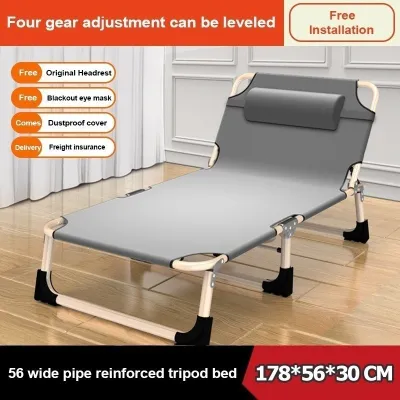
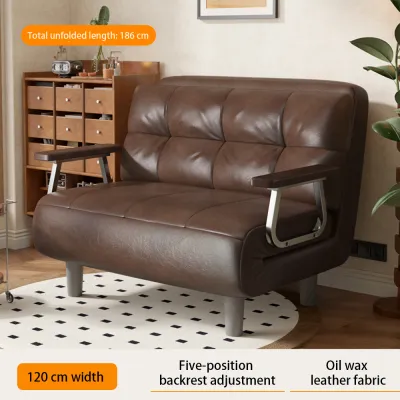
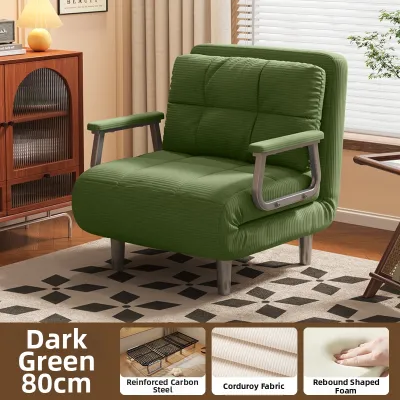
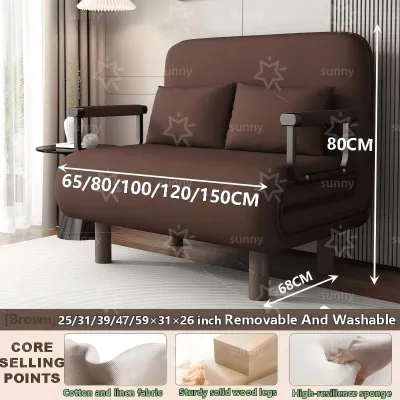
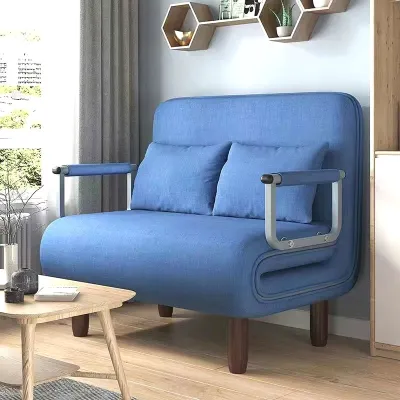
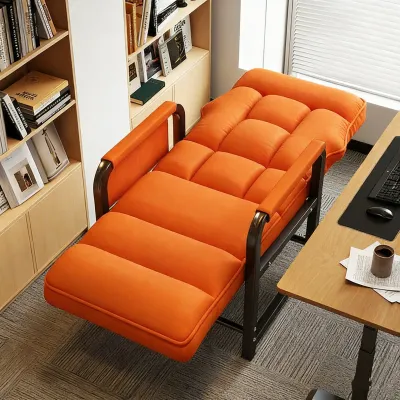
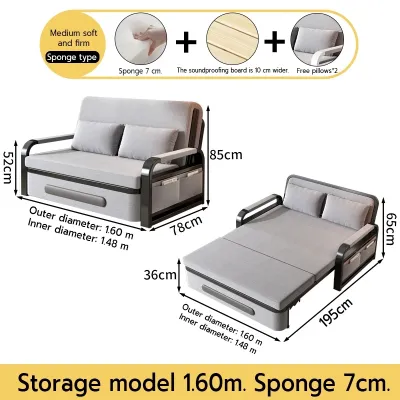
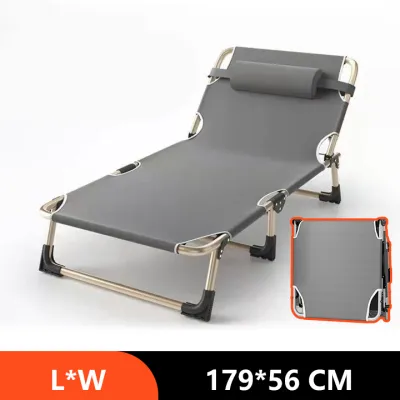
Prices are valid at publication and may change. Please refer to the product page for the latest price.
Color plays a vital role in maintaining a calm, spacious atmosphere. Stick to a neutral, earth-toned palette. Soft off-whites, warm ocher, oatmeal, muted stone grays, and pale olive greens work beautifully to reflect natural light, making a small living room feel larger and airier.
Finally, pay close attention to the silhouette of the sofabed. Japandi furniture typically features a low profile, keeping the visual weight of the room close to the ground. Look for clean, straight lines or gently rounded edges that soften the look of the piece. The folding hardware, metal brackets, and support legs should be as concealed as possible. Visible, bulky metal mechanisms can disrupt the clean visual flow, so prioritize designs where these elements fold away into hidden zippered compartments or are masked by wooden panels.
Assessing Folding Mechanisms for Compact Floor Plans
In a small living room, the way a sofabed unfolds determines how livable the space remains when the unit is in use. Before making a purchase, it is essential to compare the most common single folding mechanisms against your specific floor plan and daily routine.

The classic click-clack mechanism is popular for its simplicity, but it often requires wall clearance. This means you must position the sofa several centimeters away from the wall, or physically push the frame forward every time you want to flatten it into a bed. In a tight layout, this extra step can become a daily hassle.
A front pull-out or trundle-style mechanism is often more practical for narrow rooms. This design allows the sofa back to remain flush against the wall while the sleeping platform extends forward into the room. While this saves rear space, you must ensure that the floor area in front of the sofa is completely clear of heavy coffee tables or permanent fixtures. If you choose a pull-out model, check if the wheels or support legs are equipped with rubber casters or felt pads to prevent scratching vinyl, laminate, or polished tile flooring.
Another excellent option for Japandi spaces is the futon-style fold-down or tri-fold mattress. These designs often feature a simple wooden frame where the cushion folds directly onto the floor. This style offers an incredibly low profile that perfectly matches the Japanese-inspired side of Japandi design. However, because the sleeping surface sits very close to the floor, it requires a meticulously clean living room and may not be comfortable for individuals who prefer a traditional bed height.
To ensure a perfect fit, always measure your room’s dimensions and compare them to both the folded and unfolded specifications of the sofabed. As a general rule, you should maintain at least 50 to 60 centimeters of clear walkway space around the fully extended bed to allow for comfortable movement. Additionally, consider where you will store pillows, sheets, and blankets when the unit is in sofa mode. Since single sofabeds rarely feature built-in storage drawers, you may need to allocate space in a nearby closet or invest in a decorative woven seagrass basket that complements the room’s aesthetic.
Verifying Comfort and Structural Durability
A sofabed must perform two distinct duties: providing supportive seating during the day and a comfortable sleep surface at night. Achieving this balance requires a close inspection of the cushion filling and the underlying frame structure.
For the cushion, look for high-density polyurethane foam or pocket spring construction. High-density foam offers the necessary resilience to prevent the mattress from bottoming out against the frame. In the tropical climate of the Philippines, cheap, low-density foam can degrade rapidly, losing its shape and support within a few months of regular use. Pocket springs provide excellent contouring and breathability, allowing air to circulate through the mattress, which helps keep the sleeping surface cool during warm tropical nights.
The frame and joints bear the brunt of daily transitions, making structural integrity a non-negotiable factor. Solid wood frames, particularly those made from kiln-dried hardwoods or sturdy engineered wood with solid wood reinforcements, offer superior stability compared to thin particleboard. Inspect the hinge quality and metal brackets; they should feel heavy and operate smoothly without catching. In coastal or high-humidity regions of the Philippines, ensure that any metal components are powder-coated or treated to resist rust and corrosion.
When inspecting a sofabed in a showroom or evaluating user photos online, watch out for common red flags. Squeaking, grinding, or clicking sounds when sitting down or operating the mechanism indicate loose joints or poor-quality hardware. Check the spacing of the support slats beneath the cushion; gaps wider than 8 to 10 centimeters can cause the foam to sag prematurely, leading to discomfort and uneven wear. Finally, look for any visible dipping or sagging in the center seam where the cushions meet, as this is a common failure point in dual-use furniture.
Building a Shortlist: Specifications to Check Before Buying
Navigating online furniture stores and local showrooms is much easier when you have a structured evaluation matrix. Before adding any single foldable sofabed to your shortlist, verify the exact specifications listed on the product page.
Start by checking the precise dimensions: the overall width, the depth when folded, the total length when fully extended, and the seat height. Compare these figures against your room measurements, paying close attention to door frame widths, hallway corners, and elevator dimensions to ensure the delivery team can safely transport the item into your home. Next, check the fabric composition. Look for rub-test ratings if available; a rating of 15,000 to 20,000 cycles is generally sufficient for regular residential use.
When communicating with local furniture sellers or online customer support, ask specific questions to clarify delivery and assembly details. Key questions include:
- Does the sofabed ship fully assembled, or will it require home assembly?
- Are the assembly instructions and necessary tools included in the package?
- What are the exact terms of the structural warranty, particularly regarding the folding mechanism and the frame?
- What is the return or exchange policy if the item does not fit through my doorway or arrives with manufacturing defects?
Additionally, take the time to cross-reference user reviews on online marketplaces and social media channels. Look past the initial aesthetic impressions and search for feedback from customers who have owned the sofabed for six months or longer. Pay close attention to comments regarding how easily the fabric stains or pilling occurs, whether the cushion foam retains its firmness over time, and if the folding mechanism remains smooth and reliable after repeated transitions.
Styling the Sofabed to Complete the Japandi Aesthetic
Once you have selected a durable and functional single foldable sofabed, the final step is to integrate it into your living room in a way that preserves the clean, minimalist spirit of Japandi design. The goal is to create a space that feels curated, peaceful, and free of visual clutter.
Begin by selecting complementary textiles that add warmth and texture to the neutral palette. A lightweight throw blanket made from organic cotton or linen in a soft, muted tone—such as warm beige, sage green, or terracotta—can be casually draped over the back of the sofa. This adds a layer of Scandinavian comfort while keeping the look clean. Choose accent pillows with simple geometric patterns or solid, textured covers, avoiding overly bright colors or busy prints that clash with the serene environment.
Positioning the sofabed strategically is essential for maintaining a natural visual flow. Place the sofa in a position that maximizes access to natural light from windows, which helps create an open, airy feel. However, try to avoid placing the wooden frame in direct, harsh afternoon sunlight, as prolonged exposure can dry out the wood and cause the fabric to fade. Keep the surrounding area clear of unnecessary furniture to honor the Japanese concept of spatial harmony, which allows the mind to rest.
To complete the low-seating aesthetic typical of Japandi interiors, pair the sofabed with low-profile accessories. A simple, round wooden side table made from matching light oak or rubberwood provides a convenient spot for a cup of tea or a book without dominating the room. You can also place a woven seagrass or jute floor cushion nearby, offering additional flexible seating that can be easily tucked away when not in use. This keeps the visual plane low, making your ceilings feel higher and your small living room feel significantly more spacious.
Frequently Asked Questions (FAQ)
How do I clean and maintain natural wood frames on a foldable sofabed?
To preserve the natural beauty and structural integrity of a wooden frame, dust it regularly using a dry, soft microfiber cloth. This prevents dust and grit from settling into the folding joints and hinges, which can cause friction and wear over time. Avoid using harsh chemical cleaners, abrasive pads, or soaking wet cloths, as excess moisture can penetrate the wood grain, leading to warping or cracking in humid tropical climates. Always check the manufacturer’s care label for specific instructions; some matte-finished wood frames benefit from a light application of natural furniture wax or specialized wood oil once a year, while others only require a gentle wipe with a slightly damp cloth followed immediately by a dry towel.
Is a single foldable sofabed suitable for daily adult sleeping?
While a single foldable sofabed is an excellent space-saving solution for occasional guests, its suitability for daily adult use depends heavily on the quality of its support system and mattress thickness. For daily sleep, prioritize models with a mattress thickness of at least 10 to 12 centimeters to ensure your body does not press through to the underlying frame. A support system featuring solid wooden slats or a reinforced metal grid is highly recommended, as it provides better spinal alignment and weight distribution than a simple foam block resting directly on the floor. If you plan to use the sofabed every night, invest in a high-density foam or pocket-spring model to prevent chronic back discomfort and ensure long-term durability.

Community discussion
Share your experience or ask a question. Comments are reviewed before publication.