
A sliding wardrobe cabinet is an excellent space-saving solution for modern bedrooms, especially when floor space is at a premium. Unlike traditional hinged doors that require clearance to swing open, sliding doors glide parallel to the frame, allowing you to place other furniture close to the wardrobe. However, choosing the right unit involves more than just picking an attractive design. To ensure your investment is durable, functional, and easy to use, you must evaluate several critical factors before making a purchase.
To find a sliding wardrobe cabinet that fits your home seamlessly, you need to check the physical dimensions of your room, the quality of the door tracks, the structural materials, and the installation requirements. In tropical climates like the Philippines, where high humidity and dust can affect wood composites and moving hardware, these checks are even more vital. Taking the time to inspect these details beforehand will save you from costly delivery mistakes, jammed doors, and premature wear.
Measure Your Space and Pathway Clearance
Before browsing designs, you must establish the exact physical boundaries of the space where the wardrobe will stand. Start by measuring the width, height, and depth of the designated wall area. It is crucial to measure at multiple points—such as the top, middle, and bottom of the wall—because walls and ceilings are rarely perfectly straight. Additionally, look for structural obstacles like skirting boards, baseboards, light switches, power outlets, or air conditioning vents. A wardrobe pushed flush against a wall might block access to essential outlets or prevent a tight fit if skirting boards are not accounted for in the cabinet’s depth or base design.
Products mentioned in this guide
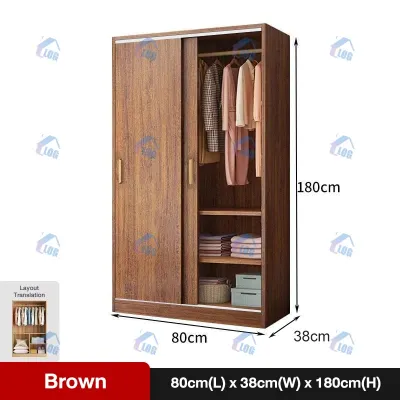
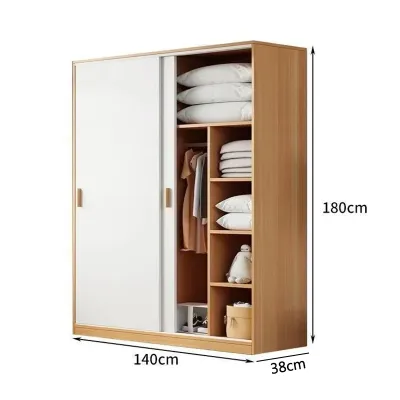
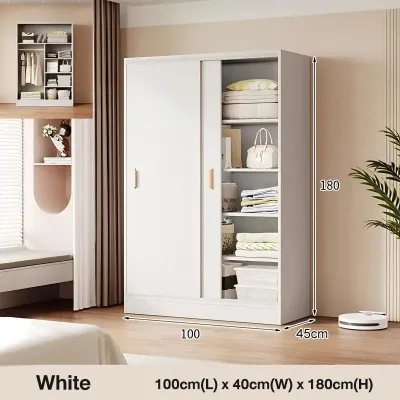
![[On Hand]Nordic Luxury Sliding Door Wardrobe Cabinet Wood Furniture Wardrobe Organizer 180cm Simple Assembly Wardrobe Organizer](https://img.lazcdn.com/g/p/e5d9fb9dfbc188aac006e3415a5274ee.jpg_400x400q80.jpg_.webp)
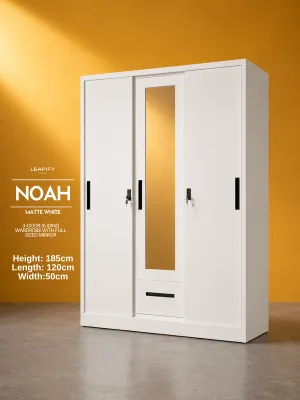
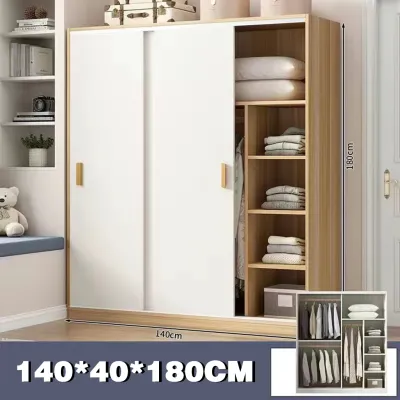
![[On Hand]Nordic Luxury Sliding Door Wardrobe Cabinet Wood Furniture Wardrobe Organizer 180cm Height large space durable](https://img.lazcdn.com/g/p/4c34fd735d6a38d99b7f634b5b6882ab.jpg_400x400q80.jpg_.webp)
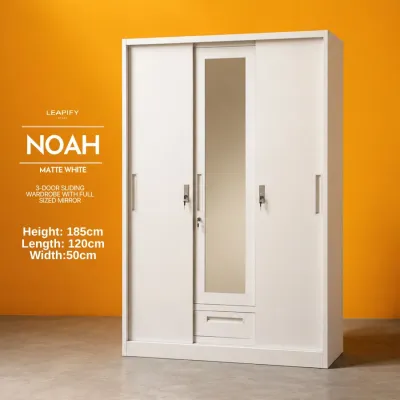
Prices are valid at publication and may change. Please refer to the product page for the latest price.
Equally important is the journey the wardrobe will take from the delivery truck to your bedroom. Many sliding wardrobes are delivered in large, heavy flat packs, while some semi-assembled units come in massive sections. You must measure the clearance of your doorways, hallways, staircases, and elevator cabins. If you live in a high-rise condominium or a multi-story home, tight corners and low ceilings can easily block delivery. Checking these pathway dimensions beforehand ensures you do not end up with a wardrobe that cannot physically reach your bedroom.
Finally, pay close attention to the depth of the wardrobe, specifically accounting for the sliding door mechanism. Sliding doors run on parallel tracks, which typically occupy about 5 to 10 centimeters of the wardrobe’s total depth. If a wardrobe has an external depth of 60 centimeters, the actual usable internal depth for hanging clothes may only be 50 to 55 centimeters. If the internal depth is too shallow, bulky garments like suits, heavy jackets, or traditional formal wear will rub against the sliding doors. This friction can cause the doors to stick, derail, or damage your clothing over time.
Evaluate the Door Mechanism and Track Quality
The sliding mechanism is the heart of your wardrobe; if the tracks or rollers fail, the entire cabinet becomes frustratingly unusable. Sliding wardrobes generally use one of two systems: top-hung or bottom-rolling tracks. Top-hung systems suspend the doors from a heavy-duty upper track, keeping the bottom floor area relatively clear and sleek. However, top-hung doors require a highly rigid top frame and robust wall anchoring to support the suspended weight. Bottom-rolling systems, on the other hand, place the weight of the doors on rollers running along a bottom track. While bottom-rolling systems are highly stable and easier to install, the lower tracks are prone to collecting dust, pet hair, and debris, which requires regular cleaning to maintain smooth operation.

To ensure daily safety and ease of use, look for essential hardware features like anti-jump mechanisms and soft-close dampers. An anti-jump system prevents the rollers from slipping off the track if the door is pushed too quickly or bumped accidentally. Soft-close dampers are equally critical; they catch the door as it nears the side panel and gently glide it to a silent close. This prevents the heavy doors from slamming against the outer frame, which can damage the structure, loosen joints, and create loud noises that disrupt a quiet household. Additionally, check for dust-proof brushes or sealing strips along the vertical edges of the doors to keep dust and insects out of your clean clothes.
When inspecting a physical display model or reviewing manufacturer specifications, pay close attention to the track material and wheel bearings. High-quality tracks are typically made of extruded aluminum, which resists bending and provides a smoother surface than plastic alternatives. The rollers should feature sealed ball bearings rather than simple plastic wheels. Gently slide the doors back and forth during your inspection; they should glide quietly with minimal effort. If you notice excessive lateral wobble, grinding noises, or a feeling of resistance, the hardware may wear out quickly under daily use.
Inspect Materials, Finish, and Internal Layout
The structural integrity of your sliding wardrobe depends heavily on the materials used in its construction. Most ready-to-assemble wardrobes are made from engineered wood products, such as particle board, medium-density fiberboard (MDF), or plywood. Check the manufacturer’s specifications for board thickness; sturdier wardrobes typically use boards that are at least 15mm to 18mm thick for the main frame and shelves. Pay close attention to the edge banding, which is the protective strip covering the raw edges of the engineered wood. In humid environments, poorly sealed edges allow moisture to penetrate the core material, causing the wood to swell, warp, and degrade. Look for clean, tightly bonded PVC or ABS edge banding with no visible gaps or glue lines.
The internal layout of the wardrobe must align with your personal storage habits. Before buying, take inventory of your wardrobe to determine how much hanging space, shelving, and drawer storage you need. Look for systems that offer adjustable shelves and modular hanging rails, allowing you to customize the interior as your storage needs change over time. Ensure that drawers glide smoothly on metal runners—preferably full-extension ball-bearing slides—and that they do not block the sliding doors when closed. The interior layout should be designed so that drawers can open fully without hitting the door frame or overlapping door panels.
The exterior finish and handle design also play a major role in both durability and aesthetics. Common finishes include melamine, high-pressure laminates, and wood veneers. Melamine and laminates are highly popular because they offer excellent resistance to scratches, moisture, and stains, making them easy to wipe clean with a damp cloth. When evaluating handles, consider whether you prefer protruding handles, recessed cups, or integrated profile grips. Protruding handles can sometimes catch on clothing or limit how far the doors can slide past each other, whereas recessed or profile handles offer a sleek, flush look that maximizes the door opening clearance.
Review Assembly, Delivery, and Installation Requirements
Installing a sliding wardrobe cabinet is a precise task that requires careful planning. Because these wardrobes are tall and carry heavy sliding doors, stability is a major safety concern. You must confirm whether the unit requires wall anchoring or floor-to-ceiling fixing to prevent tip-over accidents. Check the type of walls in your bedroom; solid concrete walls require different wall plugs and masonry drill bits compared to hollow drywall or plasterboard partitions. If you are renting your home, verify if your lease allows you to drill into the walls for anchoring hardware.
Another critical factor is the levelness of your bedroom floor. Sliding doors rely on gravity and precise alignment to stay on their tracks. If your floor slopes even slightly, the doors may slide open on their own, fail to close completely, or experience uneven wear on the rollers. Before installation, check your floor with a spirit level. If the floor is uneven, you will need to verify if the wardrobe comes with adjustable feet, or if you will need to use shims or construct a custom level plinth to ensure the bottom track is perfectly horizontal.
Finally, clarify all logistical terms with the retailer before finalizing your purchase. Ask about delivery fees, especially if you live on an upper floor without elevator access, as carrying heavy wardrobe panels up stairs often incurs extra handling fees in ₱. Determine if professional assembly is included or available for an additional fee. Given the complexity of aligning sliding tracks and doors, paying for professional installation is often a wise investment to ensure the wardrobe operates correctly and remains covered under warranty. Be sure to read the warranty terms carefully, noting whether the coverage extends to the sliding hardware and rollers, which are the parts most likely to experience wear over time.
Frequently Asked Questions (FAQ)
Can I install a sliding wardrobe on uneven floors?
Yes, but you must take specific steps to level the unit during installation. If a sliding wardrobe is placed directly on a sloping floor, the doors will not align properly with the side panels, leaving gaps that let in dust. More importantly, gravity will pull the doors toward the lower side, causing them to slide open on their own or derail from the tracks. To prevent this, you can use wardrobes equipped with adjustable leveling feet to compensate for minor floor variations. For more significant slopes, installers typically place wooden shims under the base or build a custom, leveled plinth to create a perfectly horizontal foundation for the bottom track.
How do I maintain the sliding tracks to prevent sticking?
Regular maintenance is essential to keep your sliding doors gliding smoothly and to prevent premature wear on the rollers. The most common cause of sticking doors is the accumulation of dust, dirt, hair, and small debris inside the bottom track. You should vacuum the tracks at least once a week using a narrow crevice tool, followed by a wipe-down with a damp microfiber cloth to remove stubborn grime. Periodically inspect the rollers for tangled hair or lint, and gently clear them away. Avoid applying heavy household oils to the tracks, as these lubricants attract dust and create a sticky paste that clogs the bearings; instead, consult your product manual to see if a dry silicone spray is recommended.

Community discussion
Share your experience or ask a question. Comments are reviewed before publication.