
Filipino homes often balance the reality of compact urban living spaces with the cultural joy of hosting large family gatherings. Finding a small foldable dining table that can comfortably seat 6 to 10 people when extended requires a careful look at dimensions, mechanism designs, and structural stability. By selecting a table that remains unobtrusive during the week but expands seamlessly for weekend feasts, you can maximize your floor plan without sacrificing hospitality.
Quick Guide to Sizing an Expandable Table for 6-10 Guests
To ensure your guests can dine comfortably without bumping elbows, you must first understand the relationship between table length and seating capacity. As a general rule, each seated adult requires approximately 60 centimeters of lateral table space to eat comfortably. When planning for a gathering of 6 people, look for an extended table length of at least 150 to 180 centimeters. For larger groups of 8 to 10 people, the fully extended length should ideally reach 240 to 300 centimeters.
The width of the table is equally important, especially when serving family-style meals with multiple large platters. A width of 80 to 90 centimeters is usually the minimum required to allow for place settings on both sides while leaving a central strip for serving dishes. If your dining room is narrow, you may need to look for a table that prioritizes length over width, or plan to use sideboards and kitchen counters to hold serving platters.
Products mentioned in this guide
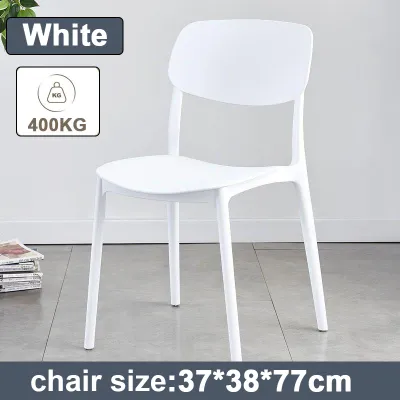
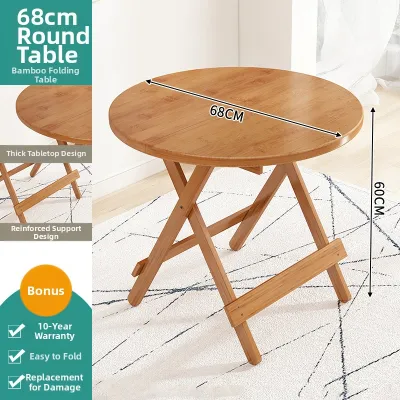
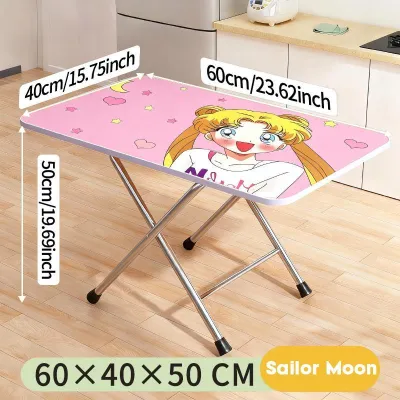
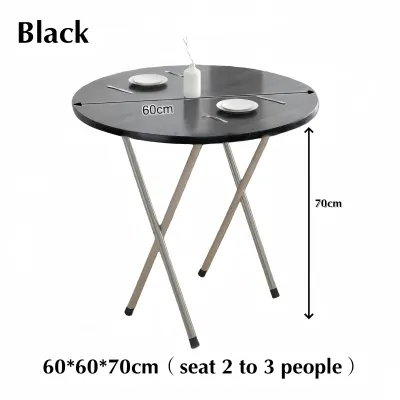
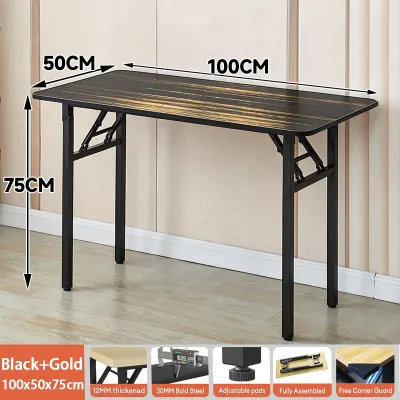
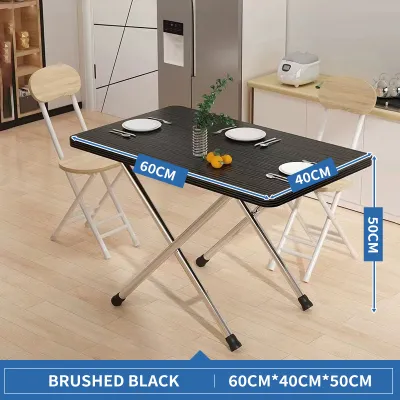
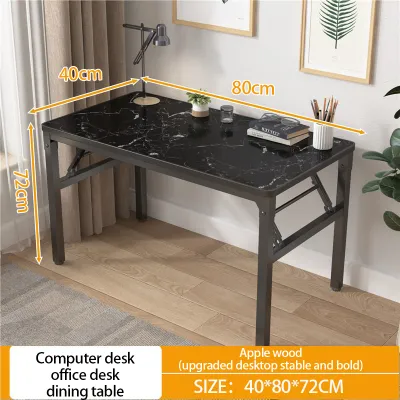
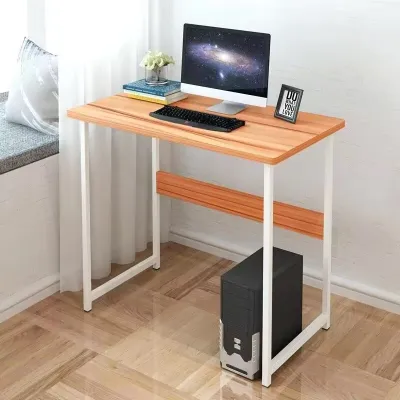
Prices are valid at publication and may change. Please refer to the product page for the latest price.
Before making a purchase, define the maximum footprint your dining area can accommodate on a daily basis. For small apartments or townhouses, a compact everyday footprint of 80 by 80 centimeters or a console table that sits flat against the wall is ideal. Always check the manufacturer’s product label for three critical measurements: the fully collapsed dimensions, the partially extended dimensions, and the maximum fully extended dimensions.
Comparing Folding and Extending Mechanisms
The mechanism that allows a small foldable dining table to expand determines both its daily convenience and its long-term durability. Drop-leaf tables feature hinged panels on one or both sides that hang down when not in use. This design is highly intuitive and quick to set up, making it excellent for transitioning from a two-person breakfast nook to a four-to-six-person dining setup. However, drop-leaf tables rarely extend far enough to accommodate 10 people due to the physical limits of hanging panels.

Butterfly leaf tables utilize a hidden center leaf that folds in half and stores directly beneath the tabletop. When you pull the two ends of the table apart, the leaf unfolds to fill the gap. This mechanism is highly valued because it keeps the extension pieces self-contained, eliminating the need for extra closet storage. When evaluating a butterfly leaf table, test the smoothness of the sliding tracks and ensure the alignment pins lock securely into place.
For those who need to scale up from a tiny footprint to a massive 10-seat banquet, console-to-dining tables offer the most dramatic transformation. These units look like slim entryway console tables when closed but can expand using a series of interlocking metal tracks and separate insert leaves. While highly space-efficient, these tables require you to store the extra leaves elsewhere in your home, and transforming them often requires two people to pull the heavy frame apart.
Regardless of the mechanism you choose, pay close attention to the locking hardware underneath the tabletop. High-quality latches, toggle clamps, or wooden support sliders are essential to prevent the table from accidentally buckling or separating when fully loaded with food.
Measuring Your Dining Area for Both Everyday and Gathering Modes
A common mistake when buying an expandable table is only measuring the room for its everyday, compact state. To avoid a cramped dining experience, you must measure your space with both modes in mind. Start by mapping out the extended dimensions of the table on your floor using masking tape. This visual aid will help you see exactly how much physical space the table will occupy during a large gathering.
To allow guests to sit down, rise, and move around comfortably, aim for a clearance zone of at least 90 centimeters between the edge of the table and the nearest wall or piece of furniture. If the dining area serves as a primary walkway to the kitchen or bathroom, increase this clearance to 120 centimeters. This ensures that even when chairs are fully pulled out, family members can still navigate the room without causing a disruption.
In addition to the dining room itself, you must verify that the extended table does not block essential architectural features. Check that swinging doors, pantry cabinets, and refrigerator doors can still open fully when the table is at its maximum length. If the table blocks a major exit or creates a safety hazard, you may need to position it diagonally or opt for a slightly smaller model.
Finally, do not overlook the logistics of getting the table into your home. Measure the width and height of all entryways, hallway corners, stairwells, and elevator doors. Even if a table is delivered unassembled in flat boxes, those boxes can be surprisingly long and heavy. Ensuring that the packaged product can safely clear these tight spaces will prevent delivery day headaches.
Evaluating Stability, Materials, and Daily Usability
When a table is extended to its maximum length of 240 centimeters or more, stability becomes a primary safety concern. Tables with central pedestal bases are excellent for legroom but can become top-heavy when extended. Look for designs that feature support legs that slide outward with the frame, or models that include drop-down auxiliary legs to support the center of the table when fully opened.
Always review the manufacturer’s specifications for the maximum weight capacity of the table, paying close attention to how that weight must be distributed. Some expandable tables can support up to 100 kilograms on the main frame but have much lower weight limits on the extended leaves. Knowing these structural limits prevents structural sagging or sudden collapse during a lively family meal.
The choice of surface material is critical for daily usability, especially in tropical climates where humidity levels fluctuate. Solid wood tables are beautiful but can warp or swell if the joints are not properly sealed against moisture. Engineered wood with high-quality laminate or melamine finishes offers excellent resistance to spills and scratches, making it a practical choice for busy households.
Before purchasing, check the manufacturer’s care instructions regarding heat and moisture resistance. Since Filipino gatherings often feature hot serving pots and condensation-heavy pitchers of cold drinks, you will want to verify if the surface requires trivets and coasters. A durable, easy-to-clean finish ensures that your table remains presentable for years without requiring intensive refinishing.
Common Space and Sizing Mistakes to Avoid
One of the most frequent oversights when planning for a 10-person gathering is failing to account for the physical dimensions of your dining chairs. Chairs with wide profiles, flared legs, or armrests require significantly more space than standard armless side chairs. If your chairs cannot slide fully underneath the table when not in use, they will block walkways and reduce the actual seating capacity of your setup.
Another mistake is relying solely on the manufacturer’s advertised seating capacity without verifying the actual measurements. A table advertised as seating 10 might only do so if you use narrow folding chairs or benches. For adult guests, these tight arrangements can feel incredibly cramped. Always calculate the seating capacity yourself using the 60-centimeter-per-person guideline to ensure a comfortable dining experience.
Lastly, remember to plan for the storage of removable extension leaves if you choose a console or extension table without self-storing compartments. These heavy wooden panels must be stored flat in a dry, climate-controlled area, such as under a bed or inside a closet, to prevent warping. If you lack extra storage space in your home, prioritize self-storing butterfly leaf designs instead.
Frequently Asked Questions (FAQ)
How do I protect the folding joints from wear during frequent extensions?
To maintain smooth operation, regularly inspect the hinges, tracks, and locking pins for dust, debris, or signs of friction. Refer to the manufacturer’s guidelines to see if a light application of silicone lubricant is recommended for the metal tracks. Avoid forcing the mechanism if it feels stuck; instead, check for misalignment or loose screws that may need tightening to restore smooth movement.
Can a small foldable table safely hold heavy traditional dishes for large gatherings?
Yes, provided you adhere to the manufacturer’s specified weight limits and distribute the load correctly. Always place heavy serving bowls, soup tureens, and large platters over the main, central support legs of the table rather than on the outer edges of the extended leaves. Utilizing trivets and heat-resistant pads will also protect the surface finish from thermal stress caused by hot dishes.

Community discussion
Share your experience or ask a question. Comments are reviewed before publication.