
Choosing a dining table for a large family in the Philippines requires balancing daily space-saving needs with the capacity to host festive gatherings. A smart and extendable dining table offers a practical solution, transforming from a compact daily setup for six into a spacious banquet table that comfortably seats ten. To find a model that endures years of family feasts, you must look beyond aesthetics and carefully evaluate spatial dimensions, mechanical durability, power safety, and surface resilience.
Core Selection Criteria for Large Gatherings
To accommodate six to ten guests comfortably, you must first understand the physical space requirements of a seated diner. Each person requires a minimum of 60 centimeters of table width and 35 to 40 centimeters of depth to dine without bumping elbows. For a baseline of six guests, a table must measure at least 150 to 180 centimeters in length. To scale up to ten guests, the table must extend to a length of 240 to 300 centimeters.
Integrating smart components—such as built-in induction cooktops, motorized extension gears, and wiring harnesses—adds significant weight to the furniture. This physical weight must be balanced by a highly stable frame. A heavy tabletop requires robust legs and a reinforced chassis to prevent sagging or tipping when the table is fully extended to its maximum length.
Products mentioned in this guide
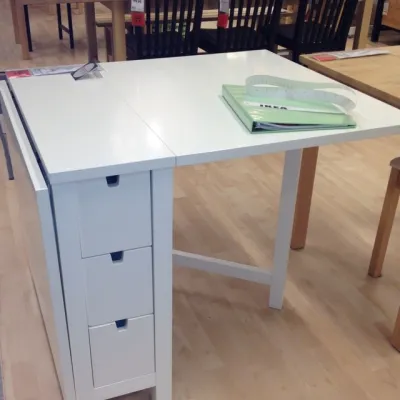
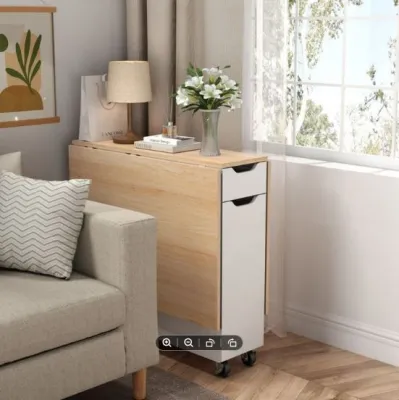
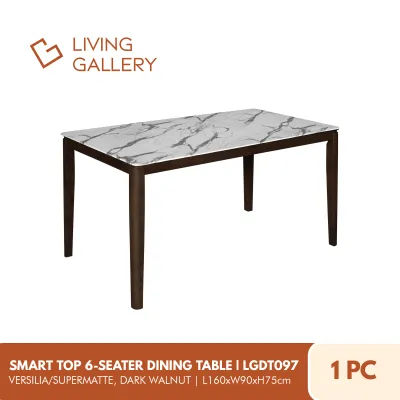
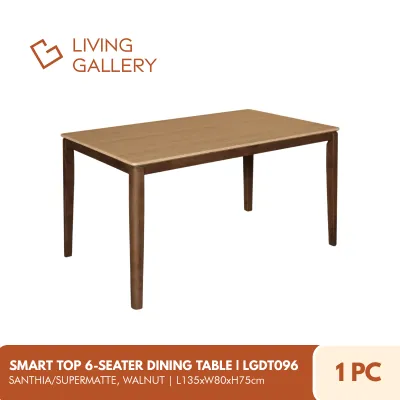
Prices are valid at publication and may change. Please refer to the product page for the latest price.
Before shopping, identify your primary use case to prioritize either high-tech integration or maximum seating capacity. If your family hosts massive weekend gatherings with heavy serving platters, prioritize a robust mechanical extension with maximum surface area. If your table doubles as a remote workspace or a hub for interactive dining like hotpot, prioritize integrated power outlets and built-in induction zones.
Space Planning and Dimension Checks
Measuring your dining room is the most critical step before purchasing an extendable table. A fully extended table requires a minimum clearance of 90 centimeters—ideally 120 centimeters—from the walls or adjacent furniture. This clearance ensures that guests can pull out their chairs comfortably and walk behind seated family members without disrupting the meal.

Do not overlook the physical journey of the table from the delivery truck to your dining room. Smart extendable tables are often delivered partially assembled or as single, exceptionally heavy units. Measure the height and width of your front door, narrow hallway corners, stairwells, and elevator cabins. Ensure the collapsed dimensions of the table can safely clear these tight spots during delivery to avoid costly returns.
The shape of the table extension directly impacts seating arrangements and room traffic flow. Rectangular tables maximize seating along straight edges but can block walkways in narrow rooms. Oval and round extendable tables soften the corners, making it easier to squeeze in an extra chair, though they may offer slightly less plate space in the center. Pay close attention to leg placement; legs that remain at the outer corners when extended provide maximum legroom, whereas pedestal bases or fixed center legs can restrict knee space for guests sitting near the ends.
Evaluating Extension Mechanisms and Stability
The reliability of an extendable table depends entirely on its mechanical system. Common designs include butterfly leaf systems, drop-leaf designs, and slide-out tracks. Butterfly leaf systems store the extension panels internally, folding out smoothly when the table is pulled apart. This eliminates the need to store separate leaves, but the internal hinges must be checked for smooth, squeak-free operation.
Drop-leaf tables feature hinged sides that hang down when not in use, which is simple but often lacks the structural support needed for heavy dishes at the extended ends. Slide-out tracks utilize metal runners that pull apart from the center, allowing you to insert separate extension leaves. For long-term durability, look for high-grade aluminum or steel tracks that glide smoothly without grinding or sticking.
When a table is fully extended to accommodate ten people, the center joints and outer edges bear immense pressure. Check the joint strength, leg placement, and cross-supports. Look for tables with heavy-duty steel brackets or center support legs that lower to the floor when extended to prevent tipping. During in-store testing or when reviewing video demonstrations, watch for physical warning signs such as a noticeable wobble when lightly shaken, sagging in the center, or misaligned seams where the leaves meet.
Navigating Smart Features and Power Requirements
Modern smart dining tables offer integrated features like built-in induction cooktops, wireless charging pads flush with the surface, and USB ports. Built-in induction zones are highly practical for serving hot soup, sinigang, or hosting DIY hotpot nights directly at the table. Wireless charging pads and USB ports keep devices powered, making the table a functional hub for remote work or study.
Because these smart features require electricity, managing power cords is essential for safety. A cable running from the table to a wall outlet creates a major trip hazard in high-traffic dining areas. Plan your dining room layout around floor outlets located directly beneath the table. If you must run a cord to a wall outlet, secure it to the floor using heavy-duty, low-profile cord covers to prevent accidents.
Electrical safety is paramount when dealing with integrated furniture. In the Philippines, household electricity operates at 220V to 240V at 60Hz. Verify that all electrical components carry recognized safety certifications, such as the Philippine Standard (PS) or Import Commodity Clearance (ICC) marks, or reputable international equivalents. Avoid unbranded smart tables that lack clear voltage ratings or safety labels, as they pose fire and shock hazards in humid tropical climates.
Surface Materials and Maintenance for Heavy Use
The surface material of your dining table must withstand frequent large gatherings, hot dishes, and accidental spills. Sintered stone is an exceptional choice for smart tables, offering high resistance to scratches, stains, and extreme heat, allowing you to place hot pots directly on the surface. Tempered glass provides a modern, easy-to-clean look but is prone to fingerprints and can shatter under extreme impact or thermal shock if not high-quality.
Treated wood offers classic warmth and beauty but is highly susceptible to water rings, scratches, and heat damage. Wood surfaces require the consistent use of coasters, placemats, and trivets to maintain their finish. Regardless of the material, review the manufacturer’s care instructions carefully to ensure your cleaning methods do not damage the integrated electronics or the protective seals around them.
Smart tables feature delicate seams where electronic components meet the tabletop material. Standard dining tables can be wiped down with wet cloths, but smart tables require damp or dry microfiber cloths to prevent moisture from seeping into electrical seams. Keep in mind that repairability is highly limited; if you crack a sintered stone top or damage the area around an integrated induction cooktop, repairs are complex and often excluded from standard warranties.
Pre-Purchase Verification and Delivery Planning
Before finalizing your purchase from an online marketplace or showroom, confirm the warranty coverage details. A reputable smart table should have separate warranty terms: one for the structural frame (often 3 to 5 years), one for the mechanical extension parts (1 to 2 years), and another for the electronic modules (usually 1 year). Understanding these boundaries protects you if a mechanical track jams or an induction coil fails.
Verify the assembly requirements before the delivery truck arrives. Some smart tables require professional assembly due to their weight and electrical wiring. Check if the retailer provides assembly services or if you need to hire a qualified technician to safely connect and test the integrated power systems. Attempting to assemble a complex, heavy smart table without proper tools can void your warranty.
Finally, review the return policies, restocking fees, and delivery surcharges. Because these tables are heavy and fragile, delivery fees in the Philippines can be substantial, especially for high-rise condominiums or provincial deliveries. Confirm the exact delivery fee in ₱ before finalizing your purchase. Ensure the retailer offers a clear return policy in case the table arrives with mechanical defects or shipping damage.
Frequently Asked Questions (FAQ)
Can I use a smart dining table outdoors or on a balcony?
No, smart dining tables are strictly designed for indoor use. The high humidity, salt air, and heavy rainfall in the Philippines will quickly corrode the internal electrical wiring and mechanical tracks. Even if the table claims a basic moisture-resistant finish, it lacks the high Ingress Protection (IP) rating required to withstand outdoor exposure. Direct sunlight can also warp wood components, degrade sealants around induction cooktops, and cause electronic components to overheat and fail.
How do I clean the surface around built-in induction cooktops?
To clean around built-in induction cooktops, always unplug the table first and wait for the surface to cool completely. Use a slightly damp microfiber cloth with a mild, pH-neutral dish soap; avoid abrasive scrubbing pads, bleach, or harsh chemical sprays that can degrade the silicone seals surrounding the cooktop. Wipe outward away from the seams to prevent liquid from pooling or seeping into the electrical housing. Dry the area immediately with a clean towel to ensure no moisture remains near the electronic components.

Community discussion
Share your experience or ask a question. Comments are reviewed before publication.