
Choosing the best display shelf rack for a small home office in the Philippines requires balancing vertical storage capacity with a compact floor footprint. In urban condominiums and suburban townhouses where space is limited, a tall, narrow bookcase or a wall-mounted shelving unit works best. These configurations allow you to organize books, files, and office essentials without crowding walkways. Additionally, selecting materials that can withstand local tropical humidity ensures your furniture remains durable and safe over time.
By focusing on vertical space, you can keep your workspace organized and visually open. The right choice depends on your specific wall structure, storage needs, and room layout.
Measuring Your Home Office Space and Storage Needs
Before browsing online marketplaces or local furniture showrooms, you must accurately measure your available space. Use a steel tape measure to determine the exact floor area where the display shelf rack will stand. Always account for baseboards, wall outlets, and light switches, as these can prevent a shelf from sitting flush against the wall. Ensure there is at least 60 to 70 centimeters of clearance in front of the shelf so you can walk past and access items comfortably without bumping into other furniture.
Products mentioned in this guide
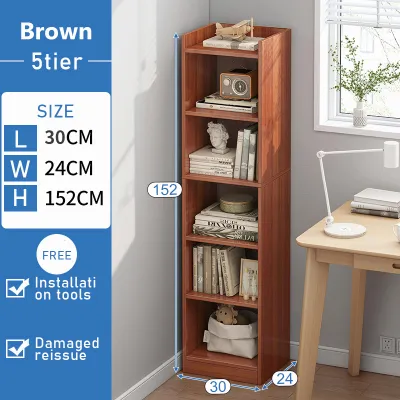
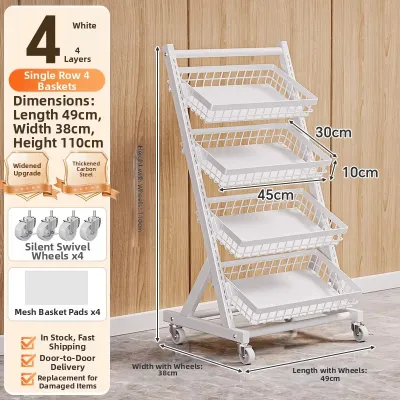
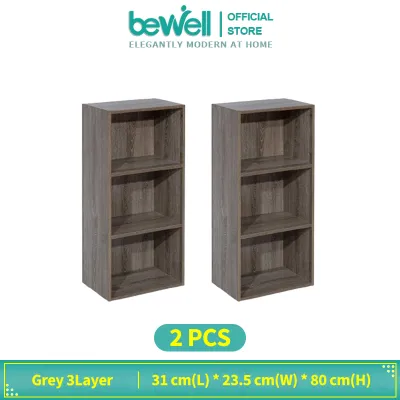
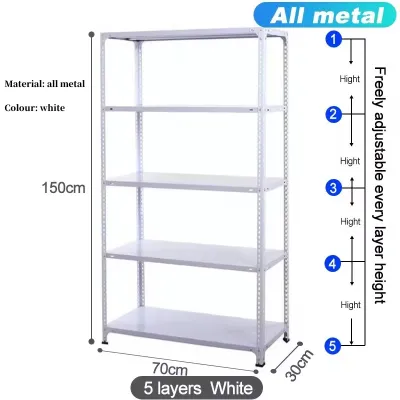
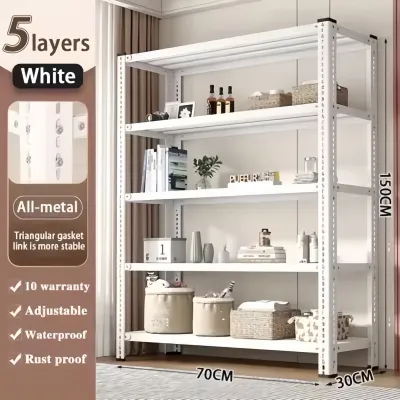
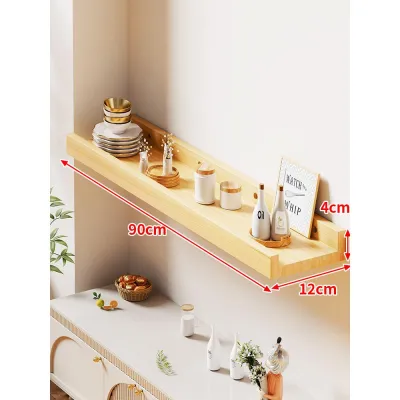
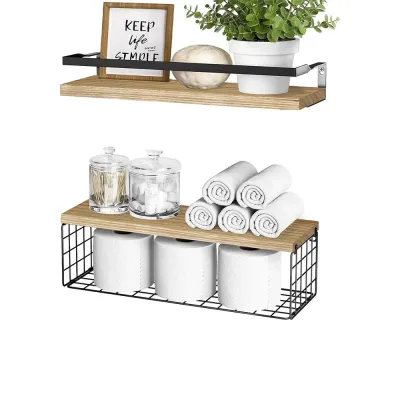
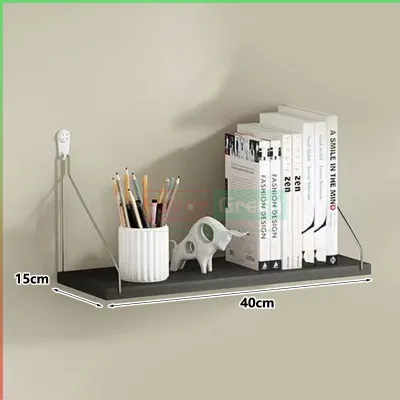
Prices are valid at publication and may change. Please refer to the product page for the latest price.
Next, measure your vertical space from the floor to the ceiling. Note the height of any wall-mounted air conditioning units, window frames, or decorative moldings that might obstruct a tall unit. Knowing these dimensions helps you determine the maximum height your room can accommodate without blocking airflow or natural light.
Take an inventory of the items you plan to store or display. Heavy reference books, binders, and printers require deeper shelves and higher load capacities than light decorative items, photo frames, or small indoor plants. Estimating the total weight and size of your items prevents you from purchasing a rack that will sag or warp under pressure.
Finally, plan the delivery and assembly pathway. Many residential buildings and townhouses in the Philippines have tight stairwells, narrow hallways, and compact elevators. Measure these entry points to ensure that either the fully assembled unit or the flat-pack packaging can safely reach your home office. If a unit is too large to fit through your doorway or elevator, a modular or flat-pack design that you assemble inside the room is a practical alternative.
Choosing Space-Saving Display Shelf Rack Configurations
When floor space is limited, the design configuration of your shelf plays a major role in how spacious your office feels. Different styles offer unique advantages depending on your layout.

Tall and Narrow Bookcases
Tall and narrow bookcases are highly efficient for maximizing vertical storage. By extending upward rather than outward, these units provide multiple tiers of shelving while occupying less than half a square meter of floor space. They are ideal for storing heavy books and office supplies within arm’s reach of your desk, making them a staple for productive workspaces.
Wall-Mounted and Floating Shelves
If you want to keep your floor completely clear, wall-mounted shelves or floating racks are excellent options. Removing the base of the furniture from the floor makes a small room feel larger and simplifies cleaning. You can install these shelves directly above your desk or filing cabinets, turning unused wall space into a functional display area.
Corner Shelving Units
Corners are often underutilized in small home offices. A dedicated corner display shelf rack fits snugly into a 90-degree angle, transforming dead space into a practical storage hub. These units are perfect for displaying awards, small plants, or decorative items that personalize your workspace without encroaching on main walkways.
Ladder or Leaning Shelves
Ladder or leaning shelves offer a modern, lightweight aesthetic with a graduated depth. The bottom shelves are deeper, while the top shelves are shallower, which reduces the visual weight of the furniture. This design prevents the room from feeling boxed-in and provides flexible angles for displaying books and decor, though they must be secured properly to prevent movement.
Evaluating Dimensions, Materials, and Weight Capacity
To ensure your display shelf rack is both functional and durable, you must carefully evaluate its specifications before making a purchase.
Compare the product’s external dimensions against your room measurements, leaving a margin of at least two to three centimeters on either side. This gap allows for adequate airflow, which is crucial in humid tropical climates to prevent mold and mildew from developing behind the furniture.
Never assume a shelf’s weight capacity based on its appearance. Always check the manufacturer’s specified weight limit per shelf and the total weight capacity of the entire unit. If you plan to store heavy items like law books, engineering manuals, or a printer, look for reinforced shelves with verified load ratings.
Material selection is critical for long-term durability in the Philippines. If you choose engineered wood, such as MDF or particleboard, verify that all edges have high-quality, sealed edge banding. Unsealed edges can absorb moisture from the air, causing the wood to swell and weaken. For metal frames, look for powder-coated finishes that resist rust and corrosion. Smooth, non-porous surfaces are also much easier to wipe down during regular dusting.
Additionally, look for units with adjustable shelf heights. This feature allows you to customize the spacing between shelves to fit tall binders, standard novels, or storage boxes, eliminating wasted vertical space.
Ensuring Safe Installation and Stability
Safety is a primary consideration when installing tall or wall-mounted furniture, especially in earthquake-prone regions. Proper installation prevents tipping hazards and protects your equipment.
First, identify your wall type. Most homes in the Philippines feature concrete or concrete hollow block walls, while some modern partitions use drywall. Standard plastic wall plugs included in flat-pack furniture are often designed for drywall and may not hold securely in concrete. For concrete walls, you must use heavy-duty masonry wall plugs or expansion shields. Always use the appropriate drill bit and hardware to secure your shelf to the wall.
When assembling the unit, follow the manufacturer’s instructions step-by-step. Use the correct tools and avoid over-tightening screws, which can strip the threads in engineered wood and compromise the structural integrity of the joints. Ensure all connection points are firm and wobble-free before placing any items on the shelves.
To maintain stability, plan your weight distribution carefully. Always place your heaviest items, such as thick books, paper reams, or storage bins, on the bottom shelves. This lowers the unit’s center of gravity, making it much less likely to tip forward. Keep lighter decorative items, photo frames, and small plants on the upper levels.
If you are unsure about your wall’s load-bearing capacity, or if you lack the necessary tools like a hammer drill, stop and consult a professional handyman. Investing in professional installation ensures your display shelf rack is mounted safely and securely.
Frequently Asked Questions (FAQ)
How deep should a display shelf be for standard office books?
For standard paperbacks and hardcovers, a shelf depth of 25 to 30 centimeters is ideal. This depth easily accommodates most books and standard office binders without extending too far into your room’s walkways. If you only need to display small decorative items or novels, a shallower shelf of 20 centimeters can save valuable floor space. Always measure your largest binders or storage boxes before purchasing to ensure they will not overhang.
Can I use a leaning shelf rack without anchoring it to the wall?
No, using a leaning or ladder-style shelf rack without anchoring it to the wall is highly discouraged. Even if the rack feels stable initially, uneven weight distribution, accidental bumps, or pulling on an item can cause the entire unit to slide or tip forward. Most manufacturers explicitly require the use of anti-tip hardware or wall anchors. This safety measure is especially critical in homes with pets, children, or frequent movement.

Community discussion
Share your experience or ask a question. Comments are reviewed before publication.