
In small Filipino kitchens, counter space is premium real estate. Between rice cookers, dish racks, and daily meal preparation, finding room for spices, condiments, and small utensils requires vertical thinking. A well-chosen kitchen counter top cabinet maximizes vertical space, keeps daily essentials within arm’s reach, and protects items from the tropical humidity and kitchen grease common in local homes. Selecting the right unit involves balancing physical dimensions, material durability under humid conditions, and accessibility.
Choosing a cabinet that fits your specific kitchen layout prevents the counter from feeling cluttered or cramped. By focusing on smart storage configurations, moisture-resistant materials, and secure installation, you can transform a chaotic workspace into an organized, efficient cooking environment. This guide outlines the essential steps to measure, select, and maintain a countertop cabinet tailored to your household needs.
Measure Your Counter Space and Define Storage Needs
Before browsing online marketplaces or visiting local showrooms, you must establish the exact physical boundaries of your countertop. Use a metal measuring tape to record the width, depth, and height of the available space. When measuring height, pay close attention to the clearance beneath upper wall cabinets, range hoods, or low-hanging light fixtures. Backsplash tiles with thick decorative borders or exposed electrical conduits can also reduce the usable flat surface, so measure from the furthest protruding point rather than the bare wall.
Products mentioned in this guide
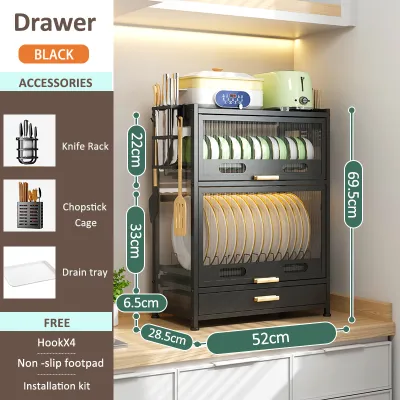
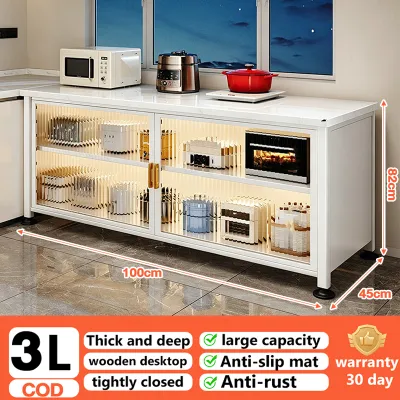
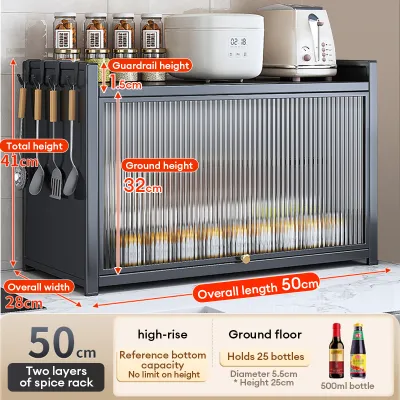
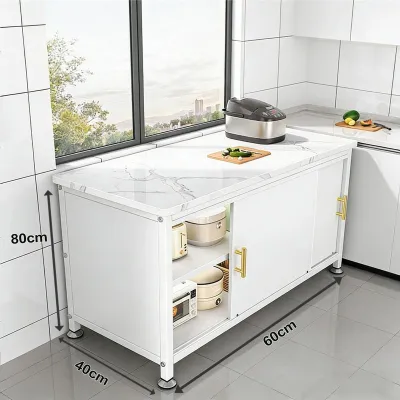
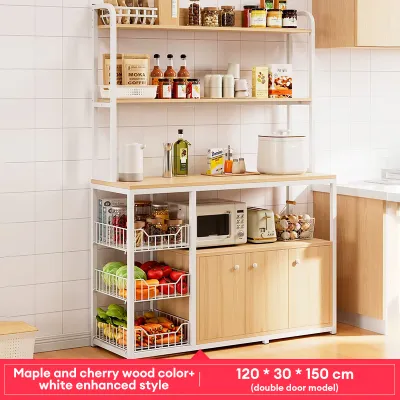
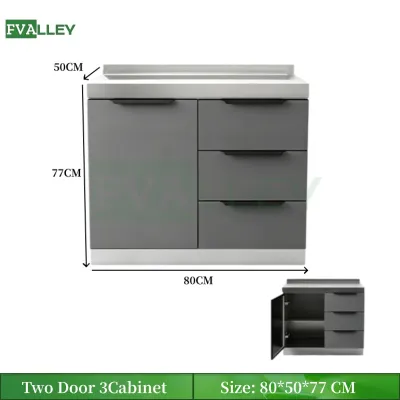
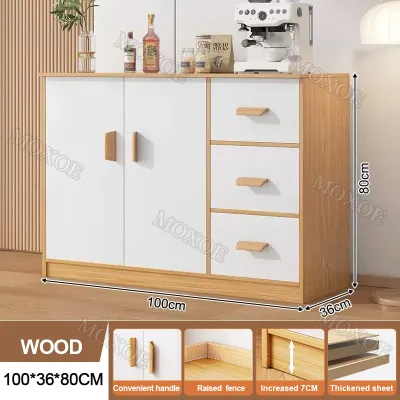
Prices are valid at publication and may change. Please refer to the product page for the latest price.
Next, analyze what you plan to store inside the cabinet. Group your items by weight, size, and frequency of use. Heavy ceramic plates, glass jars of cooking oil, and small appliances require a sturdy base and low center of gravity. Conversely, lightweight items like tea bags, spices, and paper napkins can sit on higher shelves. Consider how vulnerable these items are to kitchen grease, steam, and dust, as this determines whether you need open shelving or fully sealed doors.
Finally, map out the clearance zones for doors and drawers. A cabinet with wide swing-out doors can block narrow walkways or collide with adjacent appliances like the refrigerator or stove. Measure the path of the door swing to ensure it can open fully without disrupting the flow of traffic in the kitchen. If space is exceptionally tight, sliding doors, roll-up shutters, or open compartments are often more practical choices that keep your prep areas functional.
Match Cabinet Types to Your Compact Layout
Different kitchen layouts demand different storage solutions. A galley kitchen requires streamlined, shallow units that preserve prep space, while an L-shaped kitchen offers deep corners that can accommodate bulkier organizers. Matching the cabinet’s form factor to your specific kitchen zone ensures that your most-used items remain accessible without interfering with daily cooking tasks.

Multi-Tiered Shelving and Open Racks
Multi-tiered shelving and open racks are excellent for high-traffic zones where speed and visibility are priorities. These units allow you to grab spices, cooking oils, and frequently used utensils instantly during meal preparation. Many modern open racks feature adjustable shelves, allowing you to customize the height intervals to fit tall sauce bottles or compact condiment jars.
While open racks maximize vertical capacity on a minimal footprint, they offer no protection against environmental factors. In a busy kitchen, airborne grease and steam combine with dust to form a sticky residue on exposed items. If you choose an open rack, reserve it for items you use and wash daily, and be prepared for regular cleaning of both the shelves and the containers stored on them.
Corner and L-Shaped Units
Kitchen corners are frequently underutilized, often becoming dead zones where clutter accumulates. Corner and L-shaped countertop cabinets are specifically designed to reclaim this space, turning awkward angles into functional storage hubs. These units fit snugly into the corner, leaving the main expanse of your countertop free for food preparation.
When selecting a corner unit, evaluate how easily you can reach the items stored deep inside. Fixed triangular shelves can make it difficult to access items in the very back without knocking over things in the front. Look for units with tiered step designs or integrated rotating mechanisms, such as a lazy Susan, to bring rear items forward. Ensure the depth of the corner unit does not extend so far forward that it blocks access to the kitchen sink or stove controls.
Enclosed Cabinets and Appliance Garages
Enclosed cabinets and appliance garages are ideal for creating a clean, minimalist look by hiding visual clutter. They protect sensitive dry goods, bread, and small appliances from kitchen humidity, pests, and cooking splatters. An appliance garage with a dedicated roll-up or lift-up door can house a toaster or blender, keeping it plugged in and ready for use while keeping it out of sight when idle.
For tight spaces, sliding doors or magnetic glass panels are highly practical because they do not require outward clearance to open. If you plan to enclose heat-generating appliances like a small toaster oven, verify that the cabinet has adequate ventilation slots or an open back to prevent heat buildup. Additionally, consider the visual impact of the cabinet; solid, dark wood doors can make a small kitchen feel smaller, whereas glass or semi-transparent acrylic doors maintain a sense of openness.
Verify Material, Load Capacity, and Safety Specs
The tropical climate of the Philippines presents unique challenges for kitchen furniture. High humidity, ambient heat, and frequent exposure to water near the sink can quickly degrade poorly constructed cabinets. When evaluating product listings, do not rely solely on generic material names like “wood” or “MDF.” Instead, look for specific details regarding surface treatments, sealants, and edge banding.
If you select an engineered wood cabinet, such as medium-density fiberboard (MDF) or particleboard, ensure all edges are completely sealed with thick PVC or ABS edge banding. Unsealed edges allow moisture to penetrate the core, causing the material to swell, warp, and eventually crumble. For wet areas near the sink, powder-coated stainless steel, rust-resistant aluminum, or treated bamboo are generally more durable options that withstand daily exposure to water and steam.
Weight capacity is another critical safety factor. Overloading a flimsy countertop cabinet can cause the shelves to sag or the entire unit to collapse. Check the manufacturer’s specifications for the maximum weight limit per shelf, especially if you plan to store heavy stoneware, ceramic mugs, or small kitchen appliances. A quality cabinet should feature reinforced joints, such as dowels, metal brackets, or deep-set screws, rather than simple glue or thin staples.
Stability is paramount for any unit sitting on a busy countertop. Tall, narrow cabinets have a higher center of gravity and can easily tip over if bumped or when a heavy drawer is pulled open. Look for units with wide, non-slip rubber feet that grip the countertop surface. If you are placing a tall cabinet in a household with active children or pets, consider securing the back of the unit to the wall or backsplash using removable adhesive anchors or small mounting screws.
Navigate Purchasing Channels and Inspect on Delivery
Finding the right kitchen counter top cabinet involves choosing between physical retail stores and online e-commerce platforms. Visiting local furniture showrooms and home improvement centers allows you to physically inspect the build quality, test the smoothness of drawer slides, and verify the actual color and finish. However, local stores may have limited stock or fewer compact designs tailored to small spaces.
Online marketplaces offer a vast selection of space-saving designs, often at competitive prices. When shopping online, read customer reviews carefully, focusing on photos uploaded by verified buyers to assess the true scale and quality of the product. Pay close attention to the seller’s return policy and warranty terms, as shipping fragile glass or heavy wooden panels carries a risk of transit damage.
Once your cabinet arrives, perform a thorough inspection before beginning assembly or placing it on your counter. Check all panels for cracks, deep scratches, or signs of warping that may have occurred during shipping. Verify that all hardware, screws, and assembly tools listed in the manual are present. If you notice any defects or missing parts, contact the seller immediately before attempting to assemble or use the unit.
After assembly, place the empty cabinet in its designated spot on the counter. Double-check that it sits perfectly level and does not wobble when light pressure is applied. Verify that the actual assembled dimensions match your initial measurements and that the unit does not overhang the edge of the counter or block access to essential wall outlets and light switches.
Maintain and Secure Your Countertop Cabinets
Regular maintenance is key to extending the lifespan of your kitchen counter top cabinet and keeping your food prep area hygienic. Establish a weekly routine to wipe down the exterior and interior surfaces with a soft microfiber cloth dampened with mild dish soap and warm water. Avoid using abrasive scrubbing pads or harsh chemical cleaners, which can strip away protective sealants, scratch glass panels, or dull powder-coated metal finishes.
Pay special attention to moving parts such as drawer slides, door hinges, and sliding tracks. Dust, crumbs, and grease can accumulate in these tracks, causing doors to stick or jam. Use a small brush or vacuum attachment to clear debris from the tracks, and apply a food-safe silicone lubricant to hinges and slides if they begin to squeak or feel stiff.
In humid environments, monitor the cabinet closely for signs of water damage or mold growth, particularly if it is positioned near the sink or dish drying area. If you notice wood swelling, peeling laminate, or dark spots, dry the area immediately and consider moving the cabinet to a drier section of the counter. Ensure that dishes and utensils are completely dry before placing them inside enclosed wooden compartments to prevent trapping moisture.
Finally, practice safe loading habits to maintain the cabinet’s structural integrity. Always place the heaviest items, such as stacks of plates or glass jars, on the bottom shelf to keep the center of gravity as low as possible. Avoid stacking items too high on open shelves where they could easily slide off and cause injury or damage. Periodically check the tightness of assembly screws and brackets, tightening them as needed to ensure the cabinet remains sturdy over years of daily use.
Frequently Asked Questions (FAQ)
Can I place a microwave or heavy appliance on top of a countertop cabinet?
You should only place a microwave or other heavy appliance on top of a countertop cabinet if the manufacturer explicitly states the top surface can support that specific weight. Many small countertop organizers are designed only for lightweight spices or dishes, and overloading them can cause the frame to bow, joints to fail, or the unit to tip over.
In addition to weight limits, consider heat dissipation and electrical safety. Microwaves, air fryers, and toaster ovens release significant heat during operation and require several inches of open clearance around their vents to operate safely. Placing a heat-generating appliance on a wooden or plastic cabinet without proper ventilation can damage the cabinet’s finish, warp the material, or create a fire hazard. Always ensure the appliance sits on a stable, heat-resistant surface and that its power cord is not pinched or strained.
How do I prevent wooden countertop cabinets from warping in a humid kitchen?
To prevent wooden countertop cabinets from warping in a humid kitchen, focus on proper ventilation and moisture control. Use an exhaust fan or open nearby windows while cooking to draw steam and excess humidity out of the room. Avoid placing wooden cabinets directly adjacent to the stove, sink, or rice cooker, where they will be constantly exposed to direct steam and water splashes.
During your regular cleaning routine, inspect the cabinet’s edges, joints, and bottom panels for any signs of lifting laminate or worn sealant. If the original protective finish begins to wear down, you can apply a fresh coat of food-safe polyurethane or wood wax to restore its moisture barrier. Never allow standing water to pool on or around the base of the cabinet; wipe up spills immediately to prevent water from seeping into the wood fibers.

Community discussion
Share your experience or ask a question. Comments are reviewed before publication.