
Choosing the best table with bookshelf for a small condo or bedroom in the Philippines is all about maximizing vertical space without overcrowding your floor plan. In compact urban homes, a well-chosen combination unit keeps your laptop, books, and office essentials organized in one dedicated footprint. By balancing your storage needs with the physical limits of your room, you can create a highly productive workspace even in the tightest corner.
Measure Your Space and Delivery Clearances First
Before browsing online marketplaces or visiting local showrooms, you must establish the exact physical boundaries of your room. In many condominiums and urban bedrooms, space is at a premium, meaning even a few centimeters of miscalculation can render a new piece of furniture unusable. Start by measuring the width and depth of the floor area where you plan to position the desk. Do not forget to account for baseboards or skirting boards along the bottom of the walls, as these can prevent a flat-backed desk from sitting completely flush against the wall, stealing valuable millimeters of space.
Next, look upward and measure the vertical clearance. This is especially critical if you are eyeing a tall vertical tower desk. Take note of any wall-mounted split-type air conditioning units, window frames, or built-in wardrobes that might block the desk or be blocked by it. If your room has a ceiling fan, ensure the top of the bookshelf sits well below the sweep of the fan blades to prevent dangerous obstructions and air draft issues.
Products mentioned in this guide
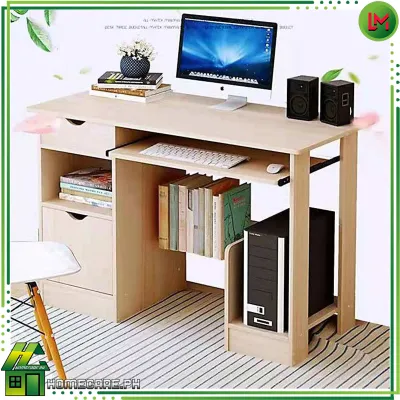
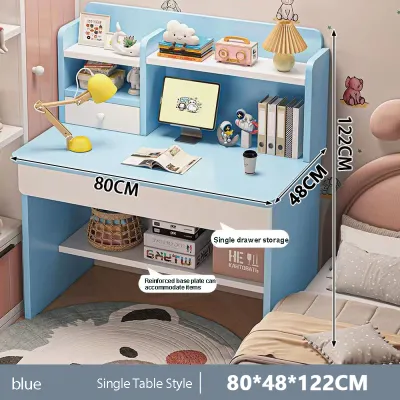
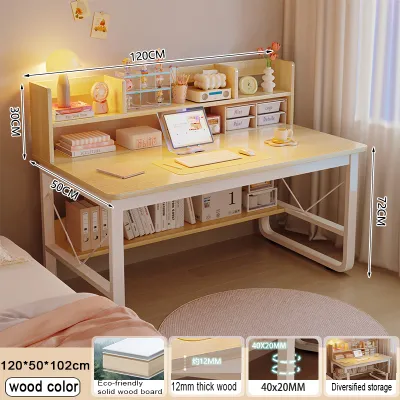
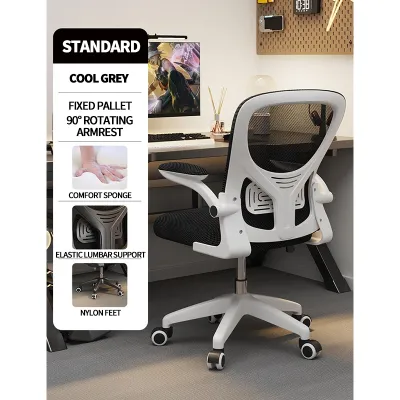
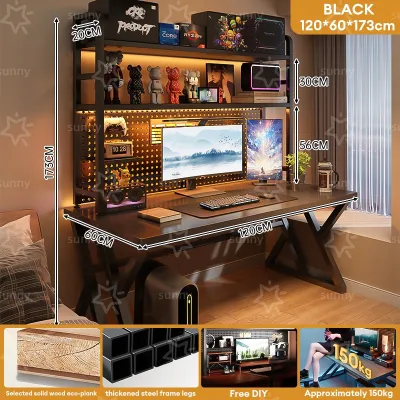
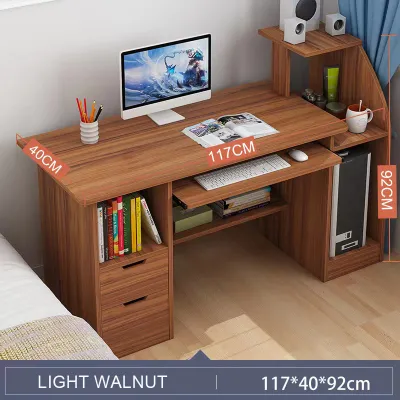
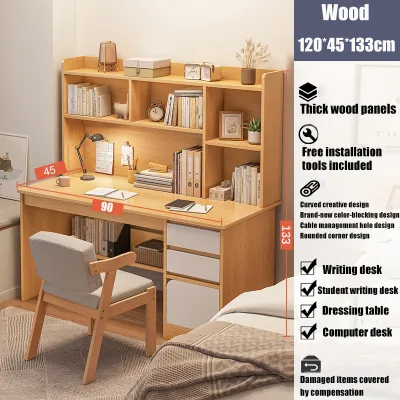
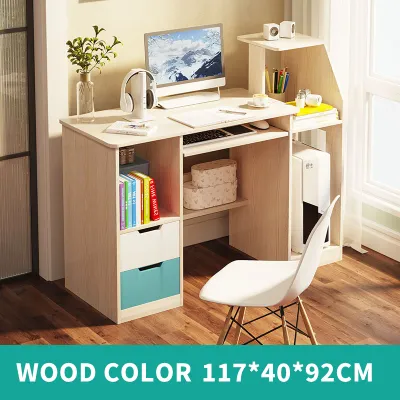
Prices are valid at publication and may change. Please refer to the product page for the latest price.
The physical journey of the furniture from the delivery truck to your room is another crucial factor. Many condo residents face the frustrating reality of purchasing a beautiful desk only to find it cannot fit inside the building’s elevator. Measure the height, width, and diagonal clearance of the elevator door, as well as any tight corners in the stairwells if you live in a low-rise building. Finally, measure the clear opening width of your unit’s main entrance and the bedroom door to guarantee the package or pre-assembled unit can pass through safely.
Lastly, calculate the operational clearance required for daily use. A desk does not just occupy its static footprint; you need space to live and work around it. Ensure there is at least 60 to 75 centimeters of open space behind the desk to comfortably pull out your office chair and sit down. If the desk features drawers or lower cabinets, verify that they can open fully without striking your bed, closet doors, or other nearby furniture.
Compare Desk-Bookshelf Configurations for Tight Layouts
Selecting the right structural layout is about finding the perfect balance between your daily work surface needs and your storage requirements. Different configurations utilize limited floor space in distinct ways, making some designs far better suited for specific room shapes than others.

Vertical tower desks are highly popular for small bedrooms because they exploit vertical space rather than expanding horizontally. These units typically feature a standard desk surface with a multi-tier bookshelf built directly above or integrated into one side. This design keeps all your reference books, files, and decorative items within arm’s reach without taking up extra floor area. When selecting a vertical tower, prioritize units with open shelving backings if you want to maintain a sense of openness in a small room, or closed backs if you need to hide messy wiring against the wall.
L-shaped corner units are excellent for maximizing dead space in the corners of a room. By wrapping into a corner, these desks provide a larger total workspace and substantial shelving capacity while keeping the center of the room clear. This layout is ideal if you use multiple monitors or need separate areas for typing and writing. However, L-shaped desks require highly precise wall measurements on both sides of the corner. You must also ensure that the corner you choose does not block access to electrical outlets or light switches, which can be difficult to reach once the heavy unit is in place.
For the most space-constrained environments, foldable or wall-mounted desks with integrated shelving offer a flexible solution. These designs allow you to fold the desk surface flat against the wall when your workday is over, instantly reclaiming valuable floor space. However, the safety and viability of a wall-mounted desk depend entirely on your wall material. Mounting a heavy, load-bearing desk onto hollow gypsum board or drywall without securing it directly to the internal studs can lead to catastrophic wall damage and broken equipment. If your condo has solid concrete or brick walls, wall-mounting is highly secure, but you will need a hammer drill and heavy-duty masonry anchors for a safe installation.
Verify Structural Stability and Weight Capacities
A table with bookshelf must be structurally sound to handle the combined weight of computer hardware, books, and desk accessories. Because these units combine two functions into one, they are subject to unique physical stresses that standard writing desks do not experience.
Always review the manufacturer’s specified weight capacities for both the desk surface and the individual shelves. Books are deceptively heavy; a single shelf filled with textbooks or binders can easily weigh 15 to 20 kilograms. If the shelving material is made of low-density particleboard without proper central support, it will begin to sag over time under this weight. Look for desks constructed with thick engineered wood, medium-density fiberboard (MDF), or steel frames that offer higher load limits and better resistance to bending.
Anti-tip anchoring is a non-negotiable safety feature for tall vertical units, especially in homes with pets or young children. A top-heavy bookshelf can easily tip forward if someone pulls on an upper shelf or if there is a sudden seismic event. Many manufacturers include anti-tip wall straps or brackets in the packaging. If your chosen desk does not come with these, plan to purchase heavy-duty L-brackets separately to secure the top of the bookshelf firmly to the wall.
The design of the desk’s base also plays a major role in overall stability. Look for units with wide, flat legs or solid side panels that distribute weight evenly across the floor. In many homes, tiled or concrete floors are not perfectly level, which can cause a tall desk to wobble annoyingly while you type. Choosing a desk equipped with adjustable leveling foot pads allows you to compensate for uneven flooring, ensuring a stable, wobble-free workspace.
Build Your Final Shortlist and Buying Checklist
Once you understand your spatial limits and structural needs, you can compile a practical checklist to filter through available products on online marketplaces or in local furniture stores. This systematic approach ensures you do not make an impulse purchase based solely on aesthetics.
Start your checklist by cross-referencing your measured room limits with the exact dimensions of the products on your shortlist. Pay close attention to the depth of the desk surface; a depth of 50 to 60 centimeters is generally the sweet spot for small spaces, providing enough room for a laptop and keyboard without protruding too far into the room. Avoid relying on stylized product photos, which often use miniature props to make the desk look more spacious than it actually is.
Next, evaluate the assembly requirements and the tools needed. Whether you are looking at budget-friendly options under ₱3,000 or premium setups, most desks with bookshelves are delivered as flat-packs to save on shipping costs. Confirm whether the package includes clear instructions and basic tools like Allen keys, or if you will need to provide your own screwdriver and hammer. If you are not comfortable with DIY assembly, check if the seller offers professional assembly services for an additional fee, and review their return policy regarding damaged or missing parts.
Finally, look for practical design details that enhance daily usability. Built-in cable management holes or grommets are essential for keeping power cords and charger cables organized and out of sight. In the humid tropical climate of the Philippines, the durability of the surface finish is highly important. Melamine or high-pressure laminate (HPL) finishes are highly recommended because they offer excellent resistance to scratches, moisture, and cup rings, making them much easier to maintain during the humid rainy season than untreated wood veneers.
Frequently Asked Questions (FAQ)
Can I assemble a tall desk-bookshelf unit by myself in a small room?
Assembling a tall desk-bookshelf combination in a confined space is possible, but it requires careful planning and physical effort. You must have enough open floor space to lay out all the panels and hardware before you begin; this may require temporarily moving other furniture out of the room. The most critical step is checking your ceiling height against the diagonal length of the assembled unit. If you assemble the desk flat on the floor, you must have enough vertical clearance to tilt it upright without scraping the ceiling or damaging the top corners of the furniture. For safety and ease, having a second person to assist with lifting, aligning, and holding heavy panels in place is highly recommended.

Community discussion
Share your experience or ask a question. Comments are reviewed before publication.