
Selecting the right stainless wall cabinet for your kitchen in the Philippines requires balancing material quality, precise spatial planning, and secure installation. In a tropical climate characterized by high relative humidity and elevated ambient temperatures, kitchen storage solutions must withstand constant moisture exposure without degrading. Selecting a high-quality stainless steel cabinet involves verifying the specific steel grade, measuring your wall space to ensure safe clearance, and choosing a mounting system capable of supporting heavy kitchenware. By focusing on these technical specifications, you can secure a durable, hygienic storage solution that optimizes your kitchen layout and stands up to daily wear.
Key Factors for Evaluating Stainless Wall Cabinets
To ensure your cabinet survives the demanding environment of a busy kitchen, you must first verify the grade of the stainless steel. The two most common grades available in the local market are 304 and 201. Grade 304 contains higher levels of chromium and nickel, making it highly resistant to corrosion and rust, which is essential for kitchens exposed to salty coastal air or high humidity. Grade 201 is a more budget-friendly alternative that replaces some nickel with manganese; while it is strong, it is more susceptible to localized rust when exposed to acidic food spills or persistent moisture. Always check the manufacturer’s product labels, technical data sheets, or physical tags to confirm the exact grade rather than relying on visual appearance alone.
Beyond the steel grade, the thickness of the metal sheets—often measured in gauge numbers—directly dictates the cabinet’s structural rigidity. A lower gauge number indicates thicker steel, which translates to a sturdier cabinet that resists denting and bending. For residential kitchen storage, look for cabinets constructed from 18-gauge to 22-gauge steel. To prevent the shelves from sagging under the weight of heavy rice cookers, stockpots, or stacked ceramic plates, inspect the underside of the shelves for structural reinforcement ribs. These welded metal channels run along the length of the shelf, distributing weight evenly and preventing the steel from bowing over time.
Products mentioned in this guide
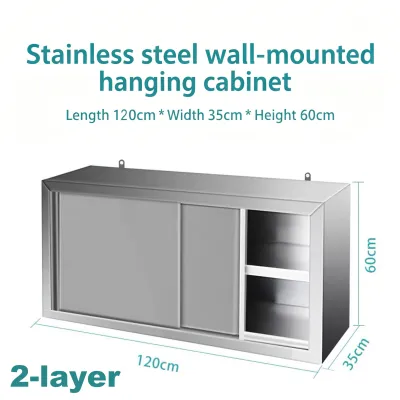
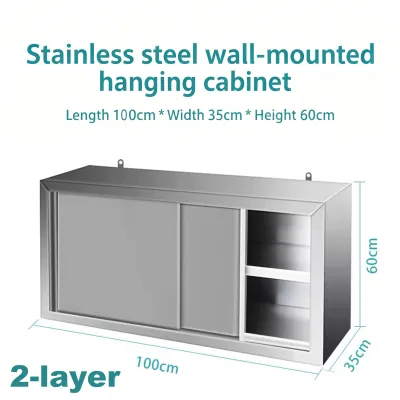
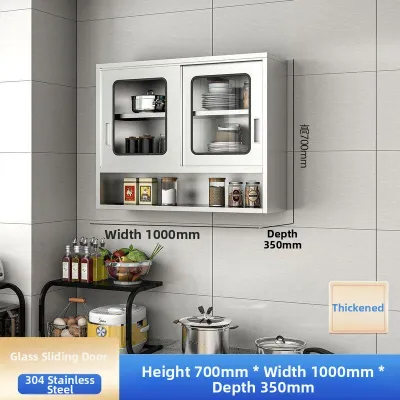
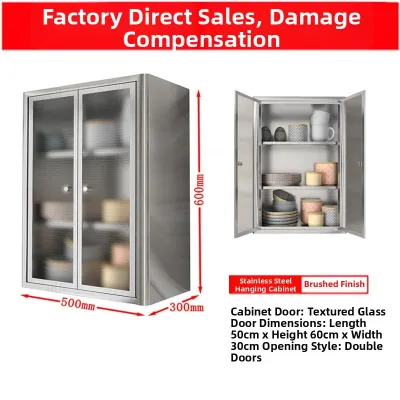
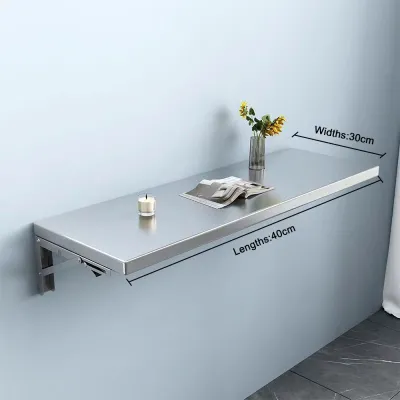
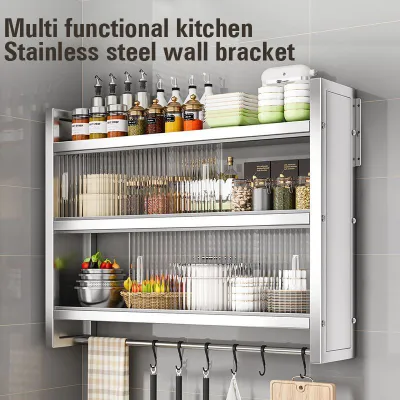
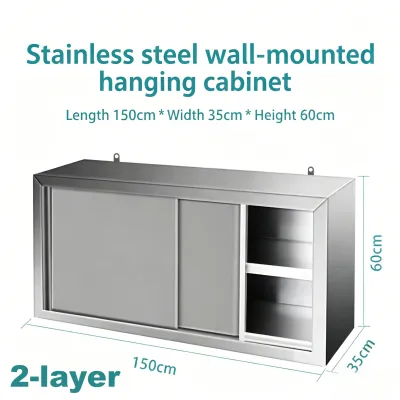
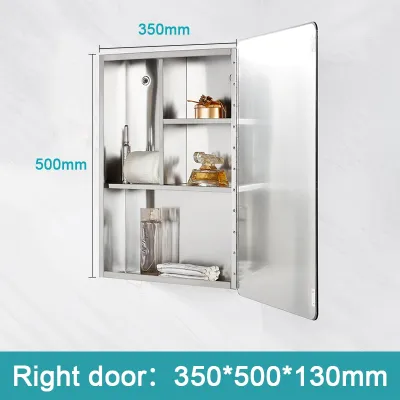
Prices are valid at publication and may change. Please refer to the product page for the latest price.
The surface finish of the cabinet also plays a significant role in both maintenance and aesthetics. A brushed finish features a fine pattern of parallel lines that helps mask minor scratches, water spots, and fingerprints, making it highly practical for high-traffic cooking areas. Conversely, a highly polished or mirror finish offers a bright, reflective look but requires frequent wiping to remove smudges and oil splatters. When evaluating finishes, consider your daily cleaning routine and choose a texture that aligns with how much time you want to spend maintaining a pristine surface.
Sizing and Space Planning for Kitchen Walls
Accurate spatial planning is critical to ensuring your stainless wall cabinet integrates seamlessly into your kitchen without creating physical hazards. Begin by measuring the absolute width, height, and depth of the target wall area using a reliable steel tape measure. You must account for existing fixtures such as range hoods, tile backsplashes, and overhead light fixtures. Ensure there is sufficient vertical clearance between the bottom of the cabinet and your countertop appliances, such as blenders, microwave ovens, or rice cookers, to allow for comfortable food preparation.

Door clearance is another vital factor that is easily overlooked during the planning phase. If you select a cabinet with traditional swing doors, measure the swing radius to ensure the doors can open fully without striking nearby windows, hanging light fixtures, or adjacent pantry doors. In tight galley kitchens or narrow walkways, sliding stainless steel doors are often a more practical choice, as they do not project outward into your standing space. Additionally, verify that the cabinet’s depth does not protrude so far forward that it blocks your line of sight or forces you to lean uncomfortably backward while working at the countertop.
Before finalizing your installation point, you must locate and map out any hidden utilities running through the wall. Kitchen walls frequently house electrical conduits for outlets, water supply lines for the sink, and drainage pipes. Drilling into a live wire or a pressurized water pipe can cause catastrophic damage and expensive repairs. Use a reliable stud finder with live-wire detection capabilities, or consult your home’s architectural blueprints to identify safe drilling zones. Marking these utility paths on the wall with painter’s tape before positioning your mounting brackets will help prevent accidental punctures.
Configurations and Storage Features to Consider
The internal layout of your stainless wall cabinet should be tailored to the specific items you plan to store. Adjustable shelving systems utilize pre-drilled tracks or peg holes, allowing you to reposition the shelves to accommodate tall items like oil bottles, dry ingredient canisters, or large mixing bowls. Fixed-tier cabinets, while structurally rigid, limit your storage flexibility to predetermined heights. If you anticipate changing your kitchen inventory over time, prioritizing adjustable shelves will ensure your cabinet remains functional for years to come.
The choice of door style affects both the cleanliness and accessibility of your stored goods. Solid stainless steel doors provide a clean, uniform look that completely hides cluttered shelves from view, while also protecting contents from airborne grease, dust, and cooking splatters. Glass door inserts offer the benefit of visibility, allowing you to locate items quickly without opening the cabinet, though they require more frequent cleaning to remove steam condensation and grease film. Open shelving configurations eliminate doors entirely, providing instant access to frequently used spices and dishes, but they offer no protection against dust and require meticulous organization to keep the kitchen looking tidy.
Look for integrated functional features that enhance the cabinet’s utility in a tropical climate. Ventilation holes or slotted panels are highly beneficial, as they promote air circulation inside the cabinet, reducing the risk of musty odors and moisture buildup in humid weather. Some specialized stainless cabinets also feature built-in towel racks on the underside or integrated utensil hooks along the bottom frame. These additions maximize your vertical storage space, keeping essential kitchen tools within arm’s reach while freeing up valuable countertop area.
Where to Source and Verify Local Availability
When sourcing a stainless wall cabinet in the Philippines, you have several avenues to explore, ranging from local commercial kitchen equipment suppliers to custom metal fabricators and online marketplaces. Local commercial suppliers often carry heavy-duty, pre-fabricated cabinets designed for restaurant use, which are exceptionally durable but may have industrial aesthetics. If you choose to work with a custom metal fabricator, you can specify the exact dimensions and features you need. When dealing with fabricators, always request material certificates to verify the steel grade and inspect their previous work to evaluate the quality of the welds, ensuring they are smooth, continuous, and free of sharp edges.
If you prefer the convenience of online marketplaces, you must exercise extra caution to ensure you receive a high-quality product. Avoid relying solely on generic stock photos, which can misrepresent the actual thickness and finish of the steel. Instead, thoroughly read customer reviews, pay close attention to user-uploaded photos, and check the seller’s overall rating. Verify the exact dimensions listed in the product description, and contact the seller directly to clarify any ambiguities regarding the steel grade or assembly requirements before placing your order.
Before finalizing any purchase, ask the seller or fabricator detailed questions about logistics and after-sales support. Inquire about delivery fees, as stainless steel cabinets are heavy and bulky, which can significantly increase the total cost. Ask whether the purchase price includes professional assembly and mounting hardware, or if you will need to source these components separately. Finally, clarify the terms of the warranty, specifically checking what structural defects, weld failures, or finish degradations are covered, and how long the coverage remains active.
Installation and Safety Checks
Securing a heavy stainless steel cabinet to your kitchen wall requires careful attention to structural engineering and safety. The mounting hardware you use must match the specific composition of your wall. For solid concrete walls, which are common in Filipino homes, heavy-duty steel expansion bolts or concrete sleeve anchors are necessary to provide a reliable grip. If you are mounting the cabinet to hollow concrete blocks (CHB), standard plastic wall plugs are insufficient; you must use specialized toggle bolts or heavy-duty hollow wall anchors that expand behind the block’s inner cavity to distribute the load safely. Drywall installations require locating the underlying wooden or metal studs and securing the mounting brackets directly into them, as drywall alone cannot support the weight of a metal cabinet.
Before placing any items inside your newly installed cabinet, you must verify its maximum load capacity as specified by the manufacturer. This capacity includes both the weight of the cabinet itself and the items stored within it. Never exceed this limit, especially when storing heavy kitchen essentials like cast iron pans, stone mortars and pestles, or bulk bags of rice. Distribute the weight evenly across all shelves, placing the heaviest items on the bottom shelf to keep the center of gravity low and minimize stress on the upper mounting brackets.
There are certain conditions under which you should immediately halt a DIY installation and consult a professional contractor. If you encounter crumbling mortar, soft concrete, or signs of water damage and wood rot behind your wall finish, the structural integrity of the wall is compromised and cannot safely support a heavy load. Additionally, if you are unsure of the wall’s internal composition, lack the specialized tools required to drill straight into tough concrete, or cannot locate your utility lines with certainty, hiring a licensed carpenter or contractor is the safest course of action to prevent structural failure or personal injury.
Frequently Asked Questions (FAQ)
How do I clean and maintain a stainless steel cabinet to prevent rust?
To keep your stainless steel cabinet in optimal condition, clean it regularly using a mild dishwashing liquid mixed with warm water and a soft microfiber cloth. Always wipe in the direction of the brushed grain to avoid scratching the surface. Avoid using abrasive scouring pads, steel wool, or harsh chemical cleaners containing chlorine or bleach, as these substances can break down the protective chromium oxide layer on the steel and trigger rust. After cleaning, dry the surface completely with a clean towel to prevent water spots and localized mineral buildup.
Can I install a stainless wall cabinet on a tiled kitchen wall?
Yes, you can install a cabinet on a tiled wall, but it requires specialized tools and techniques to avoid damaging the tiles. Use a carbide-tipped or diamond masonry drill bit specifically designed for ceramic or porcelain tiles, and drill at a slow, steady speed without applying excessive forward pressure. To prevent the drill bit from slipping and scratching the tile surface, place a piece of masking tape over the marked drill point. Ensure that the drill penetrates completely through the tile and the mortar bed, allowing the wall anchor to grip the solid concrete or structural wall behind the tile layer rather than relying on the tile itself for support.

Community discussion
Share your experience or ask a question. Comments are reviewed before publication.