
Choosing the best wall-mounted desk for a small bedroom or condo unit in the Philippines requires balancing space-saving functionality with structural safety. In dense urban areas where residential footprints are compact, a wall-mounted desk offers an excellent way to reclaim valuable floor space. The ideal choice depends on your specific wall construction, your daily work equipment, and how you navigate your room when the desk is fully deployed.
By understanding your space constraints and installation requirements, you can select a desk that enhances your productivity without cluttering your living area. This guide will walk you through the essential steps to evaluate your room, measure clearances, compare mechanisms, and ensure a secure installation.
Assessing Your Space and Wall Conditions
Before purchasing any wall-mounted furniture, you must measure the physical footprint of your room and map out your daily traffic pathways. Walk through your bedroom or studio layout to ensure the desk will not obstruct movement when it is fully opened. A desk that blocks the path to your closet, bathroom, or doorway will quickly become a daily inconvenience.
Products mentioned in this guide
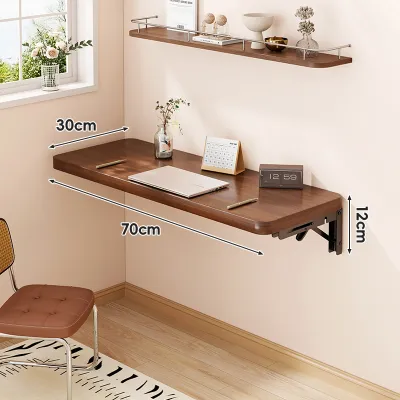
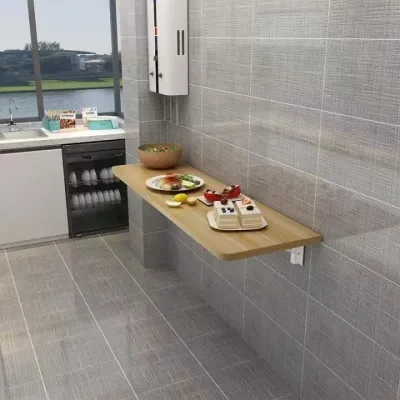
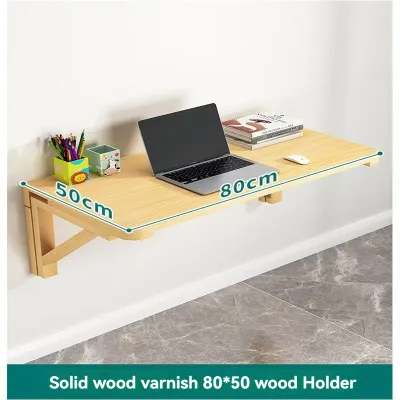
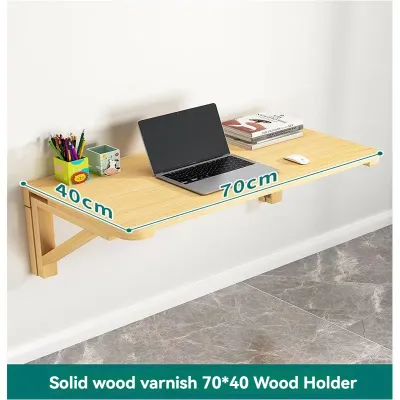
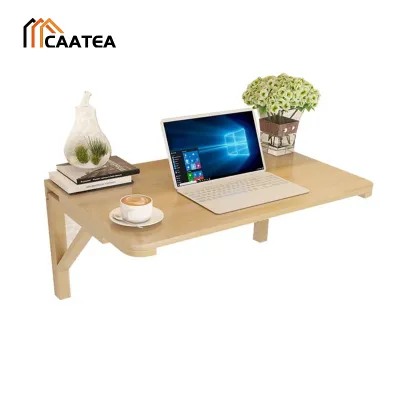
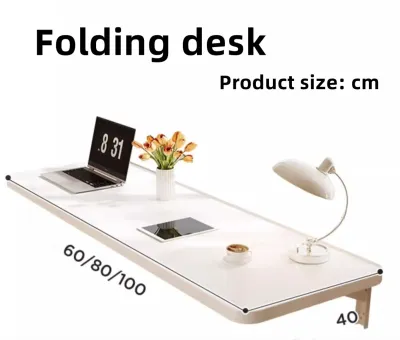
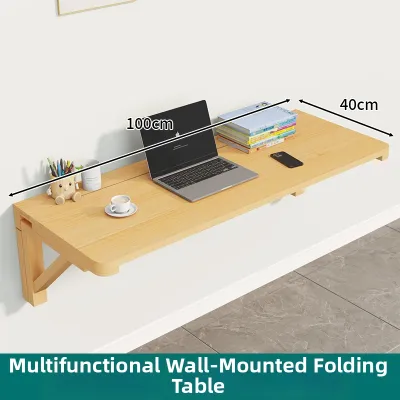

Prices are valid at publication and may change. Please refer to the product page for the latest price.
Additionally, consider how you will transport the desk to your room. In many Philippine condominium buildings, you must navigate tight service elevators, narrow hallways, and sharp doorway turns. Verifying the packaged dimensions of the desk before ordering ensures it can be easily delivered and brought inside your unit without damaging the walls or the product itself.
Identifying your wall material is the most critical step before drilling. Many modern high-rise developments use solid concrete or concrete hollow blocks for structural walls, while interior partition walls are often made of gypsum board or light-gauge steel studs. You must match your mounting hardware to these specific materials, as mounting a heavy desk on drywall requires locating studs or using specialized hollow-wall anchors, whereas concrete requires masonry drill bits and expansion bolts.
Safety also dictates that you scan the wall for hidden utilities before you begin installation. Electrical conduits and plumbing lines frequently run behind bedroom and bathroom-adjacent walls. Using a reliable stud finder with live-wire detection or consulting your condo administration’s structural layout plans can prevent costly and dangerous utility punctures.
Key Dimensions and Clearance Requirements
Your equipment setup dictates the minimum surface dimensions you need for a comfortable workday. A simple setup with a single laptop and a mouse requires a depth of at least 40 to 50 centimeters. If you plan to use a larger external monitor or a separate keyboard, look for options with a depth of 60 centimeters to maintain a comfortable viewing distance and avoid eye strain.

Seated clearance is another critical factor that is easily overlooked in tight spaces. Measure the height of your office chair, especially the armrests, to ensure it can slide comfortably under the desk surface when in use. You also need to account for your own legroom, ensuring there are no low-hanging support brackets, shelves, or drawers that will restrict your knees or shins.
Finally, calculate the swing radius or folding clearance of the desk mechanism. If you choose a drop-leaf or fold-down design, verify that the moving panel has a clear path to open and close without striking nearby furniture like your bed frame or nightstand. Keep a buffer zone of at least 10 to 15 centimeters beyond the fully extended desk edge to allow yourself room to stand up and sit down comfortably.
Desk Mechanisms and Configurations for Tight Spaces
Fold-down drop-leaf desks offer the ultimate space-saving efficiency for tight quarters. These designs feature a hinged tabletop supported by folding brackets or a swing-out leg that collapses flat against the wall when your workday ends. This mechanism is ideal for multi-functional bedrooms where you need to reclaim floor space for exercise, relaxation, or moving around.
Fixed floating desks, by contrast, do not fold but provide a permanent workspace with integrated storage drawers or open cubbies underneath. While they occupy permanent visual and physical space, they eliminate the daily task of clearing off your laptop and accessories to fold the desk away. This style works well if you have a dedicated nook that does not interfere with room traffic.
Enclosed cabinet-style desks, often called secretary desks, conceal your entire workspace behind a fold-down door. When closed, they look like a sleek, shallow cabinet on the wall, keeping visual clutter out of sight. This configuration is highly beneficial for studio condos where your bedroom also serves as your living room and professional video-conferencing background.
Corner-mounted configurations utilize awkward angles and dead space that would otherwise go unused. By fitting snugly into a 90-degree corner, these desks provide a surprisingly generous workspace while keeping the center of the room completely open. They are particularly effective in small square bedrooms where wall space along the main sides is already occupied by a bed and wardrobe.
Installation Safety and Weight Capacity Checks
The safety of a wall-mounted desk depends entirely on the quality of its installation and the hardware used. Never rely solely on the generic plastic wall plugs that often come packaged with budget furniture, especially if you are mounting onto hollow concrete blocks or drywall. Purchase high-quality expansion bolts for solid concrete, or heavy-duty toggle bolts if you must mount onto a hollow partition wall.
When selecting a desk material, remember that a simple wood or laminate label does not guarantee resistance to moisture or scratches. In humid tropical environments, look for desks with sealed edges, water-resistant melamine finishes, or powder-coated metal parts, and inspect the joints regularly for any signs of swelling or peeling.
You must carefully calculate the total weight your desk will bear before placing any items on it. Add up the weight of your laptop, external monitors, desk lamps, books, and the weight of your arms resting on the surface as you type. Cross-reference this total with the manufacturer’s stated maximum weight capacity, keeping in mind that dynamic loads—such as leaning on the desk—put significantly more stress on the brackets than static items.
Recognize the limits of DIY installation and know when to call in a professional. If your wall material is crumbling, if you cannot locate the wall studs, or if you are planning to mount a heavy solid-wood desk designed to hold multiple monitors, hiring a professional carpenter or handyman is a smart investment. A professional installation ensures the desk remains stable over years of daily use and protects your expensive work equipment from accidental falls.
Frequently Asked Questions (FAQ)
Can a wall-mounted desk support a desktop computer and dual monitors?
Yes, but only if the desk is specifically rated for heavy loads and is anchored securely into solid concrete or structural wall studs. You must check the manufacturer’s explicit weight limits and load distribution guidelines before attempting this setup. Standard folding desks with light-duty brackets are generally not suitable for heavy desktop towers and dual-monitor mounts; instead, look for heavy-duty floating desks with reinforced steel brackets or structural support frames.
How do I maintain the folding hinges and support brackets?
Regular maintenance is essential to keep the moving parts of a folding desk operating smoothly and safely. Periodically inspect the hinges and brackets for dust and debris buildup, which can cause friction and wear over time. Wipe them clean and apply a small amount of light machine lubricant as specified in your product manual. In the humid tropical climate of the Philippines, metal hinges are also prone to rust, making regular lubrication and tightening of visible screws every few months critical to prevent uneven wear.

Community discussion
Share your experience or ask a question. Comments are reviewed before publication.