
Finding a shoe rack that can survive the intense climate of the Philippines requires looking beyond basic “water-resistant” marketing labels. Between the torrential downpours of the wet season and the relentless, high-humidity heat of the dry season, outdoor or balcony storage faces extreme environmental stress. To keep your footwear protected and ensure your organizer does not warp, rust, or harbor mold within a single season, you must prioritize materials that do not absorb moisture or degrade under intense ultraviolet (UV) light. Heavy-duty UV-stabilized plastics, thick powder-coated metals, and rust-proof aluminum are the most reliable choices, provided they feature smart structural designs that promote airflow and prevent water from pooling.
Understanding Climate Challenges for Outdoor Storage
Storing shoes on an open balcony or a covered patio in the Philippines exposes them to direct rainwater and ambient humidity. While a covered balcony shields your organizer from direct downpours, it cannot block the heavy, moisture-laden air. High ambient humidity alone triggers mold growth on organic materials and accelerates the oxidation of unprotected metals.
Recognize early signs of water damage on existing outdoor furniture, such as rust spots around screw holes, bubbling paint, warping shelves, and musty odors. If left unchecked, these issues can quickly ruin your footwear, transferring mold spores and rust stains directly onto your shoes.
Products mentioned in this guide
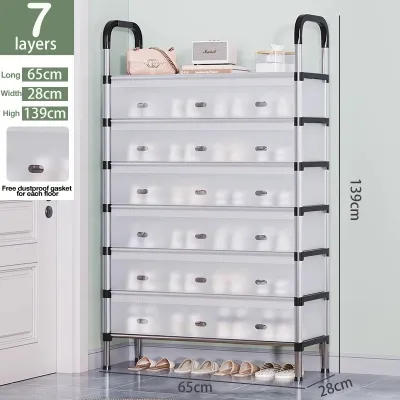
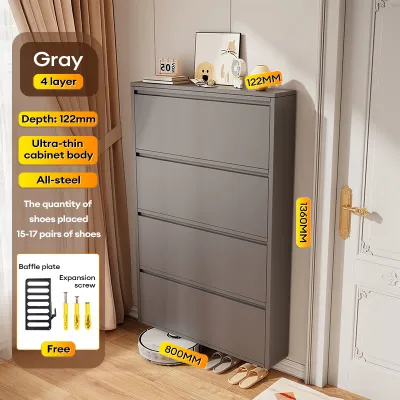
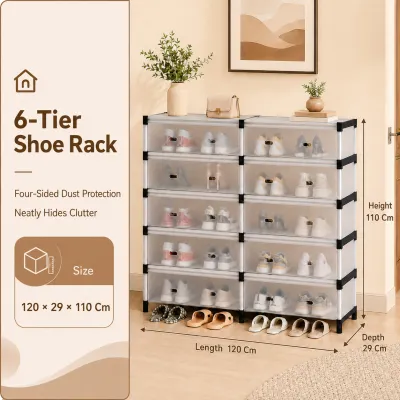
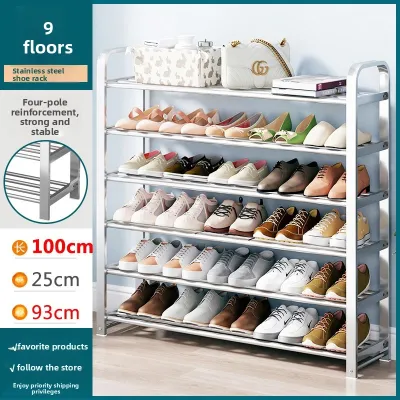
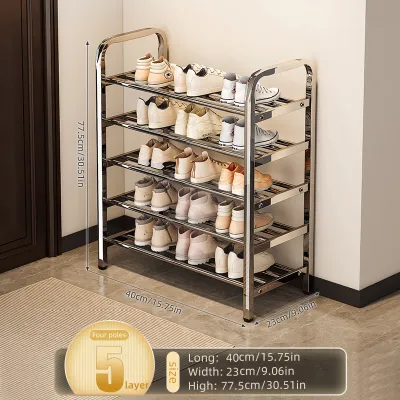
Prices are valid at publication and may change. Please refer to the product page for the latest price.
In addition, intense tropical sun exposure makes standard plastics brittle, causing them to crack under weight, and causes fabric covers to fade and tear. Any outdoor organizer must be evaluated for its capacity to withstand daily sun exposure without losing structural integrity.
Evaluating Common Shoe Rack Materials for Water Resistance
To find a truly waterproof shoe rack organizer outdoor waterproof, look beyond vague marketing terms. A product labeled “waterproof” might only feature a temporary water-repellent coating. Instead, look for specific material specifications, surface treatments, and manufacturer care instructions that detail how the product behaves when wet.

Evaluating structural stability and moisture response requires looking at manufacturing. For instance, solid, non-porous synthetics naturally resist water absorption, whereas metals require specialized barrier coatings to prevent oxygen and water from reaching the raw steel underneath.
Furthermore, the overall durability of an outdoor organizer is often determined by its weakest points: the connections, hinges, and assembly hardware. A high-quality waterproof frame will still fail if the manufacturer used cheap, untreated iron screws that rust and snap. Ensure all joining components are made of stainless steel or treated with rust-resistant coatings.
Plastics, Resins, and Waterproof Fabric Covers
Heavy-duty plastics and synthetic resins are highly effective for outdoor use because they are completely non-porous and cannot rot or rust. However, check the product specifications for UV-resistant stabilizers. Without UV protection, prolonged exposure to the sun will break down the plastic’s chemical bonds, leading to discoloration, warping, and eventual cracking under load.
If you prefer a lightweight metal frame with a fabric cover, evaluate the breathability and water-resistance ratings of the textile. Look for heavy-duty synthetic fabrics, such as high-density polyester with a polyurethane coating, and pay close attention to the seam construction. Unsealed seams allow wind-driven rain to seep inside, trapping moisture against your shoes.
Additionally, pay close attention to the design of plastic joints and hollow tubes. Many budget-friendly hybrid racks use hollow tubes that can trap water if the end caps or joint seals fail. During assembly, visually inspect these joints to ensure they fit tightly, preventing standing water from collecting inside the frame.
Powder-Coated Metals and Aluminum
Metal shoe racks offer excellent structural stability and weight capacity, but they require specific treatments to survive outdoor conditions. Standard painted steel is highly vulnerable to rust; even a tiny scratch in the paint can expose the underlying metal to moisture. To avoid this, look for galvanized steel or powder-coated finishes, which involve baking a protective polymer powder onto the metal surface to create a thick, durable barrier.
Aluminum is an outstanding alternative because it naturally forms a protective oxide layer that prevents deep rust, even if the surface gets scratched. However, because aluminum is a lightweight metal, you must consider its stability trade-offs; a light aluminum rack may easily tip over during strong winds or typhoons unless it is heavily loaded or securely anchored.
Regardless of the metal type, inspect the welded joints and screw holes before assembly. These areas are the most common failure points because welding can burn away protective coatings, and inserting screws can scratch the finish. Check that these joints are fully coated, and consider applying a rust-inhibiting spray to any exposed raw metal during installation.
Wood, Bamboo, and Engineered Board Limitations
While wooden and bamboo furniture offers a warm, natural aesthetic, these porous, organic materials face severe limitations in unprotected outdoor areas. Engineered woods, such as particleboard, medium-density fiberboard (MDF), and standard plywood, should be avoided entirely for outdoor or balcony use. Even with water-resistant veneers, moisture will eventually find its way through the seams, causing the inner wood fibers to swell, delaminate, and disintegrate.
Solid wood and bamboo are slightly more resilient, but they require high maintenance to survive the tropical climate. To prevent warping, cracking, and rot, you must commit to a regular maintenance routine that includes sanding, oiling, and applying fresh coats of outdoor-grade polyurethane or weatherproofing sealant every few months.
Because of these demanding maintenance requirements and the high risk of rot, it is highly recommended to restrict wood, bamboo, and engineered board shoe racks to fully enclosed, climate-controlled indoor spaces. For open or semi-open balconies, synthetic or treated metal alternatives are far more practical and durable.
Design Features That Prevent Water Damage and Mold
Beyond choosing the right materials, the physical design of your outdoor shoe rack plays a critical role in preventing water damage and mold growth. Prioritize slatted, perforated, or wire shelves over solid, flat panels. Slatted designs allow rainwater to drain through immediately rather than pooling on the shelves, and they facilitate maximum airflow around your footwear, which is essential for drying out damp soles.
Another vital feature to look for is raised feet or adjustable levelers. Keeping the bottom shelf of your organizer elevated off the balcony floor protects your shoes from standing water, heavy puddles, and dirty runoff during balcony cleaning or intense downpours. Adjustable levelers also allow you to stabilize the rack on sloped balcony floors designed for water drainage.
If you prefer an enclosed cabinet design to keep your shoes out of sight, evaluate the ventilation system. Enclosed cabinets must feature adequate ventilation holes, mesh back panels, or louvered doors to prevent humid air from becoming trapped inside. Without proper airflow, an enclosed outdoor cabinet can quickly turn into a hot, humid greenhouse, creating the perfect environment for mold and mildew.
Finally, consider the shape of the cabinet’s top panel. An angled or sloped top panel is highly beneficial for outdoor storage because it encourages rainwater to run off naturally rather than pooling on top. This simple design feature prevents water from seeping through the top seams and reduces the accumulation of dust, leaves, and outdoor debris.
Space Planning and Installation Checks for Balconies
Before purchasing an outdoor shoe rack, perform several space planning and installation checks to ensure it fits safely on your balcony. Start by measuring the exact footprint of the available space, keeping in mind the clearance needed for balcony doors to swing open fully. You should also measure the distance to the balcony railing and ensure the rack does not block walkways.
Next, locate your balcony’s floor drainage grates. It is crucial to position the shoe rack so that it does not block these grates or impede the natural flow of water toward the drain during heavy downpours. Blocking a drain can lead to localized flooding on your balcony, submerging the bottom of your shoe rack and potentially damaging your home’s interior.
You must also verify the weight capacity of the rack against the weight of your shoe collection. Wet shoes, heavy boots, and multiple pairs of footwear can add up quickly, and an overloaded rack can sag or buckle, especially on uneven outdoor tiles. Ensure the rack sits perfectly level to distribute weight evenly across all legs.
Lastly, plan for secure anchoring to protect your organizer from strong seasonal winds and typhoons. Lightweight plastic or aluminum racks can easily be blown over, risking damage to your shoes or balcony glass. Use heavy-duty zip ties to secure the rack to sturdy balcony railings, utilize weighted bases, or anchor the frame directly to the concrete wall using outdoor-rated wall anchors.
Maintenance and Care for Outdoor Shoe Organizers
Even the most durable waterproof shoe rack organizer outdoor waterproof requires regular maintenance to extend its lifespan and maintain a hygienic storage environment. Establish a routine cleaning schedule to wipe down the shelves and remove mud, dust, and salt residue carried by the wind. Removing debris promptly prevents abrasive particles from scratching protective coatings and stops standing water from lingering in corners.
Periodically inspect metal frames, especially around joints, screws, and welded areas, for early signs of rust. If you spot tiny orange flecks, act quickly by sanding the area lightly to remove the surface rust, then apply a small amount of rust converter or touch-up outdoor paint to reseal the metal barrier.
If your organizer features a removable fabric cover or plastic components, wash them periodically according to the manufacturer’s care labels. Ensure these components are completely dry before reassembling them, as trapping moisture during reassembly will defeat the purpose of cleaning.
To manage ambient humidity inside enclosed racks, rotate your shoe placement regularly to ensure all pairs get exposed to fresh air. You can also place replaceable moisture-absorbing sachets or dehumidifier tubs on the shelves to capture excess moisture, replacing them promptly once they fill with water.
Frequently Asked Questions (FAQ)
Can I leave wet shoes directly on an outdoor shoe rack?
Leaving soaking wet shoes directly on an outdoor shoe rack is not recommended, as dripping water can pool in joint crevices and accelerate the corrosion of metal hardware or degrade fabric seams over time. Trapped moisture between the shoe sole and the shelf also creates a prime breeding ground for mold and bacteria. Instead, wipe off excess water with a dry cloth, or place a dedicated plastic drip tray on the bottom shelf to catch runoff. Allow your shoes to dry in a well-ventilated, shaded area of the balcony before placing them back into their designated storage slots.
Are fabric shoe covers truly waterproof for heavy rain?
Most fabric shoe covers are water-resistant rather than completely waterproof, meaning they can shed light rain but may saturate during prolonged, heavy downpours. While the fabric itself might have a water-repellent coating, water can still penetrate through unsealed stitched seams, zipper tracks, and gaps around the base. To maximize protection, look for covers with taped seams, wide zipper flaps that block wind-driven rain, and secure tie-down straps. For highly exposed balconies, a solid plastic or powder-coated metal cabinet offers far superior protection against severe tropical storms.

Community discussion
Share your experience or ask a question. Comments are reviewed before publication.