
Working from home or spending long hours at a desk in the Philippines requires a seating solution that protects your spine from fatigue and strain. With temperatures and humidity levels regularly climbing, a poorly designed chair can quickly become uncomfortable, leading to slouching, lower back pain, and decreased productivity. Finding a high-quality ergonomic chair with reliable back support does not require spending a fortune, as the ₱3,000 to ₱15,000 price range offers a variety of capable options.
To make a smart investment, you must look beyond aesthetic appeal and focus on the structural mechanisms that actively support your posture. At this mid-range budget, manufacturers make specific design choices regarding materials, adjustability, and build quality. Understanding how to evaluate these features ensures you select a chair that fits your body shape, matches your desk setup, and withstands daily wear in a tropical climate.
This guide breaks down the essential back support features available within this budget, details how to verify critical dimensions and safety specifications before purchasing, and provides a practical checklist for navigating online marketplaces safely. By focusing on verifiable specifications rather than marketing hype, you can secure a chair that keeps you comfortable and supported for years to come.
Products mentioned in this guide
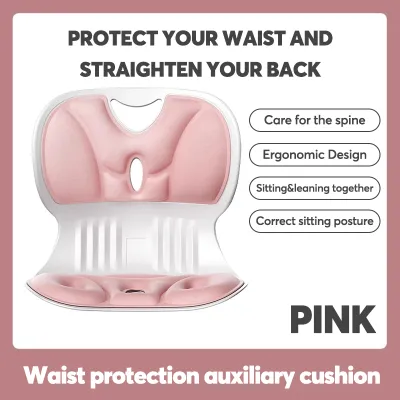
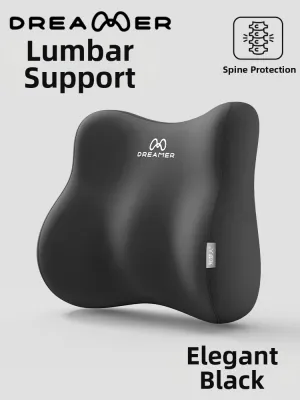
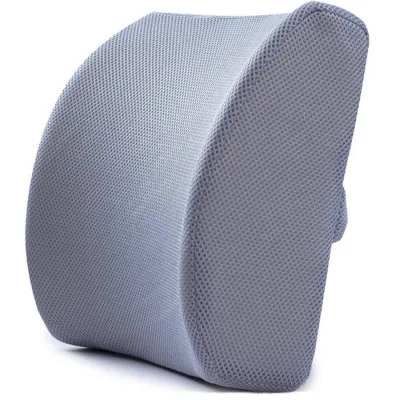
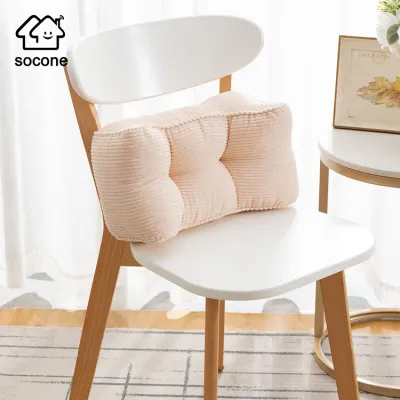
Prices are valid at publication and may change. Please refer to the product page for the latest price.
What Back Support Features to Expect Within Your Budget
When shopping for an ergonomic chair, the term “back support” refers to a combination of lumbar reinforcement, backrest flexibility, and recline mechanics. Within the ₱3,000 to ₱15,000 price bracket, the sophistication of these features scales significantly. Knowing what to expect at different price points helps you set realistic expectations and identify the most critical features for your physical comfort.
Lumbar support is the foundation of any ergonomic chair, designed to maintain the natural inward curve of your lower spine. In entry-level models closer to ₱3,000, you will typically find fixed lumbar curves molded directly into the frame or basic plastic pads that only adjust vertically. As you move toward the ₱10,000 to ₱15,000 range, chairs often feature dynamic lumbar support systems that adjust in both height and depth, allowing you to customize the pressure exerted against your lower back.
The material of the backrest plays a dual role in comfort and temperature regulation, which is particularly important in the warm Philippine climate. Mesh backrests are highly popular because they allow air to circulate freely, preventing heat and sweat from building up during long working sessions. However, mesh quality varies; cheaper models may use thin, elastic mesh that sags over time, while higher-end options utilize high-tensile woven mesh that retains its shape and tension. Molded foam backrests offer a more cushioned, traditional feel but require high-density foam to prevent bottoming out against the frame.
Recline and tilt mechanisms dictate how the chair moves with your body when you shift positions. Basic models feature a simple tilt-lock mechanism where the backrest and seat tilt backward together at a fixed ratio, controlled by a tension knob underneath. More advanced chairs in the upper budget tier offer synchronized tilt, where the backrest reclines at a 2:1 ratio compared to the seat. This keeps your feet flat on the floor and maintains proper spinal alignment even when you lean back to rest.
How to Evaluate Ergonomic Specs Before You Buy
Evaluating technical specifications is crucial when buying a chair online, as you cannot physically test the seat comfort or structural integrity beforehand. Checking these details prevents the common mistake of purchasing a chair that is too small, too weak, or incompatible with your workspace.

Start by verifying the weight capacity and the material of the wheelbase, which are primary indicators of overall durability. A reliable ergonomic chair should support at least 120 to 150 kilograms to ensure long-term stability. Look for wheelbases made of heavy-duty nylon, steel, or aluminum alloy; avoid thin, unreinforced plastic bases that can crack under pressure or tip over when you recline.
Seat dimensions are equally important for maintaining healthy blood circulation in your legs. Measure the seat width and depth, ensuring there is a gap of about two to three fingers between the front edge of the seat cushion and the back of your knees. If the seat is too deep, it will press against the back of your knees, restricting blood flow and forcing you to slouch forward, which completely defeats the purpose of the lumbar support.
Armrest and height adjustments directly impact your shoulder and neck alignment. Look for height-adjustable armrests that allow your elbows to rest at a 90-degree angle, level with your desk surface. Additionally, pay close attention to the gas lift cylinder class, which controls the height adjustment. A certified Class 3 or Class 4 gas lift is essential for safety and durability, as these cylinders are built to withstand constant pressure without slowly sinking over time.
Finally, consider the finished dimensions of the chair in relation to your home office layout. Ensure the overall width of the base can pass through your doorways and fit within your designated desk space. If you live in a multi-story building, verify that the packaged box can fit inside your elevator or stairwell to avoid delivery complications.
Understanding Trade-Offs Across the Price Spectrum
Navigating a budget of ₱3,000 to ₱15,000 means accepting certain trade-offs, as no single chair in this range will offer every premium feature found in high-end luxury models. Recognizing where compromises are made allows you to prioritize the features that matter most to your daily comfort.
At the lower end of the spectrum, from ₱3,000 to ₱6,000, manufacturers prioritize basic functionality and cost-effective materials. You will likely encounter fixed armrests, simpler tilt mechanisms, and standard foam seat cushions that may lose their bounce after a year of heavy use. While these chairs provide a massive upgrade over standard dining chairs or basic plastic stools, they are best suited for moderate daily use rather than grueling ten-hour workdays.
Stepping up to the ₱7,000 to ₱15,000 range unlocks significant improvements in build quality and customization. In this tier, you can expect multi-directional armrests (often adjustable in height, angle, and depth), high-density molded foam seats that resist flattening, and more robust aluminum bases. The lumbar support systems in this range are far more precise, allowing you to dial in the exact height and depth needed to cradle your lower back effectively.
Warranty coverage is another critical differentiator that scales with price. Lower-priced chairs often come with short three-to-six-month warranties, or sometimes no warranty at all beyond the initial return window. Higher-end models in the ₱12,000 to ₱15,000 bracket frequently offer one-to-three-year warranties covering essential mechanical parts like the gas lift, tilt mechanism, and caster wheels, providing peace of mind for your investment.
Pre-Purchase Checklist for Online Orders
Purchasing furniture online in the Philippines requires careful planning to avoid unexpected costs, assembly headaches, and difficult return processes. Because ergonomic chairs are bulky and heavy, mistakes can be expensive to rectify.
First, calculate the total landed cost by factoring in shipping fees. Bulky furniture items can incur substantial delivery charges, especially if you live outside major metropolitan areas. Check if the seller offers flat-rate shipping, promotional vouchers, or local pickup options. Additionally, verify whether the chair arrives fully assembled, semi-assembled, or completely flat-packed, and ensure that all necessary assembly tools and clear instructions are included in the package.
Second, scrutinize seller credibility and user reviews on your chosen ecommerce platform. Do not rely solely on star ratings; instead, filter for reviews that include real photos and videos of the assembled product. Look for feedback from buyers who have used the chair for several months, paying close attention to complaints about squeaking joints, loose armrests, or rapidly flattening seat cushions.
Finally, clarify the return and warranty policies before clicking the buy button. Confirm who covers the return shipping costs if the chair arrives damaged or defective. Because shipping a heavy box back to a seller can cost thousands of pesos, choosing a reputable seller with a clear, customer-friendly return policy is just as important as the specifications of the chair itself.
Frequently Asked Questions (FAQ)
Is a headrest necessary for proper back support?
A headrest is not strictly necessary for maintaining proper lower back posture, as its primary function is to support your neck and head when you recline. If you spend most of your day sitting upright typing, your head should naturally align over your spine without touching a headrest. If your budget is tight, it is highly recommended to prioritize a chair with superior lumbar support and adjustable seat depth over one that includes a headrest but lacks core ergonomic adjustments.
How do I know if an ergonomic chair will fit my desk height?
To ensure a proper fit, measure the height of your desk from the floor to the underside of the desktop. Compare this measurement with the chair’s specified seat height range and the maximum height of the armrests. Ideally, the chair’s seat height should adjust so that your feet rest flat on the floor while your elbows align comfortably with the desk surface. If your desk has a drawer or a thick support beam underneath, ensure the armrests can slide underneath it when the chair is not in use.

Community discussion
Share your experience or ask a question. Comments are reviewed before publication.