
Finding the right dining table for a large family in the Philippines means balancing daily comfort with the lively energy of weekend gatherings. An expandable dining table offers a practical solution, allowing you to save valuable floor space during the week and open up extra seating when relatives visit for Sunday lunch or holiday feasts. To make a smart investment, you must evaluate your room’s physical limits, the table’s mechanical design, and the structural stability of the extended surface. By choosing a table that adapts to your lifestyle, you avoid overcrowding your home while ensuring everyone has a comfortable spot.
Assessing Your Space for Daily and Gathering Layouts
A dining room needs to accommodate both the quiet daily routine of your immediate household and the bustling flow of a full family gathering. Before looking at designs, measure the length and width of your dining area. You need to maintain a clear pathway around the table even when it is fully extended to its maximum capacity.
A practical guideline is to leave at least 90 to 100 centimeters of clearance between the edge of the table and the nearest wall or sideboard. This space allows family members to pull out chairs and sit down comfortably without blocking the passage behind them. In typical homes where dining areas connect directly to kitchens or living rooms, keeping these pathways clear prevents frustrating bottlenecks during busy meal times.
Products mentioned in this guide
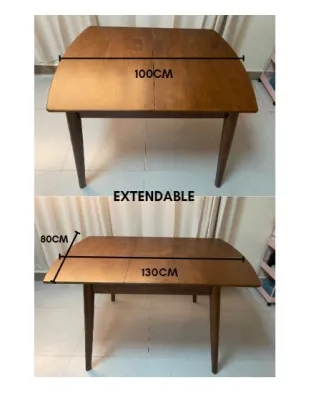
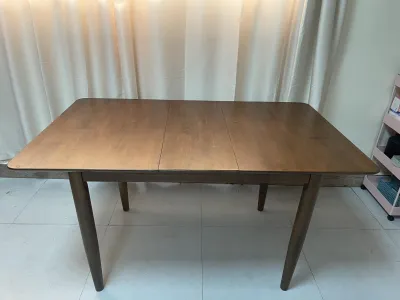
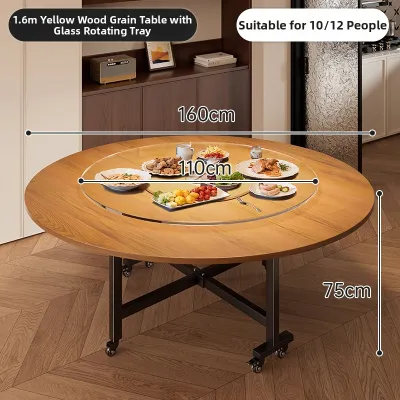
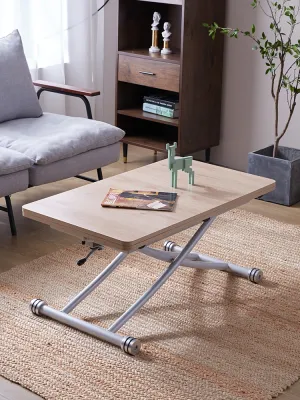
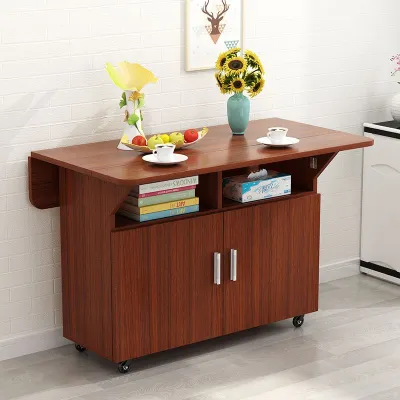
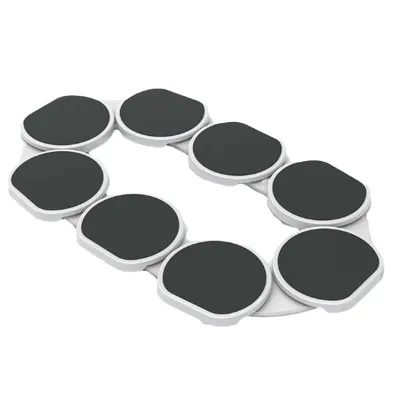
Prices are valid at publication and may change. Please refer to the product page for the latest price.
Consider how the room functions when the table is in its compact state versus its fully extended layout. If the extended table blocks a main doorway or restricts access to the kitchen, you may need to adjust the placement or choose a model with a more modest extension. Sketching both layouts on paper or using masking tape on the floor can help you visualize the traffic flow and ensure the space remains functional in both configurations.
Comparing Extension Mechanisms for Frequent vs. Occasional Use
The frequency of your family gatherings should dictate the type of extension mechanism you choose. If you host large family dinners every week, you need a system that is quick and easy to operate. For occasional holiday gatherings, a more manual setup that takes a bit more effort might be perfectly acceptable.

Butterfly leaf mechanisms are highly convenient because the extension pieces fold and store directly inside the table frame. This design eliminates the need to find extra storage space for loose leaves, which is a major advantage in homes with limited closet space. When you need extra seating, you simply slide the table tops apart, flip the butterfly leaf open, and lock the table back together.
Removable extension leaves, on the other hand, require separate storage. You must have a safe, dry closet or cupboard to keep them when they are not in use, and you must carry them to the table whenever you want to expand it. Drop-leaf tables are another option, where the sides simply hang down when not in use, though they may offer less legroom when folded.
When evaluating any mechanism, check the smoothness of the tracks and the security of the locking systems. A high-quality table should slide open smoothly without requiring excessive physical strain, and it must lock firmly into place to prevent the sections from pulling apart during a meal. Look for sturdy metal glides and robust locking latches that keep the table top secure.
Calculating Dimensions for Comfortable 6-10 Person Seating
To comfortably seat 6 to 10 people, you must look beyond visual estimates and calculate the actual space required per diner. Each person needs approximately 60 to 70 centimeters of table width to eat comfortably without bumping elbows with their neighbor. For a gathering of 10 people, this translates to a minimum extended table length of about 240 to 270 centimeters, depending on whether you place diners at the ends of the table.
The width of the table is also crucial, especially for family-style dining where multiple serving platters, rice bowls, and condiments are placed in the center of the table. A width of at least 90 to 100 centimeters ensures there is enough room for both individual place settings and shared dishes. If the table is too narrow, the center will feel cluttered, leaving little room for food presentation.
Pay close attention to the design of the table legs or base, as this affects how many chairs you can actually fit. Traditional four-legged tables can restrict chair placement near the corners, potentially reducing the actual seating capacity or forcing guests to sit uncomfortably close to a leg. Trestle bases or central pedestal designs offer more flexibility, allowing you to slide chairs in easily without family members having to straddle a table leg. Always verify the manufacturer’s specified maximum seating capacity rather than guessing based on the table’s appearance.
Inspecting Materials and Structural Stability
An expandable table must remain completely stable and level even when extended to its maximum length. When a table is fully opened, the center of gravity shifts, and any weakness in the frame or joints will become apparent. Look for models with robust support systems, such as central legs that drop down when the table is extended, or heavy-duty steel glides that prevent the center from sagging under the weight of food and tableware.
Material selection plays a critical role in long-term durability, especially in tropical climates with high humidity. While solid wood is highly valued, it can expand and contract with seasonal humidity changes, potentially affecting the alignment of the extension tracks. Engineered wood with high-quality veneers or durable laminates can offer excellent stability and resistance to warping, making them practical choices for daily use.
Inspect the quality of the hardware, joint reinforcements, and alignment. The seams where the leaves meet should be tight and perfectly level to prevent cups or plates from tipping. Check the manufacturer’s care instructions regarding heat and moisture resistance, as daily spills from hot soups and cold drinks require a surface finish that is easy to wipe clean and resistant to staining.
Delivery, Assembly, and Maintenance Checklist
Before finalizing your purchase, create a practical checklist to ensure the table can actually reach your dining room and remain in good condition. Measure the dimensions of all entry points, including front doors, hallways, stairwells, and elevator cabins. Expandable tables are often heavy and packaged in large, bulky boxes that may not easily navigate tight corners or low ceilings.
Review the assembly requirements carefully. Some complex extension mechanisms require professional installation to ensure the tracks are perfectly aligned and calibrated. If you plan to assemble the table yourself, ensure you have the necessary tools and assistance, as lifting heavy solid wood or metal frames requires at least two people. Use floor protectors under the legs to prevent scratching your tiles or wood flooring during setup and daily use.
Finally, confirm the warranty terms provided by the manufacturer or retailer. Ensure the warranty explicitly covers the moving parts, tracks, hinges, and locking mechanisms, as these are the components most subject to wear and tear over years of family gatherings.
Frequently Asked Questions (FAQ)
Can an expandable table support heavy buffet dishes?
Yes, but you must distribute the weight carefully and check the manufacturer’s specific load capacity. The extended sections and leaves are supported by tracks rather than the main legs, making them more vulnerable to heavy loads. To prevent sagging or damage, place heavy serving platters, rice cookers, or large soup bowls near the center of the table or directly over the main support base rather than on the outer edges of the extended leaves.
How do I maintain the extension tracks and hinges?
Regular maintenance keeps the sliding mechanisms operating smoothly. Periodically inspect the tracks and hinges for dust, food crumbs, or debris that can accumulate and cause friction. Wipe the tracks with a dry microfiber cloth to keep them clean. Always consult the manufacturer’s manual before applying any lubricants or cleaning agents, as using the wrong product can attract more dust or damage the wood and metal finishes.

Community discussion
Share your experience or ask a question. Comments are reviewed before publication.