
Finding an L-shape sofa bed that aligns with the serene, minimalist principles of Japandi design requires balancing functional versatility with quiet, organic aesthetics. To successfully integrate this substantial piece of furniture into a Japandi-style home, you must look for a low-profile silhouette, clean geometric lines softened by subtle curves, and highly tactile, natural upholstery in earthy neutral tones. A highly compatible model conceals its dual-purpose hardware entirely, maintaining an uncluttered appearance while offering a comfortable lounging and sleeping solution. In tropical climates like the Philippines, where humidity and warmth are constant considerations, selecting breathable fabrics and elevated wooden legs that promote air circulation is equally vital. By focusing on these core design elements, you can transform a traditionally bulky, utilitarian item into a harmonious centerpiece that honors both Scandinavian functionality and Japanese minimalism.
Understanding Japandi Principles for Large Furniture
Japandi design is a thoughtful fusion of two distinct yet deeply complementary philosophies: the cozy, functional warmth of Scandinavian hygge and the rustic, imperfect minimalism of Japanese wabi-sabi. While Scandinavian interiors emphasize comfort, light wood tones, and practical living, Japanese aesthetics prioritize clean lines, natural materials, and a deep appreciation for negative space. When these two worlds meet, they create a style that is warm, highly functional, and entirely free of unnecessary ornamentation.
Integrating a large, multi-functional piece of furniture like an L-shape sofa bed into this aesthetic presents a unique design challenge. By nature, a sleeper sofa is a substantial, heavy object designed to perform multiple demanding tasks. In a classic Japandi living room, which relies on a sense of airy spaciousness and calm, a bulky or overly complex sofa can easily overwhelm the visual landscape. The goal is not to hide the furniture, but to ensure its form and presence feel intentional rather than intrusive.
Products mentioned in this guide
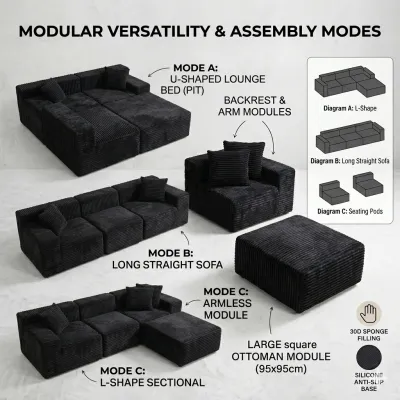
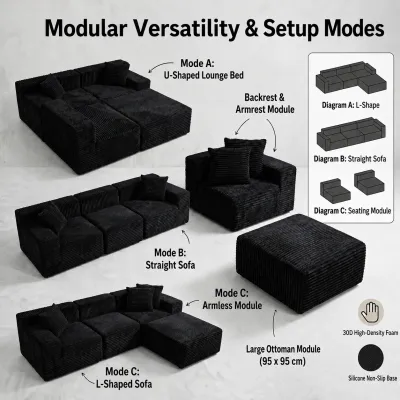
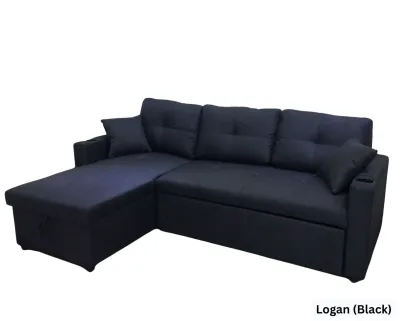
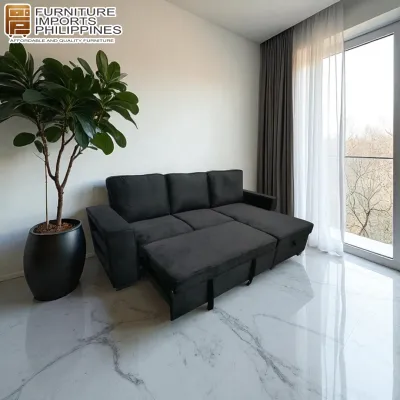
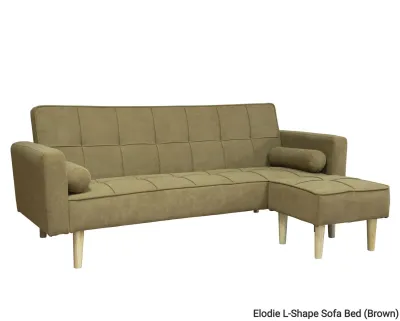
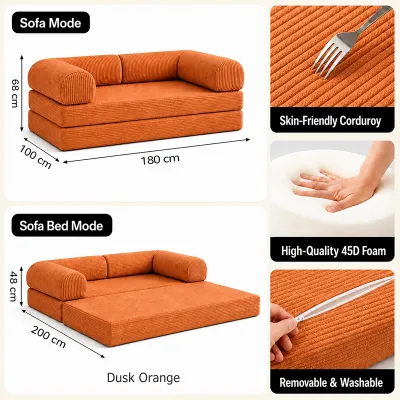
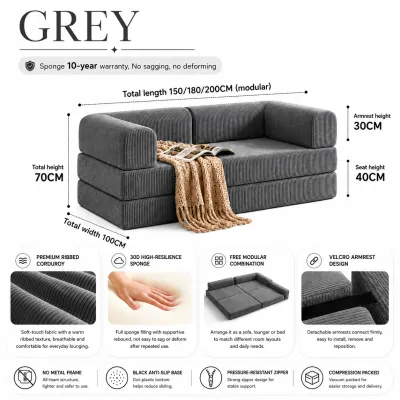
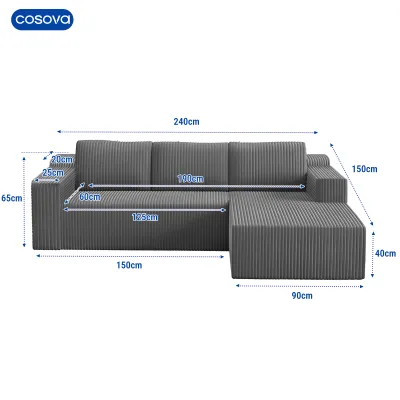
Prices are valid at publication and may change. Please refer to the product page for the latest price.
In Japanese design, the concept of ma—or negative space—dictates that the empty areas around furniture are just as important as the objects themselves. When selecting an L-shape sofa bed, this means the piece must not crowd the room or block natural pathways. Instead, it should act as a quiet anchor, leaving plenty of open floor space to allow the room to breathe. This mindful arrangement fosters a sense of calm and clarity, transforming your living area into a peaceful retreat from the busy outside world.
To achieve this balance, you must focus on maintaining clear sightlines across the room. A Japandi-compliant L-shape sofa bed should sit low to the ground or be elevated on slender legs to allow light and air to pass underneath. It must introduce natural warmth through its material composition—such as exposed wooden frames or textured, earth-toned fabrics—while adhering to a philosophy of intentional simplicity. Every line, joint, and seam should serve a purpose, eliminating visual noise so the mind can rest.
Core Design Elements of a Japandi L-Shape Sofa Bed
The silhouette of your L-shape sofa bed dictates how it interacts with the rest of your living space. To capture the Japandi aesthetic, prioritize a design that balances clean, straight lines with soft, organic curves. The primary structure should feature crisp, geometric profiles that reflect Japanese architectural simplicity, while the cushions and edges can offer a gentle, rounded softness that invites relaxation. Avoid sharp, aggressive angles or overly ornate tufting, which can disrupt the peaceful flow of the room.

A low-profile backrest is another essential feature to look for during your search. High-backed sofas can act as visual barriers, cutting off sections of an open-plan living room and making a space feel smaller. A lower backrest preserves open sightlines, allowing natural light from windows to penetrate deeper into the room. Pair this with streamlined, thin armrests rather than thick, rolled arms; this simple structural choice reduces the overall footprint of the sofa while maximizing the usable seating area.
The design of the cushions themselves also plays a major role in maintaining this aesthetic. Opt for tight-back designs or neatly tailored, semi-attached cushions rather than loose, overstuffed pillows that easily become messy and misshapen. Clean, tuft-free surfaces or simple, single-seam details keep the look streamlined and orderly. When the sofa bed is folded out, the sleeping surface should also present a neat, uniform appearance, free from awkward gaps or uneven heights that disrupt both comfort and visual harmony.
Color selection plays a pivotal role in grounding the furniture within a Japandi palette. Focus on neutral, earthy tones that evoke the natural world, such as warm grays, muted sand, soft beiges, and gentle olive greens. These shades reflect light beautifully and create a soothing backdrop. Avoid high-contrast patterns, vibrant primary colors, or stark, cold whites that feel clinical rather than serene.
Finally, pay close attention to the sofa bed’s mechanical components. Traditional sleeper sofas often feature visible metal hinges, pull tabs, or heavy black plastic feet that clash with a minimalist aesthetic. A true Japandi L-shape sofa bed utilizes concealed or highly integrated hardware. Look for pull-out or fold-down mechanisms that tuck away seamlessly behind fabric panels or within the wooden base, ensuring that the piece looks like a refined, high-end sofa when not in use as a bed.
Choosing Materials and Textures for Authentic Japandi Style
Tactility is at the heart of Japandi design, as it replaces bold visual patterns with rich, physical textures. When selecting upholstery for your L-shape sofa bed, prioritize natural, breathable fibers such as linen blends, cotton canvas, and low-pile bouclé. These fabrics offer a soft, inviting hand-feel and a matte finish that absorbs light gracefully. In the warm, humid climate of the Philippines, natural fiber blends are particularly advantageous, as they remain cool to the touch and prevent the sticky discomfort often associated with synthetic leather or heavy velvet.
The structural frame and legs of the sofa should showcase the beauty of natural wood. Light oak, ash, and walnut are excellent choices that align with both Scandinavian and Japanese woodcraft traditions. Look for matte or satin finishes that highlight the natural grain of the wood rather than high-gloss varnishes that look artificial. If the design incorporates metal elements, ensure they feature a matte, powder-coated finish in black or deep charcoal, used sparingly as subtle accents.
In keeping with the Japanese appreciation for fine craftsmanship, look for subtle design details like exposed joinery or tapered wooden legs. These elements showcase the structural integrity of the piece without relying on superficial decoration. The warmth of the wood grain provides a beautiful contrast to the soft upholstery, grounding the sofa bed and connecting it to the natural world. When these materials are sourced responsibly and finished with natural oils, they contribute to a healthier indoor environment while aging gracefully over time.
It is best to avoid highly synthetic, glossy, or heavily patterned fabrics. Materials like shiny polyester, faux leather, or intricate jacquard patterns can quickly detract from the organic, understated elegance of a Japandi space. Instead, let the natural variations in the weave of a linen or cotton fabric provide the visual interest.
Because a sofa bed is a high-use item, you must balance aesthetics with practical durability. Always verify the manufacturer’s care labels and fabric specifications before purchasing. Look for rub-test ratings (such as the Martindale method) to check wear resistance, and confirm the cleaning requirements. Since natural fibers can be sensitive to spills, check if the fabric has been treated with a non-toxic, matte water-repellent finish, or if the cushion covers are removable and dry-cleanable to ensure long-term maintenance is manageable.
Evaluating Proportions and Spatial Harmony
Achieving spatial harmony with a large L-shape sofa bed requires careful measurement and an understanding of scale. Before committing to a purchase, measure the exact dimensions of your living room, paying close attention to the length of the chaise lounge and the overall depth of the sofa. Ensure there is at least 60 to 75 centimeters of clear walkway space around the chaise to allow for comfortable traffic flow. A sofa that blocks natural pathways will immediately disrupt the sense of calm and order essential to Japandi living.
To prevent a large sectional from looking like a heavy block of fabric dropped in the center of the room, look for designs that feature raised legs. Elevating the sofa even 10 to 15 centimeters off the floor exposes the underlying floorboards, creating the illusion of more space and allowing light to circulate underneath. This simple design detail lightens the visual weight of the furniture, making the entire room feel more open and airy.
Balancing the visual weight of an L-shape configuration also involves managing the surrounding negative space. In Japandi design, empty space is considered an active design element, not a void to be filled. If your sofa bed is large, keep the surrounding decor minimal. Pair it with a simple, low-profile coffee table, a single floor lamp, and perhaps one large potted plant, leaving plenty of open wall space to let the room breathe.
Additionally, consider the vertical proportions of your space. If your home has standard or lower ceilings, a sofa with an exceptionally high backrest can make the room feel cramped and compressed. A low-slung sofa bed maintains a balanced relationship with the ceiling height, emphasizing horizontal lines and creating a grounded, peaceful atmosphere.
A Practical Checklist for Selecting Your Sofa Bed
To help you navigate the selection process, use this structured checklist to evaluate potential L-shape sofa beds against both aesthetic and functional requirements.
- Dimensional and Layout Checks: Measure your doorways, hallways, and elevator cabins to ensure the sofa can be delivered and assembled without damaging your home. Verify the chaise orientation—decide whether a left-facing or right-facing configuration best suits your room's layout and keeps natural light pathways clear.
- Mechanism Evaluation: Test the transition from sofa to bed. The mechanism should operate smoothly and quietly without requiring excessive physical strain. Check the stability of the frame when fully extended; it should not wobble, creak, or feel flimsy under weight.
- Comfort and Support Assessment: Sit on the cushions to evaluate their density. For a Japandi sofa, you want a medium-firm feel that offers clean, structured support without sagging, while still being comfortable enough for overnight guests. Check the mattress thickness and support structure to ensure a restful sleep.
- Stop Conditions: Be prepared to halt the purchase if certain criteria are not met. If the sofa bed mechanism is exposed and disrupts the clean lines of the base, if the fabric feels hot and non-breathable, or if the overall dimensions block more than a third of your room's natural walkway, continue your search for a more compatible model. Whether you are investing ₱40,000 or more in a high-quality piece, maintaining these strict standards ensures your home remains a peaceful sanctuary.
Frequently Asked Questions (FAQ)
Can I use a dark-colored L-shape sofa bed in a Japandi room?
Yes, you can use a dark-colored sofa bed, provided you balance its visual weight carefully. While light neutrals are more common, deep charcoal, dark slate, or rich espresso brown can add a grounding, sophisticated element to a Japandi space, reminiscent of charred wood finishes (shou sugi ban). To keep the room from feeling heavy or gloomy, pair a dark sofa with light oak flooring, soft beige walls, and plenty of natural light. Keep the surrounding decor exceptionally minimalist to let the dark sofa serve as a singular, intentional focal point.
How do I style the chaise section to maintain a minimalist look?
To maintain a clean, uncluttered aesthetic, keep styling on the chaise section to an absolute minimum. Avoid piling it with multiple decorative pillows or bulky cushions. Instead, drape a single, highly textured throw blanket—such as a waffle-weave cotton or a lightweight linen throw—over the corner of the chaise. This adds tactile warmth without creating visual clutter. When the sofa is not in active use, keep the surface clear of books, trays, or remotes to emphasize the clean, open lines of the furniture.
What type of rug pairs best with a Japandi L-shape sofa bed?
A highly suitable rug should ground the seating area while complementing the natural textures of the sofa. Look for rugs made from natural fibers like jute, sisal, or low-pile, undyed wool in neutral shades. Choose a size large enough so that at least the front legs of both the main sofa and the chaise section rest comfortably on the rug. This unifies the seating arrangement while leaving a border of visible wooden flooring around the perimeter of the room, preserving the open, balanced feel of your Japandi design.

Community discussion
Share your experience or ask a question. Comments are reviewed before publication.