
Selecting the right plastic drawer cabinet for your bedroom is a practical way to organize your wardrobe while protecting your clothes from dust and pests. In the Philippines, where high humidity and seasonal weather changes are part of daily life, plastic furniture offers a lightweight, rust-proof, and termite-resistant alternative to traditional wooden closets. However, finding the most suitable model requires more than just picking a color that matches your bedroom walls. To make an investment that lasts for years, you must carefully evaluate your available floor space, the volume and weight of your clothing, and the specific structural features of the cabinet. By taking a systematic approach to measuring, inspecting, and planning, you can select a drawer unit that keeps your bedroom organized and your clothes in pristine condition.
Assessing Your Bedroom Space and Clothing Volume
Before you begin browsing online marketplaces or visiting local home improvement centers, you must establish the physical boundaries of your bedroom. Start by using a reliable metal tape measure to determine the exact footprint where you plan to position the cabinet. It is a common mistake to measure only the width and depth of the static unit; you must also account for the clearance required to pull the drawers out completely. If a drawer extends thirty centimeters, you need at least that much clear space in front of the cabinet, plus additional room for yourself to stand comfortably while accessing your clothes. Additionally, check for nearby obstacles such as baseboards, wall outlets, light switches, and the swing path of bedroom doors or closet doors.
The journey of the cabinet from the delivery truck to your bedroom is another critical spatial consideration. Measure the width and height of all entryways, including front doors, hallway passages, and bedroom doors. If your bedroom is located on an upper floor, pay close attention to the clearance of your stairwell, particularly any tight turns, low ceilings, or handrails that could obstruct a bulky package. Even though plastic drawer units are significantly lighter than solid wood wardrobes, a fully assembled multi-tier cabinet can be highly awkward to maneuver through tight spaces, and forcing it through narrow openings can scratch the plastic or damage your walls.
Products mentioned in this guide


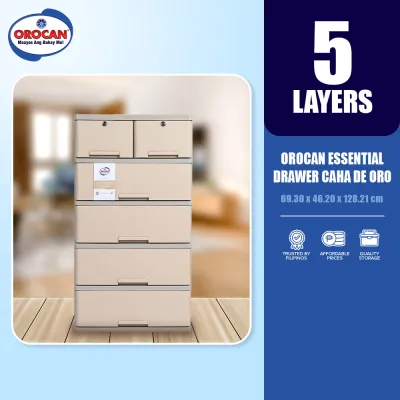
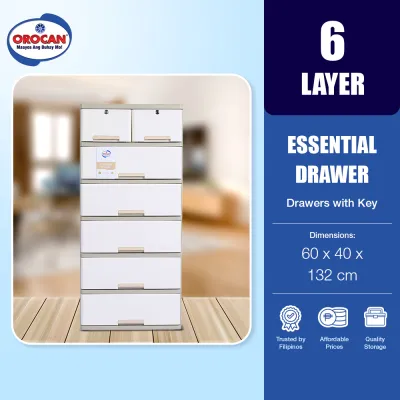


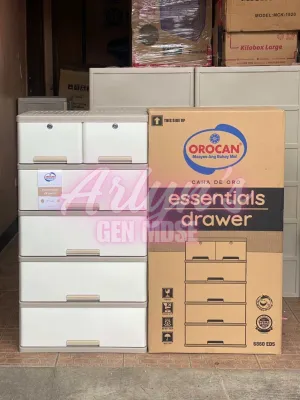

Prices are valid at publication and may change. Please refer to the product page for the latest price.
Once you have mapped out the physical space, turn your attention to your wardrobe to estimate the required storage volume. Sort your clothing into distinct categories based on fabric weight and folding style. Lightweight items such as t-shirts, activewear, undergarments, and socks require less vertical space and can be organized efficiently in shallower drawers. On the other hand, bulkier items like denim jeans, sweaters, hoodies, and bed linens demand deeper, wider compartments to prevent the drawers from becoming overstuffed. Estimating your storage needs beforehand prevents you from purchasing a cabinet that is either too small, leading to cluttered overflow, or unnecessarily large, which wastes valuable bedroom floor space.
Environmental factors within your bedroom also influence where you should place your plastic cabinet. In tropical climates, rooms can experience significant temperature fluctuations and high levels of ambient moisture. Position your cabinet away from windows where direct sunlight can shine on the plastic panels for extended periods. Prolonged exposure to ultraviolet rays can cause the plastic to fade, discolor, or become brittle over time, compromising its structural integrity. Additionally, ensure the cabinet is placed away from heat sources such as air conditioning exhaust vents, wall-mounted heaters, or high-wattage light fixtures to prevent warping or deformation of the plastic frame.
Inspecting Build Quality and Plastic Specifications
Evaluating the material composition of a plastic drawer cabinet is essential for ensuring it can withstand the weight of your wardrobe over years of daily use. When examining different models, look for manufacturer labels or product specifications that indicate the grade of plastic used in construction. High-quality cabinets are typically made from durable, impact-resistant polymers like polypropylene. The plastic should feel rigid and solid to the touch; if the side panels or top surface flex significantly under light hand pressure, the unit may sag once fully loaded with heavy clothing. Additionally, inspect the surface finish for consistency, ensuring there are no rough edges, thin spots, or air bubbles from the molding process that could snag delicate fabrics.

The moving parts of the cabinet are the most vulnerable to wear and tear, making their inspection a top priority. If you are shopping at a physical retail store, open and close each drawer multiple times to assess the smoothness of the glide mechanism. The drawers should slide in and out easily without sticking, grinding, or requiring excessive force. Look for built-in mechanical stops or safety tabs at the back of the glides; these features prevent the drawers from accidentally pulling completely out of the frame and spilling their contents onto the floor. Examine the handles or molded grips as well, ensuring they are thick, comfortable to hold, and securely integrated into the drawer front rather than weakly attached with small plastic tabs.
Base stability and load-bearing capacity are critical safety factors that must not be overlooked. Check the manufacturer’s specifications for the maximum weight limit of each individual drawer as well as the overall weight capacity of the entire cabinet. A well-engineered cabinet will feature a reinforced bottom frame or sturdy, wide-set feet that distribute the weight evenly across your bedroom floor. If the cabinet wobbles or leans when empty, it is highly likely to become unstable and dangerous once filled with clothes. Avoid overloading the top drawers of the cabinet, as keeping the heaviest items in the bottom drawers helps maintain a lower center of gravity and improves overall stability.
Safety is particularly important in households with young children or active pets, as tall furniture can present a serious tip-over hazard. When multiple drawers are pulled out at the same time, the center of gravity shifts forward, which can cause an unanchored cabinet to fall. Inspect the back panel of the cabinet to see if the manufacturer has provided integrated anchoring points or included a wall-mounting safety kit. If your chosen model does not come with anchoring hardware, you should plan to purchase compatible wall straps or brackets separately to secure the unit firmly to your bedroom wall, especially if you plan to use a tall five-tier or six-tier model.
Matching Drawer Configurations to Your Wardrobe
An organized bedroom relies on matching the physical dimensions of your cabinet’s drawers to the specific items in your wardrobe. Shallow drawers are highly effective for organizing smaller accessories, undergarments, socks, and folded t-shirts. In a shallow drawer, items can be arranged side-by-side or using the vertical rolling method, which keeps every piece of clothing visible and prevents you from having to dig through messy piles. Deep drawers, conversely, are essential for storing bulkier textiles such as bath towels, bed sheets, blankets, and heavy denim jeans. Having a mix of drawer depths within a single cabinet provides the versatility needed to manage a diverse wardrobe efficiently.
If you anticipate that your storage needs will change or expand over time, consider the advantages of modular or stackable drawer systems. Some plastic furniture lines are designed as individual, interlocking units that allow you to stack drawers vertically or connect them horizontally to create a customized storage configuration. This modularity is highly beneficial for renters or students who may move frequently and need furniture that can adapt to different room layouts. However, if you choose a stackable system, always verify that the locking mechanisms between the units are robust and secure to prevent the top drawers from sliding off when pulled.
The visual design of the drawer fronts is another important factor that affects both the aesthetic of your bedroom and your daily routine. Transparent or translucent drawer fronts allow you to see the contents of each drawer without opening them, which can save time during busy mornings. However, this transparency means that any messy folding or disorganized piles will be visible to anyone in the room, which can detract from a clean bedroom aesthetic. Opaque drawer fronts, available in various solid colors or textured patterns, offer a neat, uniform appearance that conceals the contents entirely, providing greater privacy and a more cohesive look that blends seamlessly with your bedroom decor.
Navigating Purchasing Channels and Pre-Order Checks
Sourcing your plastic drawer cabinet from reputable retail channels is the most reliable method to ensure you receive a genuine product and reliable customer service. Official brand stores and authorized physical retailers are excellent options because they allow you to inspect the build quality, test the drawer glides, and verify the colors in person before making a purchase. If you prefer the convenience of online shopping, stick to official flagship stores or highly rated authorized sellers on reputable e-commerce platforms. Be sure to read the retailer’s warranty terms and return policies carefully, particularly regarding items that may be damaged during shipping, as large plastic panels can occasionally crack if subjected to rough handling during transit.
Before finalizing your online purchase, perform a thorough check of the product listing details to avoid any surprises upon delivery. Compare the listed dimensions of the cabinet with the measurements you took of your bedroom space and doorways to confirm a proper fit. Do not rely solely on product photos, which can sometimes be digitally altered or shot at angles that make the cabinet appear larger than its actual dimensions. Read the product description to confirm what is included in the package, such as assembly instructions, hardware, or safety wall anchors, and check if the color option you selected matches your expectations.
Delivery terms and assembly requirements can vary significantly depending on the model and the retailer. Some plastic cabinets are shipped fully assembled in large boxes, which eliminates the hassle of setup but may result in higher shipping costs due to the volumetric size of the package. Other models are shipped flat-packed and require manual assembly at home. If you purchase a flat-packed unit, check the customer reviews to see if other buyers found the assembly process straightforward or if it requires specialized tools. It is also wise to review customer feedback for any mentions of recurring manufacturing defects, such as misaligned pre-drilled holes or brittle plastic parts, to ensure you are making a reliable purchase.
Frequently Asked Questions (FAQ)
How do I prevent plastic drawers from sticking or jamming?
To maintain the smooth operation of your plastic drawers, establish a regular cleaning routine for the glide tracks. Over time, dust, clothing lint, and small debris can accumulate in the tracks, creating friction that causes the drawers to stick or slide unevenly. Wipe the tracks down periodically with a damp microfiber cloth to remove any buildup. Additionally, avoid overloading the drawers beyond their recommended weight capacity, as excessive weight can cause the plastic bottom to sag and rub against the frame below. If a drawer becomes difficult to open, check if the clothes inside are catching on the upper frame and redistribute the items evenly. Avoid applying heavy household greases or oils to the tracks, as these substances can attract more dust and degrade certain types of plastic; instead, refer to the manufacturer’s manual for approved maintenance steps.
Can I place a plastic drawer cabinet in a high-humidity area?
While plastic drawer cabinets are highly resistant to water damage, rust, and rot, placing them in high-humidity environments requires careful management to protect the clothing stored inside. Plastic is non-porous, meaning it does not breathe; if humid air becomes trapped inside a closed drawer, it can lead to musty odors or moisture buildup on your fabrics. To prevent this, ensure your clothes are completely dry before storing them, and consider placing moisture absorbers or silica gel packets in the corners of the drawers. If your bedroom experiences high humidity, look for plastic cabinets that feature integrated ventilation slots or louvers on the drawer fronts to promote airflow. Always consult the manufacturer’s guidelines regarding the recommended temperature and humidity limits for your specific cabinet model to ensure its long-term durability.

Community discussion
Share your experience or ask a question. Comments are reviewed before publication.