
An S-shaped sofa bed introduces organic curves and dual-purpose utility to a living space, but integrating it into a Japandi-style room requires careful balancing. The Japandi aesthetic relies on clean lines, uncluttered spaces, neutral tones, and natural materials. To prevent a curved sofa bed from clashing with this minimalist philosophy, buyers must evaluate the furniture’s proportions, upholstery textures, and functional hardware. This guide outlines the core design criteria, spatial planning strategies, and practical shopping checks needed to select an S-shaped sofa bed that harmonizes with a serene, minimalist living room.
In Japandi design—a fusion of Japanese minimalism and Scandinavian warmth—every piece of furniture must serve a clear purpose while maintaining a sense of calm and spaciousness. An S-shaped sofa bed introduces a fluid, natural silhouette that mimics organic forms found in nature, which aligns well with Japandi’s appreciation for the natural world. However, because sofa beds require internal mechanisms to transition from seating to sleeping, they can easily become heavy or visually cluttered. To prevent this, you must carefully evaluate the frame’s profile, the texture of the upholstery, and how the piece interacts with the surrounding negative space.
By focusing on low-slung bases, matte natural textiles, and concealed hardware, you can find an S-shaped sofa bed that provides dual-purpose utility without compromising the serene, minimalist aesthetic of your home.
Products mentioned in this guide

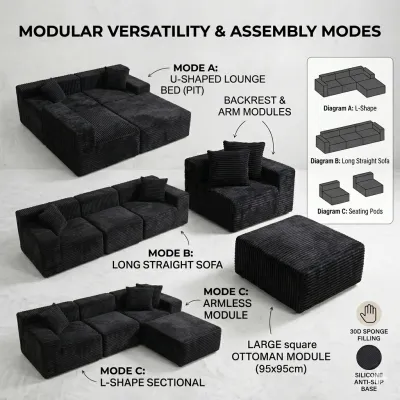
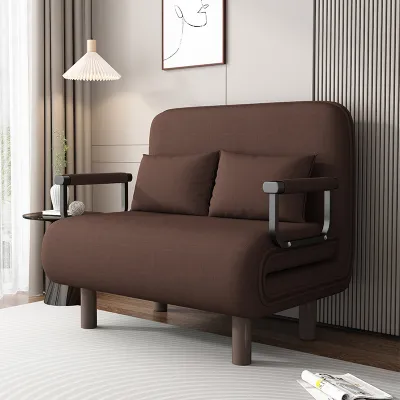
Prices are valid at publication and may change. Please refer to the product page for the latest price.
Understanding Japandi Principles for Curved Furniture
Japandi design is anchored in simplicity, natural elements, and functionality. When introducing curved furniture like an S-shaped sofa bed, the primary challenge is maintaining the balance between organic warmth and minimalist restraint.
Organic curves should complement, not crowd, the clean lines of a room. Japandi softens rigid minimalism by incorporating curved, flowing shapes that evoke natural landscapes. An S-shaped sofa bed offers a continuous, sweeping line that can soften the hard edges of a room. However, the curve must remain understated. A silhouette that is too exaggerated can create visual noise, distracting from the overall sense of order.
Color palettes in Japandi interiors are deeply rooted in nature. To keep an S-shaped sofa bed grounded, avoid bold, saturated colors or busy patterns. Instead, opt for neutral, earthy tones such as warm beige, soft cream, muted taupe, sand, or charcoal. These shades allow the organic form of the sofa to blend into the background. The goal is to create a cohesive visual flow where the furniture feels like a natural extension of the space.
Material selection is equally critical. Japandi relies on tactile, natural materials to bring warmth to a minimalist layout. When choosing a curved sofa bed, look for upholstery and structural elements that emphasize raw, honest textures. Unfinished or lightly sealed wood, matte metals, and woven textiles add depth without relying on superficial ornamentation. By prioritizing these natural elements, the S-shaped design feels intentional and harmonious.
Design Criteria for Selecting an S-Shaped Sofa Bed
To ensure an S-shaped sofa bed aligns with Japandi principles, you must look beyond the initial shape and evaluate specific design details. These criteria help determine if a piece will support or disrupt the minimalist aesthetic.

First, examine the base and leg designs. A classic Japandi look favors furniture that is either grounded or elevated on slender, simple legs to create an airy feel. For an S-shaped sofa bed, look for low-profile wooden legs made from light oak, ash, or walnut. These legs should have clean, tapered lines without decorative carvings. Alternatively, a concealed plinth base can make the sofa appear as if it is floating slightly above the floor. Avoid heavy, ornate legs or shiny chrome bases, as these elements clash with the organic, understated nature of Japandi design.
Second, evaluate the upholstery fabric. The texture of the fabric plays a major role in how the sofa bed is perceived. Matte, natural textiles are the standard for Japandi interiors. Look for linen blends, flat-woven cotton, or subtle bouclé. These fabrics offer a rich, tactile experience that catches natural light softly. Avoid glossy synthetics, faux leather, or velvet, which tend to reflect light sharply and introduce an unwanted sense of luxury or formality that contradicts the rustic simplicity of Japandi style.
Third, consider the visual weight and proportions of the piece. An S-shaped sofa bed naturally occupies more visual space than a standard rectangular sofa due to its flowing curves. To keep the room feeling balanced, ensure the sofa’s proportions are scaled appropriately for your living area. The height of the backrest should remain relatively low to preserve sightlines across the room. Additionally, pay attention to the negative space around the curves. The empty areas created by the S-shape should feel deliberate and uncluttered, allowing natural light to pass through and around the furniture.
While solid wood and natural linen are highly desirable, a material name alone does not guarantee resistance to moisture or wear. Instead, check the manufacturer’s specific finish treatments, joint construction, and care instructions to verify how the piece will perform in your home environment.
Balancing Minimalist Aesthetics with Sofa Bed Functionality
A sofa bed must perform two distinct roles, which often requires complex internal hardware. In a Japandi living room, keeping these mechanical elements hidden is essential to maintaining a clean, uncluttered look.
When shopping, check for concealed or minimalist folding mechanisms. Many traditional sofa beds feature exposed metal joints, pull-out bars, or bulky hinges that disrupt the clean lines of the furniture. For an S-shaped design, look for mechanisms that are fully integrated within the frame or hidden beneath the upholstery. Click-clack systems or smooth, slide-out frames that transition without exposing heavy metal hardware are suitable. The transition from sofa to bed should be seamless, leaving the minimalist aesthetic intact in both configurations.
The mattress and cushioning must also be evaluated for both comfort and visual impact. A mattress that is too thin will not provide adequate support for sleeping, while one that is too thick can make the sofa look bulky and overstuffed. Look for high-density foam or pocket-spring systems that offer a slim profile while maintaining structural integrity. The cushioning should look tailored and firm rather than saggy or overly plush. This ensures the sofa bed retains its clean, defined S-shape even after repeated use.
Finally, verify the structural stability and frame materials. Because S-shaped furniture has a non-traditional footprint, the frame must be exceptionally sturdy to support weight evenly in both sofa and bed modes. Look for solid wood frames, such as kiln-dried hardwood, which offer excellent durability and align with the natural material focus of Japandi design. Check the manufacturer’s specified weight capacity limits to ensure the piece can safely accommodate guests. A well-constructed frame prevents warping and ensures the joints remain tight, preserving both the safety and the clean lines of the furniture over time.
Space Planning for Curved Sofa Beds in Minimalist Rooms
Integrating an S-shaped sofa bed into a minimalist living room requires careful spatial planning to ensure the room remains functional and uncluttered. The unique footprint of curved furniture demands more strategic placement than standard rectangular pieces.
Begin by measuring the exact clearances required for daily movement. You must account for both the seating footprint and the fully extended bed footprint. Ensure there is ample space for walkways, allowing at least 60 to 90 centimeters of clear path around the furniture when it is fully opened. This prevents the room from feeling cramped and ensures that transitioning the sofa into a bed does not block doorways, built-in cabinets, or access to other areas of the home.
Before purchasing, measure your doorways, hallways, and lift dimensions to ensure the delivery team can safely transport the sofa bed into your home. S-shaped furniture can be difficult to maneuver through tight angles, so verifying these entry points is a critical step in the planning process.
To anchor the curved sofa bed within the room, use simple, low-pile rugs and minimalist wooden side tables. A rectangular or oval rug made from natural fibers like jute, wool, or sisal can help define the seating zone and contrast gently with the sofa’s S-curve. Keep side tables simple and functional, opting for round or organic shapes in matching wood tones to echo the sofa’s curves without competing for attention. Avoid heavy, blocky coffee tables that can make the central layout feel congested.
Arranging the surrounding decor is equally important for maintaining an airy atmosphere. Position the sofa bed to maximize the flow of natural light throughout the room. Avoid placing bulky accent pieces, tall floor lamps, or heavy, ornate window treatments near the sofa. Instead, use sheer linen curtains that diffuse light softly and keep the surrounding walls relatively bare. This emphasis on negative space allows the S-shaped sofa bed to stand as a quiet, elegant centerpiece without overwhelming the room.
Shopping Checklist for Japandi-Style Sofa Beds
Finding the right S-shaped sofa bed requires a systematic approach when browsing online furniture stores or visiting local showrooms. Use this practical checklist to filter options and verify that a piece meets both aesthetic and functional standards.
Start by using specific search filters to narrow down your options. Filter by frame material, prioritizing solid wood or metal-reinforced wood frames. Set dimension limits that match your pre-measured floor plan, paying close attention to the depth and total extended length. Filter upholstery options by material type, looking for natural fibers like cotton, linen, or high-durability polyester blends with a matte finish.
Next, cross-reference the product specifications and care labels provided by the manufacturer. Confirm the authenticity of the materials used, especially for wooden legs and frame components. Check the care guidelines to understand the maintenance requirements of the upholstery. For tropical climates, look for fabrics that are easy to spot-clean and resistant to moisture buildup. Avoid products that lack detailed material specifications or clear care instructions.
Finally, review the practical terms of your purchase before finalizing the order on any online marketplace. Carefully read the return policy, especially regarding large furniture items, to understand your options if the piece does not fit or match your expectations. Check the assembly conditions; some curved sofa beds require professional assembly due to their complex folding mechanisms, while others arrive fully assembled. Lastly, verify the warranty terms to ensure the frame and internal mechanisms are covered against manufacturing defects. If there are delivery fees, verify the total cost in ₱ on the checkout page before committing.
Frequently Asked Questions (FAQ)
Can an S-shaped sofa bed work in a small Japandi living room?
Yes, an S-shaped sofa bed can work in a smaller space if you select a model with scaled-down proportions and a visually light design. Look for a piece with elevated, slender wooden legs that allow you to see the floor underneath, which creates the illusion of more space. Choose a low backrest to keep sightlines open and prevent the room from feeling boxed in. Additionally, ensure the surrounding furniture is kept to a minimum, using multi-functional pieces like a small stool that can serve as both a side table and extra seating.
What fabric is best for a Japandi-style sofa bed in a humid climate?
In a humid, tropical climate like the Philippines, choosing the right fabric is essential for comfort and longevity. Natural linen and cotton blends are suitable choices because they are highly breathable and naturally wick away moisture, keeping the seating surface cool. When selecting these fabrics, check the manufacturer’s guidelines for mold and mildew prevention. It is also important to establish a routine care schedule, including regular vacuuming and ensuring the room has adequate ventilation or air conditioning to prevent moisture from settling into the fibers.

Community discussion
Share your experience or ask a question. Comments are reviewed before publication.