
Selecting the right bamboo shelves for your home office or study room requires balancing aesthetic appeal with structural capability. To find the ideal unit, you must first identify what you intend to store. Heavy items like reference books, thick binders, and textbooks demand robust shelves with high manufacturer weight ratings and reinforced joints. Conversely, lightweight items like stationery, small decorative plants, and electronic accessories can sit comfortably on lighter, open-slat designs.
The decision path begins with precise physical measurements of your available floor space and ceiling height. From there, you must evaluate the structural joint types—such as metal-to-metal bolt connections versus simple wooden dowels—and verify the manufacturer’s official load capacity. By matching these structural specifications to your actual storage volume, you can select a durable, stable bamboo shelf that enhances your productivity and keeps your workspace organized.
Assessing Storage Needs for Books and Office Supplies
Before browsing online marketplaces or local furniture shops, take a detailed inventory of the items you need to organize. Home office supplies generally fall into two distinct categories: heavy, dense materials and lightweight accessories. Textbooks, legal binders, and printed archives exert significant downward force on shelf planks. Placing these items on thin, unsupported shelves can lead to sagging or structural failure over time. On the other hand, items like wireless routers, pen holders, notebooks, and small desk lamps require minimal support but benefit from organized, accessible placement.
Products mentioned in this guide
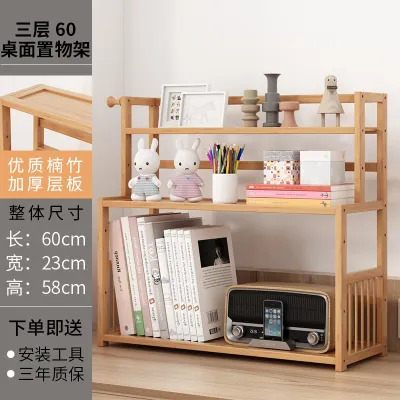
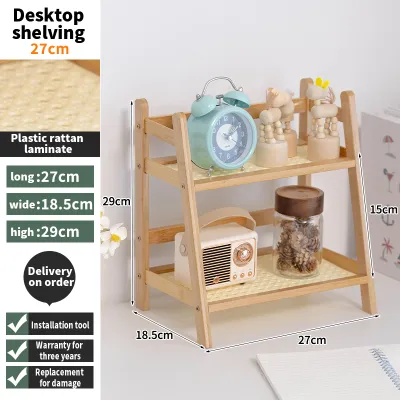
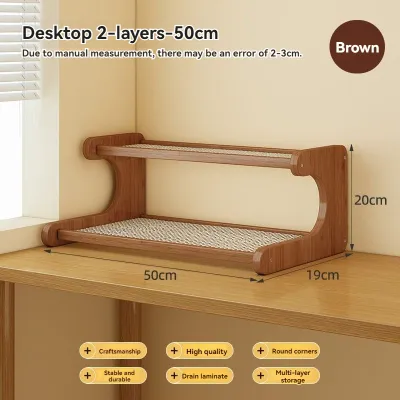
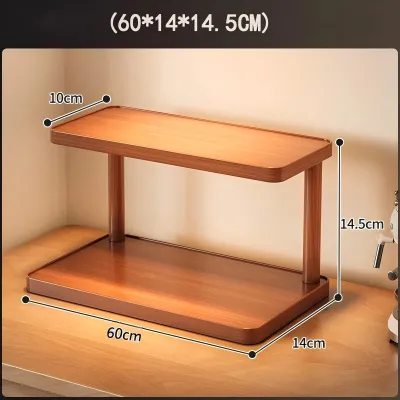
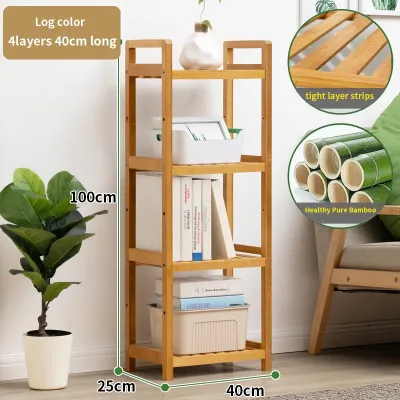
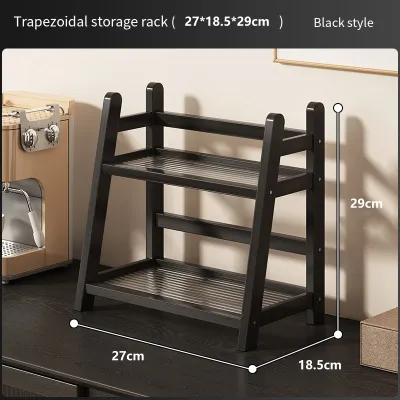
Prices are valid at publication and may change. Please refer to the product page for the latest price.
Shelf depth is a critical dimension that dictates how well your items fit. Standard A4 documents, folders, and reference books typically require a shelf depth of at least 28 to 30 centimeters to prevent them from overhanging the edge. Overhanging items not only look cluttered but also increase the risk of accidental bumps and falls in a busy workspace. If you plan to store larger storage boxes or deep filing crates, look for units that offer a depth of 35 centimeters or more.
Furthermore, storage needs inevitably change as your career or studies progress. Opting for bamboo shelves with adjustable height configurations provides the flexibility needed to accommodate tall binders today and smaller novels tomorrow. Look for units featuring pre-drilled adjustment holes along the vertical frame, allowing you to reposition individual shelves without dismantling the entire structure. This adaptability ensures your furniture remains useful for years to come.
Evaluating Bamboo Construction and Stability
Bamboo is naturally strong and highly sustainable, but the overall stability of a shelf depends heavily on its engineering and construction quality. When evaluating different models, always check the manufacturer’s specifications for the maximum weight capacity. A reliable product listing or instruction manual will explicitly state the weight limit per individual shelf (for example, 15 kilograms per tier) as well as the total weight capacity for the entire unit. Never assume a shelf can support heavy loads without verifying these official ratings.

The method used to join the bamboo pieces together is a primary indicator of durability. High-quality bamboo shelves utilize metal-to-metal hardware, such as hex bolts and threaded metal inserts, which provide a tight, rigid connection that can be retightened over time. Avoid relying solely on simple wooden dowels or basic wood screws, as these can loosen or strip the bamboo fibers under repeated stress. Additionally, look for structural features like backboards, side guardrails, or rear cross-bracing. A diagonal metal or bamboo cross-brace significantly reduces lateral sway, keeping the unit stable when you pull heavy books from the shelves.
Safety is paramount, especially with tall, freestanding furniture. Any bamboo shelf unit standing over 100 centimeters tall should be secured to the wall to prevent accidental tipping. When purchasing, verify that the package includes an anti-tip wall anchor kit. These kits typically consist of straps or brackets that secure the top of the frame directly to your wall studs or masonry.
Finally, inspect the product details for information regarding the surface finish. Because bamboo is a natural grass, it must be properly sealed to protect it from environmental factors. Look for labels indicating a multi-layer polyurethane coating, water-resistant lacquer, or eco-friendly varnish. A high-quality finish seals the bamboo pores, preventing moisture absorption and making the surface easier to clean and maintain in various indoor climates.
Space Planning and Room Integration
A beautiful bamboo shelf is only practical if it fits harmoniously within your room’s physical layout. Before finalizing your purchase, use a measuring tape to map out the exact footprint of the proposed shelf on your floor. Do not forget to measure the height of your baseboards, as thick baseboards can prevent a shelf from sitting completely flush against the wall, which affects both stability and the actual space the unit occupies. If you are placing the shelf under a sloped ceiling or next to window frames, verify those clearances as well.
Beyond the static dimensions of the shelf, you must account for the dynamic flow of your home office. Ensure there is ample clearance for door swings, wardrobe doors, and the movement of your office chair. A standard desk chair requires at least 90 to 100 centimeters of clear space behind the desk to roll back comfortably. If a shelf is placed too close, it can obstruct your movement or lead to constant collisions. Walking pathways should remain at least 70 centimeters wide to allow for comfortable passage through the room.
The visual impact of the furniture also plays a significant role in creating a productive study environment. Bamboo naturally features light, warm tones and fine grain patterns that bring a sense of calmness and organic warmth to a room. In smaller study rooms, open-backed bamboo shelving units are highly beneficial because they allow light to pass through, preventing the space from feeling cramped or dark. Consider how the natural finish of the bamboo will complement your existing desk, flooring, and wall colors to create a cohesive, distraction-free workspace.
Care and Maintenance in a Home Office Environment
Maintaining the pristine appearance and structural integrity of your bamboo shelves requires minimal but consistent care. For routine cleaning, a simple dusting with a soft microfiber cloth or a feather duster is usually sufficient to remove daily dust accumulation. If the shelves require a deeper clean to remove ink stains or coffee rings, use a slightly damp cloth wrung out with mild, soapy water. Avoid harsh chemical cleaners, abrasive scrubbing pads, or bleach, as these can strip away the protective lacquer finish and expose the raw bamboo underneath to moisture and dirt.
Environmental placement is another crucial factor in preserving natural bamboo. In tropical climates, high humidity and intense sunlight can affect natural materials. Avoid placing your bamboo shelves in direct path of air conditioning vents, which can cause rapid temperature fluctuations and dry out the wood. Similarly, keep the unit away from windows where it will receive prolonged, intense afternoon sunlight, as UV rays can fade the natural golden color and cause the protective finish to crack over time.
Over months of use, as books are added and the room’s humidity shifts, furniture naturally settles. This minor movement can gradually loosen the assembly screws and bolts. To maintain long-term stability and prevent wobbling, make it a habit to inspect the hardware every six months. Use the hex key or screwdriver provided during assembly to gently tighten any loose connections. This simple preventive step ensures the frame remains rigid and safe for your valuable books and office equipment.
Frequently Asked Questions (FAQ)
Can bamboo shelves support heavy textbook collections?
While bamboo is a highly durable material with excellent natural tensile strength, its load-bearing capacity depends entirely on the specific engineering, shelf thickness, and support brackets of the unit. To store heavy textbook collections safely, you must rely strictly on the manufacturer’s stated weight limits per shelf rather than general assumptions about the material. To optimize stability and prevent bowing, distribute your heaviest books across the lowest shelves. This keeps the center of gravity low and reduces stress on the upper frame.
Is bamboo suitable for humid environments?
Yes, bamboo can perform well in humid environments, but because it is a natural grass, it reacts to moisture fluctuations. Proper factory sealing is essential to prevent the material from absorbing excess moisture, which can lead to warping or mold. When shopping, check the product descriptions and care labels for specific indoor-use sealants or moisture-resistant finishes. To protect your furniture, maintain consistent indoor ventilation, use a dehumidifier if necessary, and avoid placing the shelves directly against damp exterior walls.
How do I prevent a tall bamboo bookcase from tipping?
Preventing a tall bamboo bookcase from tipping requires the mandatory use of anti-tip kits or wall anchors, which are often provided by the manufacturer. For secure installation, anchor the brackets directly into wall studs if you have drywall, or use appropriate masonry anchors and screws if attaching to concrete or brick walls. Additionally, always practice smart loading: place your heaviest items, such as thick binders and reference manuals, on the bottom shelves, and reserve the upper tiers for lightweight decorative items or stationery.

Community discussion
Share your experience or ask a question. Comments are reviewed before publication.