
Choosing the right drawer storage organizer for a move requires balancing immediate transport safety with long-term utility in your new home. Instead of treating these organizers as temporary cardboard substitutes, selecting durable, modular drawer units allows you to pack, transport, and unpack your belongings with minimal handling. The ideal choice depends on matching the structural integrity, closure security, and environmental resistance of the organizer to the specific weight and fragility of your items. By evaluating these factors before your moving day, you can streamline the loading process and protect your investments from the physical stresses of transit.
In the tropical climate of the Philippines, where high humidity and sudden downpours during a lipat bahay can threaten sensitive items, your choice of organizer must also account for environmental protection. Standard open-topped trays might work well inside a secured wardrobe, but standalone drawer units with tight-fitting seals offer far better defense against dust and moisture during loading and unloading. Taking the time to assess your belongings, measure your transport vehicles, and verify the physical specifications of each storage box ensures that your items arrive intact and ready for immediate use.
Assessing Your Packing Needs by Item Category
Before purchasing any drawer storage organizer, you must conduct a thorough inventory of the items you plan to pack. Grouping your belongings by physical characteristics—such as weight, fragility, and sensitivity to moisture—allows you to determine the exact level of structural support required for each category. For instance, heavy kitchen utensils demand rigid, thick-walled containers that will not bow or crack under pressure, whereas lightweight clothing and linens can be safely housed in lighter, flexible organizers.
Products mentioned in this guide
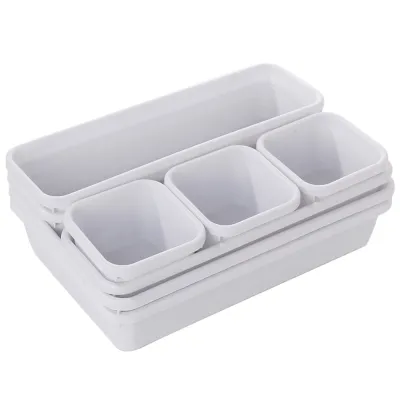

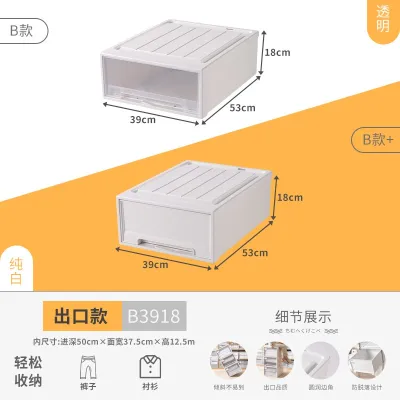
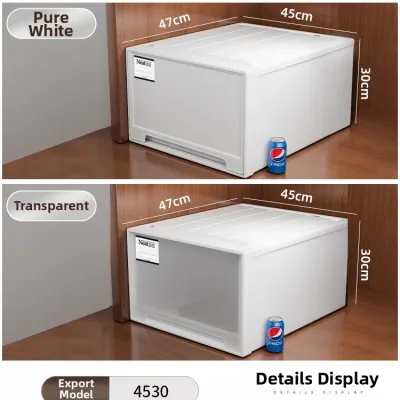
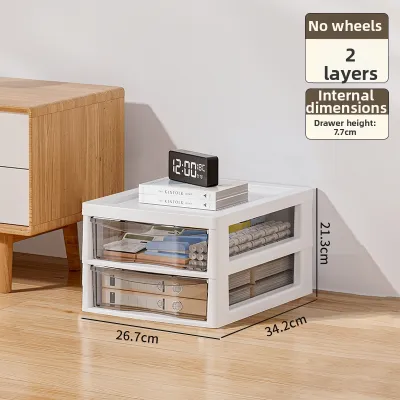
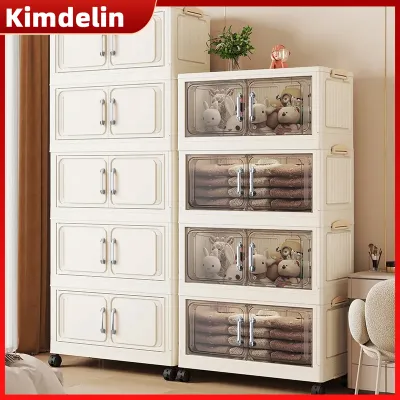
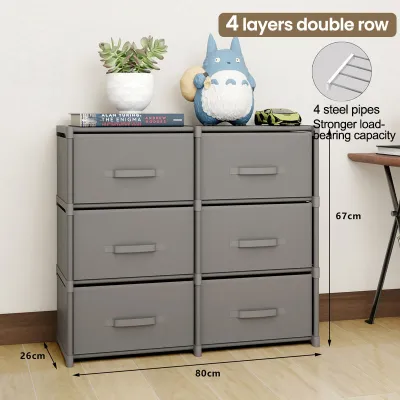
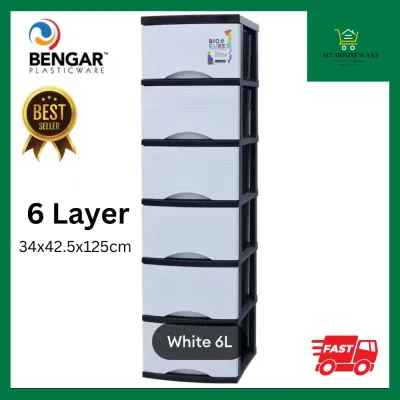
Prices are valid at publication and may change. Please refer to the product page for the latest price.
Fragility is another critical factor that dictates the internal layout of your organizers. Delicate glassware, ceramics, and electronic components cannot simply be tossed into a large, open drawer; they require individual compartments or modular dividers to prevent them from colliding during transit. If you are packing items of varying shapes and sizes, look for organizers that offer customizable grid systems or removable bins. This flexibility allows you to create snug, tailored spaces for each object, reducing the reliance on excessive bubble wrap.
Moisture sensitivity is particularly relevant when moving in humid environments or during the rainy season. Documents, books, leather goods, and fine fabrics are highly susceptible to mold, mildew, and water damage if exposed to damp air or unexpected rain during the transition from your old home to the moving truck. For these vulnerable items, open-mesh or highly ventilated drawers are unsuitable for the journey itself. Instead, prioritize solid-walled drawer units that can be temporarily sealed or wrapped to create an airtight barrier against the elements.
Finally, consider how items will behave when the moving vehicle is in motion. Vibrations, sudden stops, and bumpy roads will cause loose items to shift, potentially leading to breakage or jammed drawers. To mitigate this risk, identify which belongings require internal cushioning—such as non-slip drawer liners, felt inserts, or foam padding—and select drawer depths that prevent items from stacking so high that they scrape against the upper frame when opened.
Key Features to Evaluate in Drawer-Style Storage Boxes
When shopping for drawer-style organizers on online marketplaces or at local home improvement centers, it is easy to rely on visual appeal or generic material descriptions. However, ensuring safe transport requires a close inspection of the manufacturer’s technical specifications, usually found on the product label or packaging. Do not assume that a box is sturdy simply because it is labeled “heavy-duty” or made of plastic. Instead, look for the specific material thickness, reinforced ribbing along the corners, and the maximum load-bearing capacity specified by the manufacturer.

The integrity of the drawer’s latching mechanism is paramount during a move. Standard household drawer units often lack secure closures, meaning the drawers can easily slide out and spill their contents when tilted or carried up a flight of stairs. Look for units equipped with integrated locking tabs, snap-tight latches, or physical drawer stoppers that prevent the drawer from sliding completely off its tracks. If you are using modular, stackable drawer units, verify that the individual drawers lock securely into their outer frames so they remain a single, cohesive unit during handling.
Stackability is a key feature that maximizes the vertical space inside a moving truck or delivery van. To stack drawer units safely, they must feature interlocking design elements, such as deep top-surface grooves that match the footprint of the unit placed above it. Check for reinforced base rims that distribute weight evenly across the lower unit’s frame rather than concentrating pressure on the center of the lid, which can cause sagging and jam the drawer below. Anti-slip surfaces or rubberized feet on the bottom of each unit also prevent sliding when stacked.
Ergonomics should not be overlooked, especially when dealing with fully loaded drawers that need to be carried across driveways or up narrow stairwells. Evaluate the handle designs and grip placements on the exterior frame of the organizer. Recessed, molded handles are generally superior to thin, attachable plastic handles, as they are integrated directly into the structure and are far less likely to snap under heavy loads. Ensure the grip area is wide enough to accommodate gloved hands comfortably, allowing for a secure hold during lifting and carrying.
Matching Drawer Organizer Types to Specific Belongings
Selecting the right drawer organizer is not a one-size-fits-all decision; it requires matching the physical dimensions and structural features of the organizer to the specific items it will hold. Using a systematic framework based on drawer depth, width, and internal configuration ensures that space is utilized efficiently while keeping your belongings secure. By categorizing your items into distinct groups, you can select the exact style of drawer unit that offers the best protection and accessibility.
Clothes, Linens, and Soft Goods
For textiles, the primary goal is to maximize volume while preventing wrinkles and protecting fabrics from environmental damage. Deep, wide drawer units are ideal for bulky items like bedsheets, blankets, bath towels, and winter wear, as they allow you to pack these compressible items tightly without damaging the drawer mechanism. Conversely, shallow drawers are far better suited for everyday clothing, undergarments, and accessories, preventing you from having to dig through deep piles and disrupting your organization.
Given the high humidity levels common in tropical regions, long-term fabric storage post-move requires careful consideration of airflow. While ventilation holes prevent musty odors by allowing air to circulate, they also invite dust, pests, and moisture during the actual moving process. A practical compromise is to use solid, moisture-resistant drawer units with tight seals for the move itself, and then introduce silica gel packets or moisture absorbers inside the drawers once they are safely positioned in your new home.
To keep smaller garments and accessories organized during transit, utilize modular inserts or adjustable fabric dividers within the drawers. Methods like the KonMari folding style work exceptionally well in shallow drawers, allowing you to stand clothes upright so they remain visible and secure. Using dividers prevents these neatly folded items from sliding around and unfolding when the drawer unit is tilted or carried, ensuring that your wardrobe is ready to use the moment you arrive at your destination.
Kitchenware, Pantry Items, and Fragiles
Kitchen items present a unique challenge due to their high density, irregular shapes, and varying degrees of fragility. When packing heavy items like cast-iron pans, ceramic baking dishes, or canned pantry goods, select drawer units with reinforced bases and a low center of gravity. Placing heavier items in the bottom drawers of a multi-tier unit prevents the entire assembly from becoming top-heavy and tipping over during transport or when a drawer is pulled open.
Shallow drawers are highly recommended for heavy kitchenware and pantry items. Stacking heavy plates, bowls, or canned goods too high in a deep drawer not only makes the unit incredibly difficult to lift but also places immense pressure on the items at the bottom, increasing the risk of cracking or crushing. Keeping the drawer depth shallow forces a single-layer layout, which distributes the weight more evenly across the bottom panel and makes individual items much easier to access.
For fragile glassware, mugs, and ceramics, internal cushioning is non-negotiable. Even within a sturdy drawer, these items will shatter if allowed to clink against one another. Line the bottom of the drawer with a thick, non-slip foam mat, and wrap each fragile item individually in packing paper or bubble wrap. Use specialized cardboard grid inserts or adjustable plastic dividers to isolate each glass or plate, ensuring they remain completely stationary throughout the journey.
Documents, Media, and Small Valuables
Important documents, certificates, land titles, and family photo albums require flat, wide drawer organizers that prevent bending, creasing, or tearing. Look for shallow, letter- or A4-sized drawer units that allow papers to lie completely flat. Avoid packing documents in deep drawers where they can easily slide, crumple, or get crushed beneath heavier items. Keeping these critical papers in dedicated, easily identifiable drawers ensures they remain organized and accessible during the chaotic moving process.
Security and privacy are paramount when transporting sensitive documents, financial records, or small valuables like jewelry and family heirlooms. Select drawer units that feature lockable latches or eyelets that accommodate small padlocks or zip ties. This physical barrier prevents unauthorized access during the move and ensures that drawers cannot accidentally slide open in transit, spilling confidential papers or small, high-value items into the moving truck.
For small electronics, charging cables, adapters, and jewelry, utilize highly compartmentalized drawer inserts or small, modular organizer trays. Tangled cords and misplaced jewelry are common moving headaches that can be easily avoided by giving each item a dedicated slot. Using clear-lidded organizer trays inside a larger drawer allows you to quickly audit your valuables at a glance, ensuring that nothing is left behind or lost in the transition.
Pre-Purchase Measurements and Space Planning
One of the most common mistakes when buying drawer storage organizers is failing to measure the spaces they will occupy both during transit and in the new home. Before making any purchases, take precise measurements of the interior dimensions of your existing wardrobes, closets, or shelving units if you plan to place the drawer organizers inside them. Account for any door hinges, sliding track hardware, or shelf supports that might reduce the usable width or depth of the closet interior.
Next, calculate the total stacked height of your drawer units to ensure they fit safely within the clearance limits of your moving vehicle and the ceiling heights of your new rooms. If you are hiring a local lipat bahay truck or using a personal utility vehicle, measure the height of the cargo bed and the rear opening. Remember that stacking units too high can create an unstable column that is prone to tipping over when the vehicle navigates sharp turns or uneven roads.
Finally, do not forget to check the physical clearances of your moving pathways. Measure the width of doorways, hallways, stairwells, and elevator doors in both your old and new residences, especially if you are moving large, pre-assembled multi-drawer cabinets. If a unit cannot easily clear a tight corner or a low ceiling in a townhouse stairwell, you may need to opt for smaller, modular drawer units that can be carried individually and stacked once they are inside the designated room.
Frequently Asked Questions (FAQ)
Can I leave items inside the drawers during the move?
Yes, you can leave lightweight, soft items like t-shirts, socks, and linens inside the drawers during a move, provided the drawer tracks and frame are sturdy enough to handle the weight without warping. However, you must never leave heavy, sharp, or fragile items inside, as the shifting weight during transit can easily break the drawer slides, crack the plastic frame, or damage the items themselves. If you decide to leave soft goods inside, ensure the drawers are securely locked or wrapped to prevent them from sliding open.
How do I prevent drawers from sliding open in the moving truck?
To prevent drawers from sliding open during transit, first utilize any built-in locking mechanisms or latches that come with your specific organizer model. For units without integrated locks, wrap the entire exterior of the drawer assembly tightly with plastic stretch wrap (shrink wrap), which holds the drawers firmly in place without leaving any sticky residue. Alternatively, you can use low-tack painter’s tape or masking tape across the drawer fronts; avoid using heavy-duty duct tape or packing tape directly on plastic or wood finishes, as these strong adhesives can leave a stubborn residue or strip away decorative finishes.

Community discussion
Share your experience or ask a question. Comments are reviewed before publication.