
Selecting the right storage boxes for clothes in the Philippines requires a careful balance of material strength, environmental protection, and spatial planning. In a tropical climate characterized by high humidity and seasonal shifts, standard storage solutions can quickly fail, leading to warped plastic, broken latches, or damaged garments. Finding a reliable dura box for clothes involves looking past generic marketing labels and focusing on verifiable structural features that can withstand daily wear and tear. By understanding how to evaluate these containers, you can protect your wardrobe investment and keep your living space organized.
A truly durable storage setup is not just about buying the thickest plastic available; it is about matching the container’s design to your specific storage environment. Whether you are placing boxes inside a wooden wardrobe, stacking them in a concrete utility room, or sliding them under a bed frame, each scenario demands different physical properties. This guide outlines the essential criteria for assessing structural integrity, measuring your space accurately, and verifying material quality so you can make an informed purchase.
Key Criteria for Evaluating Storage Box Durability
To identify a storage box that will last for years, you must first evaluate its load-bearing capacity and stacking stability. When plastic boxes are stacked, the weight of the upper containers puts immense pressure on the lower ones, especially if they are filled with heavy textiles like denim, bed sheets, or winter wear. Look for boxes that feature reinforced vertical ribs along the corners and sides, as these structural columns distribute weight downward rather than allowing the walls to bow outward. The base of the box should also have a recessed grid pattern or molded feet that nest securely into the lid of the box beneath it, preventing shifting or sliding.
Products mentioned in this guide
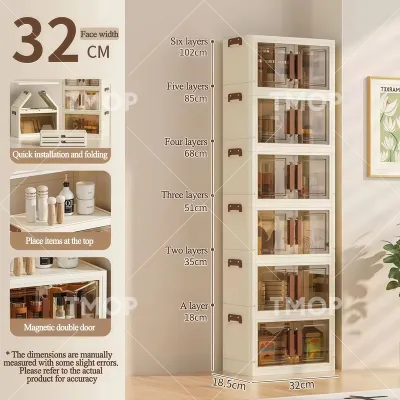
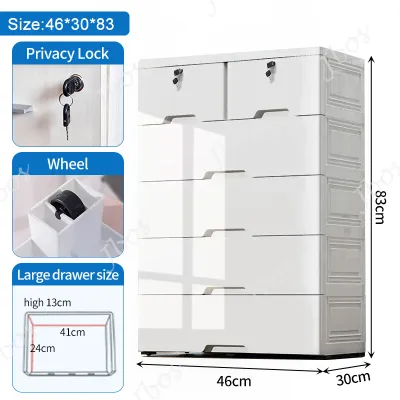
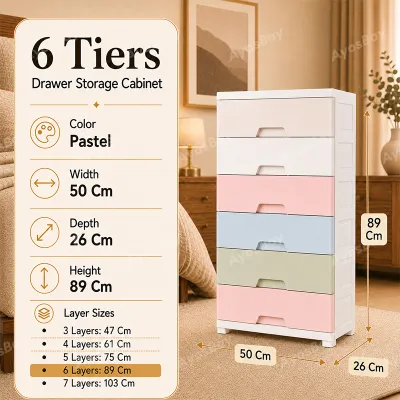
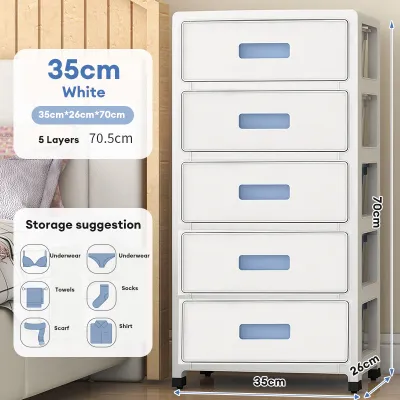
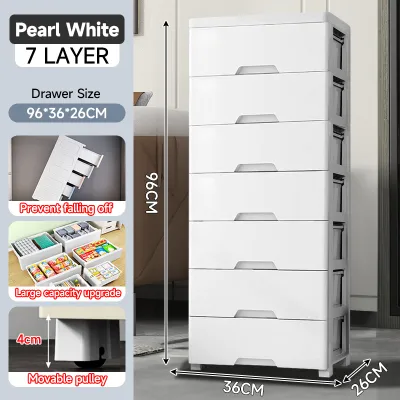
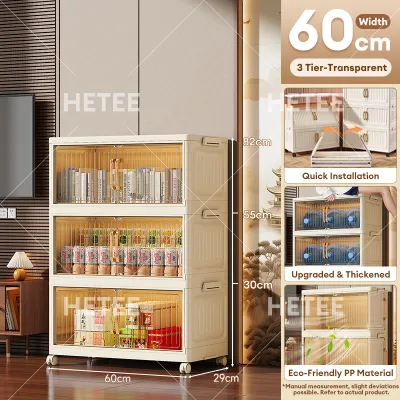
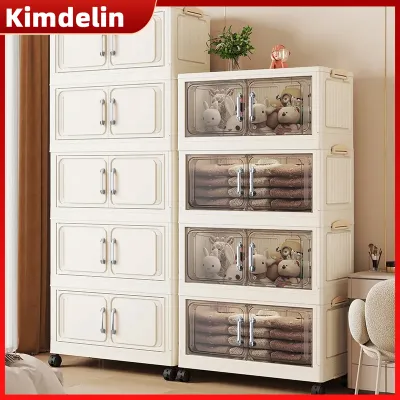
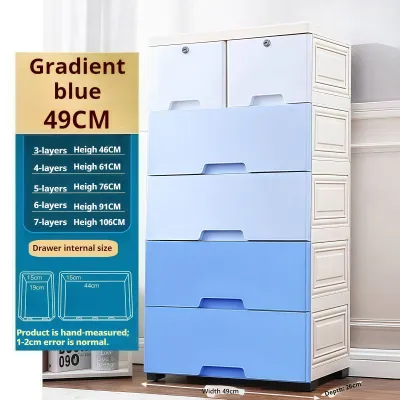
Prices are valid at publication and may change. Please refer to the product page for the latest price.
Another critical factor in tropical environments is the lid sealing mechanism and dust-proof design. High humidity levels can trap moisture inside a poorly sealed box, creating an ideal breeding ground for mold, mildew, and musty odors. Conversely, a completely airtight seal without proper moisture control can trap existing humidity inside. Look for lids that feature a deep rim overlap or a foam gasket lining combined with secure locking latches. This design prevents dust, insects, and ambient moisture from entering, while still allowing you to manage the internal environment with desiccants.
The mechanical design of handles, latches, and hinges represents the most common failure point in clothes storage boxes. Handles that are merely thin plastic cutouts can easily crack when you lift a fully loaded box. Instead, prioritize heavy-duty, molded-in handles or separate latching buckles made of thick, high-impact polymer. Latches should snap shut with a distinct, positive click, indicating a secure lock that will not pop open under internal pressure. If the box features a hinged lid, inspect the hinge pins; thick, continuous plastic hinges or metal-reinforced pins are far more durable than thin, flexible plastic folds that degrade after repeated bending.
Matching Storage Boxes to Your Wardrobe and Space
Before purchasing any storage container, you must take precise measurements of your existing furniture and available storage areas. Start by measuring the internal depth, width, and height of your wardrobes, closets, or shelving units. Remember to account for door hinges, sliding track mechanisms, and light fixtures that might obstruct the path of the box. A box that fits perfectly on paper may still be impossible to maneuver if your wardrobe doors do not open fully, so always allow at least two to three centimeters of clearance on all sides for easy handling.

If you plan to utilize under-bed space or high closet shelves, dimensional constraints become even more critical. Under-bed storage requires low-profile boxes, but you must measure the clear vertical height from the floor to the lowest point of the bed frame, taking into account any center support legs or sagging mattress slats. For high shelves, consider the physical effort required to lift a loaded box overhead. Smaller, modular boxes are often safer and more practical for high-altitude storage than a single, massive container that becomes too heavy to handle safely.
The access method of your storage box should align with how frequently you retrieve the stored clothing. Top-opening boxes with removable lids are highly durable and excellent for seasonal rotation or long-term archiving, but they require you to unstack the entire pile to reach the bottom container. For daily or weekly access, front-opening or side-opening drawer-style boxes are far more practical. These modular drawer units allow you to pull out individual compartments without disturbing the stack, though they require a more robust internal frame to prevent the outer shell from collapsing under the weight of stacked units.
Material and Structural Checks for Long-Term Use
Verifying the material composition of a storage box is essential for predicting its long-term performance. Turn the container over and locate the plastic recycling symbol molded into the base. Most durable household storage boxes are made from Polypropylene, indicated by the number 5 inside the recycling triangle. Polypropylene is highly resilient, resistant to fatigue, and performs well under moderate temperature fluctuations. Avoid boxes made from brittle, unidentified plastics that lack these standard markings, as they are highly prone to cracking under impact or heavy loads.
Once you have identified the material, perform a physical inspection of the box’s seams, edges, and connection points. Look closely for manufacturing defects such as burrs, uneven wall thickness, or stress whitening—a pale discoloration in the plastic that indicates the material was bent or stressed during the molding process. Run your hand along the rim and handles to ensure there are no sharp edges that could snag delicate fabrics like silk or lace. A high-quality mold will produce smooth, consistent edges and uniform wall thickness throughout the entire body of the container.
For storage boxes equipped with casters or pull-out drawers, the mechanical track design requires careful evaluation. Inspect the quality of the wheels and their mounting brackets; wheels should spin freely and be securely recessed into the base to prevent them from snapping off under load. Examine the drawer tracks to ensure they feature built-in stops that prevent the drawer from falling out when fully extended. Always check the manufacturer’s specified load restrictions for wheeled units, as excessive weight can deform the tracks, causing the drawers to stick or derail during operation.
Building Your Shortlist: Where and How to Shop
When searching for a dura box for clothes on online marketplaces or at local home improvement stores, it is important to filter products systematically. Avoid relying on subjective search terms like “heavy-duty,” “indestructible,” or “premium,” as these labels are often used loosely by sellers. Instead, use specific filters for dimensions, material types, and capacity in liters. This disciplined approach helps you focus on the physical specifications of the product rather than persuasive marketing copy.
Before finalizing your selection, cross-check the product labels and manufacturer specification sheets against real-world user feedback. Look for reviews that specifically mention long-term structural wear, such as lids warping over time, latches snapping off after a few months, or boxes bowing when stacked. Pay close attention to feedback from buyers living in high-humidity regions, as their experiences will give you a realistic preview of how the materials perform under tropical conditions.
Finally, always verify the return and exchange policies of the retailer, especially when purchasing online. Plastic storage boxes are highly susceptible to transit damage if they are not packaged with adequate cushioning. Cracks, chipped corners, or broken latches can easily occur during shipping, rendering the container useless for dust-proof storage. Ensure the seller offers a straightforward return process for damaged goods, and double-check your measurements one last time to avoid the hassle of returning a box that simply does not fit into your designated wardrobe space.
Frequently Asked Questions (FAQ)
How can I prevent mold inside plastic storage boxes in humid climates?
To prevent mold growth, you must ensure that every garment is completely dry before placing it inside the storage box. Even a tiny amount of residual moisture from laundry or humidity can become trapped and foster fungal growth. Place silica gel packets, activated charcoal, or specialized moisture absorbers inside the box to collect ambient dampness. Additionally, avoid storing the boxes in direct contact with cold concrete floors or damp walls, and schedule periodic airing sessions every few months to inspect the contents and let fresh air circulate through the garments.
Are fabric storage bins a durable alternative to plastic boxes?
Fabric storage bins can be a viable alternative, but they have distinct structural limitations compared to rigid plastic boxes. Fabric bins rely on internal support frames—often made of cardboard, metal wire, or thin plastic sheets—which can sag or collapse if heavy items are stacked on top of them. They also offer less protection against dust, pests, and high humidity, as woven fabrics are naturally breathable but permeable. If you choose fabric bins, reserve them for lightweight clothing on open shelves, and ensure they are kept in well-ventilated, dry areas where pest intrusion is not a concern.

Community discussion
Share your experience or ask a question. Comments are reviewed before publication.