
To withstand the intense humidity, heavy monsoon rains, and scorching tropical heat of the Philippines, choosing the right wood for an outdoor bar table is a critical decision. The ideal wood species must possess high natural oil content, exceptional density, and low volumetric shrinkage to resist warping, cracking, and fungal decay. Dense tropical hardwoods like teak, shorea, and sustainably sourced local hardwoods, alongside high-quality thermally modified timbers, represent the most reliable choices for outdoor furniture in this demanding environment. While these materials offer superior natural defenses, their ultimate longevity depends on robust construction methods, rust-resistant hardware, and a consistent maintenance routine tailored to tropical conditions.
Understanding the Tropical Climate Challenge for Wood
The climate of the Philippines presents a unique set of environmental stressors that can rapidly degrade standard wooden furniture. The primary challenge is the constant high relative humidity, which often hovers above 80 percent throughout the year. Wood is a highly hygroscopic material, meaning it naturally absorbs and releases moisture to equilibrate with the surrounding air. In a highly humid environment, wood fibers swell as they take in airborne water vapor. When the weather shifts to dry, hot periods, the wood rapidly loses this moisture, causing it to shrink. This continuous cycle of swelling and shrinking creates immense internal stress within the timber, leading to warping, twisting, and structural failure at the joints.
Frequent heavy rains and typhoons during the wet season introduce another layer of risk. When an outdoor wooden bar table is subjected to prolonged, torrential downpours, the wood fibers can become completely saturated. If the table lacks proper drainage or is positioned where water can pool on its surface, the damp wood becomes the perfect breeding ground for wood-decay fungi. These microorganisms feed on the structural components of the wood, leading to rot, softening, and eventual collapse.
Products mentioned in this guide
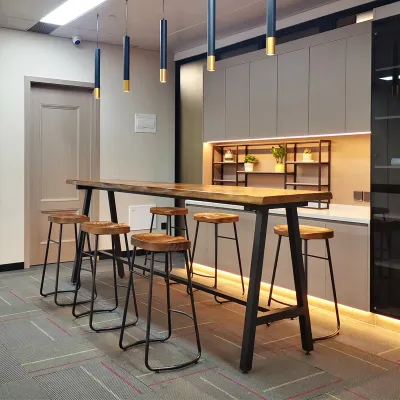
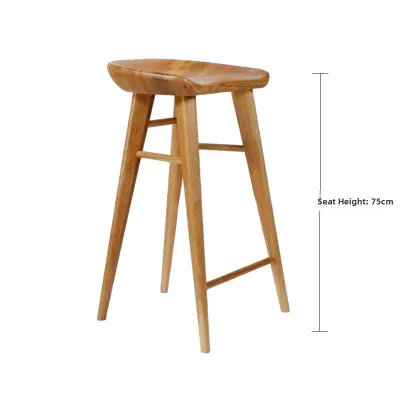
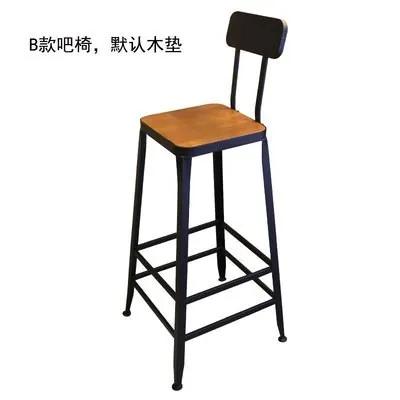
Prices are valid at publication and may change. Please refer to the product page for the latest price.
Furthermore, the intense, year-round ultraviolet (UV) radiation from the tropical sun accelerates the degradation of both the wood and its protective finishes. UV rays break down lignin, the natural organic polymer that binds wood fibers together. As lignin degrades, the wood surface loses its natural color, turning a silvery-gray, and develops micro-cracks known as surface checking. These tiny cracks allow rainwater to penetrate even deeper into the wood, accelerating the internal decay process and stripping away protective surface finishes.
Key Wood Properties to Evaluate for Outdoor Durability
When shopping for a wooden bar table, understanding the physical and chemical traits of different wood species allows you to make an informed decision. The most critical factor is the presence of natural oils and extractives within the wood. Premium outdoor timbers contain high concentrations of these natural compounds, which act as built-in water repellents. By blocking moisture from penetrating deep into the cellular structure, these oils prevent the wood from rotting. Additionally, these natural extractives make the wood highly unpalatable to wood-boring insects, such as termites and powderpost beetles (locally known as bukbok), which are highly active in warm, humid climates.

Wood density and Janka hardness are also vital indicators of long-term durability. Density refers to the mass of the wood relative to its volume, with denser woods having tightly packed fibers that resist water absorption and physical wear. The Janka hardness scale measures the force required to embed a steel ball into the wood, providing a clear metric for dent and scratch resistance. For an outdoor bar table, which experiences frequent use, high-impact contact, and heavy glassware, selecting a wood with a high Janka rating ensures the surface remains structurally sound and free from deep gouges.
Finally, dimensional stability is crucial for maintaining the table’s structural integrity. This property refers to how much a specific wood species shrinks or swells when its moisture content changes. Highly stable woods have a low tangential-to-radial shrinkage ratio, meaning they maintain their original shape and dimensions even when exposed to extreme weather transitions. When evaluating a wooden bar table, verifying the species’ dimensional stability rating helps prevent issues like misaligned table slats, wobbly legs, and split tabletops.
Assessing Common Wood Categories for Patio Bar Tables
Premium tropical hardwoods, such as teak (Tectona grandis), shorea, and ipil, are widely considered the gold standard for outdoor furniture. Teak, in particular, is renowned for its exceptional natural oil content and outstanding dimensional stability, allowing it to remain highly resistant to warping and rot even when left completely unfinished. Shorea offers similar dense properties at a slightly more accessible price point. When purchasing tropical hardwood furniture, it is crucial to verify the authenticity of the species and look for sustainable forestry certifications to ensure the timber was harvested legally and responsibly.
Local domestic hardwoods can offer a robust and visually striking option for patio bar tables, provided they are selected and treated correctly. Species like acacia are popular for their beautiful grain patterns and moderate-to-high density. However, many domestic hardwoods do not possess the same level of natural protective oils as premium teak. Consequently, their outdoor survival depends heavily on the application of high-quality, marine-grade sealants and a strict, recurring maintenance schedule to prevent moisture from breaching the surface.
For those seeking a more budget-friendly alternative, treated or modified softwoods are an option. Standard softwoods like pine will quickly rot in a tropical climate unless they undergo chemical pressure treatment or thermal modification. Thermal modification uses high heat and steam to alter the wood’s cellular structure, reducing its ability to absorb water and eliminating the nutrients that fungi feed on. While these engineered options are highly stable and cost-effective, they lack the natural weight and structural density of hardwoods, making them more susceptible to physical damage and wind displacement on open patios.
Critical Construction and Finish Requirements
The durability of an outdoor bar table is determined as much by how it is put together as by the wood itself. Traditional joinery methods, such as mortise-and-tenon joints secured with waterproof polyurethane or epoxy adhesives, allow the wood to expand and contract naturally without pulling apart. Furthermore, all metal fasteners, screws, and brackets must be made of rust-resistant materials like marine-grade stainless steel, brass, or hot-dip galvanized steel. Standard steel hardware will rapidly corrode in humid air, causing structural failure and leaving unsightly black rust stains on the wood.
Choosing the right finish involves balancing aesthetic preferences with maintenance commitment. Penetrating oils, such as teak oil or tung oil, soak deep into the wood fibers to enhance their natural water resistance while allowing the wood to breathe and age gracefully. These oils do not peel or crack, but they must be reapplied frequently. Conversely, film-forming sealants, such as marine spar varnish or polyurethane, create a hard, impermeable plastic barrier over the wood. While these provide excellent initial protection against water and UV rays, they are prone to cracking under extreme temperature shifts; once the film cracks, water gets trapped underneath, leading to localized rot and peeling that requires complete sanding to repair.
A well-designed outdoor bar table must actively shed water to prevent moisture accumulation. Look for tables featuring slatted tops rather than solid, single-piece surfaces. The gaps between the slats allow rainwater to drain quickly and facilitate airflow, which speeds up drying times. Additionally, the table legs should feature elevated feet, plastic glides, or rubber caps to prevent the end grain of the wood from sitting directly in puddles on the patio floor, as the bottom of the legs can act like straws, drawing moisture upward into the structure.
Maintenance Strategies for High-Humidity Environments
Regular cleaning is essential to prevent the buildup of organic debris, which can harbor mold spores and trap moisture against the wood surface. Wipe down the bar table weekly using a soft-bristled brush or microfiber cloth, warm water, and a mild, pH-neutral dish soap. Avoid using high-pressure washers, as the intense water pressure can tear the wood fibers, strip away protective finishes, and force water deep into the joints, accelerating internal decay.
Conduct a thorough inspection of the bar table at least twice a year, ideally before and after the heavy monsoon season. Check the tabletop and legs for any signs of surface checking, deep cracks, or areas where the finish has worn thin or started to peel. Tighten any loose hardware, as the wood’s natural expansion and contraction can gradually back out screws and bolts. Addressing these minor issues early prevents them from developing into major structural failures.
When the wood begins to look dry, dull, or stops shedding water (indicated by water soaking into the surface rather than beading up), it is time to reapply a protective coating. Before application, ensure the wood is completely dry and clean. Lightly sand the surface in the direction of the grain to open up the pores and remove any loose fibers. Always apply the oil or sealant in a well-ventilated, shaded area, strictly following the manufacturer’s instructions regarding drying times, temperature limits, and safety precautions.
Frequently Asked Questions (FAQ)
Can I leave my wooden bar table outside during the monsoon season?
While high-quality tropical hardwoods can endure rain, leaving a wooden bar table completely exposed to prolonged monsoon downpours is not recommended. Continuous saturation accelerates finish degradation, promotes mold growth, and increases the risk of warping. To extend the lifespan of your table, use a heavy-duty, breathable, and waterproof furniture cover during the wettest months. Ensure the cover is securely fastened but allows for some airflow underneath to prevent condensation from getting trapped against the wood. Alternatively, move the table to a covered patio, veranda, or indoor storage area during periods of extended, severe weather.
How do I know if the wood has been properly treated for outdoor use?
To verify if a wooden bar table is suitable for outdoor use, start by thoroughly reviewing the manufacturer’s product specifications, labels, and warranty details. Look for explicit indications of the wood species, as well as certifications regarding pressure treatments or thermal modifications. Legitimate outdoor furniture manufacturers will specify the type of protective finishes applied, such as marine-grade sealants or natural oil treatments. If you are purchasing from a local craftsman or showroom, ask detailed questions about the sourcing of the timber, the specific joinery techniques used, and whether the hardware is rated for outdoor, rust-resistant performance.

Community discussion
Share your experience or ask a question. Comments are reviewed before publication.