
Maximizing storage in a compact home office or study room requires a smart shift from horizontal floor space to vertical wall space. Installing hanging shelves is one of the most effective ways to clear desk clutter, keep essential work tools within arm’s reach, and create an organized environment that fosters productivity. However, finding the perfect shelving system involves more than simply picking an attractive design. To make an informed decision, you must evaluate your wall’s physical boundaries, structural weight limits, and the specific dimensions of the items you plan to store, all while selecting materials that can withstand local environmental conditions like tropical humidity.
Measure Your Wall Space and Room Clearances
Before purchasing any hanging shelves, you need to conduct a thorough physical assessment of your designated wall area. Start by measuring the absolute width and height of the usable wall space, taking careful note of any permanent obstacles such as window frames, electrical outlets, light switches, and air conditioning units. In smaller homes and condominiums, wall space is often shared with structural columns or utility conduits, making it crucial to map out exactly where the solid sections or studs lie before finalizing your layout.
Next, factor in the complete footprint of your existing home office furniture. Measure the depth and height of your desk, the height of your computer monitor, and the clearance required for your ergonomic office chair. Pull your chair back as if you are standing up from your desk, and mark that boundary; your shelves must not hang so low or protrude so far forward that you risk bumping your head when moving around. Additionally, verify that the placement of the shelves will not block natural light from nearby windows or interfere with the airflow of your electric fans or air conditioning vents.
Products mentioned in this guide
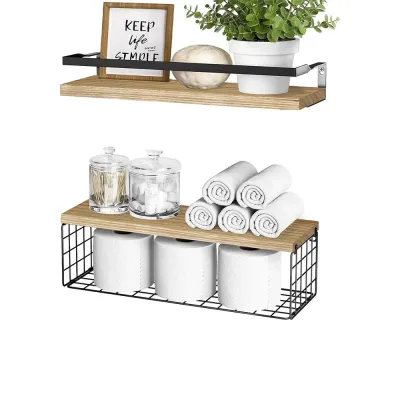
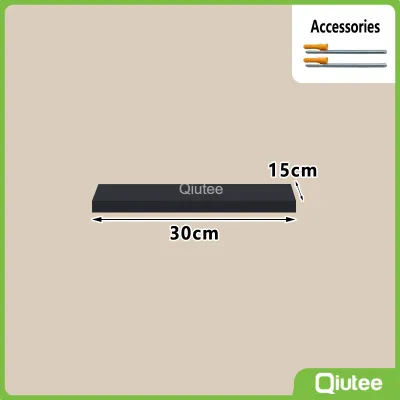
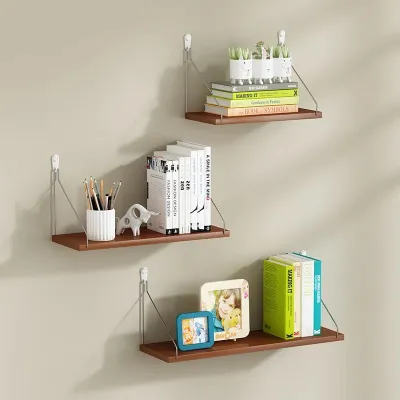
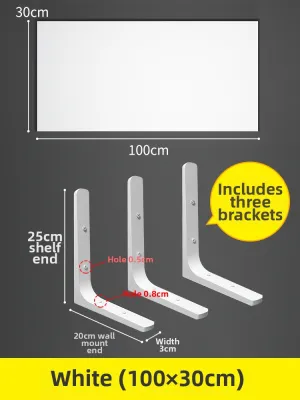
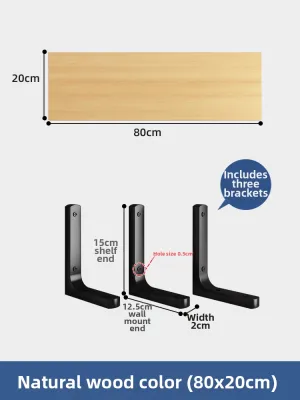
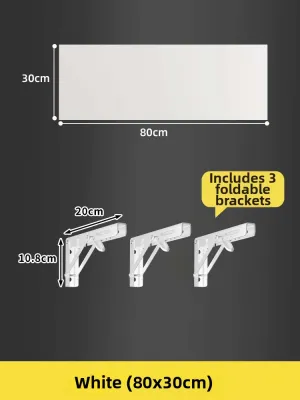
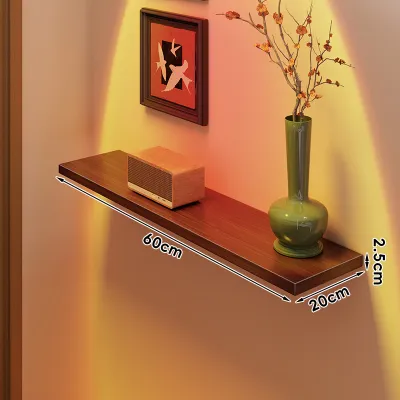
Prices are valid at publication and may change. Please refer to the product page for the latest price.
To avoid costly installation mistakes, create a physical mock-up of the shelves directly on your wall. Use blue painter’s tape or cut out pieces of recycled cardboard matching the exact width and depth of the shelf models you are considering. Tape these templates to the wall at your desired height and step back to observe them from your seated working position. This simple visualization step allows you to check whether the shelves feel visually overwhelming, block your line of sight, or restrict your physical movement before you drill a single hole into your wall.
Check Wall Types and Weight Capacity Limits
The structural integrity of your hanging shelves depends entirely on the composition of your walls. In the Philippines, residential walls typically fall into two main categories: solid masonry walls made of concrete or concrete hollow blocks, and hollow partition walls made of gypsum board, fiber cement board, or drywall. Concrete walls offer exceptional load-bearing capacity, allowing you to store heavy textbooks, thick binders, and small office equipment safely, provided you use high-quality masonry wall plugs and screws. Hollow walls, which are increasingly common in modern high-rise developments to reduce structural weight, require specialized hollow-wall anchors and have much lower weight thresholds.

Before loading your shelves, always check the manufacturer’s label or product manual for the maximum load capacity of the specific shelf model. This rating assumes the shelf is installed correctly using the recommended hardware on a compatible wall type. Keep in mind that a shelf’s capacity is split into static loads and dynamic loads. Static loads refer to stationary, evenly distributed items like decorative frames, small plants, or lightweight stationery. Dynamic or heavy loads involve items that are frequently moved or concentrated in one spot, such as heavy reference books, stacks of printer paper, or desktop electronics.
To maintain structural safety and prevent the shelf from sagging or pulling away from the wall, place your heaviest items directly over the supporting wall brackets or on the lowest, most securely anchored shelves. If you are mounting shelves on a hollow wall, you must locate the vertical wooden or metal studs behind the drywall and screw the brackets directly into them. Never rely on generic plastic wall plugs for hollow drywall installations; instead, opt for heavy-duty toggle bolts or metal molly anchors that expand behind the wall board to distribute the weight over a larger surface area.
Match Shelf Depth and Layout to Your Storage Needs
The physical dimensions and arrangement of your hanging shelves must align with your daily workflow and the specific items you need to store. Choosing shelves that are too deep can make a small study room feel cramped and claustrophobic, while shelves that are too shallow will fail to hold your essential reference materials.
Choosing the Right Depth for Books and Supplies
For compact home offices, shallow shelves with a depth of 15 to 20 centimeters are highly effective. These slim profiles are ideal for holding lightweight items such as internet routers, small smart speakers, decorative plants, framed photos, and pen holders. Because they do not extend far from the wall, they keep the area directly above your desk feeling light and airy, preventing the sensation of a heavy object looming over your workspace.
If your work requires storing standard-sized textbooks, A4 arch files, heavy binders, or small desktop printers, you will need deeper shelves measuring between 25 and 30 centimeters. These deeper shelves require robust, heavy-duty brackets to prevent tilting under load. Before purchasing, measure the depth of your desk surface; if your desk is narrow (under 60 centimeters), avoid placing deep shelves directly above it, as they will protrude into your vertical workspace and make it difficult to view your computer monitor comfortably.
Planning Vertical or Staggered Configurations
The way you arrange your hanging shelves can dramatically alter both the storage capacity and the visual perception of your room. A vertical or stacked configuration—where shelves are aligned perfectly one above the other—creates a clean, structured, and formal aesthetic. This layout is excellent for maximizing horizontal wall space in narrow rooms, as it draws the eye upward, making the ceiling feel higher than it actually is.
Alternatively, a staggered or asymmetrical layout offers greater flexibility and adds a modern, dynamic look to your study room. By offsetting the shelves, you create open vertical pockets that can accommodate taller items, such as vertical file organizers, table lamps, or decorative art pieces, without needing to increase the overall distance between every shelf. To prevent a staggered layout from looking cluttered or chaotic in a small space, maintain a consistent spacing interval (such as 30 or 40 centimeters between levels) and ensure the materials and colors remain uniform across all units.
Pick Materials and Finishes That Open Up the Room
The materials and finishes you select play a dual role in your home office: they determine the durability and maintenance requirements of your storage system while significantly influencing the visual weight of the room. In a small study, choosing the wrong material can make the space feel dark, heavy, and confined.
Solid wood shelves bring natural warmth, rich textures, and exceptional durability to a study room, making them a classic choice for traditional or cozy aesthetics. However, in the high-humidity tropical climate of the Philippines, untreated or poorly finished wood can absorb moisture from the air, leading to warping, mold growth, or susceptibility to wood-boring insects. If you prefer natural wood, ensure it has been treated with a high-quality polyurethane sealant or moisture-resistant lacquer, and regularly check the joints and seams for any signs of separation.
For a sleeker, more modern aesthetic, metal hanging shelves offer a high load capacity with a very thin profile, reducing visual clutter. Look for powder-coated steel or aluminum options that resist rust and are easy to wipe clean of urban dust. If you want to maximize the feeling of openness, consider acrylic or tempered glass shelves. These materials are virtually transparent, allowing light to pass through unobstructed and creating a “floating” effect that keeps even the tightest corners feeling spacious and bright.
When choosing colors, consider matching the shelves to the exact color of your walls. This paint-matching technique allows the shelves to blend seamlessly into the background, creating a built-in appearance that minimizes visual noise. If you want to add a focal point, use a contrasting finish—such as dark metal brackets paired with light oak wood—but limit the palette to two cohesive tones to keep the small office looking organized and professional.
Avoid Common Sizing and Installation Mistakes
Even the highest-quality hanging shelves can fail to deliver their promised benefits if they are installed incorrectly or positioned poorly. One of the most common mistakes is mounting shelves too high on the wall. While this might seem like a good way to clear space, it makes daily retrieval of books, reference materials, or stationery highly inconvenient, forcing you to stand up or use a step stool and ultimately defeating the purpose of accessible storage.
Another frequent oversight is failing to account for the height of your computer monitor or the backrest of your ergonomic office chair. If you install a shelf directly above your desk without checking these heights, you may find that your monitor blocks the lower shelf, or that you accidentally bump your head or the back of your chair against the shelf when reclining. Always sit in your office chair and simulate your daily movements to identify any potential collision points before drilling.
Overloading your shelves beyond their certified weight limits is a severe safety hazard that can result in property damage or personal injury. Never assume a shelf can hold heavy items simply because the brackets feel sturdy; always verify the weight rating of both the shelf and the specific wall anchors you used. Finally, never skip using a high-quality spirit level during the installation process. Relying solely on your eyes can lead to crooked shelves, which not only look unprofessional but can also cause round items like pens, smart speakers, or decorative accessories to slowly slide off the edge and fall.
Frequently Asked Questions (FAQ)
Can I mount hanging shelves on hollow drywall?
Yes, you can mount hanging shelves on hollow drywall or gypsum board, but you must take specific safety precautions. Because hollow walls lack the dense structural support of concrete, you cannot use standard plastic wall plugs, which will easily pull out under load. Instead, you must use specialized hollow-wall fasteners, such as metal toggle bolts or expanding molly anchors, which grip the back of the drywall panel to distribute the weight. For the safest installation, use a stud finder to locate the vertical wooden or metal framing studs behind the drywall and screw your shelf brackets directly into them. Keep in mind that the overall weight capacity of shelves mounted on drywall is significantly lower than those on solid concrete, so restrict these shelves to lightweight items like routers, decorative frames, and small stationery.
How high should the lowest shelf be above my desk?
The ideal height for the lowest hanging shelf typically ranges from 50 to 70 centimeters above your desk surface. This clearance provides ample space for a standard computer monitor or a laptop on a riser, while leaving enough room to comfortably reach for items on your desk without hitting the shelf above. To determine the perfect height for your specific setup, sit comfortably in your office chair and measure your seated eye level. The lowest shelf should ideally sit slightly above your eye level so that your primary line of sight remains unobstructed, yet low enough that you can easily reach the items on it without standing up. Doing a physical mock-up with painter’s tape or having a helper hold a board against the wall will help you verify this clearance before making permanent holes.

Community discussion
Share your experience or ask a question. Comments are reviewed before publication.