
Finding the right sleeping solution for a compact bedroom or a studio condo in the Philippines requires balancing space efficiency with structural integrity. While standard folding beds offer quick storage, they often lack the stability and durability needed for regular use or heavier body weights. A heavy-duty folding bed addresses this gap by combining a reinforced frame with a supportive sleeping surface, allowing you to maximize your floor area during the day without sacrificing sleep quality at night. Choosing the right model involves looking past generic marketing claims and carefully evaluating structural specifications, precise room measurements, and mechanism safety.
Defining "Heavy-Duty" in Folding Bed Specifications
To identify a truly durable folding bed, you must look closely at the frame materials and construction details rather than relying solely on product titles. High-tensile carbon steel or reinforced iron frames offer the best resistance to bending and warping under weight. In the humid climate of the Philippines, untreated metal is highly susceptible to rust and corrosion, which can weaken joints over time. Ensure the frame features a thick, electrostatically applied powder-coated finish to seal the metal against moisture and prevent premature rusting.
The shape and thickness of the metal tubing also play a critical role in overall stability. Square or rectangular steel tubing generally offers higher resistance to twisting and bending than thin, round tubing. When reviewing product specifications, check the steel gauge or wall thickness if available; a lower gauge number indicates thicker, stronger steel. Avoid frames made of thin-walled aluminum, which may be lightweight but can easily buckle under concentrated weight.
Products mentioned in this guide
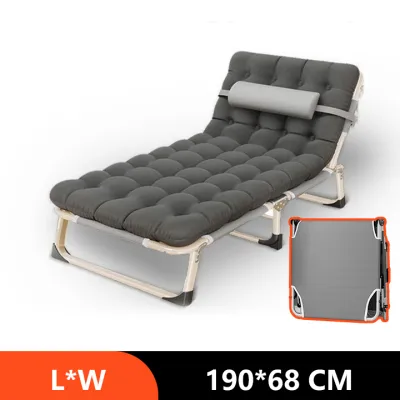
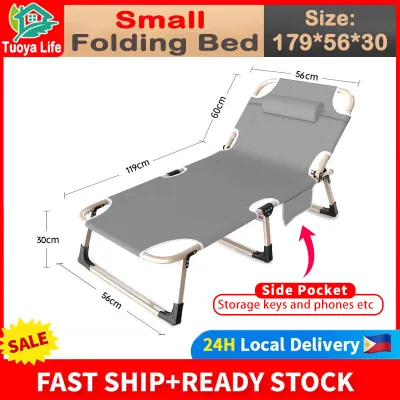
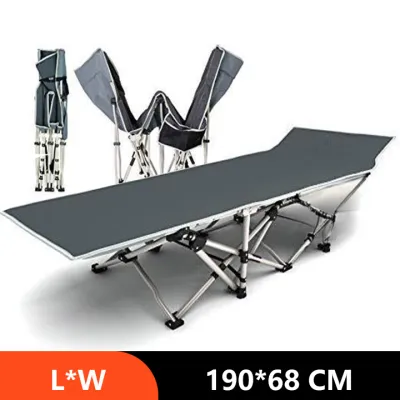
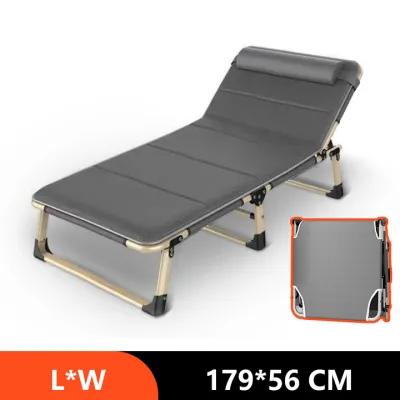
Prices are valid at publication and may change. Please refer to the product page for the latest price.
Heavy-duty frames rely on robust hardware at all pivot points to maintain structural integrity over years of folding. Look for frames assembled with thick steel bolts and locking nuts rather than simple rivets. Rivets can loosen, shear, or pop out under repeated stress, leading to a wobbly and unsafe sleeping platform. Welded gussets or reinforcement plates at key stress points, such as the corners and hinge pivots, are excellent indicators of a frame built for longevity.
A reliable folding bed must distribute weight evenly to prevent structural failure and ensure a comfortable sleep. Look for designs with at least six contact points with the floor, including dedicated center support legs. Crossbars running beneath the mattress support deck prevent the frame from bowing inward under pressure. Center bracing is particularly critical, as it prevents the mid-bed sagging that often causes back discomfort and accelerates frame fatigue.
When evaluating weight capacity, distinguish between static weight capacity and dynamic weight capacity. Static weight capacity refers to the maximum weight the bed can hold when completely still, while dynamic weight capacity accounts for the forces applied during movement, such as sitting down or turning over. A true heavy-duty folding bed typically boasts a static weight rating of at least 150 to 200 kilograms. Always verify if this rating includes the weight of the mattress or refers solely to the frame itself.
Measuring Your Small Bedroom for Use and Storage
Before purchasing a folding bed, map out the exact dimensions of the bed when fully extended to ensure a comfortable fit. In a small bedroom or studio condo, every centimeter of floor space is valuable. Measure the length and width of the designated sleeping area, ensuring there is at least 60 centimeters of clearance on at least one side and at the foot of the bed. This clearance allows you to get in and out of bed safely and prevents the frame from scraping against walls, wardrobes, or electrical outlets.

A folding bed is only useful if you can easily move it to its designated storage spot when not in use. Measure the folded height, width, and depth of the unit, and compare these measurements against the narrowest points of your home. Pay close attention to bedroom doorways, hallway corners, and the entryways of your condominium. If you live in a high-rise building, verify that the folded bed can fit inside the passenger or service elevator to avoid carrying a heavy steel frame up multiple flights of stairs.
When stored upright, a heavy-duty folding bed can present a tipping hazard if not properly balanced or secured. Measure the height of your designated storage closet or utility nook to ensure the folded frame fits comfortably beneath the ceiling or shelving. If the bed will be stored in an open area of a small bedroom, check if the design includes a safety strap or locking latch that keeps the frame securely folded, preventing it from accidentally springing open.
Evaluating Comfort and Setup Mechanisms
The comfort of a folding bed depends heavily on what supports the mattress. Avoid thin wire mesh grids that stretch and sag over time, as they offer poor spinal alignment and can cause the mattress to sink. Instead, look for steel slat bases or thick wooden slats secured with flexible rubber caps. These bases provide a firmer, more resilient platform that distributes body weight evenly. For the mattress itself, a thickness of at least 8 to 12 centimeters is recommended to prevent you from feeling the frame underneath. High-density polyurethane foam or memory foam mattresses retain their shape better than low-density alternatives, which quickly bottom out.
Because heavy-duty beds carry significant weight, the folding mechanism must operate smoothly without requiring excessive physical strain. Look for counterbalanced spring systems or assisted folding hinges that reduce the lifting weight during setup and pack-up. Inspect the hinge areas for potential pinch points where fingers could get caught during operation. Reliable models feature automatic locking pins or manual latches that secure the frame in both the fully open and fully closed positions, preventing unexpected collapsing.
The quality of the caster wheels is another critical factor, especially in condominium environments with sensitive flooring. Cheap, hard plastic casters can easily crack under pressure or scratch flooring materials like vinyl planks, laminate wood, or polished tiles. Opt for heavy-duty caster wheels made of polyurethane or soft rubber, which glide quietly and distribute weight more evenly. Ensure at least two of the casters feature reliable locking brakes to keep the bed firmly anchored in place while you sleep.
Building Your Shortlist and Verifying Purchases
When browsing online marketplaces or local furniture retailer websites, look past the initial star ratings and dive deep into written reviews. Search for specific keywords like “sagging,” “noise,” “squeak,” or “rust” to identify potential long-term issues. Pay close attention to feedback from buyers who have used the bed for several months, as this reveals how well the hinges, joints, and mattress hold up under repeated folding and weight.
A manufacturer’s confidence in a heavy-duty product is reflected in its warranty terms. Look for brands that offer a clear, written warranty covering the structural integrity of the metal frame and moving joints for at least one to two years. Be sure to read the fine print to understand what constitutes normal wear and tear versus a manufacturing defect, and check if the mattress is covered under a separate warranty period.
Heavy-duty folding beds are bulky and heavy, often weighing between 20 to 40 kilograms. Before finalizing your purchase from an online furniture retailer, verify their delivery terms and assembly requirements. Check if the courier provides door-to-door delivery, especially for upper-floor condo units, or if they only deliver to the building lobby. Additionally, confirm whether the bed arrives fully assembled or requires complex tool assembly; if the latter, ensure the package includes clear instructions and all necessary hardware.
Frequently Asked Questions (FAQ)
Can a heavy-duty folding bed be used as a permanent daily bed?
While a high-quality, heavy-duty folding bed offers excellent support for temporary guests or short-term stays, it is generally not recommended as a permanent, year-round daily bed. Over time, even high-density foam mattresses will experience compression along the fold lines, leading to uneven support and potential back discomfort. Additionally, the constant daily stress of folding and unfolding can accelerate wear on the hinges, joints, and locking mechanisms. If you require a permanent space-saving sleeping solution for a small bedroom, consider alternatives like a sturdy loft bed, a daybed with a trundle, or a wall-mounted Murphy bed, which are specifically engineered for daily structural wear.
How do I prevent a folding bed from damaging condo flooring?
To protect sensitive condo flooring such as laminate wood, vinyl, or ceramic tiles, start by verifying that the bed’s caster wheels are made of non-marking polyurethane or soft rubber rather than hard plastic. When rolling the bed into position, ensure the path is clear of small debris or grit, which can get trapped under the wheels and scratch the floor. For added protection, place a low-profile, non-slip area rug or a durable utility mat underneath the bed’s contact points when it is fully deployed. When folding or unfolding the frame, avoid dragging the metal legs across the floor; instead, use proper lifting techniques to guide the legs gently onto the surface, and check that any rubber floor caps on the stationary legs remain intact and free of wear.

Community discussion
Share your experience or ask a question. Comments are reviewed before publication.