
Moving house in the Philippines—often referred to as lipat bahay—presents a unique set of physical and environmental challenges. The combination of high tropical humidity, sudden downpours, and uneven road conditions means that standard, thin-walled storage containers often fail under the stress of transit. Choosing the right heavy-duty storage boxes is crucial to protecting your valuable household goods from physical damage, moisture, and dust. To make an informed decision, you must look beyond simple aesthetics and evaluate structural reinforcements, material composition, and size modularity.
By focusing on verification and practical decision-making, you can select containers that will survive the rigors of transport and protect your belongings. This guide outlines the essential features to look for, how to match box sizes to your items, how to physically inspect materials for durability, and how to navigate local sourcing and logistics.
Key Features to Look for in Heavy-Duty Storage Boxes
When preparing for a move, it is vital to distinguish true heavy-duty storage boxes from standard household organizers. Standard bins are designed for static closet storage, whereas moving boxes must withstand dynamic forces, stacking pressure, and frequent handling. Look for specific structural and design elements that guarantee high load-bearing capacity and security.
Products mentioned in this guide
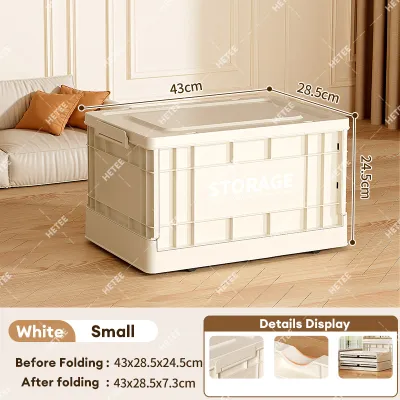
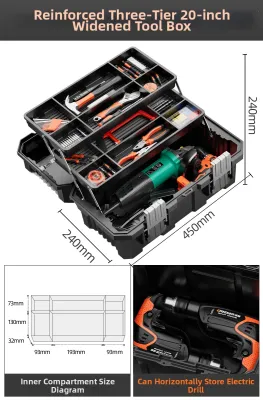
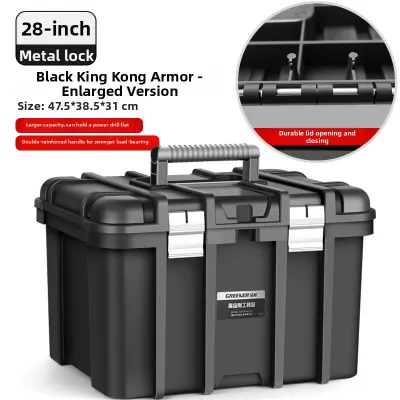
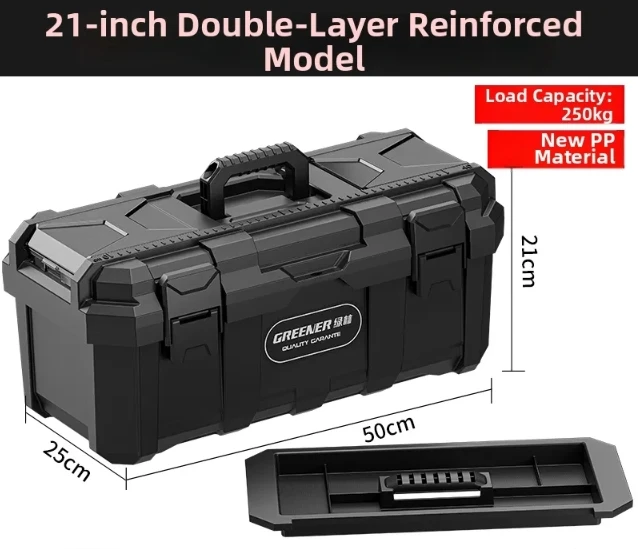
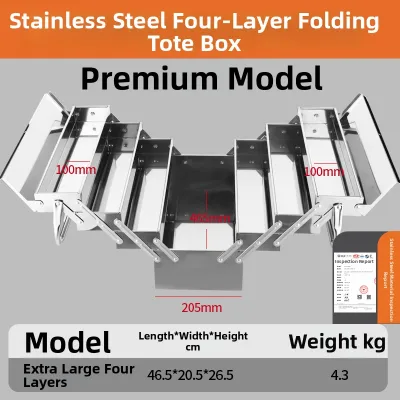
Prices are valid at publication and may change. Please refer to the product page for the latest price.
Reinforced Bases and Ribbed Walls
Standard plastic bins have smooth, thin walls that easily bow outward when filled with heavy items. True heavy-duty containers feature molded structural ribs along the sides and a grid pattern on the bottom. These ribs act as columns, distributing vertical loads and preventing the plastic from flexing or cracking under the weight of stacked boxes. When boxes are stacked in a moving truck, the bottom box must bear the weight of everything above it; ribbed walls ensure the container maintains its shape and does not collapse.
Secure Latching Mechanisms and Attached Lids
During transit, vehicles experience constant vibrations, sudden stops, and sharp turns. Lids that simply snap onto the rim can easily pop off, exposing your items to damage or loss. Look for heavy-duty boxes with robust, snap-lock latches that physically clamp the lid to the base. Alternatively, containers with integrated, interlocking hinged lids (often called crocodile lids) provide excellent security. These designs ensure the lid remains firmly anchored to the base, even if the box is tipped or subjected to sudden impacts.
Ergonomic Handles
Carrying heavy loads requires a secure, comfortable grip. Cheap boxes often have thin, sharp plastic edges that cut into your hands, increasing the risk of accidental drops. Heavy-duty containers feature deep, recessed hand pockets or molded, rubberized handles. These ergonomic designs allow for a full-hand grip, which is essential when wearing work gloves or when two people need to carry a single large container down flights of stairs.
Stackability Features
Maximizing the vertical space in a moving truck requires stacking boxes several layers high. Heavy-duty boxes are designed with deep rim channels on the lids that perfectly match the footprint of the base. This interlocking design prevents upper boxes from shifting laterally or sliding off during transport, creating a stable, unified column that resists the vibrations of the road.
How to Match Box Sizes and Weight Limits to Your Belongings
To avoid box failure, personal injury, or underutilizing your moving vehicle’s space, you must match the dimensions and weight capacities of your boxes to the specific items you plan to pack. Overpacking a large box with heavy items is one of the most common moving mistakes.

Categorizing Household Items by Density
Before purchasing boxes, categorize your belongings by density. High-density items, such as books, kitchenware, ceramic dishes, tools, and documents, should always be packed in smaller, compact boxes. Low-density, bulky items, such as pillows, blankets, winter clothing, and stuffed toys, are ideal for large-volume containers. Packing heavy items in large boxes makes them nearly impossible to lift and increases the risk of the box bottom blowing out.
Checking Manufacturer Weight Limits
Always inspect the manufacturer’s specifications, which are often embossed on the bottom of plastic totes or printed on the manufacturer’s stamp of cardboard boxes. However, never load a box to its absolute maximum rated capacity. Leave a safety margin of at least 20 percent to account for dynamic forces. When a moving truck hits a pothole, the downward force exerted on the box structure temporarily multiplies, which can cause a fully loaded box to crack or collapse.
Balancing Box Volume with Safe Human Lifting Limits
Even if a heavy-duty plastic box can theoretically hold 50 kilograms, a single person cannot safely lift and maneuver such a load. Keep individual box weights within a manageable range—typically under 20 to 25 kilograms for a single lifter. This protects both the mover’s back and the structural integrity of the box handles during long carries.
Selecting Modular, Uniform Sizes
When renting a moving van or truck, space utilization is critical. Using a mismatched assortment of round, tall, and short containers creates empty, unusable gaps and makes secure stacking nearly impossible. Opt for a modular system of uniform rectangular boxes. Standardizing your box sizes allows you to stack them tightly like building blocks, preventing shifting and maximizing the volumetric capacity of the transport vehicle.
Material and Structural Checks for Moving Stress
Before purchasing or packing your boxes, perform physical inspections to verify their durability and build quality. Do not rely solely on product labels; hands-on checks will help you identify potential weak points before they cause damage during your move.
Evaluating Plastic Thickness and Flexibility versus Rigid Cardboard
For heavy-duty applications, you must choose between high-impact plastic (such as polypropylene or high-density polyethylene) and heavy-duty corrugated cardboard. Plastic offers superior puncture resistance and complete moisture protection, making it ideal for fragile electronics, kitchenware, and valuables. If choosing cardboard, ensure it is double-walled or triple-walled corrugated board with reinforced edges, which provides excellent structural rigidity at a lower cost for dry goods.
Inspecting Hinge Integrity, Latch Tension, and Stress Points
Inspect the physical connection points of plastic containers. On plastic totes with hinged lids, check that the plastic hinges are thick and do not show signs of stress whitening—a pale discoloration indicating the plastic is stretching and about to tear. For latches, test the tension; they should snap shut with a firm, audible click and require deliberate effort to open. If a latch feels loose or flimsy when empty, it will likely fail when the box is fully loaded.
Checking for Moisture Barriers and Weather Resistance
The Philippine climate is notoriously humid, and sudden tropical downpours can occur without warning. Cardboard boxes lose up to 50 percent of their structural strength when exposed to high humidity or damp environments. If using cardboard, you must wrap them in stretch film to protect them from moisture. For ultimate protection, use heavy-duty plastic boxes with integrated weather seals or gaskets around the lid rim to keep moisture, dust, and pests out.
Verifying Base Reinforcement
Lift the empty box and press firmly on the center of the bottom panel. A high-quality heavy-duty box will resist flexing. If the plastic bends easily under light hand pressure, it will sag significantly when loaded, which can cause the bottom to drag, crack, or fail entirely when lifted. Look for a dense grid of molded plastic ribs on the underside of the base to ensure maximum rigidity.
Where to Source and Verify Storage Boxes in the Philippines
Finding reliable heavy-duty storage boxes requires navigating local retail channels and online platforms. Taking the time to verify specifications and logistics before purchasing will save you time and money.
Comparing Online Marketplaces and Local Hardware Stores
Local hardware stores and home improvement centers allow you to physically inspect the plastic thickness, test the latches, and verify the build quality before spending money. However, online marketplaces often offer better bulk pricing and direct delivery to your doorstep. When buying online, look for reputable local distributors and read customer reviews specifically mentioning durability during moves to avoid cheap, brittle imitations.
Verifying Exact Interior Dimensions and Weight Capacities
Product listings online can be misleading, often showcasing exterior dimensions that include protruding handles and lid rims. Always look for the interior dimensions in the product description. Measure your largest items beforehand to ensure they will fit within the actual usable interior space of the box, and double-check the rated weight capacity before finalizing your purchase.
Checking Return and Replacement Policies
Inspect your boxes immediately upon delivery. Bulk shipments of plastic containers can sometimes suffer damage during transit from the warehouse to your home. Check for hairline cracks along the corners, broken latches, or warped lids. Ensure the seller offers a clear, hassle-free return or replacement policy for transit-damaged goods so you do not end up with unusable packing materials.
Planning for Delivery Logistics
Heavy-duty plastic boxes do not collapse like cardboard. Ordering a dozen large plastic totes means a massive physical volume will be delivered to your home. Verify that the delivery vehicle can access your street or condominium loading bay. Additionally, check if the shipping fee is calculated by volumetric weight rather than actual weight, as this can significantly increase the total cost of your order.
Frequently Asked Questions (FAQ)
Can I use heavy-duty plastic boxes for long-term storage after moving?
Yes, heavy-duty plastic boxes are excellent for long-term storage, but you must take specific precautions. Ensure the containers feature airtight seals or rubber gaskets along the lid rim to prevent moisture, dust, and common household pests like termites, ants, and cockroaches from entering. Additionally, consider the storage environment. Standard plastics can degrade and become brittle when exposed to prolonged UV light or extreme heat in non-climate-controlled spaces like attics, garages, or outdoor utility rooms. Store them in a cool, shaded area to preserve their lifespan.
How do I prevent heavy-duty boxes from sliding in the moving truck?
To secure your boxes during transport, always stack them in interlocking patterns, similar to bricklaying, rather than creating tall, isolated columns. Place the heaviest boxes at the bottom of the stack to lower the center of gravity. Fill any remaining gaps between stacks or between the boxes and the truck walls using moving blankets, heavy-duty cardboard sheets, or inflatable dunnage bags. Finally, secure the entire load using ratchet straps anchored to the truck’s tie-down points to restrict lateral and longitudinal movement on bumpy roads.

Community discussion
Share your experience or ask a question. Comments are reviewed before publication.