
Choosing the right plastic storage containers with covers for a house move requires prioritizing structural strength, secure lid closures, and environmental protection over simple aesthetic appeal. Unlike standard cardboard boxes, high-quality plastic bins shield your belongings from tropical humidity, sudden rain showers during transit, and pests. To ensure your items arrive intact during a busy lipat bahay journey, you must select containers designed to withstand heavy stacking pressures, rough handling, and the physical constraints of moving vehicles.
Investing in the correct utility bins prevents the common pitfalls of moving, such as collapsed box walls, spilled contents, and water damage. By focusing on specific material grades, locking mechanisms, and size distributions, you can build a reliable packing system that simplifies loading and protects your household goods throughout the transition.
Key Features to Look for in Moving Storage Boxes
To withstand the physical demands of a house move, a plastic storage container must feature a highly secure lid locking mechanism. Standard snap-on lids that merely press onto the rim often pop off when the container flexes under weight or during transport over bumpy roads. Look for heavy-duty containers equipped with robust snap latches or mechanical hinges that clamp the lid firmly to the base. These latches should require deliberate force to open, ensuring they remain sealed even if the container is accidentally tipped or jostled inside a moving truck.
Products mentioned in this guide
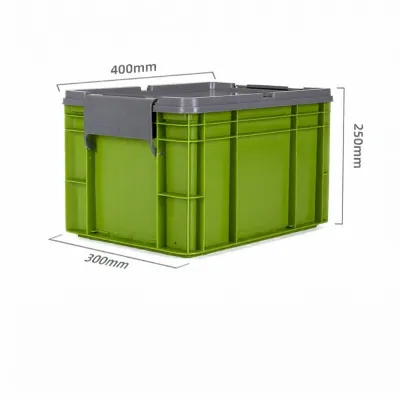
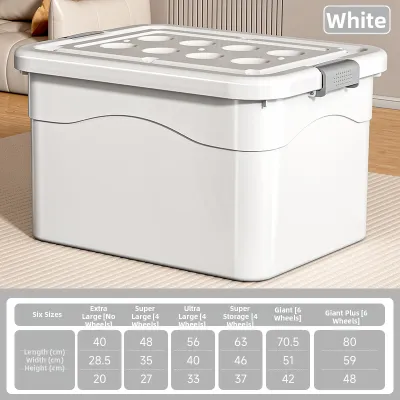
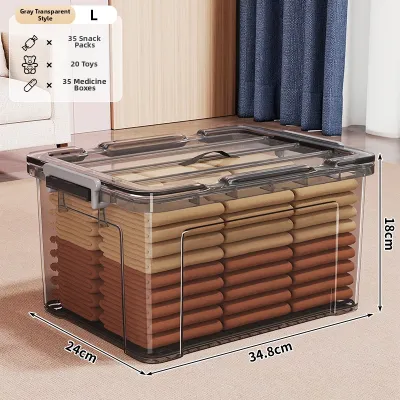
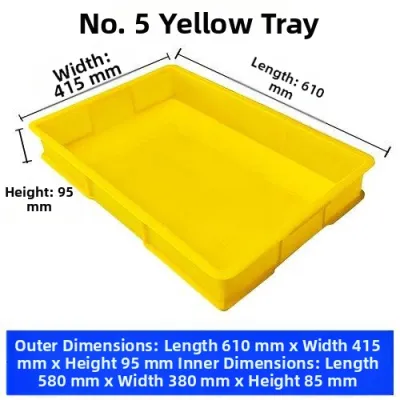
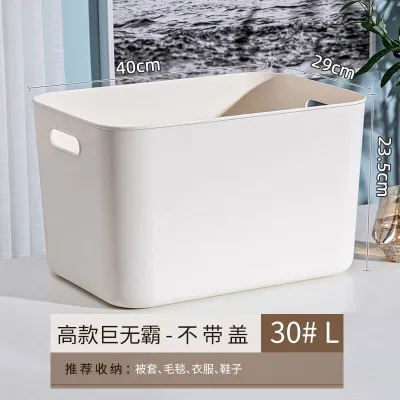
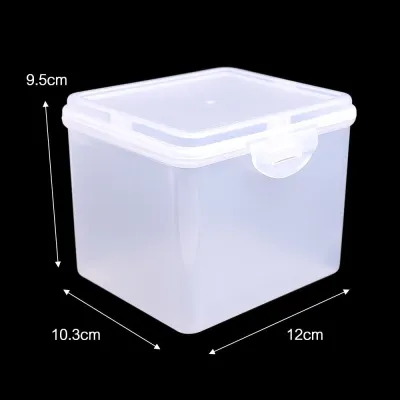
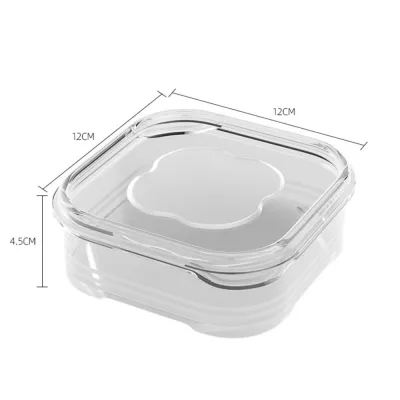
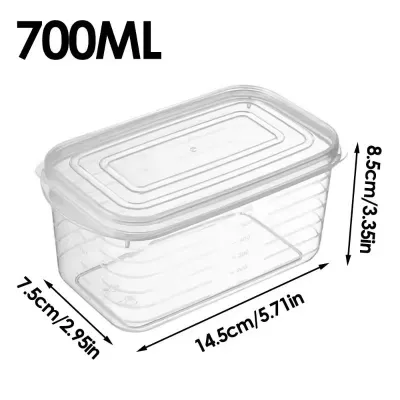
Prices are valid at publication and may change. Please refer to the product page for the latest price.
In addition to secure latches, check the seal integrity of the lid to prevent dust, moisture, and insects from entering. In humid tropical climates, a tight seal is essential for protecting sensitive items like electronics, documents, and clothing from mold and mildew. Some premium storage boxes feature integrated foam or silicone gaskets along the inner rim of the lid, which provide an airtight barrier against external elements during outdoor loading.
Understanding the material composition of your storage boxes is crucial for assessing their load-bearing capacity. Flip the container over to inspect the plastic recycling code molded into the base. Polypropylene (PP, recycling code 5) is the most common material for durable storage bins, offering excellent impact resistance, flexibility, and strength. High-density polyethylene (HDPE, recycling code 2) is another highly durable option often used for heavy-duty industrial totes. Avoid cheap, brittle plastics like polystyrene, which crack easily under stress or in cold environments.
Always verify the manufacturer-stated weight limits before purchasing your containers. These limits indicate the maximum load the box can safely hold internally, as well as the maximum weight it can support when stacked. A container might feel sturdy when empty, but thin-walled plastics will bow outward when filled with heavy items, compromising the structural integrity of the entire stack.
Stackability is a vital design feature that maximizes vertical space in moving vehicles and storage units. Look for containers with deeply recessed lids that match the footprint of the base, allowing multiple boxes to lock together securely when stacked. Reinforced vertical ribs along the corners and outer walls of the container help distribute weight downward to the floor rather than outward against the plastic walls, preventing buckling.
Finally, pay close attention to the design of the handles. Ergonomic, molded-in pass-through handles provide a secure grip for manual lifting and reduce physical strain on your hands and back. Avoid containers with sharp, thin plastic edges under the handles, as these can cut into your fingers when carrying heavy loads. If the container uses clip-on latches as handles, ensure the latch mechanism is sturdy enough to support the weight of the filled box without snapping off during lifting.
Matching Container Sizes to Your Belongings
Assigning the correct container size to specific categories of belongings is essential for maintaining safe lifting weights and preventing box failure. A common mistake is packing heavy items into large containers, resulting in a box that is too heavy to lift safely or one that breaks under its own internal pressure. Small plastic containers, typically ranging from 15 to 30 liters in capacity, are ideal for dense, heavy items such as books, hand tools, kitchenware, canned goods, and small electronics. Keeping these items in smaller volumes ensures that the total weight of each container remains within a manageable range for manual lifting.

Medium to large containers, ranging from 50 to 80 liters, are best reserved for bulky, lightweight household goods. Use these larger bins to pack linens, pillows, blankets, winter clothing, stuffed toys, and lightweight plastic kitchen items. Because these items have low density, they can fill a large volume without exceeding safe weight limits, allowing you to maximize the cargo space in your moving vehicle without risking physical strain.
For items that do not fit standard rectangular bins, specialty shapes and alternative storage solutions are necessary. Extra-long, shallow under-bed storage boxes are excellent for packing long, flat items like wrapping paper, framed artwork, or sports equipment. While traditional wardrobe boxes are made of cardboard, heavy-duty tall plastic bins can be adapted for hanging clothes by installing temporary internal support rods, provided the plastic walls are thick enough to support the hanging weight.
Using specialty plastic bins for fragile items like glassware and dinnerware is also highly recommended. Some storage containers come with integrated modular dividers or foam inserts that keep individual items isolated and protected from impact. If specialty bins are unavailable, you can replicate this protection by wrapping fragile items individually and placing them in standard medium-sized bins with ample internal cushioning.
Pre-Purchase Checks for Space and Transport
Before purchasing a large quantity of plastic storage containers, you must verify that their physical dimensions are compatible with your moving vehicle. Measure the interior cargo area of the truck, van, or utility vehicle you plan to use, paying close attention to the height, width, and wheel well intrusions. Compare these measurements against the exterior dimensions of your selected containers when they are fully stacked. This calculation helps you determine how many columns of boxes can fit side-by-side and how high you can safely stack them without hitting the vehicle ceiling or obstructing the driver’s rear view.
In addition to vehicle dimensions, assess the architectural clearances of both your current home and your new destination. Walk the entire path that your moving crew will take, measuring the width of doorways, hallways, stairwells, and elevator doors. Tight corners in older apartment buildings or narrow staircases can make carrying wide, bulky plastic bins extremely difficult. Ensuring your containers can easily navigate these bottlenecks prevents accidental damage to both the boxes and the interior walls of the properties.
Consider the long-term storage requirements of the empty containers once your move is complete. If you plan to keep the bins for future organization, garage storage, or subsequent moves, select nesting containers that fit inside one another when empty. Nesting designs significantly reduce the storage footprint, allowing you to stack dozens of empty bins in a small closet corner. If you do not plan to keep the containers, verify the retailer’s return policy or explore options for reselling them to other movers in your local community.
Building Your Moving Container Shortlist
When preparing to buy your moving containers, establish a clear framework to balance durability against your overall moving budget. While heavy-duty industrial totes offer the highest level of protection, they also carry a higher per-unit cost, which can quickly add up if you require dozens of boxes. Calculate the total number of containers needed and compare the cost of premium bins against standard utility options. For non-fragile, lightweight items, standard bins may suffice, allowing you to allocate more of your budget to high-durability containers for valuable or heavy goods.
To narrow down your options, cross-reference product specification sheets with real-world user feedback. Look for detailed specifications regarding the exact outer and inner dimensions, material type, and maximum load capacity. Pay close attention to user reviews on online marketplaces and home improvement store websites, specifically searching for comments about transit durability, cracked corners, or lids that popped open during delivery. This feedback provides valuable insight into how the containers perform under actual moving conditions.
Finally, confirm the logistics of your purchase before finalizing the order. If you are buying in bulk, check if the retailer offers bulk discounts or free delivery to your home, as transporting dozens of empty, nested containers yourself can be challenging. Verify real-time stock availability to ensure the retailer can fulfill your entire order at once, preventing delays in your packing schedule. Additionally, understand the return policy for items that arrive damaged or defective, ensuring you can quickly secure replacements before moving day.
Packing and Loading Best Practices
To prevent damage to your belongings and the containers themselves, follow strict weight distribution principles when packing. Always place the heaviest items at the very bottom of each individual container to establish a low center of gravity and prevent the box from tipping. As you pack upward, transition to lighter items, ensuring the total weight is distributed evenly across the base of the bin. When loading the containers into the moving vehicle, place the heaviest, most robust bins on the floor of the truck, and stack lighter, less dense bins on top of them.
Internal cushioning is essential for preventing items from shifting and colliding during transit. Fill any empty spaces or voids inside the container with packing paper, bubble wrap, towels, or clothing. This prevents items from sliding around when the vehicle accelerates, brakes, or turns. Furthermore, proper void-filling prevents the plastic walls of the container from deforming inward when adjacent boxes press against them in a tightly packed truck.
Even if your containers feature secure locking latches, applying supplementary packing tape around the lid seam provides an extra layer of security. Run a strip of heavy-duty tape across the latches and around the perimeter of the lid to ensure it cannot be forced open by shifting cargo. This step is particularly important for bins containing small, loose items or liquids that could spill and damage surrounding boxes.
Implement a clear, highly visible labeling system on the exterior of each container. Use waterproof labels or write directly on a strip of painter’s tape adhered to the side of the box rather than the lid, as lids can easily be swapped or misplaced during unpacking. Label at least two adjacent sides of each container with the destination room and a brief summary of the contents. This ensures that the labels remain visible even when the containers are stacked high inside the moving vehicle or your new home.
Frequently Asked Questions (FAQ)
Can I use regular plastic bins without latches for moving?
Using regular plastic bins without latches for a house move carries significant risks, including lid detachment, dust ingress, and item spillage. When a moving truck travels over uneven roads, the constant vibration and shifting of cargo can easily dislodge loose-fitting lids, exposing your belongings to damage. If you must use latch-less bins, you can temporarily reinforce them by wrapping heavy-duty packing tape or stretch wrap securely around the entire perimeter of the lid and base. Alternatively, use adjustable bungee cords or tie-down straps to hold the lid in place. However, if you are transporting fragile, valuable, or heavy items, you should stop using basic bins and upgrade to containers with integrated locking latches to ensure adequate protection.
How do I estimate the number of containers needed?
To estimate the number of plastic storage containers needed for your move, start with a basic formula based on the number of rooms in your home. As a general guideline, plan for approximately 10 to 15 medium-sized containers (50 to 60 liters) per fully furnished room, excluding large furniture. For example, a standard one-bedroom apartment typically requires 20 to 30 containers, while a three-bedroom house may require 50 to 70 containers. Adjust this estimate upward if you have high clutter levels, extensive book collections, or numerous hobby supplies. Conversely, if you have recently completed a thorough decluttering process or plan to transport large items in their original retail packaging, you can reduce your estimated container count accordingly.

Community discussion
Share your experience or ask a question. Comments are reviewed before publication.