
Preparing for a house move in the Philippines—often called lipat bahay—requires a packing strategy that can withstand high humidity, sudden tropical downpours, and the physical demands of transit. While traditional cardboard boxes have long been the default choice, they frequently succumb to moisture, pests, and structural collapse when stacked in the back of a moving truck. Transitioning to heavy-duty stackable drawer boxes offers a highly efficient, weather-resistant alternative that simplifies both the transit phase and the unpacking process in your new home. By choosing modular drawer units, you secure your belongings in rigid, protective shells that double as instant, organized furniture the moment you arrive at your destination.
Why Stackable Drawer Boxes Are Ideal for Moving
Traditional cardboard boxes present several challenges during a move. They require packing tape to seal, must be completely taped shut, and once stacked, accessing an item at the bottom of the pile requires unstacking the entire column. In contrast, stackable drawer boxes feature a rigid outer frame and a sliding drawer compartment. This design allows you to access your belongings at any time without disturbing the stack, which is incredibly useful for storing daily essentials like toiletries, basic kitchen utensils, and change of clothes that you need immediately upon arrival.
From a transport perspective, these plastic containers maximize vertical space inside moving vehicles. Whether you are hiring a closed van, an L300 utility vehicle, or using a personal car, the flat, rigid tops and bottoms of these boxes allow them to be stacked securely from floor to ceiling. Unlike cardboard, which tends to sag and compress under heavy loads or when exposed to the humid Philippine climate, high-quality plastic drawer frames maintain their structural integrity. This prevents the weight of the upper boxes from crushing the contents of the units below, safeguarding fragile items such as glassware, electronics, and important documents.
Products mentioned in this guide
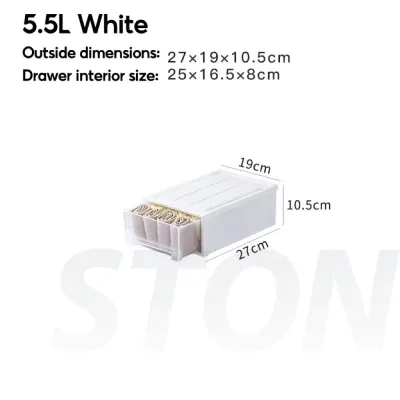
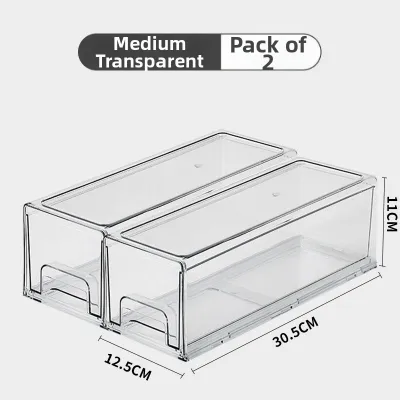
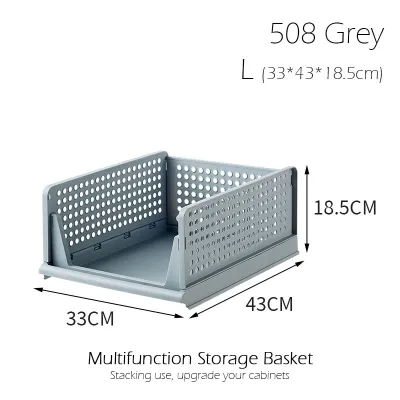
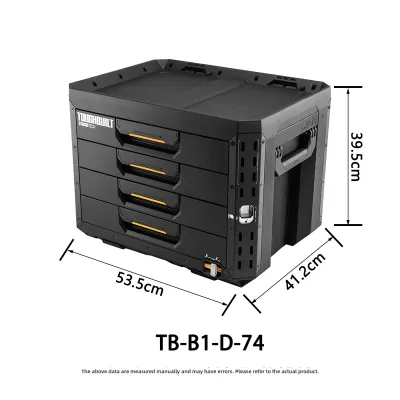
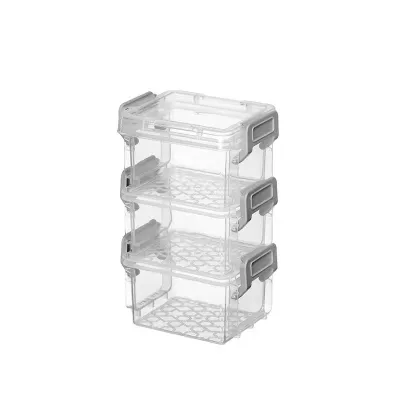
Prices are valid at publication and may change. Please refer to the product page for the latest price.
Furthermore, the tropical climate in the Philippines introduces risks like sudden rainstorms and high humidity, which can weaken paper-based packaging. Plastic drawer boxes provide a resilient barrier against moisture, dust, and common household pests like ants or cockroaches during transit and temporary storage. Once the move is complete, you do not have to spend hours breaking down and disposing of cardboard boxes; instead, the drawer units can be placed directly into your new closets, under beds, or in utility rooms as permanent storage solutions.
Key Features to Evaluate Before Buying
When browsing online marketplaces or visiting local home improvement centers, it is essential to look beyond basic aesthetics and evaluate the structural features that ensure a drawer box can handle the rigors of a move. The first feature to verify is the presence of interlocking grooves, recessed top panels, or built-in clips. These design elements ensure that when one unit is placed on top of another, they lock into place, preventing lateral shifting when the transport vehicle navigates bumpy roads, sharp turns, or sudden stops.

Next, examine the drawer glide mechanism and track durability. A drawer that glides smoothly when empty may warp or stick when loaded with heavy items. Look for units that feature reinforced tracks or small rollers at the base of the drawer. The frame itself should have a rear stop mechanism to prevent the drawer from sliding completely out of the housing during transit, which could cause the contents to spill onto the vehicle floor.
Material thickness and plastic type are critical indicators of durability. Look for product descriptions that specify high-density polyethylene (HDPE) or heavy-duty polypropylene (PP). Avoid thin, brittle plastics that are prone to cracking under pressure or during temperature fluctuations. Check the manufacturer’s specifications for load-bearing capacity, particularly the maximum weight a single unit can support on its top panel, as this determines how high you can safely stack them.
Finally, secure latching or locking systems are vital for moving day. Some drawer boxes come with integrated front latches or snap-lock handles that keep the drawer firmly closed within its frame. If the model you prefer does not have a built-in lock, ensure the front face of the drawer has a clean, flat lip where temporary securing straps or low-residue tape can be applied without blocking the stacking alignment.
Matching Box Sizes to Your Belongings
A successful packing plan relies on matching the right box size to the specific weight and volume of your belongings. Utilizing a single size for all items often leads to inefficient space utilization or dangerously heavy containers. Small stackable drawer units are ideal for dense, heavy, or highly fragile items. Use them to pack office supplies, books, cables, jewelry, and delicate kitchenware. Keeping these items in smaller compartments prevents them from shifting violently and breaking during transit.
Medium-sized drawer boxes serve as the workhorses of your moving inventory. They are perfectly suited for folded clothing, shoes, toys, pantry items, and medium-sized household appliances. When packing clothes, rolling them instead of folding can maximize the internal volume of the drawer. Because medium units balance volume and weight well, they are easy to carry individually and can be stacked comfortably up to four or five units high without overloading the bottom frame.
Large drawer boxes should be reserved primarily for lightweight, bulky items. Use these spacious containers for bed linens, pillows, blankets, winter jackets, and plastic kitchenware. Avoid filling large drawers with heavy books or dense kitchen equipment, as this can cause the plastic frame to bow, making the drawer difficult to open and creating a safety hazard during lifting.
Before purchasing, always compare the external dimensions of the box with its internal usable dimensions. Because drawer units require outer frames, tracks, and clearance space to slide open, the actual storage space inside the drawer is always slightly smaller than the overall footprint of the unit. Checking these specifications ensures your items, such as specific document folders or kitchen trays, will actually fit inside the drawer.
How to Measure Your Space and Transit Limits
Before ordering a fleet of stackable drawer boxes, you must perform precise measurements of your current home, the transit vehicle, and your future residence. Begin by measuring the narrowest points of your moving pathway. This includes door frames, hallway corners, stairwells, and elevator cabins. If you live in a high-rise condominium or a gated subdivision with strict moving guidelines, verify the clearance height of the service elevators and basement parking entrances to ensure your stacked boxes can pass through without obstruction.
Next, consider the dimensions of the transit vehicle. If you are hiring a local moving service, ask for the exact interior width, height, and length of the cargo bed. Calculate how many columns of your chosen drawer boxes can fit side-by-side across the width of the vehicle, and how many can fit along its length. This calculation helps you determine the optimal quantity of boxes to buy and prevents empty, unstable gaps in the truck that could cause the load to shift during travel.
Lastly, plan for the permanent placement of the drawer boxes in your new home. If you intend to slide them under a bed frame, measure the vertical clearance from the floor to the bottom of the bed rail. If they are going inside a built-in wardrobe or onto utility shelving, measure the depth, width, and height of those spaces. Buying boxes that match these permanent dimensions ensures that your moving containers transition seamlessly into organized home furniture without wasting valuable floor space.
Smart Packing and Stacking Strategies for the Move
Packing stackable drawer boxes requires a strategic approach to weight distribution and physical stability. Always place your heaviest items, such as books, files, or heavy kitchen tools, in the drawers that will form the base of your stacks. As you build the stack upward, the items should become progressively lighter, with the top drawers containing lightweight goods like linens or clothing. This low center of gravity prevents the stack from tipping over during sudden vehicle movements.
Securing the drawers so they do not slide open during transport is a critical step. While some boxes feature built-in locks, many standard models do not. Use high-quality painter’s tape or specialized moving stretch wrap to secure the drawer front to the outer frame. Avoid using heavy-duty packing tape or duct tape directly on the plastic, as the intense tropical heat can melt the adhesive, leaving a sticky, hard-to-clean residue or permanently damaging the finish of your boxes.
Always adhere strictly to the manufacturer’s maximum stacking guidelines. Even if the interlocking grooves allow you to stack units six or seven high, doing so in a moving vehicle can be hazardous. Limit your transit stacks to a height that remains stable and easy to lift, typically no more than four units high depending on the weight of the contents.
To prevent the stacks from sliding on the vehicle floor, place non-slip rubber mats or heavy cardboard sheets underneath the bottom units. If you are transporting the boxes in an open truck bed or a large van, use tie-down straps or bungee cords anchored to the vehicle walls to bind the stacks together. This extra layer of security ensures that even on uneven provincial roads or steep city inclines, your storage system remains perfectly upright.
Where to Shop and What to Verify on Delivery
When shopping for stackable drawer boxes on local e-commerce platforms, utilize search filters to narrow down your options by dimensions, material type, and price. Set your budget filter in ₱ to find cost-effective multi-pack bundles, which often offer better value than purchasing individual units. Read customer reviews carefully, paying close attention to feedback regarding how well the boxes survive shipping and whether the plastic feels sturdy or brittle.
Once your order arrives, perform a thorough inspection immediately before signing off on the delivery or discarding the packaging. Check all corners and edges of the outer frames for hairline cracks or impact damage that may have occurred during transit. Slide each drawer out completely to verify that the tracks are straight, unwarped, and that the drawer glides smoothly without catching.
Test the stacking mechanism by aligning the units on a flat surface. Apply gentle downward pressure on the top unit to ensure the interlocking grooves fit snugly and do not slip. If you detect any structural defects, warped frames, or missing components, contact the seller immediately to initiate a return or replacement under their customer protection policy, ensuring you have fully functional, reliable boxes ready well before your scheduled moving day.
Frequently Asked Questions (FAQ)
Can I use stackable drawer boxes for long-term storage after moving?
Yes, stackable drawer boxes are excellent for long-term storage, but you must verify their suitability for your new environment. Check if the drawers feature tight-fitting seals or overlapping lips that prevent dust, moisture, and tropical pests from entering. If you plan to place them in areas exposed to sunlight, such as balconies, laundry areas, or near windows, look for UV-resistant plastic specifications to prevent the material from becoming brittle and yellowing over time. For visible living spaces, choose neutral colors and clean designs that complement your home decor.
How do I prevent drawers from sliding open during transit?
To keep drawers securely closed without damaging the plastic, wrap the entire stacked column tightly with plastic stretch wrap (shrink wrap). This holds the drawers shut, binds the stacked units together, and provides extra protection against dust and light rain. Alternatively, use low-tack painter’s tape across the drawer seam, as it holds firmly during transit but peels off cleanly without leaving sticky adhesive residue. Avoid using high-tack duct tape or brown packing tape, which can bake onto the plastic under the Philippine heat.

Community discussion
Share your experience or ask a question. Comments are reviewed before publication.