
Setting up a cozy balcony bar in a high-rise condo or a compact home requires smart space management. Stackable tables offer an excellent solution, allowing you to quickly set up a dining or lounge area and then stack them away to reclaim precious floor space when not in use. To find the right stackable tables, you must evaluate your balcony’s physical dimensions, the height of your bar stools, the stability of the table design against local wind conditions, and the material’s ability to withstand tropical humidity and rain.
Measuring Your Balcony Space and Bar Layout Needs
Start by measuring the exact footprint of your balcony. Use a tape measure to map out the clear floor space, ensuring you leave enough walkway space around the tables and stools so you can move freely. Don’t forget to account for the swing radius of balcony doors, access to outdoor electrical outlets, and clearance from railings.
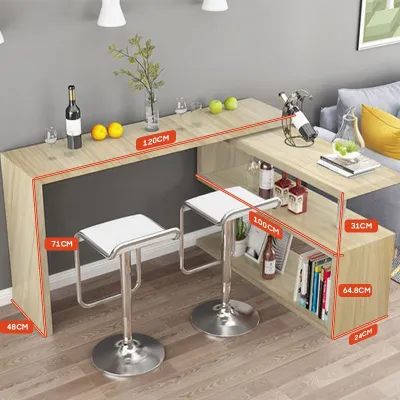
Next, consider the height of your seating. Standard bar stools usually require a table height of around 100 to 105 centimeters, while counter-height stools pair best with tables around 90 centimeters high. Measure from the balcony floor to the underside of your stool seats to ensure there is a comfortable gap of about 25 to 30 centimeters for legroom.
Products mentioned in this guide
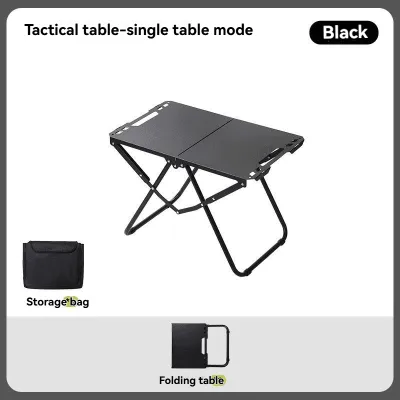
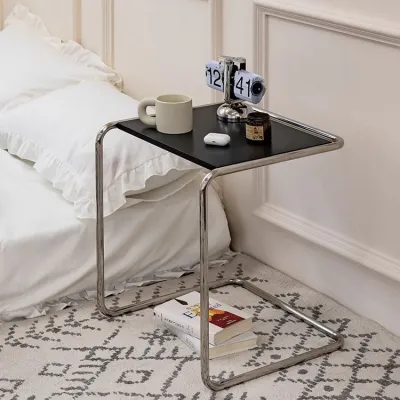
Prices are valid at publication and may change. Please refer to the product page for the latest price.
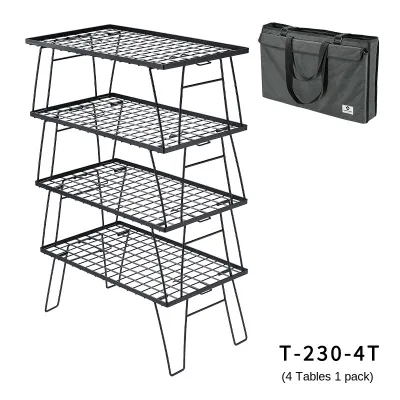
Finally, assess your vertical storage space. When stacking multiple tables, the height of the stack increases with each added unit. Measure the vertical clearance on your balcony, making sure the stacked tables will not block your view, crowd your potted plants, or interfere with wall-mounted air conditioning compressors or overhead light fixtures.
Evaluating Stackable Table Design and Stability
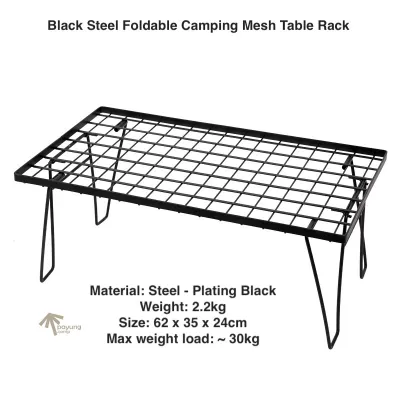
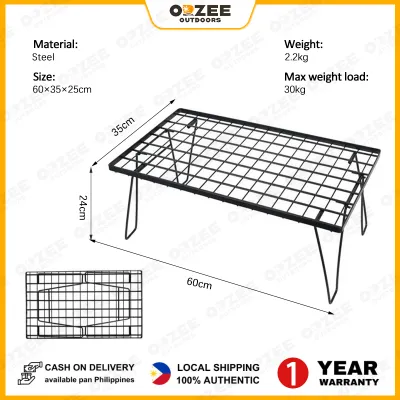
When shopping for stackable tables, structural integrity is paramount, especially for elevated bar-height models which naturally have a higher center of gravity. Always check the manufacturer’s product specifications for the maximum weight capacity and the recommended safe stacking limit. Avoid guessing how many tables can safely nest together; instead, look for the exact number certified by the brand to prevent structural failure.

Examine the base of the table legs closely. High-quality stackable tables should feature durable, non-slip, and non-scratch feet, often made of rubber or dense plastic. These protective caps prevent the metal or wood legs from scratching your balcony tiles or wooden decking, and they provide essential grip on wet surfaces during sudden tropical downpours.
The leg spread and base configuration also dictate how stable the table will be. A wider leg stance or a weighted pedestal base helps lower the center of gravity, making the table less prone to tipping when guests lean on it or when strong winds sweep across your balcony. Look for designs where the legs flare slightly outward, as this shape typically offers superior resistance to lateral forces while still allowing the tables to nest cleanly when stacked.
Checking Material Specifications for Outdoor Use
The tropical climate—characterized by intense sunlight, high humidity, and heavy seasonal rainfall—demands materials that are explicitly rated for outdoor use. Do not assume a table is weather-resistant simply because it is made of metal, wood, or plastic. Read the product labels carefully to verify claims of UV resistance, which prevents plastic from becoming brittle and colors from fading under harsh sunlight.
For metal tables, look for specific surface treatments such as multi-layer powder coating or specialized rust-inhibiting primers. These finishes act as a barrier against moisture, but they do require periodic inspection to ensure no deep scratches have exposed the raw metal underneath. If you prefer wooden tables, check if they are pre-treated with protective oils or sealants and note how often you will need to reapply these finishes to maintain water resistance.
Pay close attention to the joints, welds, and connection points where water is most likely to pool. High-quality outdoor tables feature sealed joints or drainage holes that prevent water from getting trapped inside hollow metal frames. Trapped moisture can cause rapid internal rusting, which weakens the structure long before any damage is visible on the exterior surface.
Safe Stacking, Storage, and Daily Maintenance
To keep your balcony bar safe and tidy, always follow the exact stacking sequence outlined in the manufacturer’s user manual. Never exceed the recommended stacking height, as top-heavy stacks are highly unstable and pose a safety hazard. When nesting the tables, align them carefully to ensure the protective bumpers or rubber pads on the underside of the frames engage correctly, preventing metal-on-metal friction.
Location is key when storing your stacked tables. Avoid placing the stack on uneven balcony tiles, sloped drainage areas, or directly against the balcony railing where a strong gust of wind could push them over. Instead, store the stack flat against a solid structural wall, ideally in a sheltered corner of the balcony that is protected from direct wind exposure and heavy rain.
Establish a simple routine for cleaning and structural maintenance. Wipe down the tables regularly with a damp cloth and mild soapy water to remove salt spray, dust, and soot from urban air. Periodically check all screws, bolts, and fasteners, tightening them according to the manufacturer’s guidelines to ensure the frame remains rigid and safe for daily use.
Frequently Asked Questions (FAQ)
Can I use indoor stackable tables on my balcony?
Using indoor stackable tables on an open balcony is generally not recommended because they lack the necessary protective coatings to withstand outdoor elements. Indoor wood can warp or crack from humidity, while untreated metals will quickly rust when exposed to rain. If you have a fully enclosed, weather-protected sunroom or balcony, check the manufacturer’s warranty and material specifications to confirm if the table is rated for covered, semi-outdoor environments before placing it there.
How do I prevent stacked tables from tipping over in the wind?
To secure stacked tables against strong winds, always keep the stack height as low as possible and position it in a sheltered corner against a solid wall. For added security on high-rise balconies or during stormy weather, use heavy-duty outdoor furniture straps or bungee cords to anchor the stacked tables to a secure wall mount or a heavy, stable fixture. You can also place a specialized, weighted outdoor furniture cover over the entire stack to keep the tables bound together and protected from the elements.

Community discussion
Share your experience or ask a question. Comments are reviewed before publication.