
Choosing the right container for a lipat bahay (home move) in the Philippines requires balancing volume, weight, and protection against tropical humidity. An 80-liter storage box serves as a highly versatile mid-to-large option, offering enough space to consolidate bulky household goods without becoming too heavy for manual transport. To select the best 80-liter container, you must evaluate the structural design of the box, the specific materials used, and how well the units stack in a moving vehicle.
By focusing on key durability features, understanding material limitations, and applying smart packing techniques, you can ensure your items arrive at your new destination completely intact. This comprehensive guide outlines the essential features to verify before purchasing, helping you secure your belongings for a smooth transition to your new home.
Why an 80-Liter Capacity Works for Moving
When preparing for a move, selecting the right container size is a balancing act between volume and weight. An 80-liter storage box, which roughly translates to a volume of 2.8 cubic feet, is widely considered an optimal size for a variety of household goods. This capacity is particularly well-suited for voluminous but relatively lightweight items that would otherwise require multiple smaller containers. For instance, seasonal clothing, bed linens, pillows, curtains, and lightweight plastic kitchenware fit perfectly into an 80-liter space, allowing you to consolidate your packing and reduce the total number of individual boxes you need to track.
Products mentioned in this guide
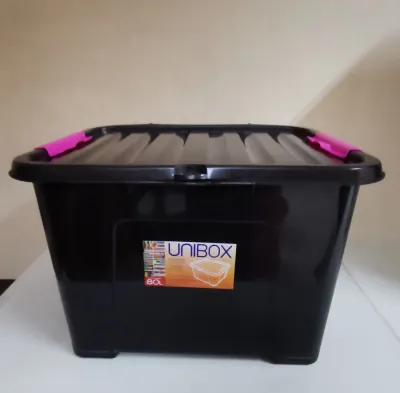
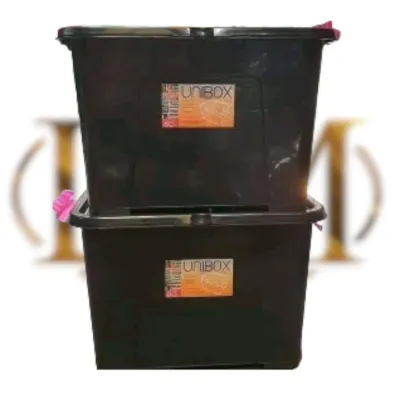

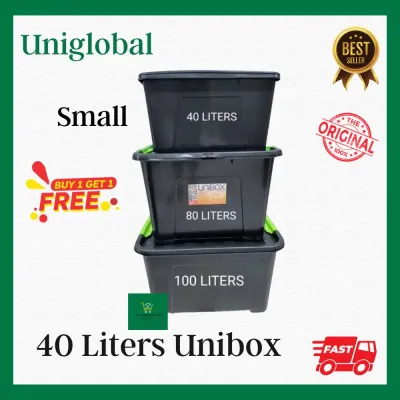
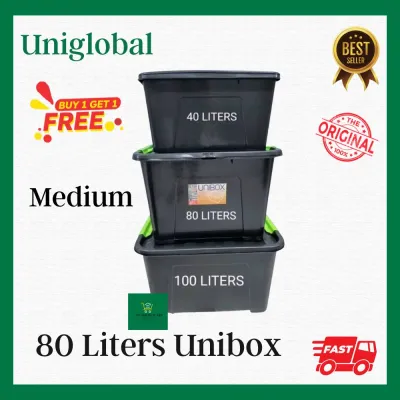
Prices are valid at publication and may change. Please refer to the product page for the latest price.
Using a standardized 80-liter size also greatly simplifies the logistics of loading a moving vehicle, such as an L300 van, a pickup truck, or a closed utility vehicle. When containers share uniform dimensions, they can be stacked much more efficiently, maximizing the vertical cargo space and preventing shifting during transit. This uniformity is especially valuable when navigating the bumpy roads and sudden stops typical of Philippine traffic, where loose or unevenly sized packages are highly prone to toppling over.
However, the primary advantage of the 80-liter box—its generous volume—can also become a liability if packed incorrectly. While it is tempting to fill every cubic inch of space, packing dense, heavy items like books, ceramic dishes, or heavy tools into an 80-liter container will make it dangerously heavy. A box loaded beyond a manageable weight of 15 to 20 kilograms poses a severe risk of physical strain or injury to the movers, and it can easily exceed the structural load capacity of the plastic itself, leading to cracked bases or broken handles. Therefore, 80-liter boxes should be reserved for medium-to-lightweight goods, while smaller 30-liter or 50-liter containers should be utilized for high-density items.
Essential Durability and Design Features to Verify
To ensure your 80-liter storage boxes survive the physical demands of a lipat bahay, you must look closely at their structural design before making a purchase. The first feature to evaluate is the lid mechanism, which plays a critical role in both securing the contents and enabling safe stacking. Snap-lock lids, which feature heavy-duty plastic latches on the sides, are highly recommended for moving purposes. These latches mechanically clamp the lid to the box frame, ensuring that the container remains tightly sealed even if the box flexes or undergoes impact during transport. In contrast, simple press-fit lids rely solely on friction and can easily pop off if the box is slightly overfilled or subjected to lateral pressure.

Another vital design element is the presence of reinforcement ribs along the exterior walls and corners of the box. These vertical and horizontal plastic ridges are not decorative; they distribute vertical loads downward, significantly increasing the box’s resistance to buckling under weight. When boxes are stacked three or four high in a moving truck, the bottommost box must bear the combined weight of those above it. Without adequate reinforcement ribs, the walls of standard plastic containers can bow outward, causing the stack to collapse and potentially damaging fragile items inside.
Handle ergonomics and strength are equally critical, as they bear the entire weight of the loaded box during manual carrying. Look for integrated, molded handles that are built directly into the rim of the box, as these are far less likely to shear off under load compared to separate, clip-on handle components. The handle grip should be wide and smooth; thin, sharp plastic edges will cut into your hands or gloves, making manual transport painful and increasing the risk of dropping the box. Additionally, inspect the base of the container; a textured, cross-hatched, or non-slip pattern on the bottom provides essential friction, preventing the boxes from sliding around on the smooth metal bed of a moving vehicle.
Material Options and Their Best Use Cases
The materials used to manufacture 80-liter storage boxes dictate their durability, weight, and suitability for different types of household goods. The most common material is rigid plastic, typically high-density polypropylene (PP). Rigid plastic boxes offer superior impact resistance and structural integrity, making them the ideal choice for protecting fragile items, electronics, kitchenware, and valuable documents. Because polypropylene is highly resistant to moisture, these boxes provide an excellent barrier against the high humidity and sudden tropical downpours common in the Philippines, ensuring your belongings stay dry even during rainy-season moves.
For lighter, bulky items such as comforters, blankets, plush toys, and winter clothing, fabric or collapsible storage boxes with internal rigid frames present a highly practical alternative. These containers are often constructed from durable oxford fabric or non-woven materials wrapped around a steel wire or heavy cardboard frame. While they do not offer the same level of impact protection or moisture resistance as rigid plastic, they are exceptionally lightweight and can be folded completely flat when not in use. This collapsible design is a major space-saver in your new home, allowing you to store the empty containers in a closet or under a bed without taking up valuable living space.
To help you decide which material best suits your specific packing requirements, consider the following decision matrix:
| Material Type | Best Suited Items | Stacking Limit | Post-Move Storage Suitability | Moisture Resistance |
|---|---|---|---|---|
| Rigid Polypropylene (PP) | Fragile goods, electronics, kitchenware, documents | High (Up to 4 boxes) | Excellent (Garages, closets, damp areas) | High (Protects against rain and humidity) |
| Standard Clear Plastic | Clothes, toys, pantry items, shoes | Medium (Up to 2-3 boxes) | Good (Indoor closets, bedrooms) | Medium (Protects against dust and light moisture) |
| Fabric with Steel Frame | Pillows, comforters, clothing, soft toys | Low (Up to 2 boxes) | Excellent (Under-bed, wardrobe organization) | Low (Breathable, but prone to dampness) |
| Collapsible Plastic | Light tools, shoes, miscellaneous dry goods | Medium (Up to 2 boxes) | Excellent (Trunks, temporary shelving) | Medium (Protects against dust, joints may leak) |
When selecting between these materials, always match the box’s physical properties to the vulnerability of the items inside. For instance, valuable electronics or delicate glassware should never be packed in fabric or collapsible containers, as they lack the rigid outer shell necessary to absorb external impacts. Conversely, using heavy-duty rigid plastic boxes exclusively for soft pillows is an inefficient use of budget and storage space, making a hybrid approach—using different materials for different categories of goods—the most sensible strategy for a household move.
Smart Packing and Stacking Rules for 80L Boxes
Packing an 80-liter storage box requires a strategic approach to ensure the safety of both your belongings and the people handling them. The golden rule of packing large containers is to distribute the weight evenly, placing the heaviest items at the very bottom of the box and layering lighter items on top. This technique keeps the container’s center of gravity low, which prevents it from tipping over during transport and reduces the physical strain on anyone lifting it. Additionally, placing heavy items at the bottom prevents them from crushing lighter, more delicate items underneath as the box is moved and shaken.
Because an 80-liter box offers a substantial amount of internal space, preventing items from shifting during transit is a major challenge. When items slide or roll inside a partially empty box, they can easily break or cause the box to become unbalanced, leading to accidents during carrying. To prevent this, always fill any empty spaces or voids with protective wrapping materials. You do not need to buy expensive packing materials; household items like crumpled newspaper, clean towels, bedsheets, or even t-shirts make excellent, cost-effective void fillers that double as packed goods. For fragile items, ensure each piece is individually wrapped in bubble wrap or thick packing paper before being placed in the box.
When it comes to loading the moving vehicle, stacking your 80-liter boxes correctly is essential to prevent structural damage. Always place the heaviest, most rigid plastic boxes at the bottom of the stack, and place lighter fabric or standard plastic boxes on top. Limit your stacks to a maximum of three or four boxes high to prevent the bottom containers from buckling under excessive vertical pressure. To secure the stacks within the moving truck or van, use ratchet straps, bungee cords, or cargo nets to tie them down securely against the vehicle’s interior walls. This prevents the entire stack from sliding or toppling when the vehicle navigates sharp turns, steep inclines, or sudden stops on the road.
Purchasing Checklist and Delivery Inspection
Before you purchase your 80-liter storage boxes, it is crucial to take precise measurements to ensure they will fit seamlessly into your moving logistics and your new home. An 80-liter box typically measures approximately 60 to 65 centimeters in length, 40 to 45 centimeters in width, and 35 to 40 centimeters in height. Use a tape measure to verify that these dimensions can easily clear your current and future doorways, narrow hallways, stairwells, and condominium elevator doors. Additionally, measure the trunk or cargo space of the vehicle you plan to use for the move, as well as any shelving units or closets where you intend to store the boxes permanently after the move.
If you are purchasing your storage boxes from online marketplaces or ecommerce platforms, conducting a thorough inspection immediately upon delivery is vital. Large plastic items are highly susceptible to damage during shipping if they are not packaged properly by the seller. Carefully inspect each box for hairline cracks along the base, corners, and rim, as even minor cracks can quickly expand under the weight of packed goods and cause the box to fail completely. Check that the lids are perfectly flat and not warped, and test all snap-lock latches to ensure they click securely into place and do not pop open under light pressure.
Finally, when evaluating the cost of storage boxes, compare the unit prices in ₱ to determine the best overall value. Buying boxes in bulk sets, such as packs of three, six, or twelve, often yields a significantly lower price per unit compared to purchasing them individually. However, when shopping on online marketplaces, always factor in the potential shipping fees for oversized items. Because 80-liter boxes are bulky, shipping costs are often calculated based on volumetric weight rather than actual weight, which can substantially increase the total purchase price. Comparing the total cost—including shipping—against prices at local physical department stores or home improvement centers will help you make the most cost-effective decision.
Frequently Asked Questions (FAQ)
Can I use 80-liter storage boxes for heavy items like books?
No, it is highly discouraged to fill an 80-liter storage box entirely with heavy items like books, magazines, or documents. Paper is exceptionally dense, and filling a container of this volume with books will result in a total weight that easily exceeds 40 to 50 kilograms. This extreme weight far surpasses the safe manual lifting limits for most individuals, posing a severe risk of back injuries, muscle strains, or dropped boxes. Furthermore, standard plastic storage boxes are not engineered to support such concentrated weight; the base of the box can bow, crack, or completely break, and the handles may snap off during transport. Instead, reserve your 80-liter boxes for lighter, voluminous goods like blankets, pillows, and clothing, and use smaller 30-liter containers specifically designed for heavy items like books.
How do I clean and maintain plastic storage boxes after the move?
Cleaning and maintaining your plastic storage boxes after a move is a simple yet essential step to ensure they remain hygienic and durable for long-term storage or future use. Begin by wiping down the exterior and interior surfaces of the box with a soft microfiber cloth dampened with warm water and a mild dishwashing soap. This will easily remove transit dust, dirt, and any sticky adhesive residue left behind by packing tape or labels. Avoid using abrasive scrubbing pads or harsh chemical solvents, as these can scratch the plastic and weaken its structural integrity over time. Once cleaned, it is absolutely critical to allow the boxes to air dry completely in a well-ventilated area before sealing them with lids or packing items inside. In the humid, tropical climate of the Philippines, trapping even a small amount of moisture inside a sealed plastic container can rapidly lead to the growth of mold, mildew, and unpleasant musty odors, potentially ruining your stored belongings.

Community discussion
Share your experience or ask a question. Comments are reviewed before publication.