
Finding the right furniture for a compact bedroom requires balancing physical footprint, height adaptability, and mobility to maximize utility in tight spaces. In many Philippine homes—such as studio condominiums in Metro Manila or cozy provincial bedrooms—floor space is at a premium. An adjustable bedside table offers a versatile solution, serving as a nightstand, a temporary laptop desk, or a convenient dining tray. To make the right choice, you must evaluate how the table interacts with your bed height, room layout, and daily habits. Selecting the ideal model involves measuring clearances, choosing the right adjustment mechanism, and verifying base compatibility. By focusing on these practical details, you can find a piece of furniture that enhances your comfort without cluttering your living space.
Measuring Your Space: Dimensions and Clearances for Compact Bedrooms
Before browsing online marketplaces, grab a tape measure to map out the exact footprint your bedroom can accommodate. In small rooms, even a few centimeters can determine whether a door opens fully or a drawer gets blocked. Start by measuring the available floor area beside your bed. Mark this boundary on the floor using masking tape to visualize how much walking space remains. Ensure there is at least 50 to 60 centimeters of clear pathway around the bed so you can move comfortably without bumping into the table.
Next, account for the swing radius of nearby wardrobe doors and room entryways. If your bed frame has built-in under-bed storage drawers, pull them out completely to ensure the table’s base or legs will not obstruct their path. You should also consider the height of your mattress relative to the table’s minimum and maximum height settings. A bedside table that is too high when collapsed can be uncomfortable to reach from a lying position, while one that is too low when extended will make working or eating difficult.
Products mentioned in this guide
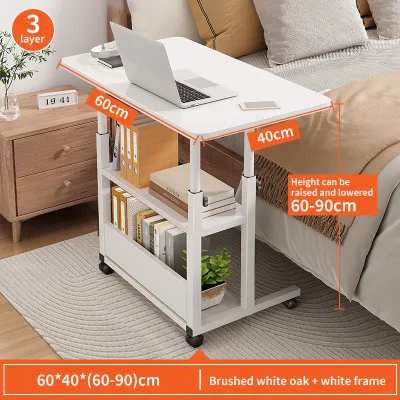
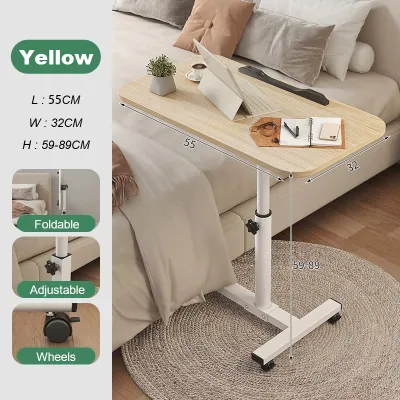


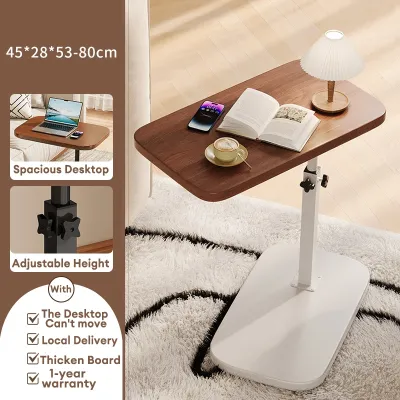
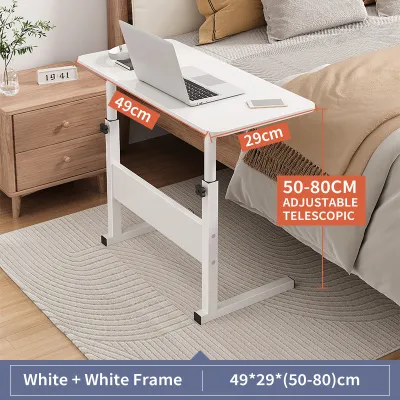
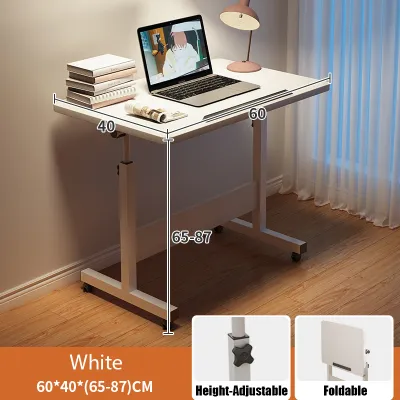

Prices are valid at publication and may change. Please refer to the product page for the latest price.
Do not forget vertical clearances and wall fixtures. Note the positions of wall outlets, light switches, and air conditioning units. Your adjustable bedside table should not block access to power sockets, especially since you will likely need to charge phones or plug in bedside lamps. Establish your maximum width, depth, and height limits before making a decision. Write these dimensions down as your hard constraints. When shopping, compare these limits against the manufacturer’s fully extended and fully collapsed specifications to guarantee a perfect fit.
Identifying Useful Adjustable Features for Small Rooms
The mechanism that controls height adjustment directly impacts both ease of use and the physical space required to operate the table. Manual knob-and-telescopic leg systems are highly common and budget-friendly, but they require you to loosen knobs on both sides and manually lift or lower the tabletop. This can be cumbersome if you plan to change the height multiple times a day. If you choose this style, ensure the knobs are easy to grip and turn, and check that the locking pins align securely.

Pneumatic gas lifts or hydraulic levers offer a smoother, single-handed adjustment experience. These mechanisms allow you to adjust the height instantly with a simple lever pull, much like an office chair. However, they often carry a higher price tag and require a stable base to prevent sudden drops when loaded. Manual crank handles are another option, though you must ensure there is enough side clearance to rotate the handle without hitting the bed frame or wall.
Consider whether a tilting or split-top surface fits your lifestyle. A tilting tabletop is excellent for holding tablets, books, or laptops at an ergonomic angle while you sit in bed. If you choose a tilting model, look for a split-top design where one section tilts while a smaller side section remains flat. This setup ensures your coffee mug or water glass stays secure on a level surface while you work.
Storage capacity is another critical trade-off in small bedrooms. Solid bedside tables with drawers and shelves provide excellent storage but can look bulky and block natural light. Minimalist, open-frame designs with slender metal legs maintain visual lightness, making a small room feel more spacious. If you need storage, look for models with slim, open shelves that do not compromise the table’s ability to slide close to your bed.
Choosing the Right Base and Mobility for Your Bed Frame
The design of the table’s base determines how close it can get to your mattress. Standard four-legged tables must sit entirely beside the bed, which requires dedicated floor space. In contrast, C-shaped or U-shaped bases are engineered to slide directly under the bed frame, allowing the tabletop to hover over your lap. This design is incredibly space-efficient for tight layouts where there is no room next to the bed.
To use a sliding C-base, you must verify the clearance beneath your bed frame. Measure the vertical gap from the floor to the lowest point of the bed frame’s side rail. Many adjustable tables require a clearance of at least 5 to 10 centimeters for the base to slide underneath. If you have a solid platform bed or a divan base that sits flush against the floor, a sliding C-base will not work, and you will need to opt for a traditional side-sitting table.
Mobility is another key factor to evaluate. Tables equipped with caster wheels allow you to roll the unit away when making the bed or cleaning the floor. This is particularly useful in humid tropical climates like the Philippines, where regular cleaning helps prevent dust mites and mold buildup in tight corners.
If you choose a wheeled model, ensure the casters have reliable locking mechanisms to keep the table stable when in use. Alternatively, if you have polished wood or delicate laminate flooring, look for fixed feet with felt pads or soft rubber bases. These protect your floors from scratches and provide a more stable, permanent setup if you do not need to move the table frequently.
Final Verification Checklist Before You Buy
Before finalizing your purchase on any online marketplace, run through a quick verification checklist to avoid buyer’s remorse. First, check the manufacturer’s specified weight capacity. Adjustable and tilting surfaces generally support less weight than fixed tables. Ensure the table can safely hold your laptop, books, or a heavy ceramic plate without wobbling or tilting unexpectedly.
Next, review the assembly instructions and packaging dimensions. Many adjustable tables are shipped flat-packed to save on delivery costs. Confirm whether the package includes all necessary tools, such as Allen keys or mini wrenches, and ensure you have enough physical space in your room to assemble the pieces comfortably.
Finally, inspect the seller’s return policy and warranty terms, particularly regarding the mechanical parts. Moving joints, pneumatic cylinders, and locking knobs are the components most prone to wear over time. A reliable warranty that covers these moving parts provides peace of mind and ensures your investment remains functional for years to come.
Frequently Asked Questions (FAQ)
Can an adjustable bedside table be used as a temporary workspace?
Yes, an adjustable bedside table can serve as an excellent temporary workspace, provided you choose a model with the right features. Look for a table with a tilt-adjustable top and built-in edge stoppers to prevent your laptop or tablet from sliding off. Always verify that the surface dimensions accommodate your device and mouse, and check that the weight limit is sufficient to support your hands resting on the table as you type.
How do I maintain the moving parts of an adjustable table?
To keep your adjustable table operating smoothly, perform regular visual inspections of all moving joints and fasteners. Tighten any loose screws or knobs immediately to prevent wobbling, which can strain the frame. For pneumatic lifts or manual crank mechanisms, keep the moving shafts free of dust and debris by wiping them down with a dry microfiber cloth, and follow the manufacturer’s specific guidelines regarding lubrication to avoid damaging the internal seals.

Community discussion
Share your experience or ask a question. Comments are reviewed before publication.